2 min. read
Doctor Mouthpiece Series • Part 2
Flesh meets metal 1
The rim
By John Stork , Phyllis Stork

Doctor Mouthpiece Series
1 Inner diameter
As the initial contact point between player and instrument, the rim is the primary focal point upon which a player’s comfort and security depend.
Far from being the rigid bit of brass most players perceive it to be, the rim is a multifaceted item consisting of five separate features. Each of these features (inner diameter, width, contour, bite and outer edge) combine to provide the rim with an amazing degree of adaptability thus allowing it to easily accommodate itself to a wide variety of physical attributes. The closer the rim comes to matching the physical needs of an individual player, the greater the results that player can hope to obtain. Over a series of 3 articles we will be offering a checklist of signs, or symptoms if you will, designed to enable you to discover whether or not you are truly getting the maximum performance results available from each individual aspect of your rim.
The single most important aspect of the rim in terms of matching an individual’s physical needs is the inner diameter. (Diag.)
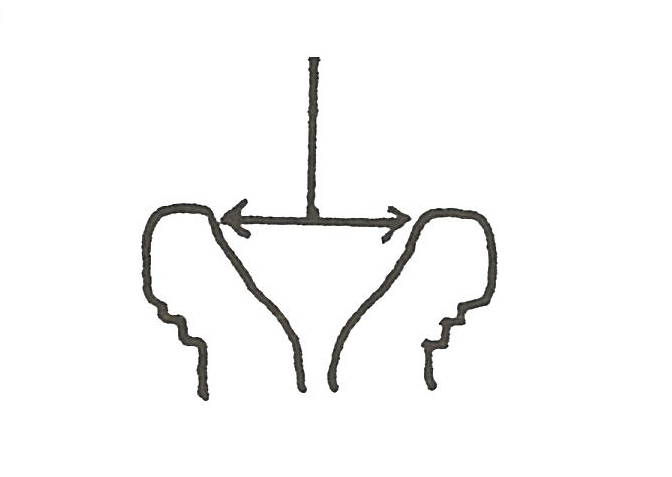
Illustration 1
Playing on an improperly sized inner diameter can cause seriously debilitating effects to embouchure and development.
Consider the following symptoms normally associated with using an inner diameter that is too small:
1) Lack of or poor lower register
A very reliable indication! Either the player hasn’t room enough to drop the jaw sufficiently to produce these notes, without pulling his lips out of the mouthpiece, or the lips are too large to vibrate slowly enough in the space available.
2) Poor placement
This is playing with the top, and/or bottom inner edge of the rim resting on the red or inner portion of the lips. This inner area is less muscular than the surrounding tissue and consequently has a lessened ability to resist the pressure of the mouthpiece.
This often leads to:
2a) Lack of endurance
Less muscular resistance to the mouthpiece causes faster diminution of blood flow and quicker tiring.
Brass Bulletin 59, III / 1987 pages 23–25
All content is protected by copyright © Brass Bulletin 1987–2026