Rendete Brass Bulletin disponibile nella vostra università, nel vostro conservatorio o nella vostra biblioteca Scoprite l’accesso istituzionale

3 min di lettura

Jazz and the Horn

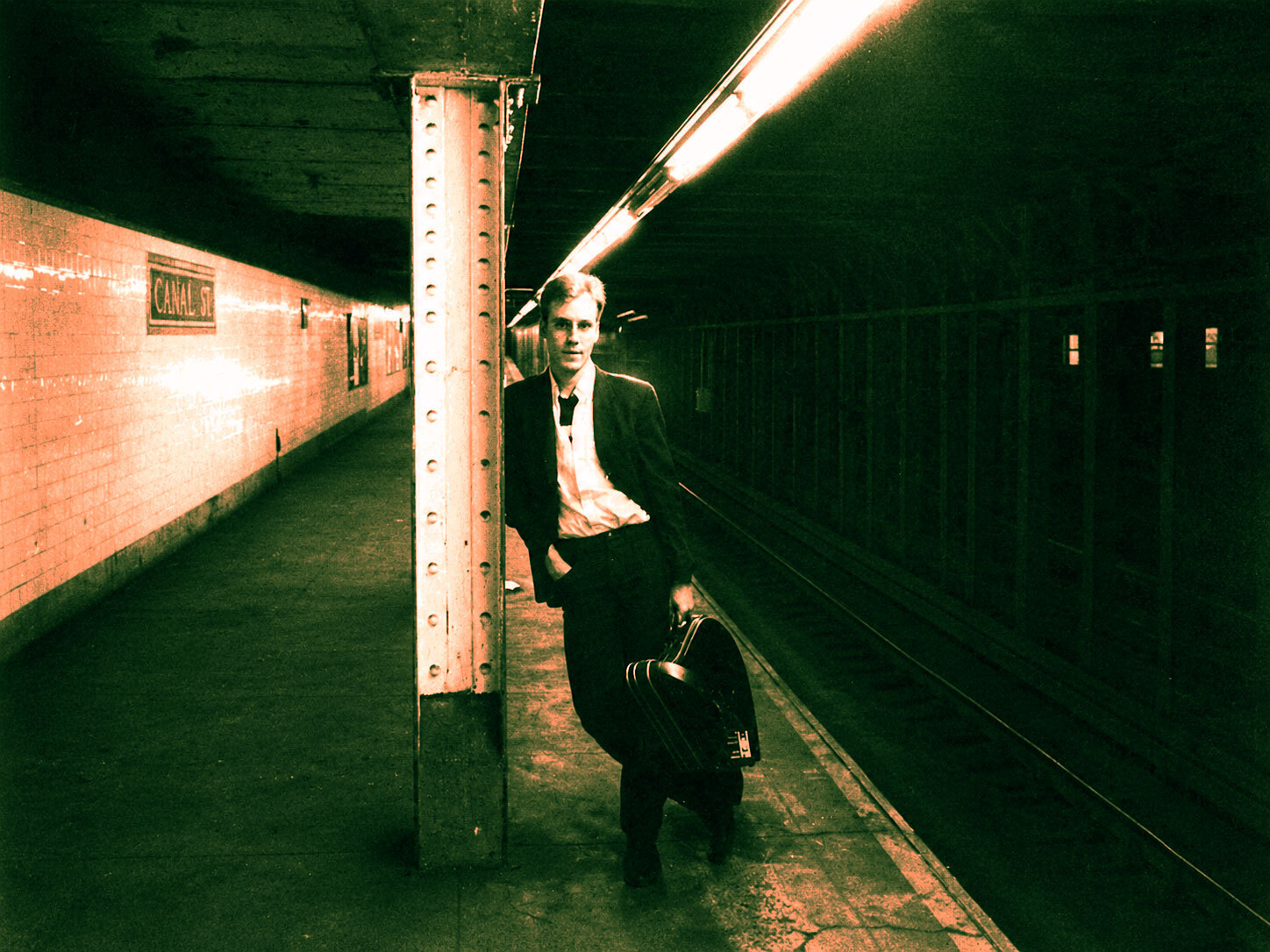
Tom Varner

Parte 5

Di Jeffrey Agrell

Jazz and the Horn

Tom Varner

Unlike most horn players who become jazz players, Tom Varner did not cross over from the classical tradition. His interest in jazz came very early, and his horn playing has been almost entirely in the area of jazz ever since. After learning of his first LP “Tom Varner Quartet” (Soul Note SN 1011), I wrote him and asked him to discuss his experiences in playing jazz on the horn. — Jeffrey Agrell

“I’ve played the horn since I was nine years old. By high school (in New Jersey), I was playing in various regional youth orchestras, but by about 15 I began to listen to jazz. The freedom, creativity, and spontaneity of the jazz musician appealed to me much more than the idea of a professional horn player in an orchestra, but initially, I just figured, “Oh, well, I’ll never be able to do that because of my instrument.”

Meanwhile, I played trombone parts in the high school stage band (big band), and was listening almost exclusively to jazz by the time I was 17 — Miles Davis, Freddie Hubbard, Monk, and the “Fusion” music of the time (’73-’74). Slowly I began to realize that I could possibly play jazz on the horn, especially when I became aware of Julius Watkins. The summer after I graduated from high school, I worked at a record store, and as half my paycheck went back to my employer, I became acquainted more fully with the music of John Coltrane, more Miles, Ornette Colman, Charlie Parker, and many others.

At Oberlin College the following fall, I was not allowed to take private lessons with the faculty horn teacher, as I was not in the conservatory. From that point on, I decided to learn to play jazz, and that first and foremost I want to be an improviser.

The following January (’76) I met Julius Watkins and studied with him for a brief time. He was not a terribly focused teacher, but his kindness and encouragement left a lasting mark, as I look back now. We went over tunes such as “Cherokee” or “I Got Rhythm” and he explained to me his own methods of overcoming the enormous difficulties of jazz on the french horn, such as projection, articulation, getting past the “slipperyness”, etc. He showed me certain hand-in-the-bell techniques and playing in the high register to get past some of the problems.

In 1977 I transferred to the New England Conservatory, where I could take private horn lessons, be in a stronger jazz department, and live in an urban area. I studied with Peter Gordon and Thomas Newell, who was very helpful to my overall playing. Other studies were with Ran Blake, George Russell, and Jaki Byand. In Boston I began performing as a leader of a group, and after graduation, I moved to New York, where I still live three years later.

As a leader I’ve almost always led groups with no piano — just horn, saxophone, bass and drums. It is so hard for the horn to cut through drums and bass anyway, so with no piano there is a sparseness that leaves room for the horn, and it’s a sound I prefer. I think the main problem facing the jazz hornist is developing a strong yet smooth feel for swing, to get past the “choppyness” and stiffness of the instrument... When I took some lessons from the saxophonist Dave Leibman, he said, “I don’t know anything about the horn, but that’s your problem, not mine — you’ve gotta make it swing like a saxophone.” Transcribing and practicing tenor saxophone solos — Sonny Rollins and John Coltrane; also trumpet solos (eg Miles and Clifford Brown) are very helpful here. Also to learn to play lines while not tongueing any notes at all is very important — the stiffness partly comes from having to tongue the note to get clarity. Practicing all scales, modes, patterns, etc. while not tongueing helps, as does practicing with the metronome on the 2 & 4 beats help with the rhythmic feel. In case it’s of interest, I play the series N Conn 8D with a Lawson FB 114 lead pipe and a Giardinelli C12 mouthpiece. Some players prefer a triple (John Clark) or a B♭-high F (Peter Gordon).

I’m performing with my group about once a month. Even with my record out, because of being fairly unknown, young, and in New York City, it’s almost impossible to get paying jobs for my group. The studio and Broadway scene is very tight, with the economy the way it is, and it’s very hard for new players to find work. I’ve ended up just concentrating on my own music and working at jazz playing almost totally. For subsistence I work at Zabon’s three days a week baking croissants. This fall I plan to be performing in Amsterdam and Paris. Europe looks more promising for jazz playing in many ways. Also my second album on Soul Note should be out soon — a live recording, same instrumentation.

Jazz french horn is certainly a wide-open field — a long way to go for everybody. I think Julius opened the door for a lot of exploration and development, which is just starting. I’ll just keep on working, working to be a real jazz player, to show that the horn can be a “tough” front-line instrument in jazz, and to touch people with my music in this way.”

Brass Bulletin 47, III / 1984 pagine 55–57

Tutti i contenuti sono protetti dal diritto d’autore © Brass Bulletin 1984–2026

Condividi questo articolo

Facebook LinkedIn
Loading…

Domande e risposte

Come funziona l’edizione digitale

Che cosa comprende l’edizione digitale?

L’edizione digitale riunisce gli articoli già digitalizzati sotto forma di testi leggibili e ricercabili online — non semplicemente come scansioni o file PDF — insieme alle illustrazioni originali, alle note, agli autori, alle informazioni sul numero della rivista e alle traduzioni disponibili. I suggerimenti di articoli correlati comprendono attualmente solo questo materiale digitalizzato.

Gli articoli digitali sono identici agli originali?

Conserviamo il più fedelmente possibile il testo originale, la lingua, le illustrazioni, le didascalie, le note e il contesto editoriale. La presentazione viene adattata per una lettura confortevole online e gli evidenti errori di trascrizione o scansione possono essere corretti. Il contenuto e il carattere dell’articolo pubblicato rimangono invariati.

Quali lingue sono disponibili?

Brass Bulletin è stato pubblicato in inglese, francese e tedesco nel corso di tutta la sua storia. Le traduzioni italiane e spagnole sono state aggiunte a partire dal numero 60. Sui siti italiano e spagnolo, gli articoli dei numeri da 1 a 59 vengono quindi mostrati in inglese per impostazione predefinita.

Con quale frequenza vengono aggiunti nuovi articoli?

Nuovi articoli vengono aggiunti quasi ogni giorno, con circa un numero completo digitalizzato ogni settimana. Il ritmo può variare in base al lavoro di preparazione, elaborazione delle immagini e verifica editoriale necessario.

Perché non tutti gli articoli sono disponibili in formato digitale?

La collezione completa di Brass Bulletin comprende 1.246 articoli pubblicati tra il 1971 e il 2003. L’indice completo è già disponibile online e consente di scoprire tutti gli articoli della collezione, compresi quelli il cui testo integrale non è ancora stato digitalizzato.

La digitalizzazione è iniziata nel febbraio 2026. Ogni articolo viene accuratamente preparato per la lettura online, verificato e collegato al relativo numero, agli autori, agli argomenti e alle illustrazioni. Al ritmo attuale di digitalizzazione, la collezione completa dovrebbe essere disponibile online entro febbraio 2028.

Perché alcuni riferimenti citano articoli che non sono ancora disponibili?

I riferimenti presenti negli articoli originali vengono conservati anche quando il materiale a cui rimandano non è ancora stato digitalizzato. In questo modo si preserva l’integrità storica ed editoriale della rivista. Man mano che nuovi numeri vengono aggiunti all’edizione digitale, un numero crescente di questi riferimenti condurrà ad articoli leggibili online.

Posso suggerire un articolo o segnalare un errore di trascrizione?

Sì. Se desiderate che un determinato articolo venga digitalizzato, oppure se notate un possibile errore di trascrizione o un’informazione mancante, contattateci. I riscontri dei lettori ci aiutano a migliorare l’edizione digitale e a stabilire priorità utili all’interno dell’archivio.

Come posso sostenere Brass Bulletin?

Il vostro sostegno contribuisce a finanziare la preparazione, la verifica e la pubblicazione online dell’intera collezione.

Abbonati all’Edizione digitale

Preferite sostenerci senza abbonarvi?

Fate una donazione

Come procede la digitalizzazione?

Stiamo rendendo Brass Bulletin disponibile online gradualmente, articolo per articolo. Potete leggere gli articoli appena digitalizzati non appena sono pronti, anche prima che un intero numero sia completato.

Consultate il nostro calendario di digitalizzazione per scoprire le ultime aggiunte e le date di disponibilità stimate dei prossimi numeri. Le stime si basano sul nostro ritmo recente e possono cambiare.

Cerca in Brass Bulletin.