Rendete Brass Bulletin disponibile nella vostra università, nel vostro conservatorio o nella vostra biblioteca Scoprite l’accesso istituzionale

Interpretazione

55 articoli disponibili online

The use of the mind in instrumental performance Membro
N. 30 • 1980 Digitalizzato

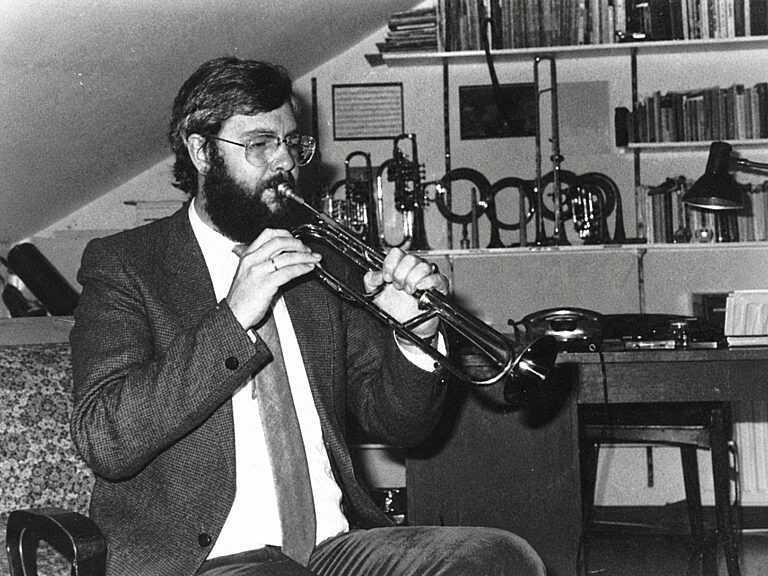
The use of the mind in instrumental performance

Relaxation, concentration and mental imagery reshape technical practice, linking self-confidence and instrumental control beyond physical training alone.

Di Michel Ricquier
Salute Insegnamento Nervi Interpretazione Idee
Natural trumpets, basic techniques Membro
N. 51 • 1985 Digitalizzato

Natural trumpets, basic techniques

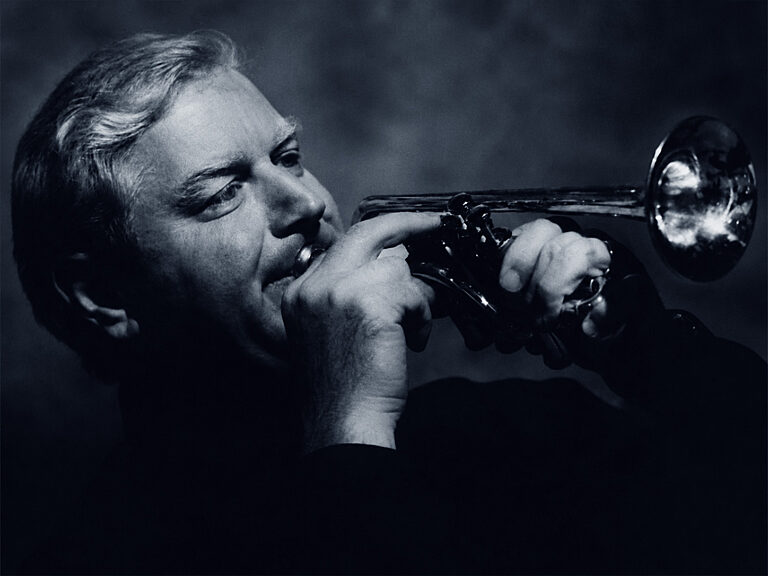
Natural trumpet playing demands more than historical equipment: Friedemann Immer sets modern technique against Baroque sound, articulation, style and authenticity.

Di Friedemann Immer
Tecnica Equipaggiamento Articolazione Interpretazione Strumenti storici
ASA-Method, ASA-Technic Gratuito
N. 37 • 1982 Digitalizzato

ASA-Method, ASA-Technic

Virtuosity grows from disciplined work on scales, articulation and reading, arguing that consistent fundamentals matter more than chasing the upper register.

Di Rolf Quinque
Tecnica Insegnamento Estensione Approccio mentale Interpretazione
Why pretend to be Mozart? Gratuito
N. 14 • 1976 Digitalizzato

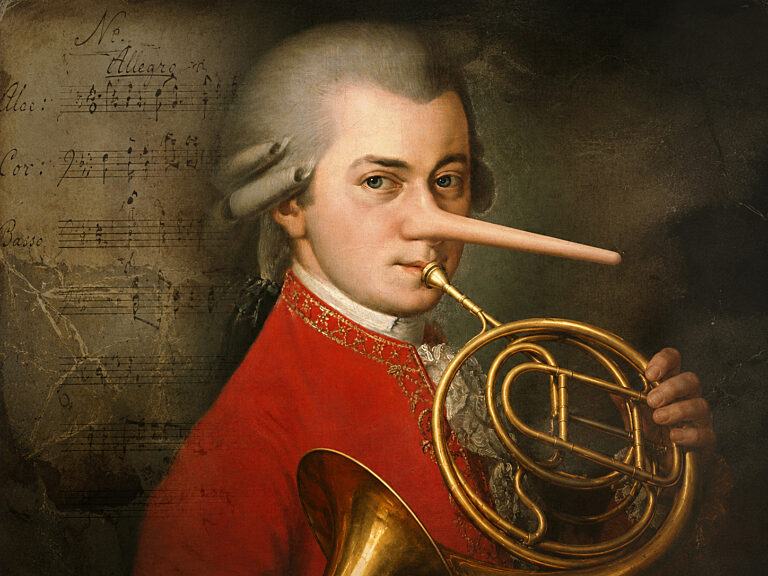
Why pretend to be Mozart?

Reply to Bernhard Krol

Should a cadenza imitate Mozart? Peter Damm argues for stylistic fidelity without imitation—at the heart of a debate with Bernhard Krol.

Di Peter Damm

Repertorio Interpretazione Abbellimenti Idee
Gratuito
N. 23 • 1978 Digitalizzato

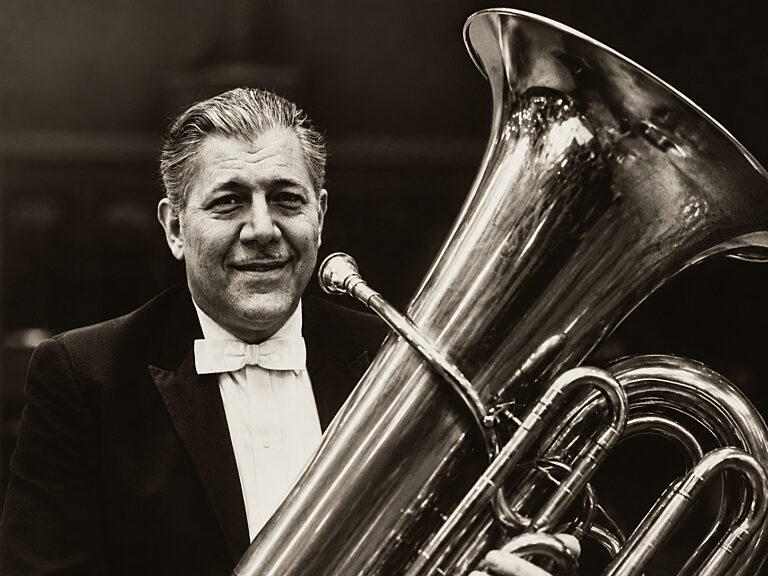
Symphonic tuba playing

A warning from the orchestra: Lewis Waldeck challenges modern tuba playing—calling for a return from solo brilliance to the dark, blended power of true symphonic sound.

Di Lewis Waldeck
Tecnica Repertorio Suono Interpretazione Pratica orchestrale
Arnold Jacobs Membro
N. 33 • 1981 Digitalizzato

Parte 1

Arnold Jacobs

Interview

Two tuba giants meet in 1979 Chicago, where Arnold Jacobs turns technique, sound, orchestral life and pedagogy into a lasting musical ethic.

Di Roger Bobo

Incontri Insegnamento Interpretazione Suono Pratica orchestrale
Dynamics in the 80's Membro
N. 29 • 1980 Digitalizzato

Dynamics in the 80's

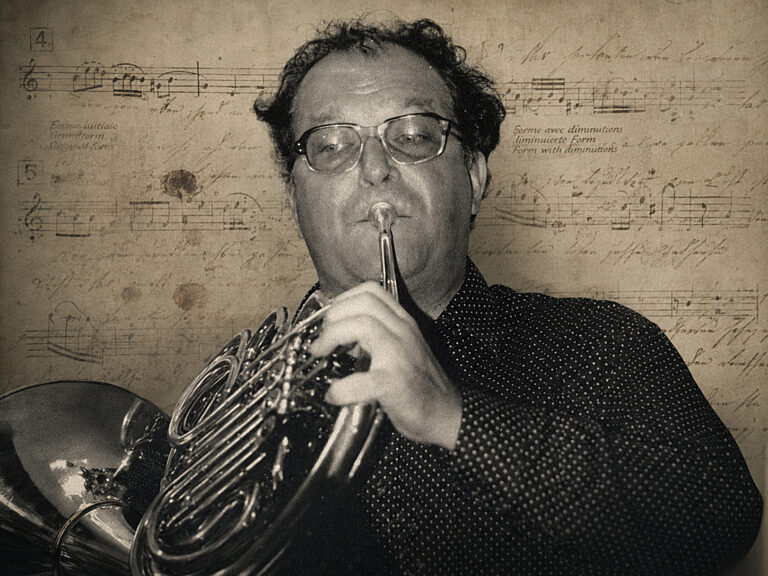
From Reykjavik to the Hollywood Bowl, rising concert hall scale and amplified culture reshape orchestral sound, leaving acoustic limits exposed.

Di Roger Bobo
Acustica Società Suono Interpretazione Sociologia
Ornaments in 18th-century Horn Concertos? Membro
N. 43 • 1983 Digitalizzato

Parte 2

Ornaments in 18th-century Horn Concertos?

Essential ornaments

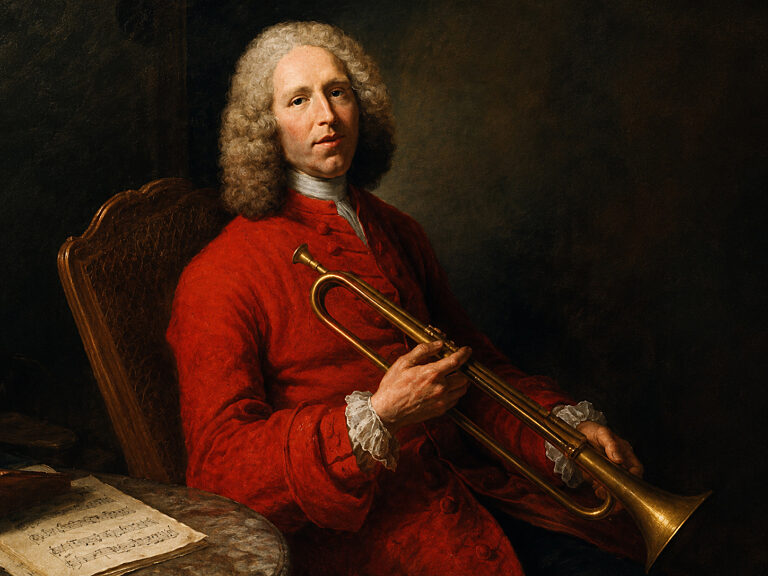
Natural horn technique left little room for excess: Peter Damm sets 18th-century ornamentation against the practical limits of range, style and notation.

Di Peter Damm
Repertorio Storia Abbellimenti Interpretazione Articolazione
The Trumpet in the Works of Jean-Philippe Rameau Gratuito
N. 35 • 1981 Digitalizzato

The Trumpet in the Works of Jean-Philippe Rameau

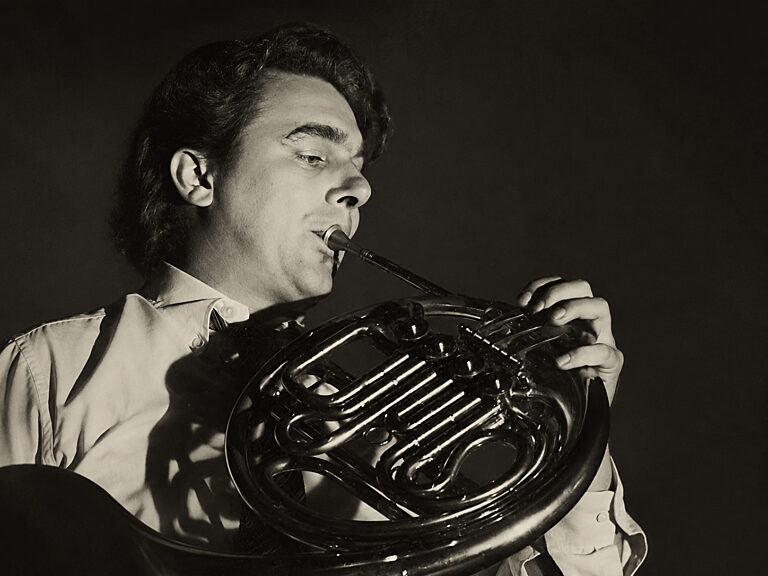
From court entertainments to operatic dances, Rameau’s trumpet writing reveals uncommon technical demands and a broader palette of Baroque brass practice.

Di Albert Hiller
Storia Repertorio Strumenti storici Interpretazione
Which Horn for which Music? Gratuito
N. 3 • 1972 Digitalizzato

Which Horn for which Music?

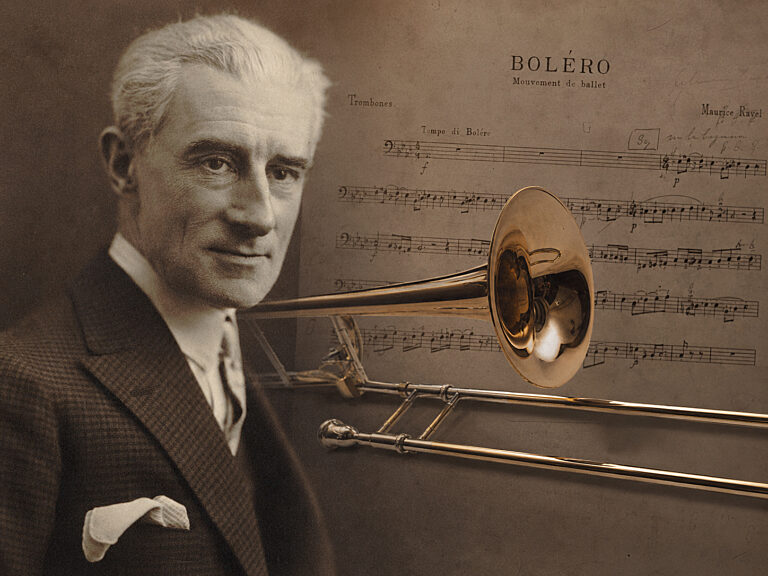
Article discussing the choice of horn according to repertoire, comparing instruments, sound ideals and stylistic requirements.

Di Hermann Baumann
Equipaggiamento Repertorio Strumenti storici Suono Interpretazione
The trombone in Maurice Ravel's Bolero Membro
N. 13 • 1976 Digitalizzato

Parte 1

The trombone in Maurice Ravel's Bolero

How should Boléro’s trombone solo be played? After 100 performances, Jean Douay challenges conventions and argues for a more supple, controlled approach.

Di Jean Douay
Repertorio Tecnica Interpretazione Pratica orchestrale
The Trombone in the Sacred Works of W. A. Mozart Gratuito
N. 46 • 1984 Digitalizzato

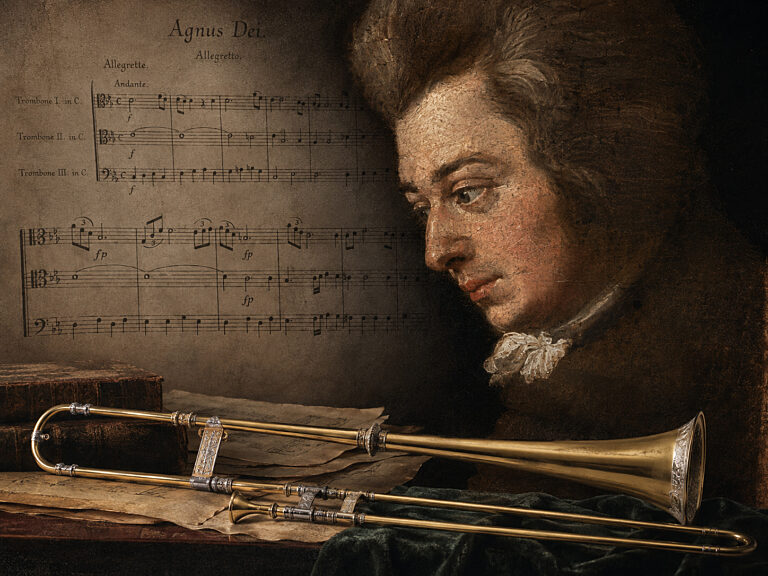
The Trombone in the Sacred Works of W. A. Mozart

In Mozart’s sacred music, the trombone moved beyond choral reinforcement to striking solo roles that preserve the sound and practice of eighteenth-century Salzburg.

Di Benny Sluchin
Repertorio Storia Interpretazione
The trombone in Belgium Gratuito
N. 5 • 1973 Digitalizzato

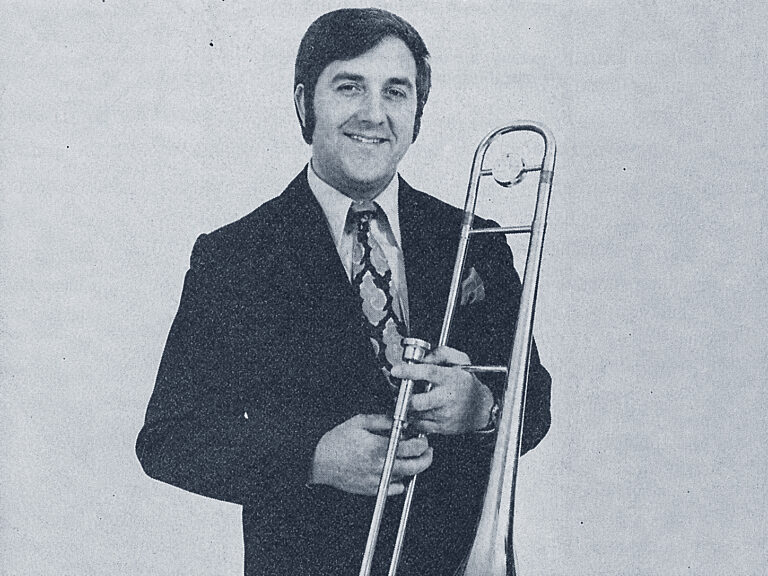
The trombone in Belgium

Published in memory of its author, this article reflects on the trombone tradition in Belgium and his lasting contribution.

Di Albert Mertens
Storia Tecnica Equipaggiamento Strumenti storici Valvole Interpretazione
Modern editions of original 17th-century brass ensemble music Membro
N. 53 • 1986 Digitalizzato

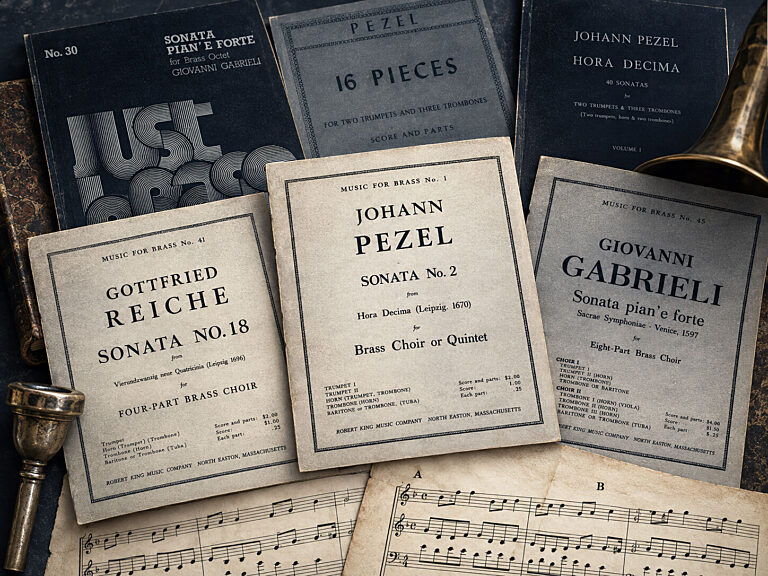
Modern editions of original 17th-century brass ensemble music

Seventeenth-century brass music regained its place in the repertoire, but modern editions often altered the original keys, instrumentation and balance between voices.

Di Klaus Winkler
Repertorio Interpretazione Ensemble di ottoni
Why pretend to be Mozart? Membro
N. 12 • 1975 Digitalizzato

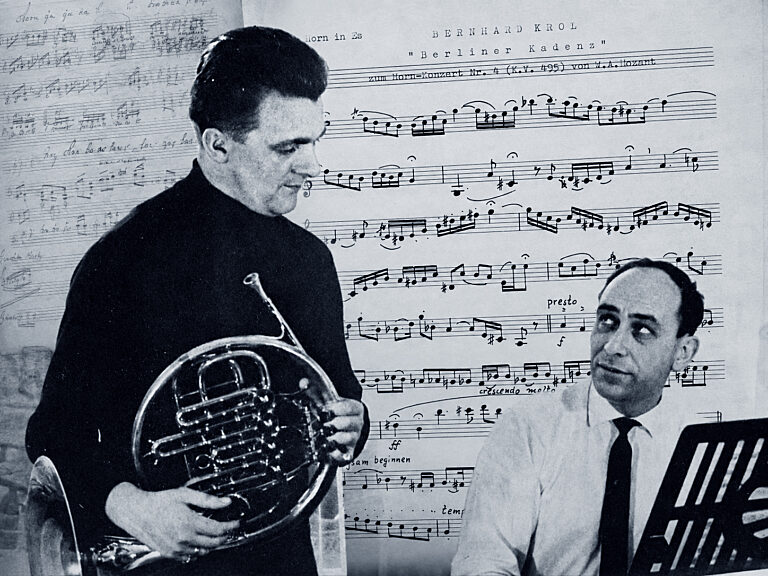
Why pretend to be Mozart?

The concerto’s cadenza: copy of style — or bold but true?

Should a cadenza imitate the past—or speak in today’s voice? Bernhard Krol questions the tradition of stylistic imitation and argues for cadenzas that bridge past and present with authenticity.

Di Bernhard Krol
Repertorio Idee Interpretazione
The alto trombone and contemporary concepts of trombone timbre Membro
N. 28 • 1979 Digitalizzato

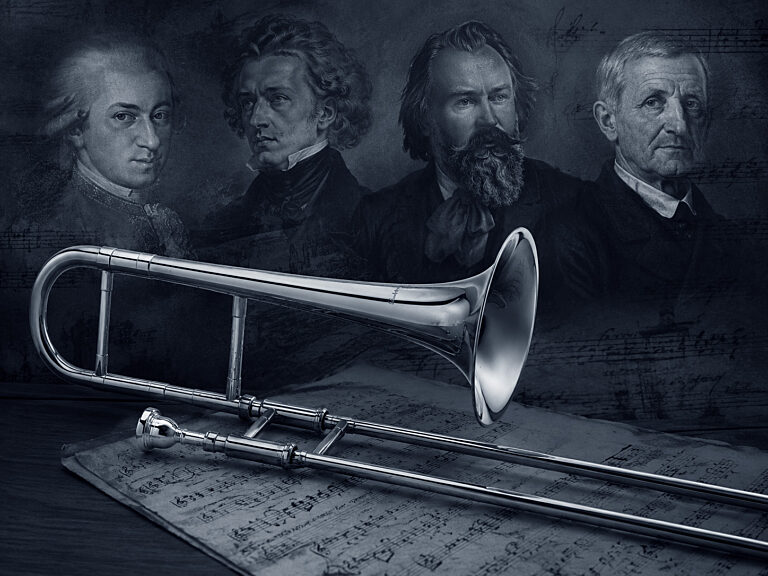
The alto trombone and contemporary concepts of trombone timbre

Alto trombone timbre from Vienna to Brahms, orchestral balance, period practice, and why bright brass sounds gradually disappeared.

Di William E. Runyan
Repertorio Equipaggiamento Strumenti storici Suono Interpretazione
International Trumpet Competition, Budapest 1984 Membro
N. 48 • 1984 Digitalizzato

Special Hungary

International Trumpet Competition, Budapest 1984

Special Hungary

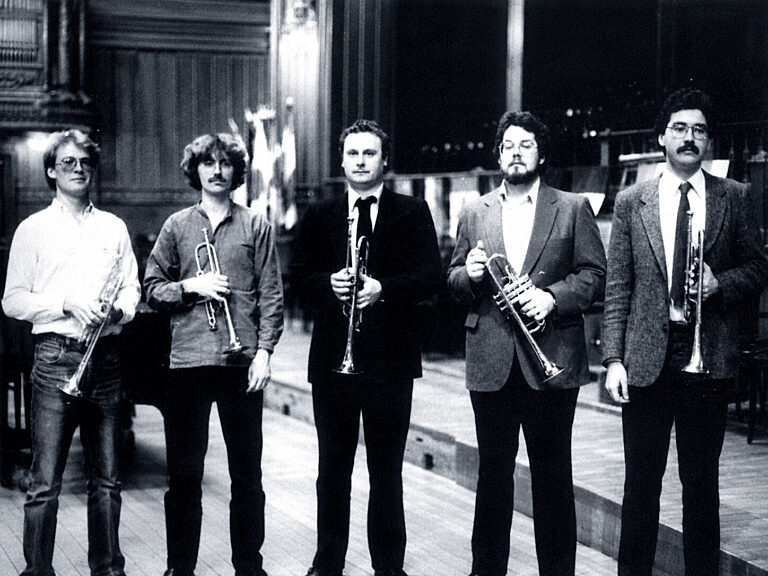
Budapest 1984 exposed a striking gap between technical brilliance and musical maturity, while three leading trumpeters challenged what competitions truly reward.

Di Timofey Dokschidser, Philip Jones, Théo Mertens
Concorso Interpretazione Esecuzione solistica
The Leningrad School of Horn Playing Membro
N. 27 • 1979 Digitalizzato

The Leningrad School of Horn Playing

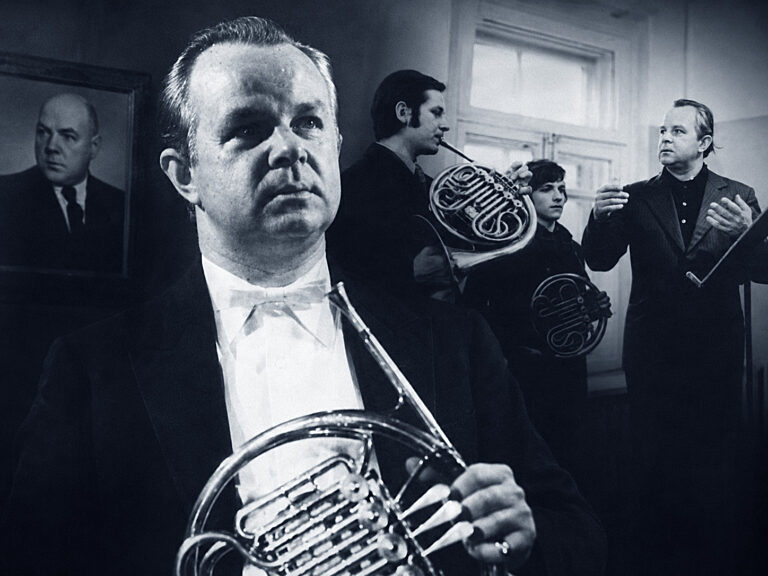
From St. Petersburg to the Soviet era, generations of horn players shaped a distinctive approach to sound, interpretation, and orchestral playing.

Di Frøydis Ree Wekre
Storia Insegnamento Scuola russa Interpretazione Suono
Sergey Nikolaevich Yeryomin (1903-1975) Gratuito
N. 42 • 1983 Digitalizzato

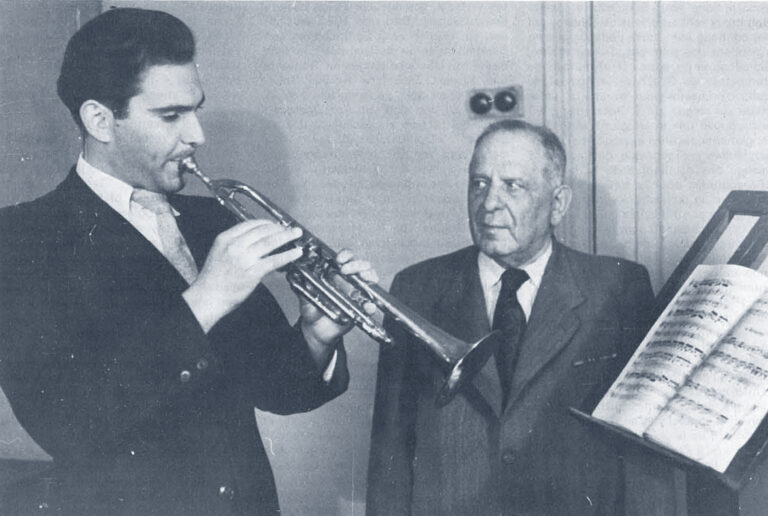
Sergey Nikolaevich Yeryomin (1903-1975)

The Distinguished Soviet Trumpeter and Teacher

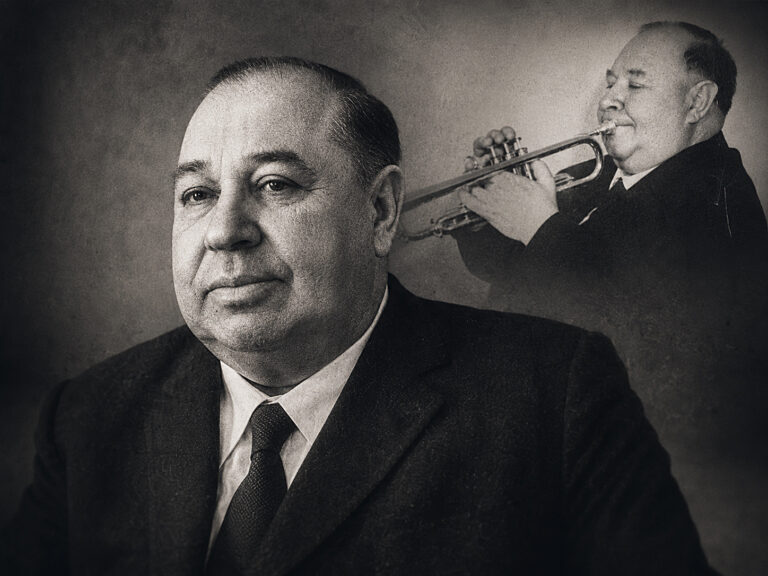
Between Soviet military bands, the Bolshoi and the Moscow Conservatory, Yeryomin helped shape a trumpet tradition in which virtuosity remained a means, not an end.

Di Yuri Usov
Incontri Insegnamento Scuola russa Pratica orchestrale Interpretazione
The Haydn Trumpet Concerto Membro
N. 37 • 1982 Digitalizzato

Parte 3

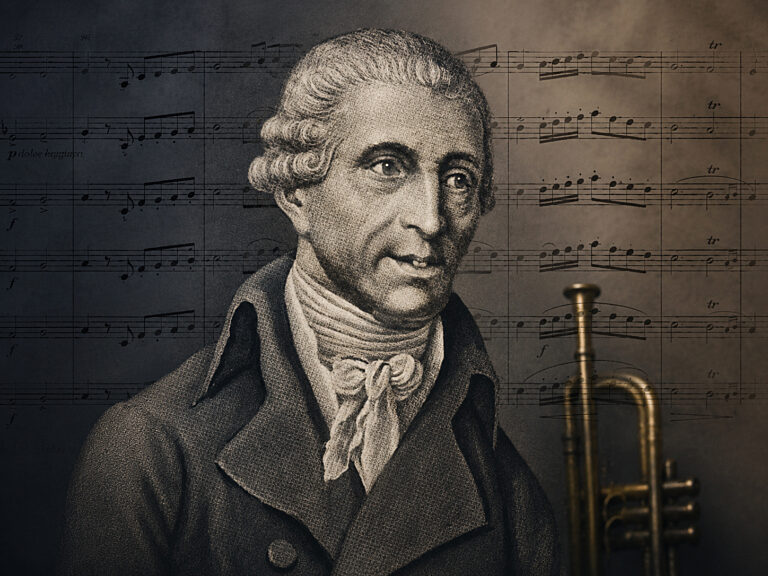
The Haydn Trumpet Concerto

Haydn’s trumpet concerto becomes a study of manuscript detail, performance choices, and the fragile ways listeners receive a familiar work.

Di Alfred Willener

Storia Repertorio Società Interpretazione Sociologia Idee Tromba a chiavi
Relaxation and musical performance Gratuito
N. 29 • 1980 Digitalizzato

Relaxation and musical performance

Breath, fingers and muscular tension form a hidden technical chain in wind playing, as Michel Ricquier links virtuosity to bodily awareness.

Di Michel Ricquier
Salute Insegnamento Nervi Respirazione Interpretazione
Mikhail Innokentiévitch Tabakov (1877-1958) Membro
N. 22 • 1978 Digitalizzato

Mikhail Innokentiévitch Tabakov (1877-1958)

Founder of the Soviet trumpet school

A towering figure of trumpet history: Tabakov shaped generations—including the legendary Timofei Dokchitzer—and laid the foundations of the Soviet trumpet school.

Di G. Orvid, S. Riaouzov

Storia Insegnamento Scuola russa Suono Interpretazione
Editorial Gratuito
N. 34 • 1981 Digitalizzato

Editorial

Beyond technique and instruction, musical growth depends on trusted relationships, where friendship becomes both a measure of progress and a safeguard against isolation.

Di Jean-Pierre Mathez

Insegnamento Società Idee Interpretazione
Editorial Gratuito
N. 45 • 1984 Digitalizzato

Editorial

Between disciplined practice and creative folly, musicianship emerges where scales and systems give way to imagination, instinct and the unsettling freedom to think.

Di Jean-Pierre Mathez

Insegnamento Tecnica Approccio mentale Interpretazione Idee
Loading…

Domande e risposte

Come funziona l’edizione digitale

Che cosa comprende l’edizione digitale?

L’edizione digitale riunisce gli articoli già digitalizzati sotto forma di testi leggibili e ricercabili online — non semplicemente come scansioni o file PDF — insieme alle illustrazioni originali, alle note, agli autori, alle informazioni sul numero della rivista e alle traduzioni disponibili. I suggerimenti di articoli correlati comprendono attualmente solo questo materiale digitalizzato.

Gli articoli digitali sono identici agli originali?

Conserviamo il più fedelmente possibile il testo originale, la lingua, le illustrazioni, le didascalie, le note e il contesto editoriale. La presentazione viene adattata per una lettura confortevole online e gli evidenti errori di trascrizione o scansione possono essere corretti. Il contenuto e il carattere dell’articolo pubblicato rimangono invariati.

Quali lingue sono disponibili?

Brass Bulletin è stato pubblicato in inglese, francese e tedesco nel corso di tutta la sua storia. Le traduzioni italiane e spagnole sono state aggiunte a partire dal numero 60. Sui siti italiano e spagnolo, gli articoli dei numeri da 1 a 59 vengono quindi mostrati in inglese per impostazione predefinita.

Con quale frequenza vengono aggiunti nuovi articoli?

Nuovi articoli vengono aggiunti quasi ogni giorno, con circa un numero completo digitalizzato ogni settimana. Il ritmo può variare in base al lavoro di preparazione, elaborazione delle immagini e verifica editoriale necessario.

Perché non tutti gli articoli sono disponibili in formato digitale?

La collezione completa di Brass Bulletin comprende 1.246 articoli pubblicati tra il 1971 e il 2003. L’indice completo è già disponibile online e consente di scoprire tutti gli articoli della collezione, compresi quelli il cui testo integrale non è ancora stato digitalizzato.

La digitalizzazione è iniziata nel febbraio 2026. Ogni articolo viene accuratamente preparato per la lettura online, verificato e collegato al relativo numero, agli autori, agli argomenti e alle illustrazioni. Al ritmo attuale di digitalizzazione, la collezione completa dovrebbe essere disponibile online entro febbraio 2028.

Perché alcuni riferimenti citano articoli che non sono ancora disponibili?

I riferimenti presenti negli articoli originali vengono conservati anche quando il materiale a cui rimandano non è ancora stato digitalizzato. In questo modo si preserva l’integrità storica ed editoriale della rivista. Man mano che nuovi numeri vengono aggiunti all’edizione digitale, un numero crescente di questi riferimenti condurrà ad articoli leggibili online.

Posso suggerire un articolo o segnalare un errore di trascrizione?

Sì. Se desiderate che un determinato articolo venga digitalizzato, oppure se notate un possibile errore di trascrizione o un’informazione mancante, contattateci. I riscontri dei lettori ci aiutano a migliorare l’edizione digitale e a stabilire priorità utili all’interno dell’archivio.

Come posso sostenere Brass Bulletin?

Il vostro sostegno contribuisce a finanziare la preparazione, la verifica e la pubblicazione online dell’intera collezione.

Abbonati all’Edizione digitale

Preferite sostenerci senza abbonarvi?

Fate una donazione

Come procede la digitalizzazione?

Stiamo rendendo Brass Bulletin disponibile online gradualmente, articolo per articolo. Potete leggere gli articoli appena digitalizzati non appena sono pronti, anche prima che un intero numero sia completato.

Consultate il nostro calendario di digitalizzazione per scoprire le ultime aggiunte e le date di disponibilità stimate dei prossimi numeri. Le stime si basano sul nostro ritmo recente e possono cambiare.

Cerca in Brass Bulletin.