Rendete Brass Bulletin disponibile nella vostra università, nel vostro conservatorio o nella vostra biblioteca Scoprite l’accesso istituzionale

12 min di lettura

The Haydn Trumpet Concerto
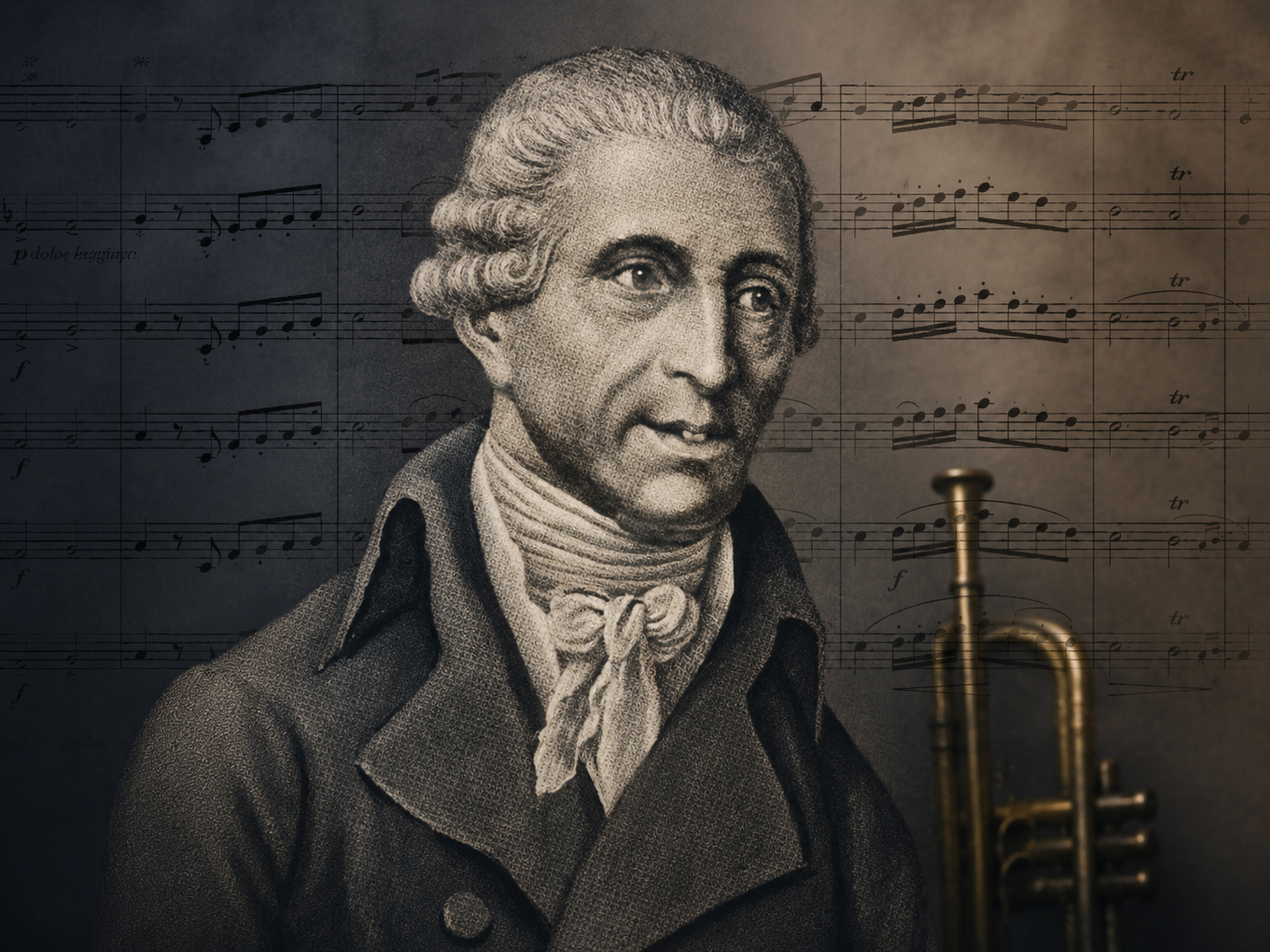
Parte 3 – Fine

Di Alfred Willener

Haydn’s trumpet concerto becomes a study of manuscript detail, performance choices, and the fragile ways listeners receive a familiar work.
The Haydn Trumpet Concerto

Before going on to part III of this article, I would like to return briefly to the question of the score. I have meanwhile received the microfilm of Haydn's manuscript. What an exciting experience that is! Seeing the living hand appear before me on the screen of the microfilm reader I have the impression of coming into direct contact with the composer. This is a mistake, of course, because one still has the job of deciphering the national conventions of the period and the subtleties of someone's handwriting. One is nonetheless closer to the intentions of the man whose mind produced the work. Another difficulty is that the manuscript was written quickly; the composer included some indications to the performer but probably not all since at the time this was not necessary (the style being familiar) or through oversight. All in all, I find the discrepancies between the score and the best editions not very great.

Here are some observations:

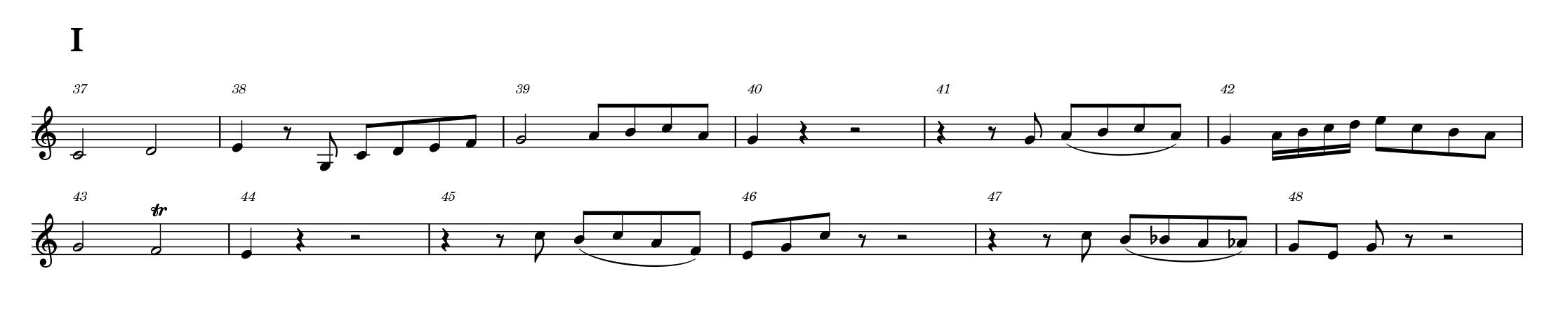
1. The solo trumpet (bar 8) begins f but contrary to the indications of several editions the beginning of the exposition of the theme (bar 37) carries no composer's marking, neither p (the marking for the orchestra) nor f as many editions prescribe: Extract 1. No slurs in any of the bars which carry them in several editions, even the better ones (bars 38, 39, 42, 46, 48). And, since slurs are marked elsewhere, the composer cannot be said to have left these distinctions to the performer's discretion.
Brass Bulletin image

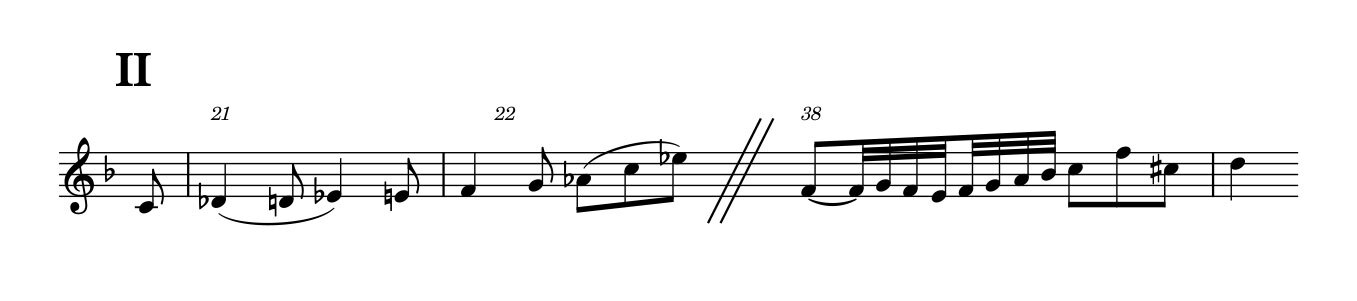
2. In the Andante the solo trumpet is in fact marked p. I will deal with the following passages for the sake of details which I consider and which are not dealt with in the published versions: Extracts 2. Bar 21 is almost always presented legato in groups of two notes or else legato throughout the bar; does the original not suggest a better reading? As for the three crucial notes in bar 38, perhaps the most controversial in the whole work (to judge from the performances), many editions mark them legato; according to my reading the original does not carry this marking (I shall verify this point when I see the original document in Vienna).
Brass Bulletin image

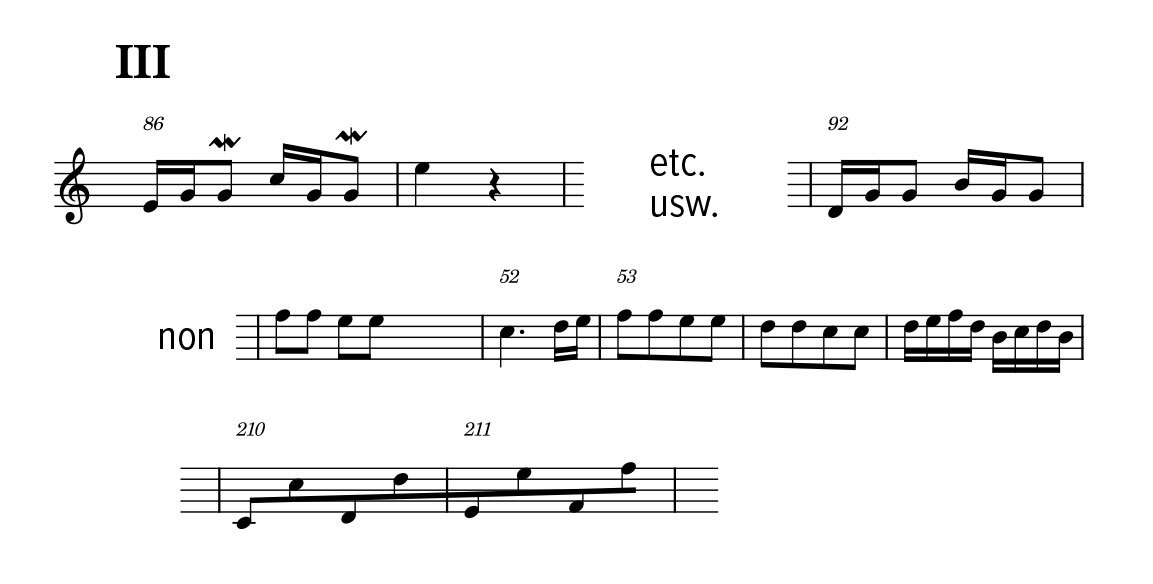
3. Finally, two details which are less important but perhaps should not be overlooked. The original vindicates the Redlich edition (bar 86). Thus this ornament starts with the lower note and the impression it makes when played like this is quite different: it stays "down", and does not express the idea of "going up". Now we all know that the performer is often something he should not be — the prisoner of notational conventions (an example is bar 53). Of course this text, not recopied by the author himself, bears the characteristics of an authentic first manuscript copy. It has been "thrown down on to the paper". The appearance of a whole, a structure, comes out of it (the groups of notes are well connected graphically and stand out as little living units). On the other hand the text also contains omissions and errors of detail. The way in which the octave jumps are written (bars 210, 211) might make one think: is this for something more than just ease of writing? An indication that the upper and lower notes are of equal importance?
Brass Bulletin image

III. The Reception

For a decade now the technological means of disseminating music — from the media to private recordings from discs — have been feeding music every day to such a number of people that one is apt to forget completely the limitations there are on access to the works. And if, for once, someone were to think, for example, about the dissemination of this concerto, he would be greatly tempted to say everyone has access to it, they only have to buy the record etc. In fact close examination of the problem reveals many obstacles, many more than one would imagine at first.

Continue reading

Accedi all’edizione digitale completa.

Brass Bulletin 37, I / 1982 pagine 30–38

Tutti i contenuti sono protetti dal diritto d’autore © Brass Bulletin 1982–2026

Condividi questo articolo

Facebook LinkedIn
Loading…

Domande e risposte

Come funziona l’edizione digitale

Che cosa comprende l’edizione digitale?

L’edizione digitale riunisce gli articoli già digitalizzati sotto forma di testi leggibili e ricercabili online — non semplicemente come scansioni o file PDF — insieme alle illustrazioni originali, alle note, agli autori, alle informazioni sul numero della rivista e alle traduzioni disponibili. I suggerimenti di articoli correlati comprendono attualmente solo questo materiale digitalizzato.

Gli articoli digitali sono identici agli originali?

Conserviamo il più fedelmente possibile il testo originale, la lingua, le illustrazioni, le didascalie, le note e il contesto editoriale. La presentazione viene adattata per una lettura confortevole online e gli evidenti errori di trascrizione o scansione possono essere corretti. Il contenuto e il carattere dell’articolo pubblicato rimangono invariati.

Quali lingue sono disponibili?

Brass Bulletin è stato pubblicato in inglese, francese e tedesco nel corso di tutta la sua storia. Le traduzioni italiane e spagnole sono state aggiunte a partire dal numero 60. Sui siti italiano e spagnolo, gli articoli dei numeri da 1 a 59 vengono quindi mostrati in inglese per impostazione predefinita.

Con quale frequenza vengono aggiunti nuovi articoli?

Nuovi articoli vengono aggiunti quasi ogni giorno, con circa un numero completo digitalizzato ogni settimana. Il ritmo può variare in base al lavoro di preparazione, elaborazione delle immagini e verifica editoriale necessario.

Perché non tutti gli articoli sono disponibili in formato digitale?

La collezione completa di Brass Bulletin comprende 1.246 articoli pubblicati tra il 1971 e il 2003. L’indice completo è già disponibile online e consente di scoprire tutti gli articoli della collezione, compresi quelli il cui testo integrale non è ancora stato digitalizzato.

La digitalizzazione è iniziata nel febbraio 2026. Ogni articolo viene accuratamente preparato per la lettura online, verificato e collegato al relativo numero, agli autori, agli argomenti e alle illustrazioni. Al ritmo attuale di digitalizzazione, la collezione completa dovrebbe essere disponibile online entro febbraio 2028.

Perché alcuni riferimenti citano articoli che non sono ancora disponibili?

I riferimenti presenti negli articoli originali vengono conservati anche quando il materiale a cui rimandano non è ancora stato digitalizzato. In questo modo si preserva l’integrità storica ed editoriale della rivista. Man mano che nuovi numeri vengono aggiunti all’edizione digitale, un numero crescente di questi riferimenti condurrà ad articoli leggibili online.

Posso suggerire un articolo o segnalare un errore di trascrizione?

Sì. Se desiderate che un determinato articolo venga digitalizzato, oppure se notate un possibile errore di trascrizione o un’informazione mancante, contattateci. I riscontri dei lettori ci aiutano a migliorare l’edizione digitale e a stabilire priorità utili all’interno dell’archivio.

Come posso sostenere Brass Bulletin?

Il vostro sostegno contribuisce a finanziare la preparazione, la verifica e la pubblicazione online dell’intera collezione.

Abbonati all’Edizione digitale

Preferite sostenerci senza abbonarvi?

Fate una donazione

Come procede la digitalizzazione?

Stiamo rendendo Brass Bulletin disponibile online gradualmente, articolo per articolo. Potete leggere gli articoli appena digitalizzati non appena sono pronti, anche prima che un intero numero sia completato.

Consultate il nostro calendario di digitalizzazione per scoprire le ultime aggiunte e le date di disponibilità stimate dei prossimi numeri. Le stime si basano sul nostro ritmo recente e possono cambiare.

Cerca in Brass Bulletin.