Rendete Brass Bulletin disponibile nella vostra università, nel vostro conservatorio o nella vostra biblioteca Scoprite l’accesso istituzionale

3 min di lettura

How and why I became a musician

Parte 1

Di Edouard Gros

How and why I became a musician

Edouard Gros

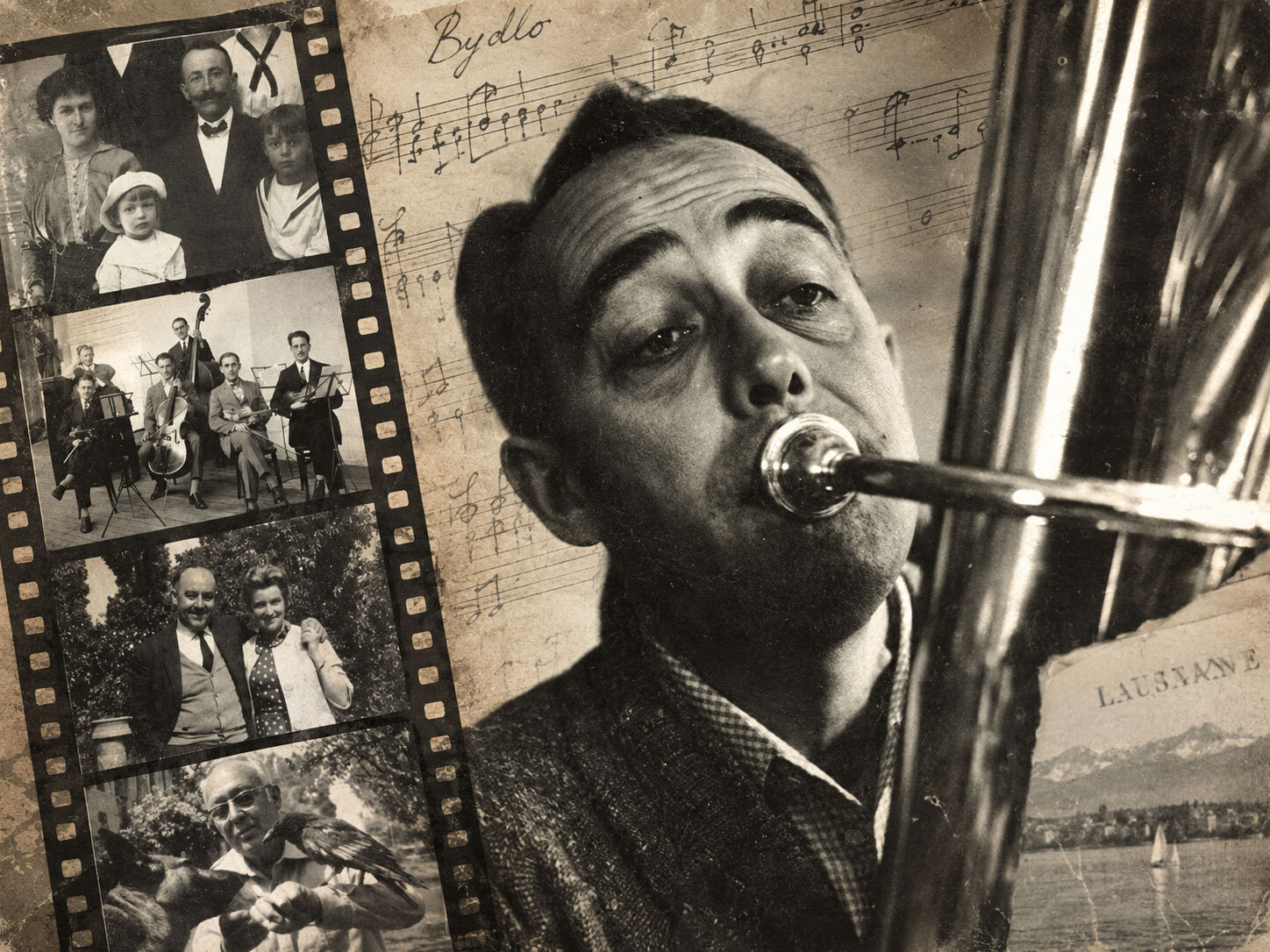
Edouard Gros has had a remarkable career in Switzerland playing double bass and tuba. (His reputation as a tuba player was exceptional. He was in demand everywhere, especially for the famous “Bydlo” solo in “Pictures from an Exhibition”.) He worked at the Lausanne Radio Orchestra, the Suisse Romande (with Ansermet) and finally the Berne Symphony, where he stayed for 32 years. He was a regular member of the Lucerne Festival Orchestra. In 1975 he retired and went to live on the shores of Lake Geneva, where he enjoys his friends, his pear trees and his wonderful memories; he is going to share some of the memories with us (in successive issues) in the rich and joyful language of a musician — and a man — who has made a success of his life. (jpm)

Brass Bulletin image

My father

My father, a professional double bass player, sometimes playing (valve) trombone or baritone in local bands, trumpet sergeant of the 122nd Battalion, used to say to anyone who would listen that his son would never, never be a musician; he would wring his neck or throw him into the lake with an anchor round his neck before he would let that happen.

In his defence let us remember that at that time, at the very beginning of the century, a musician’s life was not all fun. The great majority of symphony orchestras offered miserable contracts, usually six months, sometimes nine months and very occasionally a year. The least unfavourable solution for anyone who wanted to earn his living as a musician was to play for silent films; cinemas employed anything from a trio for westerns to fifteen or sixteen players for some films. There were also restaurants, cafés and hotels some of whose orchestras drew crowds from miles around. Some very great artists such as Francescatti, Szigeti or even Casals, they say, who were not then as famous as they became later, did not hesitate to “do restaurants”. Apart from these gentlemen there were also some who were not so good and some who were just bad. Debussy, for example, having a drink in a casino somewhere in Brittany, wrote to a friend, “The first violin of orchestra X, accompanied by his band of crooks, is in the course of massacring my music while the sea withdraws indignantly!”

Apart from the insecurity, do not let us forget the scorn which middle-class people had for musicians, who they compared to acrobats and other gypsies. (People in the Swiss canton of Vaud still say of someone who is a good-for-nothing, has wasted his life and is too fond of a drink, “What an artist!” [Quel artiste!].)

So that is why my father the double bass player dreamed of anything but that for his son, whom he actually loved a great deal. “You’ll be a civil servant”, he would say. “Yes! A civil servant. With a good pension. The railways, or the Post Office. Government jobs, they’re good, the best you can get. None of this ‘six or nine months a year’ but for life, do you understand, for life.” He was obsessed by retirement. And at six or seven years of age I could not envisage myself in a station-master’s cap or sitting behind a counter selling stamps. There was going to be trouble ahead.

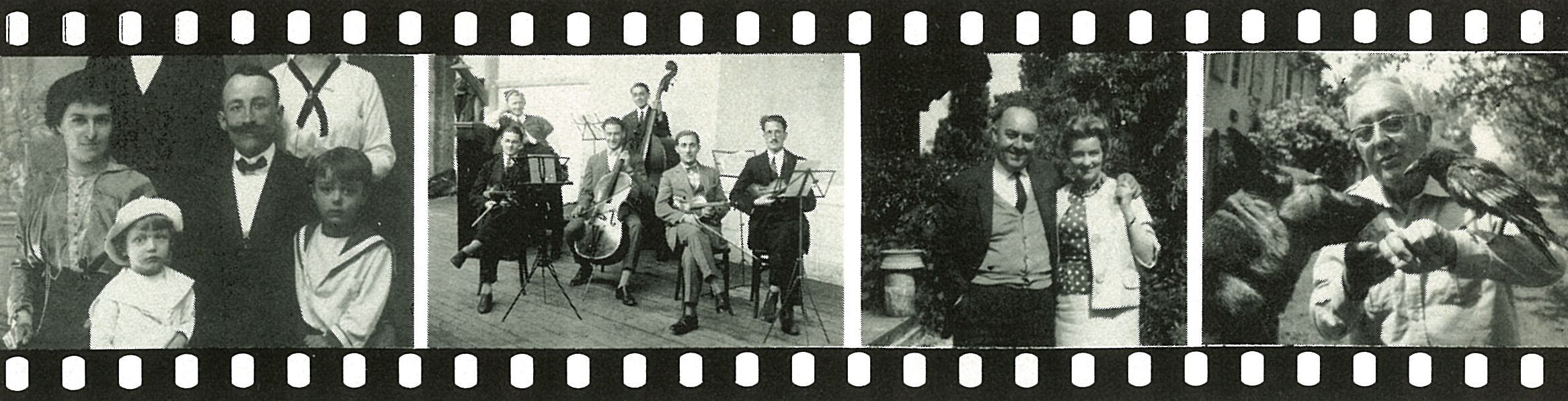
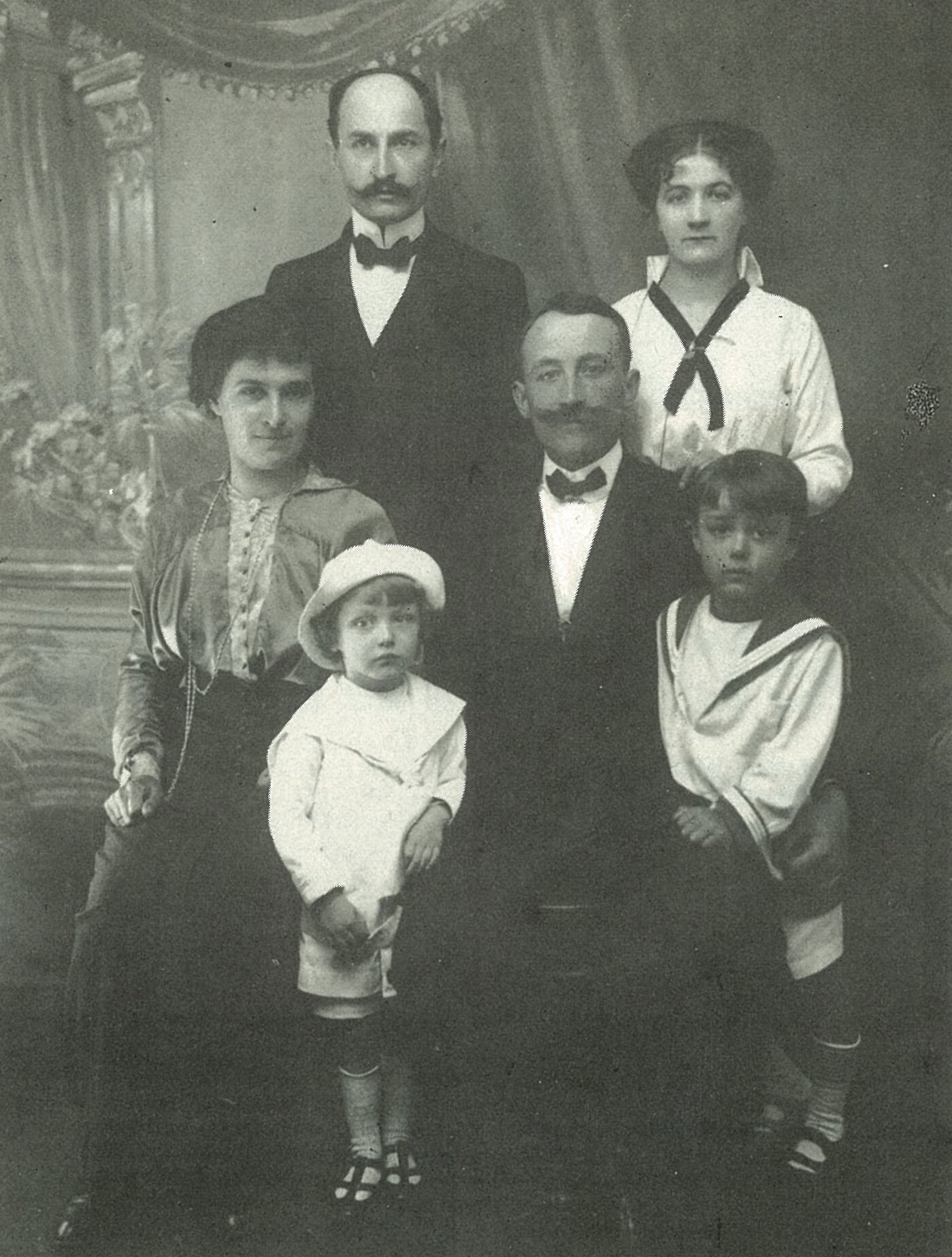
My father in the middle, my mother left and I sit on his right
My father in the middle, my mother left and I sit on his right

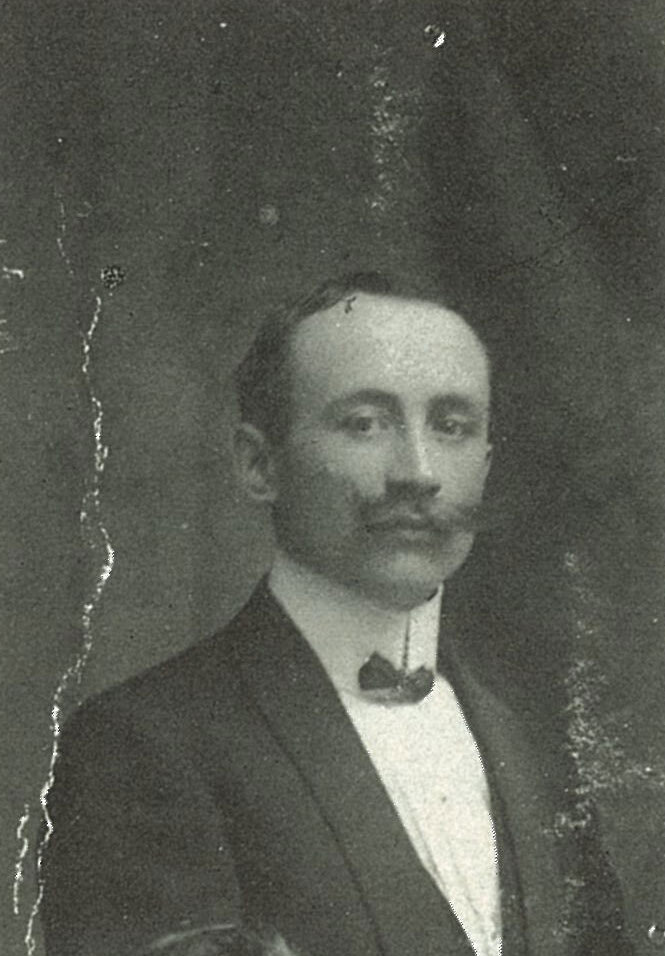
My father

My father

After all this, what do you make of a father who, although he did not want his son to be a musician, could think of nothing better than to send him to music theory lessons from the age of four or five? To salve his conscience he used to explain that a little music, amateur of course, never hurt anyone and that only an idiot could not tell an ascending scale from a descending scale. And then, of course, a bit of musical culture would always help you to appreciate symphony concerts and great soloists when you were older, wouldn’t it?

And that is why one day I was packed off to Mademoiselle Bouet de Montagnac. Yes, that was her name! A very old-fashioned French lady, as thin as a rake, short, and cannot have weighed more than six stone. She was also extremely ugly; to me as an unruly, mischievous lad, this was rendered attractive only by the fact that she had a moustache and beard like a navvy. She held a first prize from the Paris Conservatoire, adored her pupils and gave them an education which was of the greatest benefit later. Musical dictation in one part and in several parts, singing from music in several clefs, sight-reading, intonation — everything necessary for someone who wanted to enter this fine career. She also asked her pupils’ parents not to give them an instrument until after they had a solid basis of theory. She reckoned a minimum of four to five years for this whereas nowadays people start on their chosen instrument right away and are happy to polish up their theory later. I will not be so bold as to say which method is better.
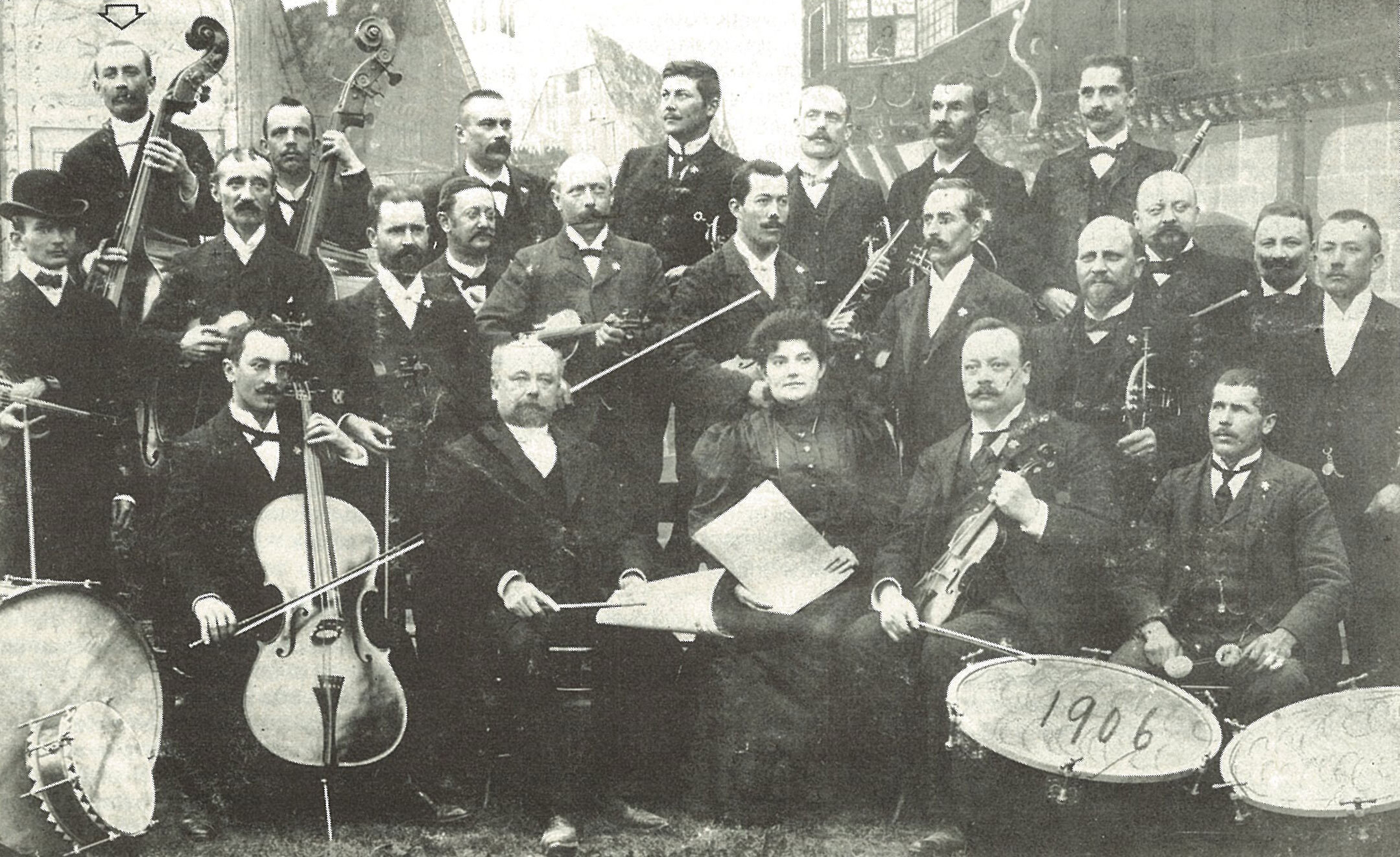
My father at the double bass

My father at the double bass

My mother

At that time my mother never missed an opportunity to take me to the marvellous quintet concerts (piano, 2 violins, cello and double bass) at the Hôtel de la Paix in Lausanne where my father played. You have to smile when you realise that this kid of six or seven, fascinated by the music of Rimsky, Borodin or Fritz Kreisler, was even more fascinated by his father, tall, blond, with his carefully trimmed and impressive moustache, playing beneath a palm tree. How he was to be envied for being able to play beneath a palm tree.

...and I

I used to dream about this at night; I could still hear the admirable and adorable cellist Henri Plomb playing the many solos which the regulars never tired of asking him to play. That is how my decision came to be taken, quite firmly, even at that early age. That, and nothing else, was what I would do when I grew up although I did not know then that I would never once, in all my time as a musician, play beneath a palm tree, be it one which stood in a pot or one which grew on a Pacific island.

Finally, and to conclude this chapter, in the long-established tradition of sons who never (hardly ever) do what their fathers want, that is why I became a musician. If you like, I will tell you next time about how and under what circumstances.

(To be continued)
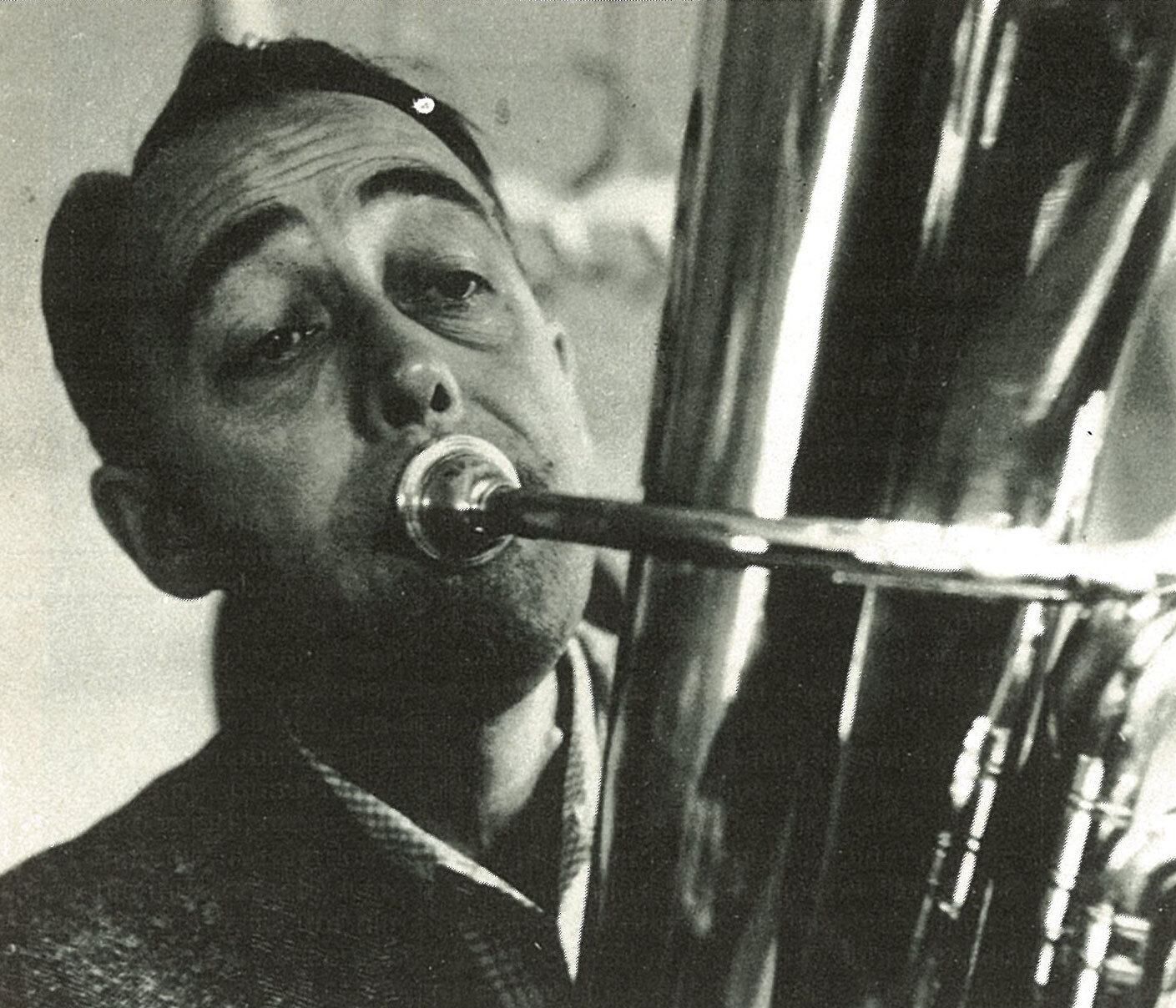
Edouard Gros
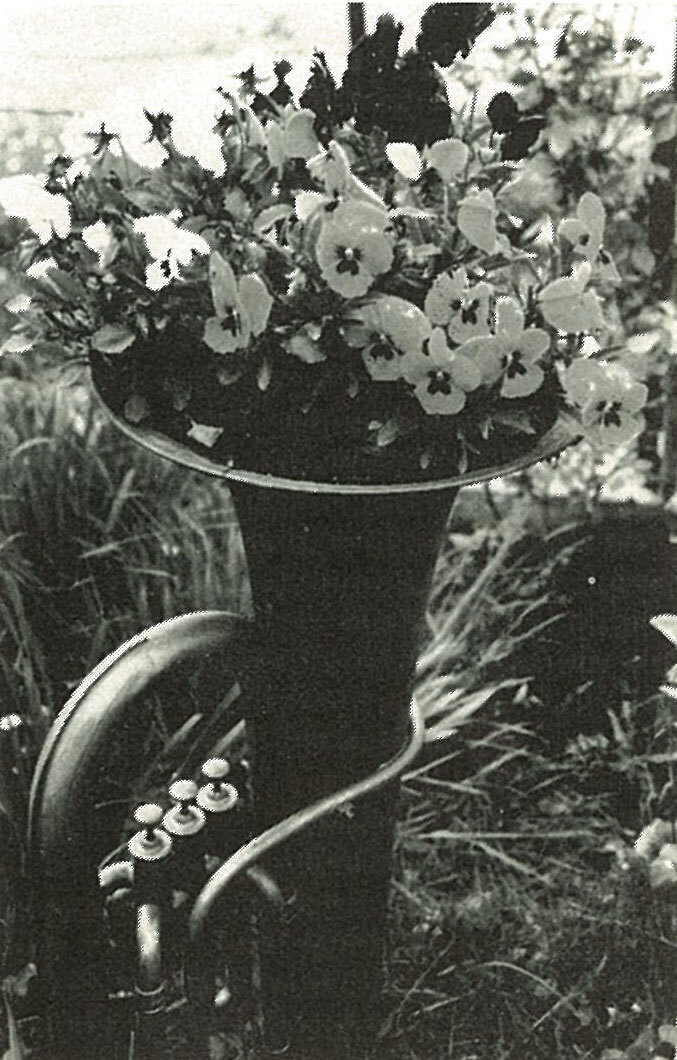
Edouard Gros

Brass Bulletin gallery image

Notes

¹ Canton de Suisse romande

² Chemins de Fers fédéraux, compagnie nationale

³ Poste, Téléphone, Télégraphe, compagnie nationale

Brass Bulletin 50, II / 1985 pagine 69–73

Tutti i contenuti sono protetti dal diritto d’autore © Brass Bulletin 1985–2026

Condividi questo articolo

Facebook LinkedIn
Loading…

Domande e risposte

Come funziona l’edizione digitale

Che cosa comprende l’edizione digitale?

L’edizione digitale riunisce gli articoli già digitalizzati sotto forma di testi leggibili e ricercabili online — non semplicemente come scansioni o file PDF — insieme alle illustrazioni originali, alle note, agli autori, alle informazioni sul numero della rivista e alle traduzioni disponibili. I suggerimenti di articoli correlati comprendono attualmente solo questo materiale digitalizzato.

Gli articoli digitali sono identici agli originali?

Conserviamo il più fedelmente possibile il testo originale, la lingua, le illustrazioni, le didascalie, le note e il contesto editoriale. La presentazione viene adattata per una lettura confortevole online e gli evidenti errori di trascrizione o scansione possono essere corretti. Il contenuto e il carattere dell’articolo pubblicato rimangono invariati.

Quali lingue sono disponibili?

Brass Bulletin è stato pubblicato in inglese, francese e tedesco nel corso di tutta la sua storia. Le traduzioni italiane e spagnole sono state aggiunte a partire dal numero 60. Sui siti italiano e spagnolo, gli articoli dei numeri da 1 a 59 vengono quindi mostrati in inglese per impostazione predefinita.

Con quale frequenza vengono aggiunti nuovi articoli?

Nuovi articoli vengono aggiunti quasi ogni giorno, con circa un numero completo digitalizzato ogni settimana. Il ritmo può variare in base al lavoro di preparazione, elaborazione delle immagini e verifica editoriale necessario.

Perché non tutti gli articoli sono disponibili in formato digitale?

La collezione completa di Brass Bulletin comprende 1.246 articoli pubblicati tra il 1971 e il 2003. L’indice completo è già disponibile online e consente di scoprire tutti gli articoli della collezione, compresi quelli il cui testo integrale non è ancora stato digitalizzato.

La digitalizzazione è iniziata nel febbraio 2026. Ogni articolo viene accuratamente preparato per la lettura online, verificato e collegato al relativo numero, agli autori, agli argomenti e alle illustrazioni. Al ritmo attuale di digitalizzazione, la collezione completa dovrebbe essere disponibile online entro febbraio 2028.

Perché alcuni riferimenti citano articoli che non sono ancora disponibili?

I riferimenti presenti negli articoli originali vengono conservati anche quando il materiale a cui rimandano non è ancora stato digitalizzato. In questo modo si preserva l’integrità storica ed editoriale della rivista. Man mano che nuovi numeri vengono aggiunti all’edizione digitale, un numero crescente di questi riferimenti condurrà ad articoli leggibili online.

Posso suggerire un articolo o segnalare un errore di trascrizione?

Sì. Se desiderate che un determinato articolo venga digitalizzato, oppure se notate un possibile errore di trascrizione o un’informazione mancante, contattateci. I riscontri dei lettori ci aiutano a migliorare l’edizione digitale e a stabilire priorità utili all’interno dell’archivio.

Come posso sostenere Brass Bulletin?

Il vostro sostegno contribuisce a finanziare la preparazione, la verifica e la pubblicazione online dell’intera collezione.

Abbonati all’Edizione digitale

Preferite sostenerci senza abbonarvi?

Fate una donazione

Cerca in Brass Bulletin.