Rendete Brass Bulletin disponibile nella vostra università, nel vostro conservatorio o nella vostra biblioteca Scoprite l’accesso istituzionale

4 min di lettura

Cleveland Orchestra Audition in 1966

Cleveland Orchestra Audition in 1966

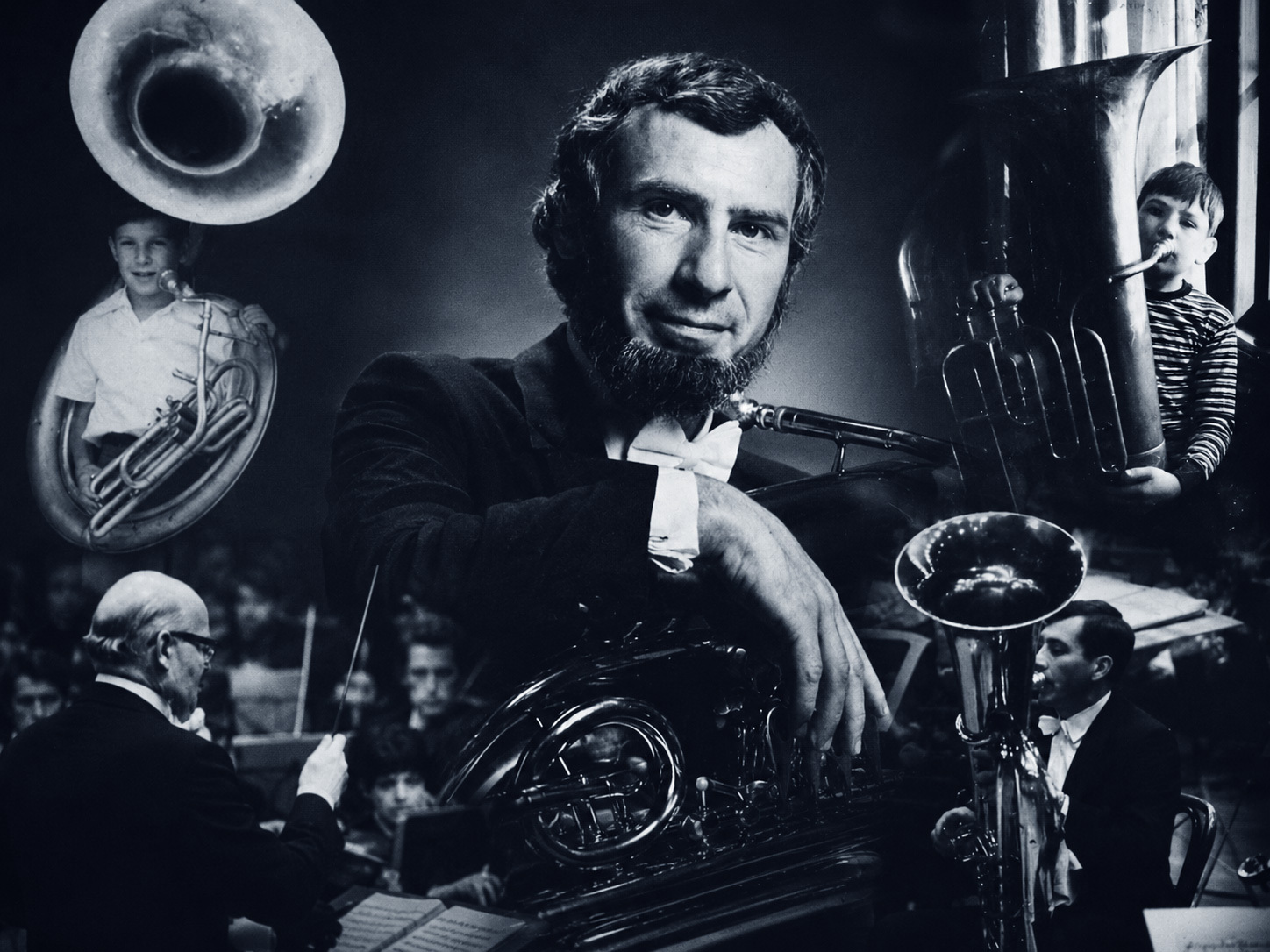
Ronald Bishop has been principal tuba with the Cleveland Orchestra since 1967. He teaches at the Cleveland Institute of Music, Oberlin Conservatory of Music, and Baldwin-Wallace College. He is also Associate Editor (Tuba Pedagogy) of the T.U.B.A. Journal.

It was a dull, grey sky that welcomed me to Cleveland that October morning. I had doubts about my presence there, having come from beautiful San Francisco. The orchestra was rehearsing when I arrived at Severance Hall and it was obvious when I heard them why I was in Cleveland!

My audition — a command performance for George Szell — was scheduled for four o'clock in the afternoon following the second rehearsal of that day. Before the audition Szell remarked that my résumé stated that I had started playing the tuba at the age of seven. When he asked why, I told him that I guessed I just didn't know any better! When his infamous laugh died away, he asked me to play a three-octave major scale in a "flat key" and then a three-octave melodic minor scale in a "sharp key". I chose E-flat without telling him and when I finished he said, "Since you have played E-flat major, why don’t you play e minor?" (He had "perfect pitch" in addition to his many other attributes.)

Szell then asked me to play the solo from Eine Faust Ouvertüre by Wagner. He made some suggestions and had me play it again. I am certain that Szell was testing my ability to take instructions.

In quick succession Szell then asked me to play most of the excerpts from the list which follows: Academic Festival Overture, Brahms • Second Symphony, Brahms • First Symphony, third movement, Mahler • Damnation of Faust, Hungarian March, Berlioz • Lieutenant Kijé, Prokofiev • Die Meistersinger, Prelude, Wagner • Symphonie fantastique, March to the Scaffold, Berlioz • Fourth and Sixth Symphonies, Tchaikovsky.

Then, with the entire trombone section, I was called upon to play excerpts from the fourth movement of the second symphony of Brahms and parts of the sixth symphony of Tchaikovsky — including the extremely soft chords near the end of the last movement.

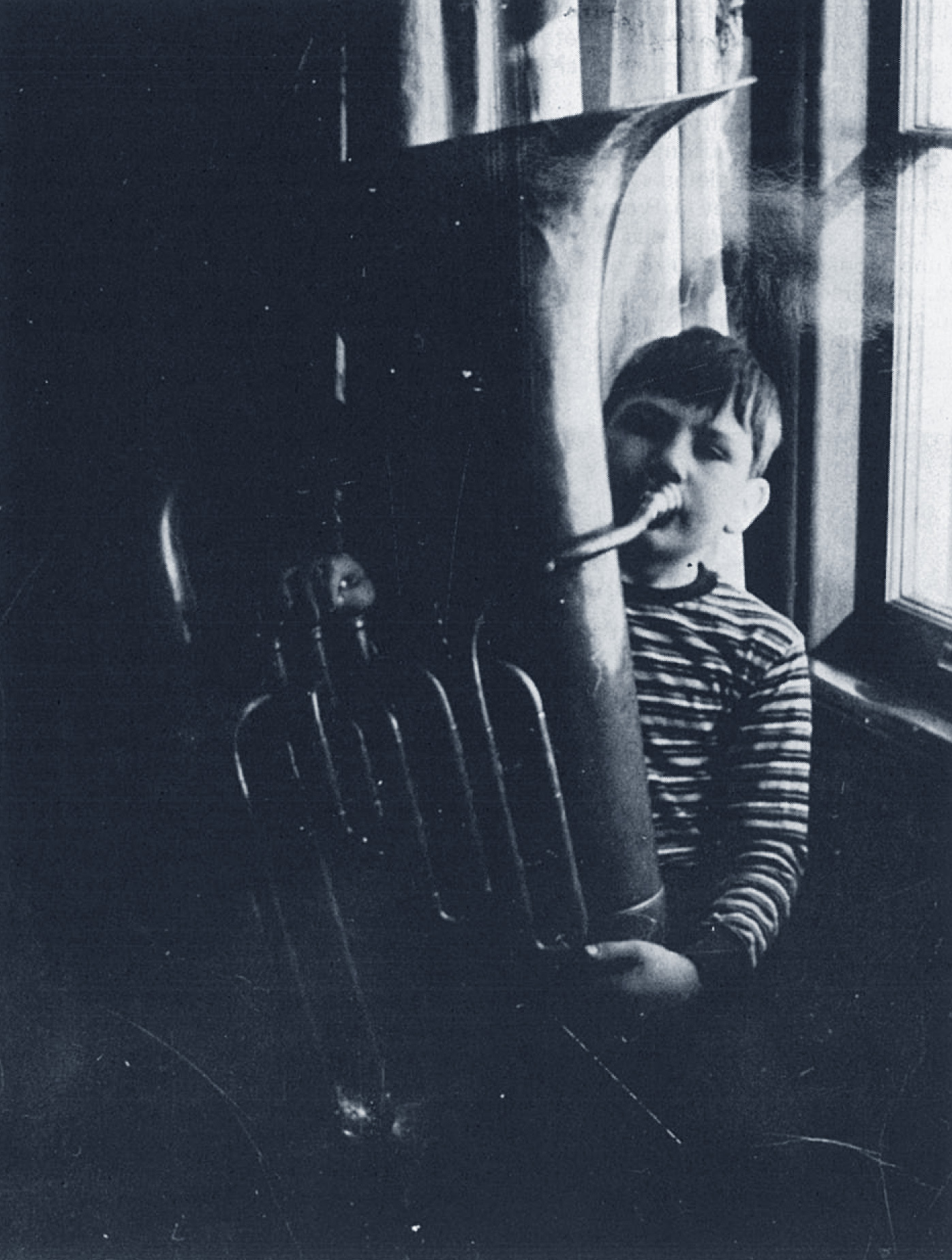
Ronald Bishop playing the tuba at the age of 8
Ronald Bishop playing the tuba at the age of 8

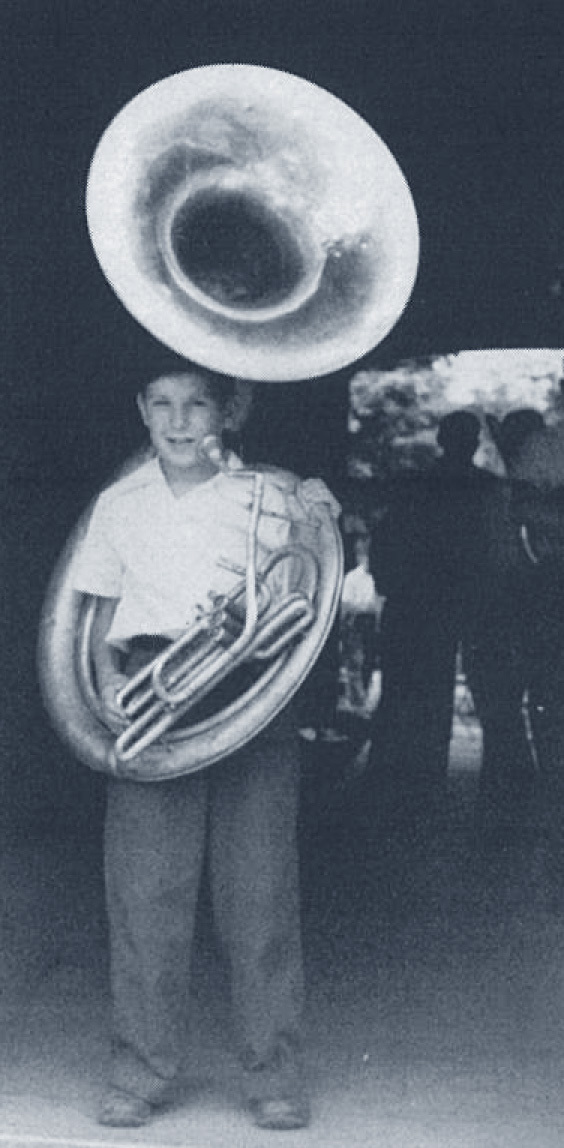
Ronald Bishop with sousaphone (age 11)

Ronald Bishop with sousaphone (age 11)

To play with the trombone section was a thrill for me. It also provided Szell with an excellent opportunity to hear how I fit in: did my attacks and releases sound like the others? Was my intonation satisfactory and, if there was a problem, did I adjust quickly and correctly? Did I match their dynamic?

With the bass trombone I played excerpts from Prokofiev's Romeo and Juliet, the same composer's fifth symphony and the B major promenade from Pictures at an Exhibition by Moussorgsky. Ed Anderson, who had arranged the audition, had been bass trombonist in the Buffalo Philharmonic with Josef Krips when I played there for three seasons before going to the San Francisco Symphony and Opera Orchestra. To play octaves again with him on that resonant stage into that empty hall was and still is a privilege.

I was alone on stage again and I played the following excerpts: Symphonic Metamorphoses, 2nd movement, Hindemith • Petrushka, Peasant with Bear, Stravinsky • Don Juan, Strauss • Till Eulenspiegel, Strauss • Ein Heldenleben, Strauss • Symphony in d minor, Franck • Symphonies 7, 8, Bruckner • An American in Paris, Gershwin • Resonances, Chavez • Benvenuto Cellini, Overture, Berlioz.

And I recall I also played something from the Bruckner Ninth and a few years later I recorded the Eighth with Szell and the Cleveland Orchestra.

Louis Lane, who at that time was Szell's Assistant Conductor, had me play the solo from An American in Paris as he was responsible for Pops Concerts among his other duties.
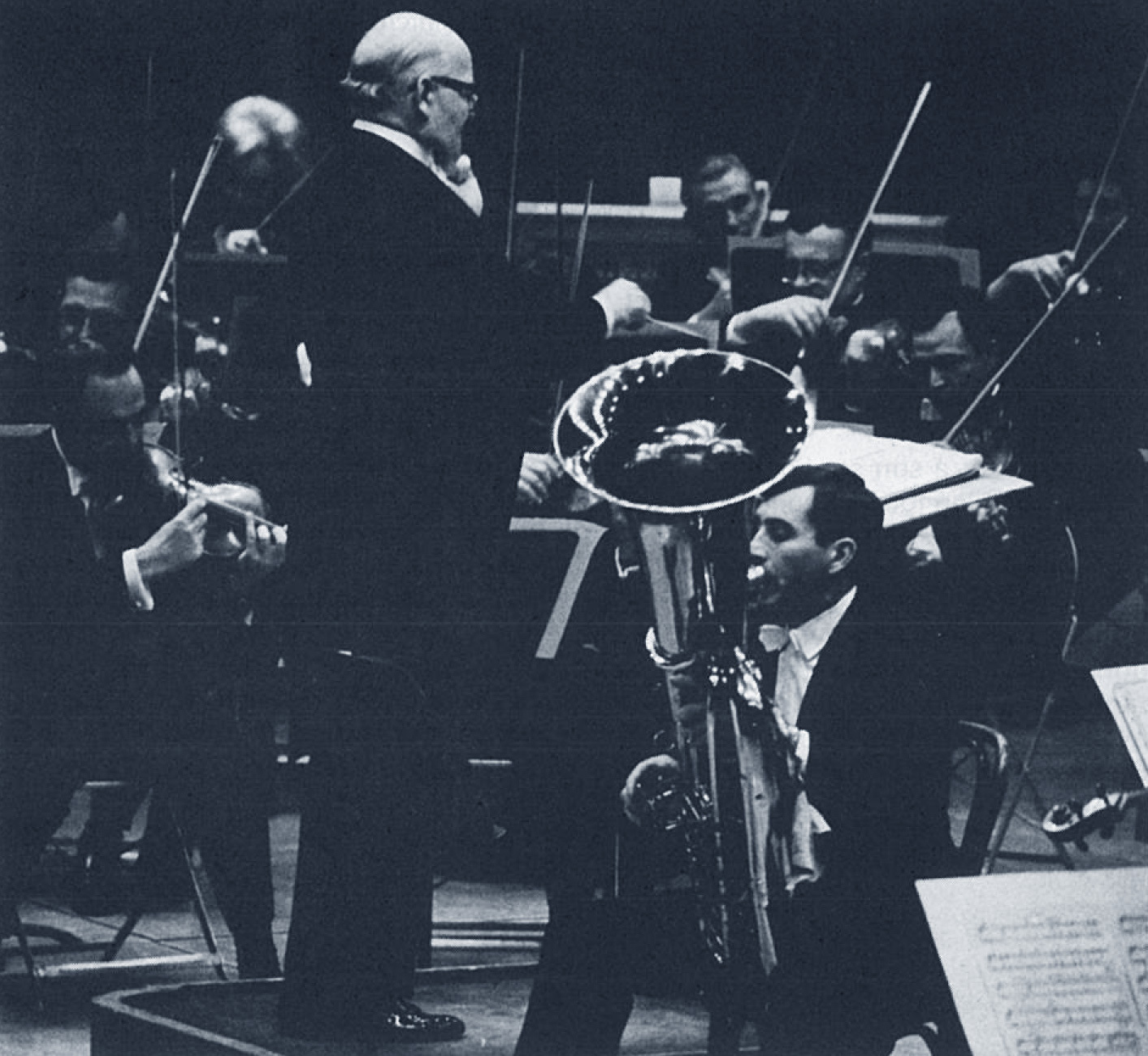
Ronald Bishop playing the Vaughan Williams Tuba Concerto with the San Francisco Symphony, Josef Krips conducting (1965)

Ronald Bishop playing the Vaughan Williams Tuba Concerto with the San Francisco Symphony, Josef Krips conducting (1965)

Mr. Lane also conducted Resonances by Chavez for me and Szell, who was out in the hall listening, asked me to play the section again but louder. The passage was a half note triplet and whole note figure in fortissimo at a very slow tempo. I played it louder the second time and I thought it was pretty loud in that lively hall. Again he asked if I could play it louder still!

I was a bit surprised by this as Szell always kept the brasses "down at a reasonable dynamic level" which of course was a good start for achieving the incredible balance which was his hallmark. I was close to having to "zortch" in order to play any louder and I explained that I would have to break the phrase and maybe even take a breath in the middle of a whole note due to the dynamic and tempo. He said he understood and that it would be all right to do that.

He never again had me play as loudly for him. About two years after my audition he commented that the volume I was able to produce was amazing! (Although he never used it, I suppose he just wanted to know it was there in case he needed it.)
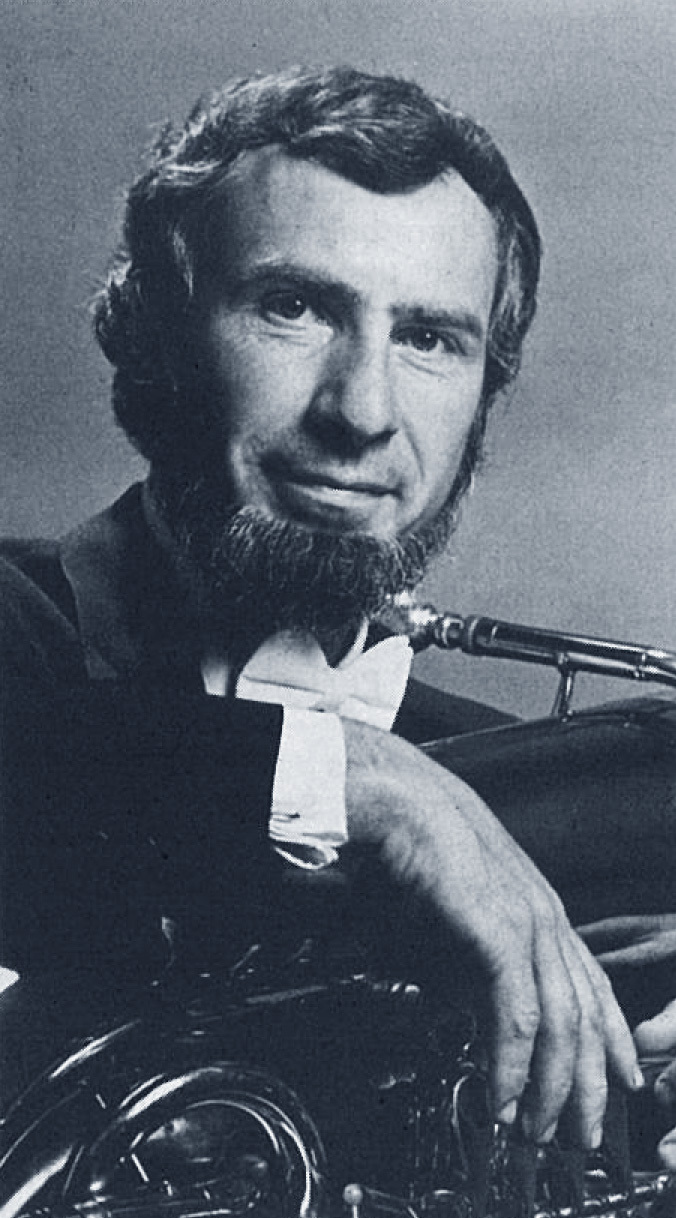
Ronald Bishop (1979)

Ronald Bishop (1979)

The next piece was Tannhäuser and, as I had just finished several performances of it with the San Francisco Opera, I did not expect any surprises. At the time I was unaware that there are two versions of the work: "Dresden" and "Paris", so the F-sharp above the staff in the Venusberg Music did come as a bit of a surprise.

I felt I had won the audition by this time but Szell wanted me to play the Benvenuto Cellini overture by Berlioz as it was the last thing on the music stand. Somewhere I played a wrong note. Szell asked me the key of my tuba and I told him CC. He then told me that the note I had missed should have been fingered with the first valve — he was right!

As we walked up to his studio he told me that I had played very well and that he wanted to offer me a contract.

I asked if I could phone my wife in California and discuss it with her and he said that I had twenty minutes to do so and if I didn't want the job he had a man waiting who did.

I took the job!

Brass Bulletin 31, III / 1980 pagine 67–70

Tutti i contenuti sono protetti dal diritto d’autore © Brass Bulletin 1980–2026

Condividi questo articolo

Facebook LinkedIn
Loading…

Domande e risposte

Come funziona l’edizione digitale

Che cosa comprende l’edizione digitale?

L’edizione digitale riunisce gli articoli già digitalizzati sotto forma di testi leggibili e ricercabili online — non semplicemente come scansioni o file PDF — insieme alle illustrazioni originali, alle note, agli autori, alle informazioni sul numero della rivista e alle traduzioni disponibili. I suggerimenti di articoli correlati comprendono attualmente solo questo materiale digitalizzato.

Gli articoli digitali sono identici agli originali?

Conserviamo il più fedelmente possibile il testo originale, la lingua, le illustrazioni, le didascalie, le note e il contesto editoriale. La presentazione viene adattata per una lettura confortevole online e gli evidenti errori di trascrizione o scansione possono essere corretti. Il contenuto e il carattere dell’articolo pubblicato rimangono invariati.

Quali lingue sono disponibili?

Brass Bulletin è stato pubblicato in inglese, francese e tedesco nel corso di tutta la sua storia. Le traduzioni italiane e spagnole sono state aggiunte a partire dal numero 60. Sui siti italiano e spagnolo, gli articoli dei numeri da 1 a 59 vengono quindi mostrati in inglese per impostazione predefinita.

Con quale frequenza vengono aggiunti nuovi articoli?

Nuovi articoli vengono aggiunti quasi ogni giorno, con circa un numero completo digitalizzato ogni settimana. Il ritmo può variare in base al lavoro di preparazione, elaborazione delle immagini e verifica editoriale necessario.

Perché non tutti gli articoli sono disponibili in formato digitale?

La collezione completa di Brass Bulletin comprende 1.246 articoli pubblicati tra il 1971 e il 2003. L’indice completo è già disponibile online e consente di scoprire tutti gli articoli della collezione, compresi quelli il cui testo integrale non è ancora stato digitalizzato.

La digitalizzazione è iniziata nel febbraio 2026. Ogni articolo viene accuratamente preparato per la lettura online, verificato e collegato al relativo numero, agli autori, agli argomenti e alle illustrazioni. Al ritmo attuale di digitalizzazione, la collezione completa dovrebbe essere disponibile online entro febbraio 2028.

Perché alcuni riferimenti citano articoli che non sono ancora disponibili?

I riferimenti presenti negli articoli originali vengono conservati anche quando il materiale a cui rimandano non è ancora stato digitalizzato. In questo modo si preserva l’integrità storica ed editoriale della rivista. Man mano che nuovi numeri vengono aggiunti all’edizione digitale, un numero crescente di questi riferimenti condurrà ad articoli leggibili online.

Posso suggerire un articolo o segnalare un errore di trascrizione?

Sì. Se desiderate che un determinato articolo venga digitalizzato, oppure se notate un possibile errore di trascrizione o un’informazione mancante, contattateci. I riscontri dei lettori ci aiutano a migliorare l’edizione digitale e a stabilire priorità utili all’interno dell’archivio.

Come posso sostenere Brass Bulletin?

Il vostro sostegno contribuisce a finanziare la preparazione, la verifica e la pubblicazione online dell’intera collezione.

Abbonati all’Edizione digitale

Preferite sostenerci senza abbonarvi?

Fate una donazione

Come procede la digitalizzazione?

Stiamo rendendo Brass Bulletin disponibile online gradualmente, articolo per articolo. Potete leggere gli articoli appena digitalizzati non appena sono pronti, anche prima che un intero numero sia completato.

Consultate il nostro calendario di digitalizzazione per scoprire le ultime aggiunte e le date di disponibilità stimate dei prossimi numeri. Le stime si basano sul nostro ritmo recente e possono cambiare.

Cerca in Brass Bulletin.