Explore institutional access →

Complete articles index

Browse Brass Bulletin articles published since 1971. Search by topic, subject, instrument, author, series or issue, with new material added as the digital edition grows.
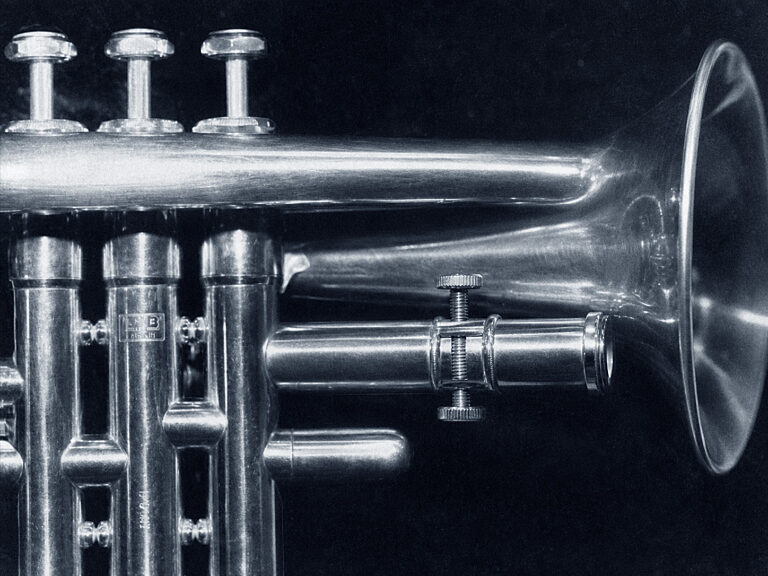
The bell-tuning trumpet Member
No. 26 • 1979 Digitized

The bell-tuning trumpet

Colin Bloch examines bell- and slide-tuned trumpets, comparing intonation patterns through controlled tests and outlining structural causes behind observed deviations.

By Colin Bloch

Equipment Acoustics Intonation Instrument making Sound
No. 121 • 2003 Awaiting digitization

Jon Sass - Confidences of a happy tuba player

By Jon Sass
Encounters
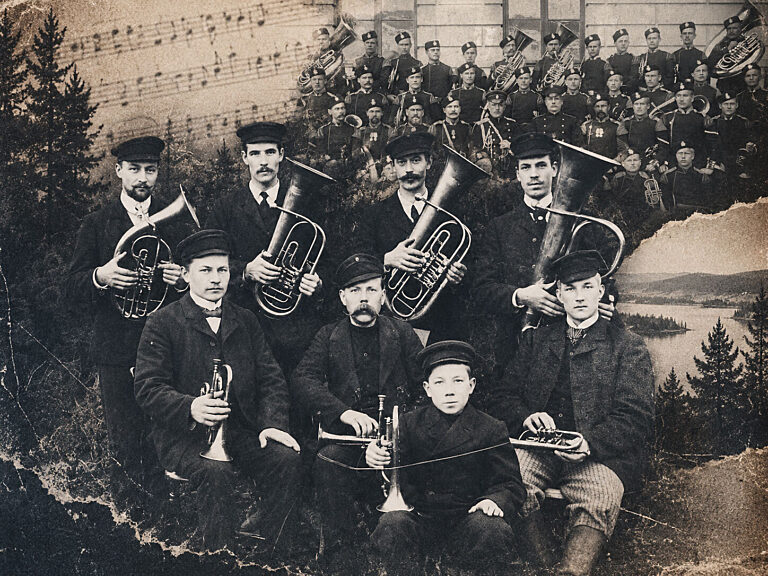
A brief survey of the history of the Finnish brass music Member
No. 53 • 1986 Digitized

Special Finland

A brief survey of the history of the Finnish brass music

Finland’s brass identity grew between Russian military traditions and Western orchestral models, turning competing influences into a distinctive national voice.

By Simo Kanerva

History
No. 110 • 2000 Awaiting digitization

Part 2

The importance of music education in society today

By Heinz Preiss

No. 67 • 1989 Awaiting digitization

Part 2

Does Jazz still have a soul?

By Michel Laplace

Society Jazz
No. 62 • 1988 Awaiting digitization

Théo Mertens

Portrait

By Jean-Pierre Mathez

Encounters
No. 104 • 1998 Awaiting digitization

Part 2

The history of King & Benge instruments

By Jean-Pierre Mathez

Report History Equipment
No. 105 • 1999 Awaiting digitization

Trombone Attachements - Trends and development

By Benny Sluchin

Equipment
No. 69 • 1990 Awaiting digitization

Costa-Rica: contact!

By Jean-Pierre Mathez

Report
No. 99 • 1997 Awaiting digitization

Michael Thompson, Off-the-cuff commentary

By Jean-Pierre Mathez

Competition
No. 121 • 2003 Awaiting digitization

Part 7

The instrumental player’s maintenance and development

The opinion of an expert

By James Thompson

Teaching
No. 101 • 1998 Awaiting digitization

Thomas Rowlandson (1756-1827), Erotico-satirical drawings

By John Wallace

History
No. 101 • 1998 Awaiting digitization

Part 2

James Stamp Master in listening

Buzzing: practicing with the lips alone

By Jean-Christophe Wiener
Teaching
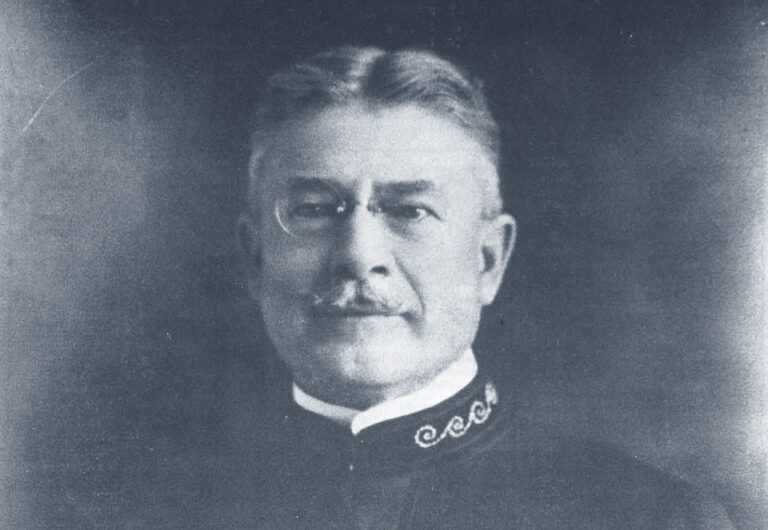
Herbert L. Clarke (1867-1945) Member
No. 19 • 1977 Digitized

Part 2

Herbert L. Clarke (1867-1945)

Crucial Years

From illness and doubt to early triumph: Clarke’s “crucial years” reveal a fragile path—where talent, chance, and setbacks nearly drove a future legend away from music.

By David Hickman

History
No. 94 • 1996 Awaiting digitization

Fred Mills, exit Canadian Brass, new future

By Jean-Pierre Mathez

Encounters
No. 69 • 1990 Awaiting digitization

German Brass, Talent and Dynamite

By Jean-Pierre Mathez

Encounters
No. 83 • 1993 Awaiting digitization

Mouthpieces made from precious woods

By Maurice Benterfa
Equipment
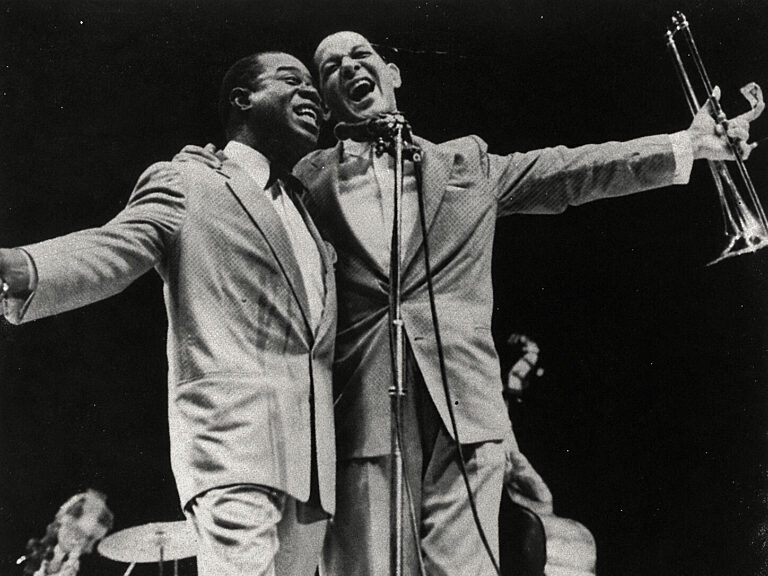
The trombone in Jazz and Popular Music Member
No. 51 • 1985 Digitized

Part 2

The trombone in Jazz and Popular Music

The classical Armstrong period (1927-1945)

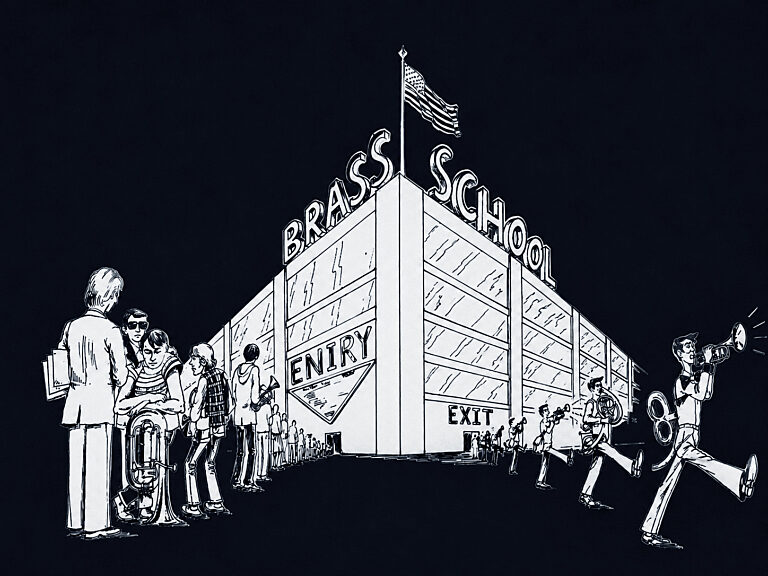
Jazz trombone changed rapidly between 1927 and 1945, as Armstrong’s influence, big-band playing and new techniques transformed both its language and sound.

By Michel Laplace
History Jazz
The Audition System Free
No. 35 • 1981 Digitized

The Audition System

Why American Musicians Emigrate?

Behind orchestral vacancies in North America, travel costs, subjective selection and hidden hiring practices help explain a growing flow of musicians abroad.

By David P. Searfoss

Professional life Society Auditions Orchestral playing Sociology
No. 90 • 1995 Awaiting digitization

Bernhard Krol

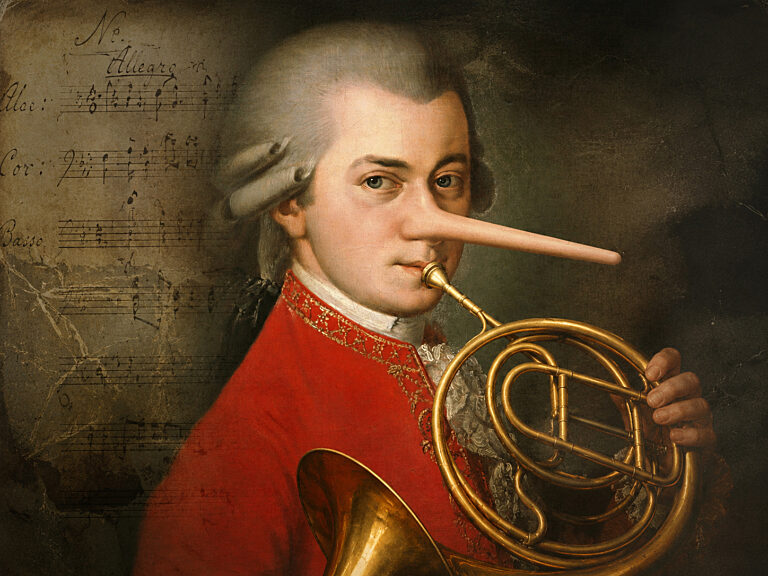
At 75! A look back on a life

By Bernhard Krol
Encounters
Why pretend to be Mozart? Free
No. 14 • 1976 Digitized

Why pretend to be Mozart?

Reply to Bernhard Krol

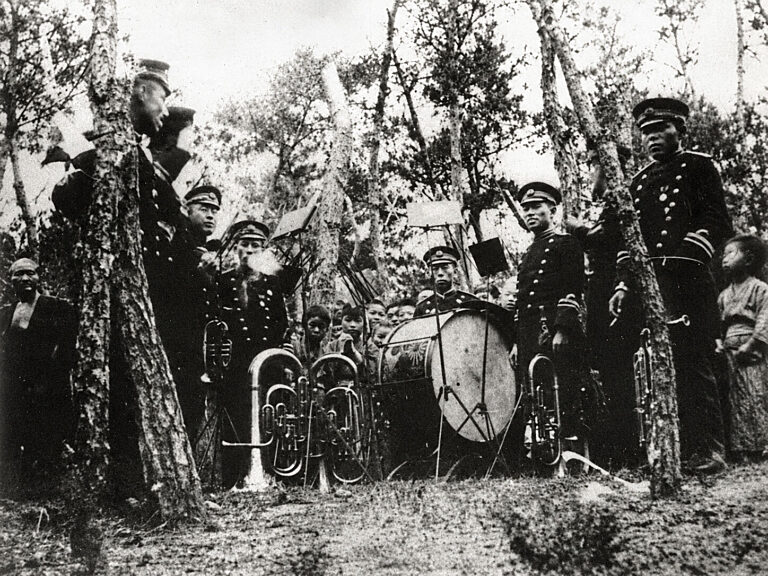
Should a cadenza imitate Mozart? Peter Damm argues for stylistic fidelity without imitation—at the heart of a debate with Bernhard Krol.

By Peter Damm
Repertoire Interpretation Ornaments Ideas
The Oldest Concert Band in Japan Free
No. 54 • 1986 Digitized

The Oldest Concert Band in Japan

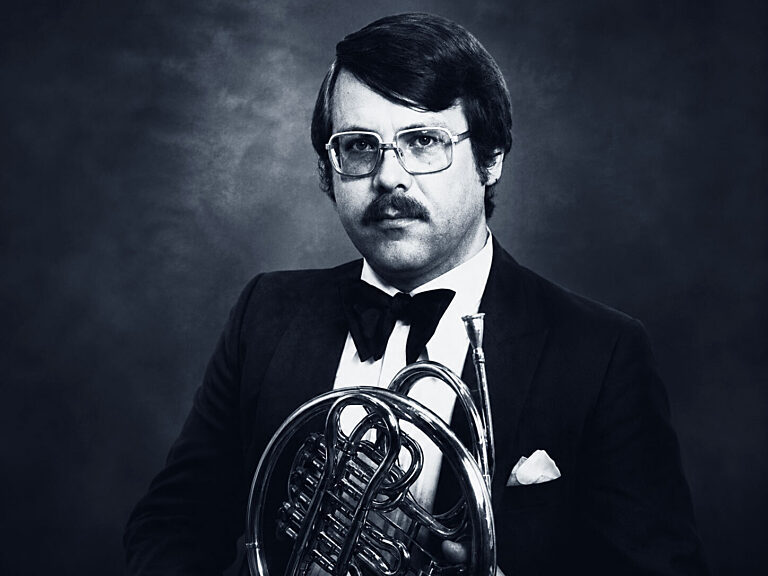
Founded in 1895 by a local banker, Ichinomiya’s municipal band survived war and changing musical traditions, preserving a remarkable chapter of Japan’s musical history.

By Michio Sugihara
History Band
Interview with Hans Pizka Free
No. 36 • 1981 Digitized

Interview with Hans Pizka

From Vienna horn traditions and natural-horn training to orchestral style and pedagogy, Hans Pizka reflects on the foundations of horn playing and musical identity.

By Jeffrey Agrell

Encounters Teaching Equipment Historical instruments Orchestral playing
No. 121 • 2003 Awaiting digitization

Editorial

By Jean-Pierre Mathez

Loading…

Questions & Answers

How the Digital Edition works

What does the Digital Edition include?

The Digital Edition brings together the articles already digitized as searchable online texts—not simply as scans or PDF files—along with their original illustrations, notes, authorship, issue information, and available translations. Related-article suggestions currently include only this digitized material.

Are the digital articles identical to the originals?

We preserve the original text, language, illustrations, captions, footnotes, and editorial context as faithfully as possible. The presentation is adapted for comfortable online reading, and obvious transcription or scanning errors may be corrected. The substance and character of the published article remain unchanged.

Which languages are available?

Brass Bulletin was published in English, French, and German throughout its history. Italian and Spanish translations were added from issue No. 60 onward.

On the Italian and Spanish sites, articles from issues 1–59 are therefore shown in English by default.

How often are new articles added?

New articles are added almost daily, with approximately one complete issue digitized each week. The pace may vary depending on the preparation, image work, and editorial checking required.

Why aren’t all articles available digitally?

The complete Brass Bulletin collection contains 1,246 articles published between 1971 and 2003. The full index is already available online, allowing readers to discover every article in the collection, including those whose complete text has not yet been digitized.

Digitization began in February 2026. Each article is carefully prepared for online reading, checked, and connected to its issue, authors, subjects, and illustrations. At the current pace of digitization, the complete collection is expected to be available online by February 2028.

Why do some references mention articles that are not available yet?

References in the original articles are preserved even when the material they point to has not yet been digitized. This keeps the historical and editorial record intact. As more issues are added to the Digital Edition, an increasing number of these references will lead to articles that can be read online.

Can I suggest an article or report a transcription error?

Yes. If there is an article you would particularly like to see digitized, or if you notice a possible transcription error or missing detail, please contact us. Reader feedback helps us improve the Digital Edition and prioritize useful connections within the archive.

How can I support Brass Bulletin?

Your support helps fund the preparation, verification, and online publication of the complete collection.

Subscribe to the Digital Edition

Prefer to support us without subscribing?

Make a donation

How is the digitization progressing?

We’re gradually making the Brass Bulletin available online, article by article. You can read newly digitized articles as soon as they’re ready, even before an entire issue is complete.

Visit our Digitization Roadmap to browse recent additions and see estimated availability for upcoming issues. These estimates follow our recent pace and may change.

Search Brass Bulletin.