Le traduzioni italiane originali di Brass Bulletin iniziano con il n. 60.

Idee

48 articoli digitalizzati

Meek, Harold

Some observation prompted by H. Baumann: Which Horn for which Music

Commentary responding to H. Baumann’s article (BB 3), offering critical observations and contributing to the ongoing debate on horn playing.

Brass Bulletin No 4 · 1973

Corno· Equipaggiamento· Repertorio· Strumenti storici· Idee

Impossible?

Janetzky, Kurt

Impossible?

Kurt Janetzky challenges the notion of the “impossible” in brass playing, arguing that technical limits evolve and that demanding repertoire—past or present—should never be dismissed as unplayable.

Brass Bulletin No 10 · 1975

Corno· Repertorio· Tecnica· Interpretazione· Idee

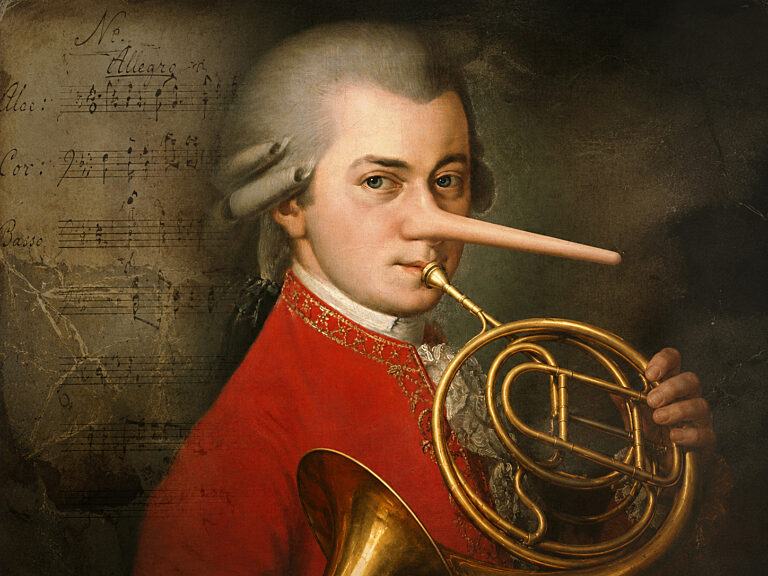
Why pretend to be Mozart?

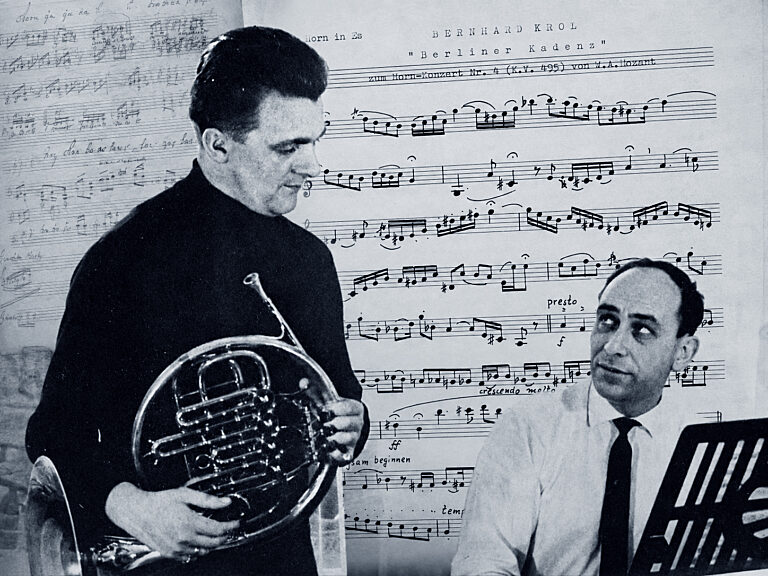
Krol, Bernhard

Why pretend to be Mozart?

The concerto’s cadenza: copy of style — or bold but true?

Should a cadenza imitate the past—or speak in today’s voice? Bernhard Krol questions the tradition of stylistic imitation and argues for cadenzas that bridge past and present with authenticity.

Brass Bulletin No 12 · 1975

Repertorio· Idee· Interpretazione

Fulkerson, James

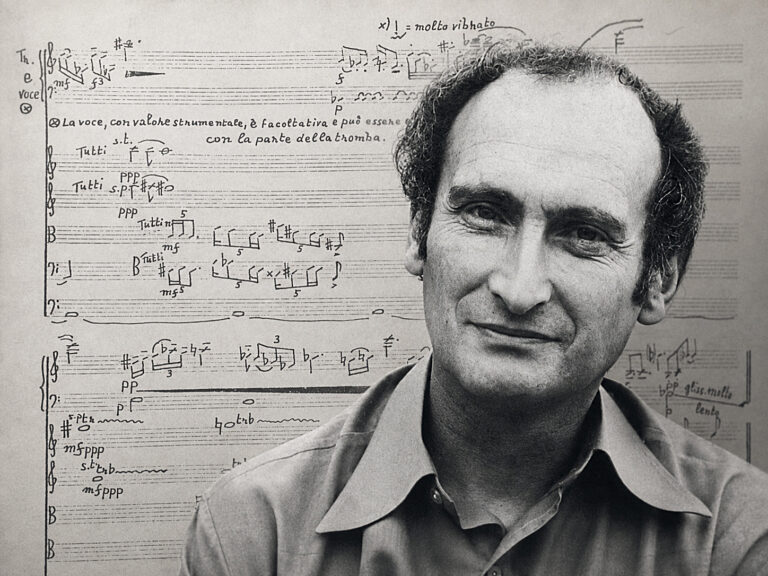
Indeterminate instrumentation

A Way of Extending Instrumental Technic

Can technique go beyond notation? James Fulkerson explores new instrumental possibilities and argues that improvisation is key to expanding both technique and musical thinking.

Brass Bulletin No 12 · 1975

Tecnica· Repertorio· Musica contemporanea· Improvvisazione

Böckle, Roland

Collective improvisation in instrumental classes with different instruments

What if learning an instrument meant more than playing pieces? Roland Böckle promotes collective improvisation to develop listening, taste, and creativity.

Brass Bulletin No 13 · 1976

Insegnamento· Improvvisazione· Idee

Gohl, Willi

Composer Interpreter Teacher Student

Clains and demands in musical life today

What is the musician’s role today? Willi Gohl questions creation, teaching, and society—and argues for a more human, free, and living music.

Brass Bulletin No 14 · 1976

Insegnamento· Società· Sociologia· Idee

Why pretend to be Mozart?

Damm, Peter

Why pretend to be Mozart?

Reply to Bernhard Krol

Should a cadenza imitate Mozart? Peter Damm argues for stylistic fidelity without imitation—at the heart of a debate with Bernhard Krol.

Brass Bulletin No 14 · 1976

Repertorio· Interpretazione· Abbellimenti

Montreux 1976 - First international brass congress

Willener, Alfred

Montreux 1976 - First international brass congress

Montreux 1976: beyond the spectacle. Between virtuosity, ego, and isolation, Alfred Willener questions the very meaning of the brass world.

Brass Bulletin No 15 · 1976

Reportage· Evento· Sociologia· Idee

Comments on the First International Brass Congress

Bobo, Roger

Comments on the First International Brass Congress

Montreux 1976

National styles or personal voice? Roger Bobo finds in Montreux that individuality prevails—yet notes the absence of key traditions.

Brass Bulletin No 15 · 1976

Reportage· Evento· Sociologia· Idee

Editorial

Mathez, Jean-Pierre

Editorial

Between tradition and innovation: brass players must move beyond routine and embrace new musical directions to remain relevant in the music of tomorrow.

Brass Bulletin No 17 · 1977

Società· Idee· Musica contemporanea

Meissner, Marc

Ornamentation of baroque music for brass

Baroque ornamentation forgotten? Without it, performances become dull and repetitive. This article argues for a return to style, freedom, and creative interpretation.

Brass Bulletin No 17 · 1977

Repertorio· Abbellimenti· Interpretazione

Globokar, Vinko

Reflections on the brass player

Why do brass players so often resist new music? Vinko Globokar dismantles schools, routines, and traditions—and calls for a freer musical mindset.

Brass Bulletin No 17 · 1977

Società· Insegnamento· Sociologia· Idee

Editorial

Mathez, Jean-Pierre

Editorial

Mouthpiece, instrument, practice—what’s really holding you back? A reflection on doubt, competition, and finding the inner balance that shapes true musicianship.

Brass Bulletin No 18 · 1977

Società· Sociologia· Idee

Scraps of Thoughts and Memories concerning “Passages” for trumpet and strings

Fenigstein, Victor

Scraps of Thoughts and Memories concerning “Passages” for trumpet and strings

Between waiting and movement, Passages reimagines soloist and orchestra—inviting exploration, listening, and the acceptance of the unexpected.

Brass Bulletin No 18 · 1977

Tromba· Repertorio· Musica contemporanea· Idee

Editorial

Mathez, Jean-Pierre

Editorial

Is sound something you control—or something you become? Jean-Pierre Mathez challenges technique, fashion, and pedagogy: sonority is a lifelong conquest of freedom.

Brass Bulletin No 19 · 1977

Società· Acustica· Suono· Sociologia

From the pen of Roger Bobo

Bobo, Roger

From the pen of Roger Bobo

A bold statement from Roger Bobo: limiting yourself to your instrument’s repertoire is musical imprisonment — true musicianship begins beyond boundaries.

Brass Bulletin No 19 · 1977

Repertorio· Idee

Editorial

Mathez, Jean-Pierre

Editorial

Research shapes music. This editorial highlights key scholars, welcomes new contributors, and calls on readers to support Brass Bulletin’s growing international reach.

Brass Bulletin No 21 · 1978

Società· Idee

Bobo, Roger

Yes or no? Beware!

Do we or do we not play transcriptions?

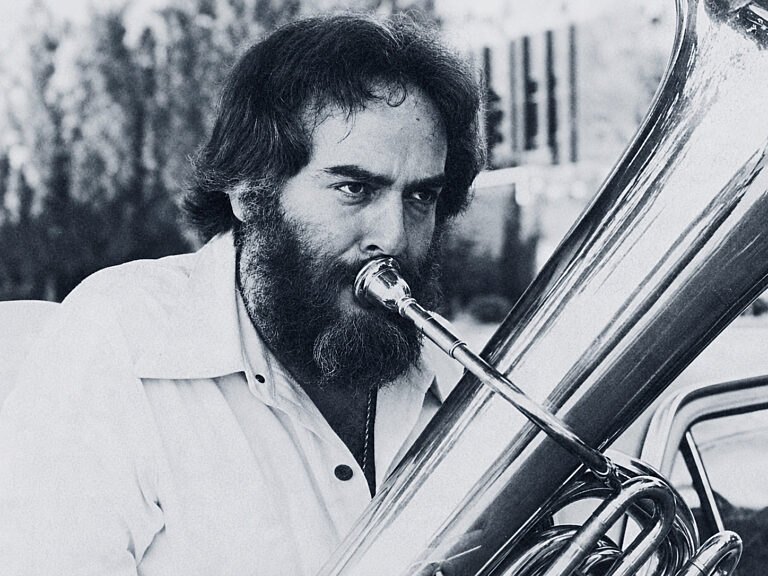
“Transcriptions: yes or no? Beware.” Roger Bobo challenges tubists to rethink repertoire, taste, and tradition in a bold call for musical judgment and artistic freedom.

Brass Bulletin No 21 · 1978

Tuba· Repertorio· Interpretazione· Musica contemporanea

Bobo, Roger

Symposium 1978

Eyes toward the future

Beyond the instrument: Roger Bobo calls for open minds at Symposium ’78—urging tubists to seek inspiration, question identity, and look boldly toward the future.

Brass Bulletin No 21 · 1978

Tuba· Evento· Idee

Editorial

Mathez, Jean-Pierre

Editorial

More than a magazine: a call to musicians. This editorial reveals Brass Bulletin’s mission—to inspire, connect, and survive through the support of its readers.

Brass Bulletin No 23 · 1978

Società· Sociologia· Idee

Zen and the Art of Horn playing

Agrell, Jeffrey

Zen and the Art of Horn playing

Parte 2

Beyond technique: Jeffrey Agrell explores the clash between intellect and intuition—arguing that true musical expression begins where analysis ends.

Brass Bulletin No 23 · 1978

Corno· Salute· Società· Approccio mentale· Sociologia

Editorial

Mathez, Jean-Pierre

Editorial

A life that shaped a century: Jean-Pierre Mathez introduces the extraordinary rise of Maurice André—an artist whose brilliance transformed the modern trumpet.

Brass Bulletin No 24 · 1978

Società· Sociologia· Idee

Agrell, Jeffrey

Dreams and wishes

Things I would like to see happen concerning the horn and horn playing

A set of proposals for the future of the horn: Jeffrey Agrell addresses editions, pedagogy, instruments, and repertoire—from Mozart to contemporary practice.

Brass Bulletin No 25 · 1979

Corno· Equipaggiamento· Repertorio· Idee· Musica contemporanea

Editorial

Mathez, Jean-Pierre

Editorial

Virtuosity is framed less as method than perception, opposing formula-driven teaching and pointing to attentive listening as the ground for technical clarity and artistic control

Brass Bulletin No 27 · 1979

Insegnamento· Società· Sociologia· Idee

The Trumpet in the USA

Stevens, Thomas

The Trumpet in the USA

Parte 1

Across competitions, teaching and equipment in the U.S., trumpet practice exposes clashing ideas of musicality, raising the question of shared standards beyond national styles

Brass Bulletin No 27 · 1979

Tromba· Società· Scuola americana· Interpretazione

Zen and the Art of Horn playing

Agrell, Jeffrey

Zen and the Art of Horn playing

Parte 3

Between breath, reflex, and attention, Jeffrey Agrell links Zen practice with the physical and mental habits that shape brass playing.

Brass Bulletin No 27 · 1979

Corno· Salute· Approccio mentale· Nervi

Editorial

Mathez, Jean-Pierre

Editorial

At the dawn of the 1980s, Brass Bulletin challenges institutional habits, avant-garde rigidity and brass pedagies through a direct appeal to younger musicians.

Brass Bulletin No 29 · 1980

Società· Insegnamento· Sociologia· Idee

Zen and the Art of Horn playing

Agrell, Jeffrey

Zen and the Art of Horn playing

Parte 4 – Fine

From meditation to distance running, horn playing becomes a way of quieting mental noise, linking breath, concentration, and daily life.

Brass Bulletin No 29 · 1980

Corno· Salute· Nervi· Respirazione

The use of the mind in instrumental performance

Ricquier, Michel

The use of the mind in instrumental performance

Relaxation, concentration and mental imagery reshape technical practice, linking self-confidence and instrumental control beyond physical training alone.

Brass Bulletin No 30 · 1980

Salute· Insegnamento· Nervi· Interpretazione

A Trombone Martyr

Sluchin, Benny

A Trombone Martyr

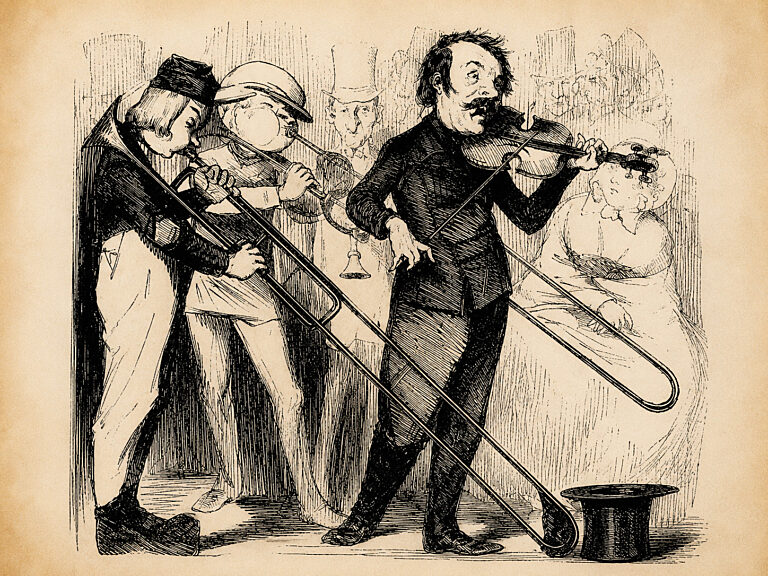
Auguste Léonard de la Tuilerie

A Paris apothecary turned trombone evangelist challenges 19th-century musical habits, imagining the slide trombone as the future voice of harmony.

Brass Bulletin No 31 · 1980

Trombone· Storia· Società· Idee· Suono

Editorial

Mathez, Jean-Pierre

Editorial

Progress by Stages

Between technical routine and lived experience, musical growth emerges through setbacks, observation and the gradual shaping of an individual voice.

Brass Bulletin No 32 · 1980

Insegnamento· Salute· Nervi· Interpretazione

Serious Music this Side of the Ghetto

Ringger, Rolf Urs

Serious Music this Side of the Ghetto

Between Darmstadt serialism and neo-tonality, the place of serious music in society is questioned through Berg, Schönberg and the post-war avant-garde.

Brass Bulletin No 32 · 1980

Repertorio· Società· Musica contemporanea· Sociologia

Editorial

Mathez, Jean-Pierre

Editorial

10 Years of Brass Bulletin

Ten years after its launch, a small specialist publication reaches readers in more than sixty countries, reflecting how a shared artistic community took shape across borders.

Brass Bulletin No 33 · 1981

Storia· Società· Idee· Sociologia

The subconscious, a useful friend

Ricquier, Michel

The subconscious, a useful friend

From yogic practices to auto-hypnosis, mental conditioning and visualisation are linked to performance, self-control, and the body's hidden responses.

Brass Bulletin No 33 · 1981

Salute· Insegnamento· Approccio mentale· Nervi

Editorial

Mathez, Jean-Pierre

Editorial

Beyond technique and instruction, musical growth depends on trusted relationships, where friendship becomes both a measure of progress and a safeguard against isolation.

Brass Bulletin No 34 · 1981

Insegnamento· Società· Idee· Interpretazione

Editorial

Mathez, Jean-Pierre

Editorial

International Competitions - Time, a perishable commodity...

From competition juries to the accelerating pace of modern life, Jean-Pierre Mathez questions the judgments and pressures shaping musicians and their careers

Brass Bulletin No 36 · 1981

Concorso· Società· Idee· Sociologia

Editorial

Mathez, Jean-Pierre

Editorial

As music becomes increasingly industrialized, Jean-Pierre Mathez argues for restoring local musical communities where composers, performers and audiences shape a shared identity.

Brass Bulletin No 37 · 1982

Società· Sociologia· Idee

The Haydn Trumpet Concerto

Willener, Alfred

The Haydn Trumpet Concerto

Parte 3 – Fine

Haydn’s trumpet concerto becomes a study of manuscript detail, performance choices, and the fragile ways listeners receive a familiar work.

Brass Bulletin No 37 · 1982

Tromba· Storia· Repertorio· Società· Interpretazione· Sociologia

Listening

Agrell, Jeffrey

Listening

Musical listening begins where judgment ends, as Jeffrey Agrell questions habits of criticism, recordings and expectation that shape every performance.

Brass Bulletin No 38 · 1982

Società· Sociologia· Approccio mentale

Editorial

Mathez, Jean-Pierre

Editorial

As costs rose and ambitions grew, an editorial from 1983 captures the fragile balance between sustaining an international brass journal and preserving its vision.

Brass Bulletin No 40 · 1982

Vita professionale· Società· Sociologia· Idee

Editorial

Mathez, Jean-Pierre

Editorial

When careers pause and certainty fades, real progress begins in private, where discipline, friendship and chamber music reshape what it means to be a musician.

Brass Bulletin No 41 · 1983

Vita professionale· Insegnamento· Approccio mentale· Ensemble di ottoni

Musical Piracy

Mathez, Jean-Pierre

Musical Piracy

Plagiarism, Photocopying

Long before digital piracy, publishers and performers were already confronting plagiarism, photocopying and blurred artistic ownership across the brass world.

Brass Bulletin No 41 · 1983

Società· Vita professionale· Sociologia· Idee

Editorial

Mathez, Jean-Pierre

Editorial

One magazine disappeared as another opened its pages, turning economic necessity into a rare act of editorial solidarity that reshaped the brass press.

Brass Bulletin No 42 · 1983

Società· Vita professionale· Sociologia· Idee

Editorial

Mathez, Jean-Pierre

Editorial

Mass media, record-industry economics and the return of cornet virtuosity collide in a sharp warning about fashion, manipulation and musical independence.

Brass Bulletin No 43 · 1983

Società· Vita professionale· Sociologia· Idee

Editorial

Mathez, Jean-Pierre

Editorial

Music teaching depends on more than routine: in 1984, Jean-Pierre Mathez argues that living contact with artists keeps transmission open to new generations.

Brass Bulletin No 44 · 1983

Insegnamento· Idee· Approccio mentale

Editorial

Mathez, Jean-Pierre

Editorial

Between disciplined practice and creative folly, musicianship emerges where scales and systems give way to imagination, instinct and the unsettling freedom to think.

Brass Bulletin No 45 · 1984

Insegnamento· Tecnica· Approccio mentale· Interpretazione

Editorial

Mathez, Jean-Pierre

Editorial

An international brass congress exposes a deeper tension between global exchange, American influence and the need for musical cultures to preserve their identity.

Brass Bulletin No 46 · 1984

Società· Idee

Wynton Marsalis

Mathez, Jean-Pierre

Wynton Marsalis

Interview

At 26, Wynton Marsalis confronts jazz education, popular culture and artistic integrity with convictions as uncompromising as his approach to the trumpet.

Brass Bulletin No 59 · 1987

Tromba· Incontri· Società· Jazz· Idee

Stevens, Thomas

Can jazz performance be taught?

A profile of Charlie Shoemake

Brass Bulletin No 57 · 1987

Repertorio· Insegnamento· Jazz· Idee

Sciortino, Patrice

Tubes - Tritones - Theses

Parte 1

Brass Bulletin No 71 · 1990

Equipaggiamento· Idee

Stevens, Thomas

The Minute counter!

Brass Bulletin No 72 · 1990

Società· Idee

Sciortino, Patrice

Tubes - Tritones - Theses

Parte 2 – Fine

Brass Bulletin No 72 · 1990

Equipaggiamento· Idee

Stevens, Thomas

Sampling?

Parte 1

Brass Bulletin No 75 · 1991

Società· Idee

Stevens, Thomas

Sampling? A hard rality !

Parte 2 – Fine

Brass Bulletin No 76 · 1991

Società· Idee

Turner, Kerry

The Art of the Third Horn Player

The unsung hero

Brass Bulletin No 97 · 1997

Corno· Repertorio· Idee

Ree Wekre, Frøydis

Thoughts on Competitions in Music

Brass Bulletin No 104 · 1998

Società· Concorso· Idee

Stevens, Thomas

Suppose they had an orchestra audition and nobody won?

Brass Bulletin No 111 · 2000

Società· Audizioni· Idee

Fineberg, Joshua

Classical music: Why bother?

Parte 1

Brass Bulletin No 121 · 2003

Società· Idee· Sociologia

Fineberg, Joshua

Classical music: Why bother?

Parte 2 – Fine

Brass Bulletin No 122 · 2003

Società· Idee· Sociologia

Loading…

Domande e risposte

Come funziona l’edizione digitale

Che cosa comprende l’edizione digitale?

L’edizione digitale riunisce gli articoli già digitalizzati sotto forma di testi leggibili e ricercabili online — non semplicemente come scansioni o file PDF — insieme alle illustrazioni originali, alle note, agli autori, alle informazioni sul numero della rivista e alle traduzioni disponibili. I suggerimenti di articoli correlati comprendono attualmente solo questo materiale digitalizzato.

Gli articoli digitali sono identici agli originali?

Conserviamo il più fedelmente possibile il testo originale, la lingua, le illustrazioni, le didascalie, le note e il contesto editoriale. La presentazione viene adattata per una lettura confortevole online e gli evidenti errori di trascrizione o scansione possono essere corretti. Il contenuto e il carattere dell’articolo pubblicato rimangono invariati.

Quali lingue sono disponibili?

Brass Bulletin è stato pubblicato in inglese, francese e tedesco nel corso di tutta la sua storia. Le traduzioni italiane e spagnole sono state aggiunte a partire dal numero 60. Sui siti italiano e spagnolo, gli articoli dei numeri da 1 a 59 vengono quindi mostrati in inglese per impostazione predefinita.

Con quale frequenza vengono aggiunti nuovi articoli?

Nuovi articoli vengono aggiunti quasi ogni giorno, con circa un numero completo digitalizzato ogni settimana. Il ritmo può variare in base al lavoro di preparazione, elaborazione delle immagini e verifica editoriale necessario.

Perché non tutti gli articoli sono disponibili in formato digitale?

La collezione completa di Brass Bulletin comprende 1.246 articoli pubblicati tra il 1971 e il 2003. L’indice completo è già disponibile online e consente di scoprire tutti gli articoli della collezione, compresi quelli il cui testo integrale non è ancora stato digitalizzato.

La digitalizzazione è iniziata nel febbraio 2026. Ogni articolo viene accuratamente preparato per la lettura online, verificato e collegato al relativo numero, agli autori, agli argomenti e alle illustrazioni. Al ritmo attuale di digitalizzazione, la collezione completa dovrebbe essere disponibile online entro febbraio 2028.

Perché alcuni riferimenti citano articoli che non sono ancora disponibili?

I riferimenti presenti negli articoli originali vengono conservati anche quando il materiale a cui rimandano non è ancora stato digitalizzato. In questo modo si preserva l’integrità storica ed editoriale della rivista. Man mano che nuovi numeri vengono aggiunti all’edizione digitale, un numero crescente di questi riferimenti condurrà ad articoli leggibili online.

Posso suggerire un articolo o segnalare un errore di trascrizione?

Sì. Se desiderate che un determinato articolo venga digitalizzato, oppure se notate un possibile errore di trascrizione o un’informazione mancante, contattateci. I riscontri dei lettori ci aiutano a migliorare l’edizione digitale e a stabilire priorità utili all’interno dell’archivio.

Come posso sostenere Brass Bulletin?

Il vostro sostegno contribuisce a finanziare la preparazione, la verifica e la pubblicazione online dell’intera collezione.

Abbonati all’Edizione digitale

Preferite sostenerci senza abbonarvi?

Fate una donazione

Cerca in Brass Bulletin.