Rendete Brass Bulletin disponibile nella vostra università, nel vostro conservatorio o nella vostra biblioteca Scoprite l’accesso istituzionale

2 min di lettura

Scraps of Thoughts and Memories concerning “Passages” for trumpet and strings

Scraps of Thoughts and Memories concerning “Passages” for trumpet and strings

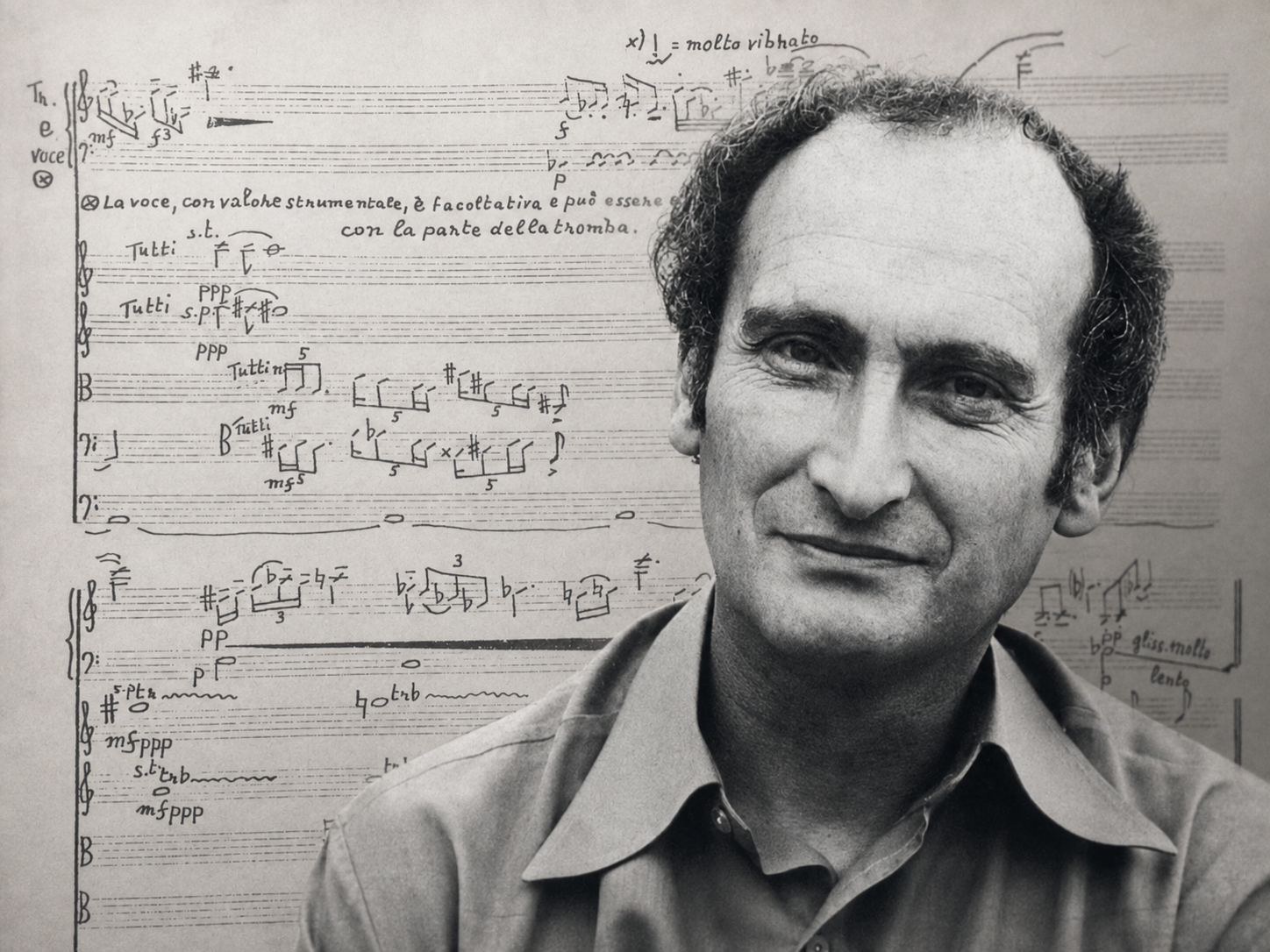
Victor Fenigstein

Transitions from one stage to the next have always fascinated me, probably because one never knows when or how they will occur, and yet one expects them to do so at any moment...

During a stay in Bath (England) I was struck by the acoustic signals of traffic lights. When they turned red for traffic, a relatively high and penetrating tone, rapidly repeated, told motorists to "wait" and, together with the green light, invited pedestrians to "hurry across".

So many experiences in life remind one of the antagonistic "red vs. green" of the traffic lights...

To wait for the green and to respect the red light has to be learned, for the benefit of one's own security and interest...

A transition comes... sometimes surprisingly abrupt, unexpected, overwhelming... and sometimes as a herald of change, awaited and prepared for...

A bridge, too, is a transition... how ordinary... how important...

A passageway is a transition, too... in material or also mystical terms...

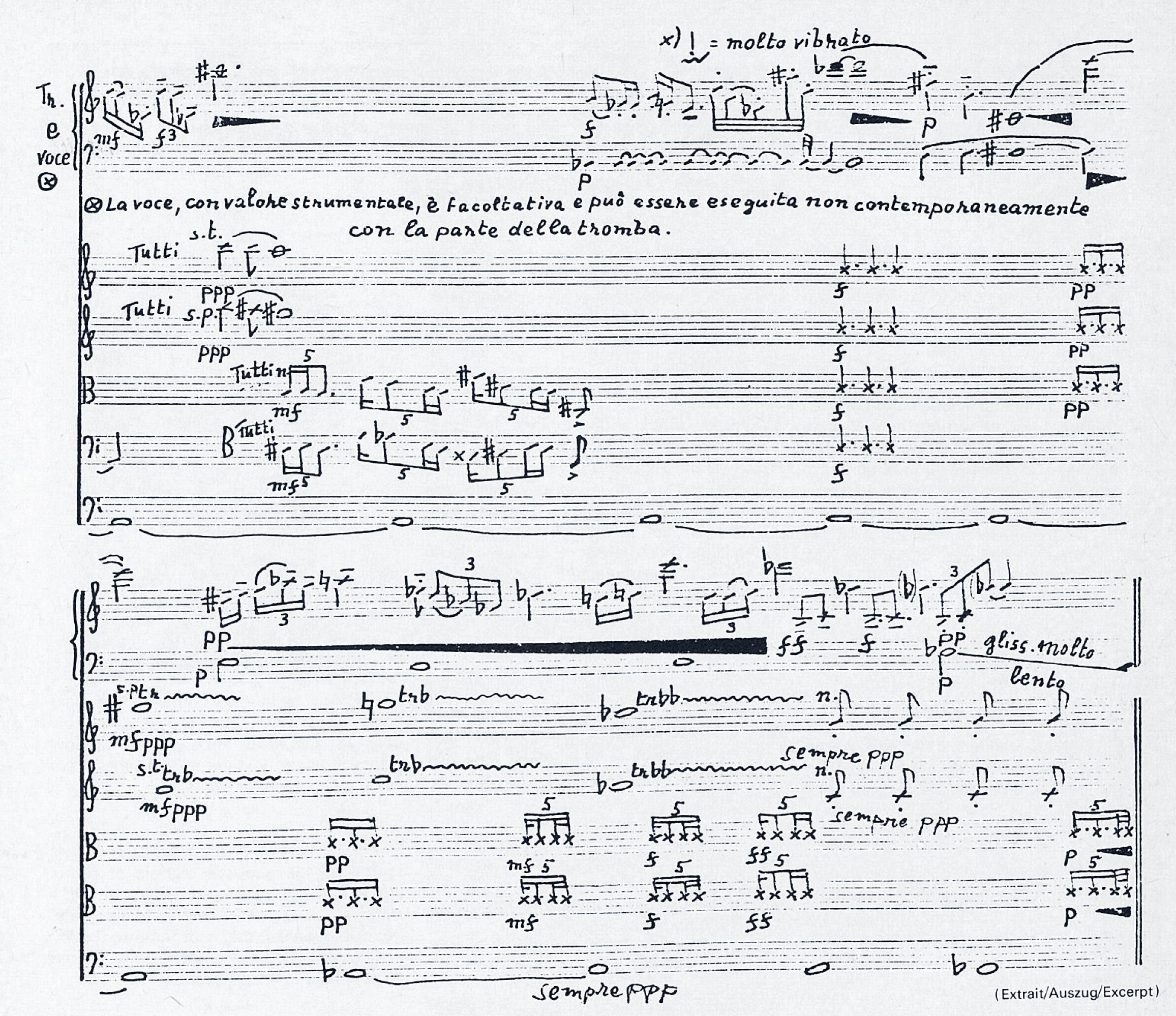
Victor Fenigstein, Passages for trumpet and strings

Victor Fenigstein, Passages for trumpet and strings

Listening to a concert of the Radio-Télé-Luxembourg Symphony Orchestra, I pricked up my ears when the first solo trumpeter started playing: a sensitive master of his instrument. His name is Gérard Minière; he is a modest young man with an interest in everything that concerns the trumpet and other brass instruments and wide open to every serious attempt of new musical ways of expression.

I decided to write something for him. "Passages" were dedicated to him. The solo part is not supposed to represent the "great hero", as has been the case so often in the repertoire of the past...

The orchestra is not supposed to represent "the brilliant accompanist in the service of this great hero"...

Every now and then there is tapping on the string instruments, but also on the trumpet; certainly not with a "heavy iron hammer", but with sensitive fingertips (to put the traditional player's mind at rest). And it is not done from a cheap desire for effect, but to enlarge the sound palette by using all possibilities offered by the instruments...

Of course some will protest: "I certainly did not spend years of my life learning to play the violin in order to have to tap on it with my fingers." The same artists will also ignore the "con legno" marks in a modern score (which are easier to spurn than to play, by the way)...

I can hear them say: "Ad lib. parts without a time signature? tempo a piacere... molto libero... circa 1'45" as the only specification of time? Either the composer doesn't know what he wants, or else he is consciously opening the door to chaos, true propaganda for anarchy... we won't go along with that!" These artists then prefer not to play at all, rather than to determine for themselves when and what to play, for in such a case, they would be in "danger" of trying out by themselves or with others which way the passage sounds nicest; then they might risk to find out that there are many different possibilities for the "right" entry! Or worse: that this experimentation could all of a sudden turn into a pleasure in itself, and valuable time could be lost — too playful an activity for music which is meant to be played...

Now go ahead and try — and good luck with the approximately 13 minutes of "Passages" for trumpet and strings!
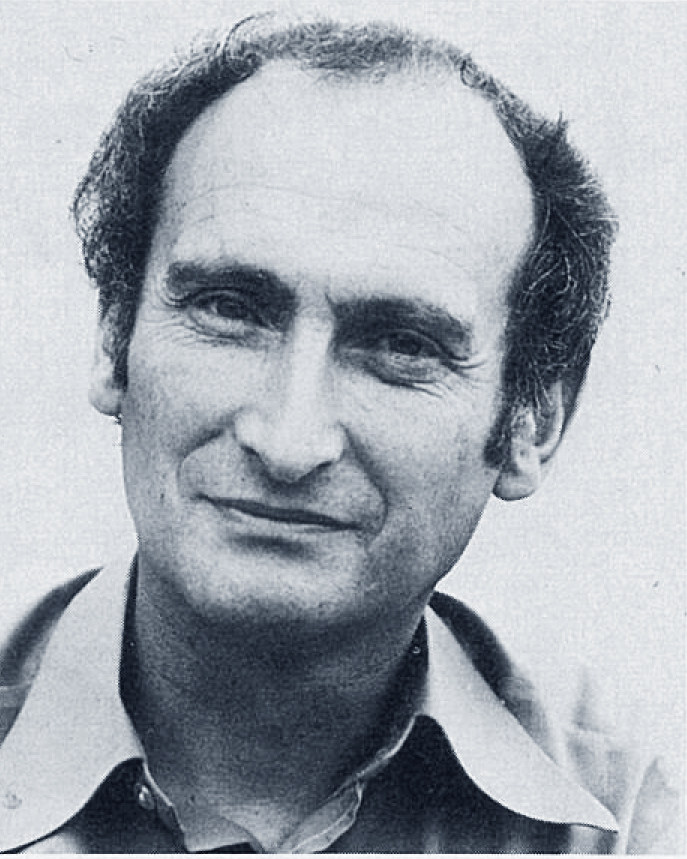
Victor Fenigstein

Victor Fenigstein

Brass Bulletin 18, II / 1977 pagine 9–11

Tutti i contenuti sono protetti dal diritto d’autore © Brass Bulletin 1977–2026

Condividi questo articolo

Facebook LinkedIn
Loading…

Domande e risposte

Come funziona l’edizione digitale

Che cosa comprende l’edizione digitale?

L’edizione digitale riunisce gli articoli già digitalizzati sotto forma di testi leggibili e ricercabili online — non semplicemente come scansioni o file PDF — insieme alle illustrazioni originali, alle note, agli autori, alle informazioni sul numero della rivista e alle traduzioni disponibili. I suggerimenti di articoli correlati comprendono attualmente solo questo materiale digitalizzato.

Gli articoli digitali sono identici agli originali?

Conserviamo il più fedelmente possibile il testo originale, la lingua, le illustrazioni, le didascalie, le note e il contesto editoriale. La presentazione viene adattata per una lettura confortevole online e gli evidenti errori di trascrizione o scansione possono essere corretti. Il contenuto e il carattere dell’articolo pubblicato rimangono invariati.

Quali lingue sono disponibili?

Brass Bulletin è stato pubblicato in inglese, francese e tedesco nel corso di tutta la sua storia. Le traduzioni italiane e spagnole sono state aggiunte a partire dal numero 60. Sui siti italiano e spagnolo, gli articoli dei numeri da 1 a 59 vengono quindi mostrati in inglese per impostazione predefinita.

Con quale frequenza vengono aggiunti nuovi articoli?

Nuovi articoli vengono aggiunti quasi ogni giorno, con circa un numero completo digitalizzato ogni settimana. Il ritmo può variare in base al lavoro di preparazione, elaborazione delle immagini e verifica editoriale necessario.

Perché non tutti gli articoli sono disponibili in formato digitale?

La collezione completa di Brass Bulletin comprende 1.246 articoli pubblicati tra il 1971 e il 2003. L’indice completo è già disponibile online e consente di scoprire tutti gli articoli della collezione, compresi quelli il cui testo integrale non è ancora stato digitalizzato.

La digitalizzazione è iniziata nel febbraio 2026. Ogni articolo viene accuratamente preparato per la lettura online, verificato e collegato al relativo numero, agli autori, agli argomenti e alle illustrazioni. Al ritmo attuale di digitalizzazione, la collezione completa dovrebbe essere disponibile online entro febbraio 2028.

Perché alcuni riferimenti citano articoli che non sono ancora disponibili?

I riferimenti presenti negli articoli originali vengono conservati anche quando il materiale a cui rimandano non è ancora stato digitalizzato. In questo modo si preserva l’integrità storica ed editoriale della rivista. Man mano che nuovi numeri vengono aggiunti all’edizione digitale, un numero crescente di questi riferimenti condurrà ad articoli leggibili online.

Posso suggerire un articolo o segnalare un errore di trascrizione?

Sì. Se desiderate che un determinato articolo venga digitalizzato, oppure se notate un possibile errore di trascrizione o un’informazione mancante, contattateci. I riscontri dei lettori ci aiutano a migliorare l’edizione digitale e a stabilire priorità utili all’interno dell’archivio.

Come posso sostenere Brass Bulletin?

Il vostro sostegno contribuisce a finanziare la preparazione, la verifica e la pubblicazione online dell’intera collezione.

Abbonati all’Edizione digitale

Preferite sostenerci senza abbonarvi?

Fate una donazione

Come procede la digitalizzazione?

Stiamo rendendo Brass Bulletin disponibile online gradualmente, articolo per articolo. Potete leggere gli articoli appena digitalizzati non appena sono pronti, anche prima che un intero numero sia completato.

Consultate il nostro calendario di digitalizzazione per scoprire le ultime aggiunte e le date di disponibilità stimate dei prossimi numeri. Le stime si basano sul nostro ritmo recente e possono cambiare.

Cerca in Brass Bulletin.