Rendete Brass Bulletin disponibile nella vostra università, nel vostro conservatorio o nella vostra biblioteca Scoprite l’accesso istituzionale

3 min di lettura

Comments on the First International Brass Congress

Montreux 1976

Comments on the First International Brass Congress

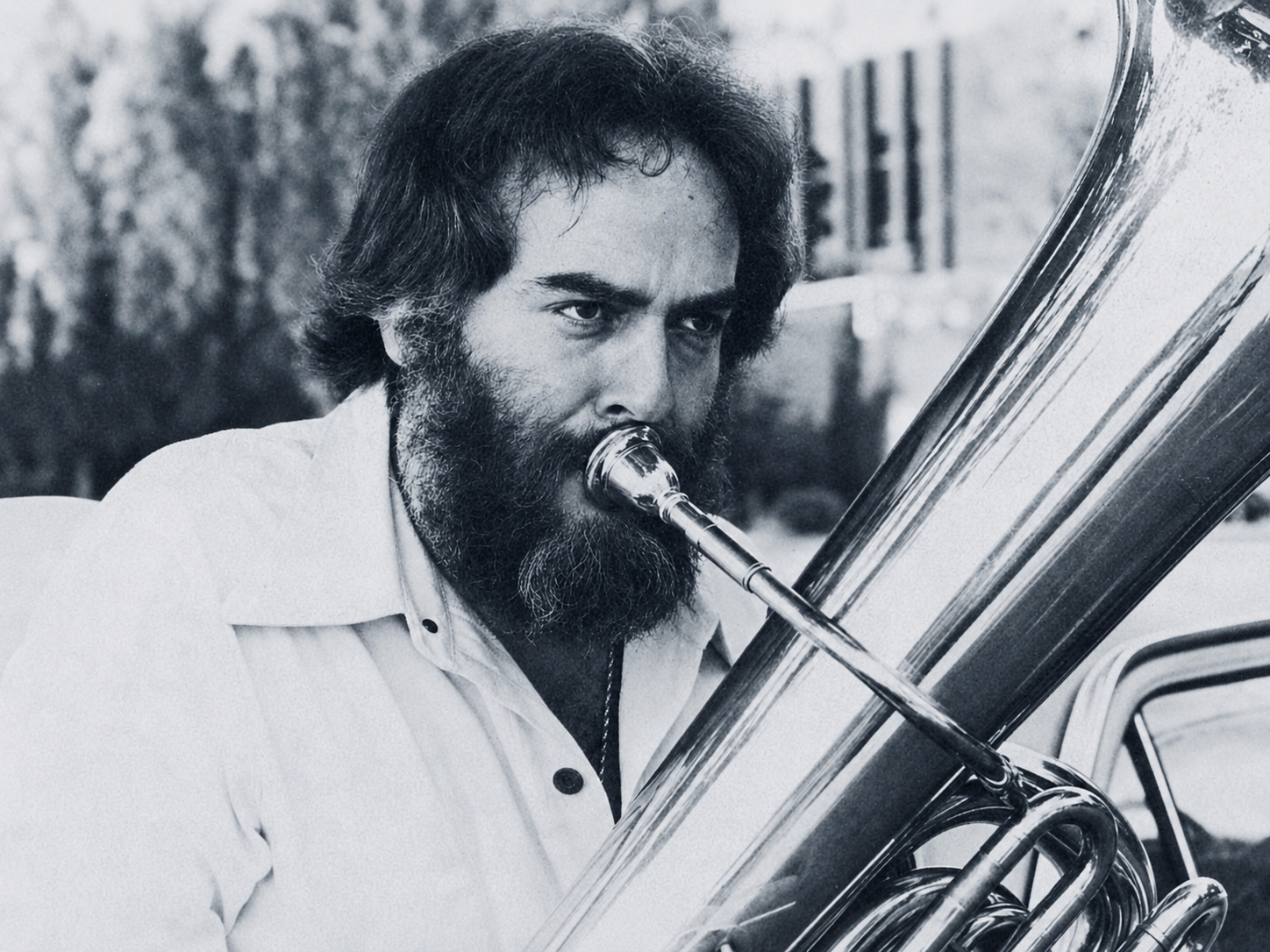
International styles in regard to all brass instruments have been an enormous curiosity to me ever since I was a teenager. The national styles proved to be far less pronounced than one might have thought on horn, trumpet and trombone, but on tuba they proved to be almost non-existent. There were stylistic differences, happily so, between all the players I heard. Some played F tuba and some played C tuba (I did not hear any BB♭ tubas being used) but the differences heard were personal differences and not national differences. I was very happy to see (or hear) that this compartmentalizing of nationalistic instrumental approaches was something that existed more in my imagination than in reality because this personal difference in the approach to musicality, whatever the medium be (instrumental, vocal, compositional, etc.), is where the real beauty and interest lie. Like language — and there are many who call music a language — it is not the mastery that is important but the way in which we express ourselves. It makes me proud to say that the tubas expressed themselves very well in Montreux.

There are two things I was hoping to hear that I didn't, however. First I was very curious to hear a representation of the small French tuba. I understand this instrument is being used far less frequently in France today than it was even a few years ago, being preempted by more frequent use of larger equipment such as we are used to in the rest of Europe and America. I would ask, if we're lucky enough to have another International Brass Congress or at the next International Tuba Symposium, please, may we have a French representative who will show us tradition and usage of the small French tuba?

We were very fortunate to have the pedagogical influence of Professor Hieronymus Engels from the Academy of Music in Berlin, who offered vast insight and experience in the tuba in Germany, and orchestral concepts which probably cannot be duplicated by anyone. We missed, however, not only in tuba but in trumpet and trombone also, hearing our West German colleagues. The West Germans have a strong tradition in their school of brass playing and they were greatly missed. At the next International Brass Congress I would hope for at least one representative for trumpet, trombone, and tuba. Most places in the world, for example, are not familiar with the advantages of the German rotary-valved trumpets. This we need to know for a thorough insight into uses of brass today. To our West German colleagues I would say, you were missed in Montreux, and wherever and whenever the second International Brass Congress should occur, please come and help us make it an even greater success.

The one big problem in Montreux seemed to be that most instrumental groups tended to stick together. This of course is only natural. It became difficult, however, to make a decision whether to attend a lecture on The Russian School of Horn Playing, with Vitali Bujanovsky; The Psychology of Brass Playing by trombonist Vinko Globokar; The Basic Performance Elements of New Solo Music with trumpeter Thomas Stevens; or The Tuba in Japan with Katsuhiko Kaijima. There were twelve meetings a day (four at a time) plus spending a proper amount of time trying out instruments from the represented manufacturers, plus the always present opportunities to play ensembles of various sorts with colleagues with whom you've never played before, plus the necessary amount of practice time for our various performance responsibilities. I am not suggesting a solution to this problem because in fact I think it is not solvable unless we could have a brass congress that lasts one month — which makes an even less solvable problem. We did have to make several decisions every day. Most players ended up going to their own instrumental groups. How one discriminates in a situation such as that is purely up to each individual. I can only say that I firmly believe that we as tubaists (or any instrumental group) can benefit greatly by exposing ourselves as much as possible to as many different kinds of musicians as possible.

My thanks to Harvey Phillips whose overwhelming energy made this brass congress possible.

Brass Bulletin 15, III / 1976 pagine 55–57

Tutti i contenuti sono protetti dal diritto d’autore © Brass Bulletin 1976–2026

Condividi questo articolo

Facebook LinkedIn
Loading…

Domande e risposte

Come funziona l’edizione digitale

Che cosa comprende l’edizione digitale?

L’edizione digitale riunisce gli articoli già digitalizzati sotto forma di testi leggibili e ricercabili online — non semplicemente come scansioni o file PDF — insieme alle illustrazioni originali, alle note, agli autori, alle informazioni sul numero della rivista e alle traduzioni disponibili. I suggerimenti di articoli correlati comprendono attualmente solo questo materiale digitalizzato.

Gli articoli digitali sono identici agli originali?

Conserviamo il più fedelmente possibile il testo originale, la lingua, le illustrazioni, le didascalie, le note e il contesto editoriale. La presentazione viene adattata per una lettura confortevole online e gli evidenti errori di trascrizione o scansione possono essere corretti. Il contenuto e il carattere dell’articolo pubblicato rimangono invariati.

Quali lingue sono disponibili?

Brass Bulletin è stato pubblicato in inglese, francese e tedesco nel corso di tutta la sua storia. Le traduzioni italiane e spagnole sono state aggiunte a partire dal numero 60. Sui siti italiano e spagnolo, gli articoli dei numeri da 1 a 59 vengono quindi mostrati in inglese per impostazione predefinita.

Con quale frequenza vengono aggiunti nuovi articoli?

Nuovi articoli vengono aggiunti quasi ogni giorno, con circa un numero completo digitalizzato ogni settimana. Il ritmo può variare in base al lavoro di preparazione, elaborazione delle immagini e verifica editoriale necessario.

Perché non tutti gli articoli sono disponibili in formato digitale?

La collezione completa di Brass Bulletin comprende 1.246 articoli pubblicati tra il 1971 e il 2003. L’indice completo è già disponibile online e consente di scoprire tutti gli articoli della collezione, compresi quelli il cui testo integrale non è ancora stato digitalizzato.

La digitalizzazione è iniziata nel febbraio 2026. Ogni articolo viene accuratamente preparato per la lettura online, verificato e collegato al relativo numero, agli autori, agli argomenti e alle illustrazioni. Al ritmo attuale di digitalizzazione, la collezione completa dovrebbe essere disponibile online entro febbraio 2028.

Perché alcuni riferimenti citano articoli che non sono ancora disponibili?

I riferimenti presenti negli articoli originali vengono conservati anche quando il materiale a cui rimandano non è ancora stato digitalizzato. In questo modo si preserva l’integrità storica ed editoriale della rivista. Man mano che nuovi numeri vengono aggiunti all’edizione digitale, un numero crescente di questi riferimenti condurrà ad articoli leggibili online.

Posso suggerire un articolo o segnalare un errore di trascrizione?

Sì. Se desiderate che un determinato articolo venga digitalizzato, oppure se notate un possibile errore di trascrizione o un’informazione mancante, contattateci. I riscontri dei lettori ci aiutano a migliorare l’edizione digitale e a stabilire priorità utili all’interno dell’archivio.

Come posso sostenere Brass Bulletin?

Il vostro sostegno contribuisce a finanziare la preparazione, la verifica e la pubblicazione online dell’intera collezione.

Abbonati all’Edizione digitale

Preferite sostenerci senza abbonarvi?

Fate una donazione

Come procede la digitalizzazione?

Stiamo rendendo Brass Bulletin disponibile online gradualmente, articolo per articolo. Potete leggere gli articoli appena digitalizzati non appena sono pronti, anche prima che un intero numero sia completato.

Consultate il nostro calendario di digitalizzazione per scoprire le ultime aggiunte e le date di disponibilità stimate dei prossimi numeri. Le stime si basano sul nostro ritmo recente e possono cambiare.

Cerca in Brass Bulletin.