Rendete Brass Bulletin disponibile nella vostra università, nel vostro conservatorio o nella vostra biblioteca Scoprite l’accesso istituzionale

6 min di lettura

The Trumpet and the Cornet in Jazz and Popular Music

Special jazz techniques
Parte 6 – Fine

Di Michel Laplace

Vibrato, half-valves, growls and shakes lead to a larger argument: jazz transformed trumpet technique, yet its contribution remained strikingly undervalued.
The Trumpet and the Cornet in Jazz and Popular Music

This expressive element is not peculiar to jazz but until bop it was an important ingredient. It was every soloist’s most personal distinguishing characteristic and in the early and classical periods everyone had his own speed, intensity and preference for where to use it.

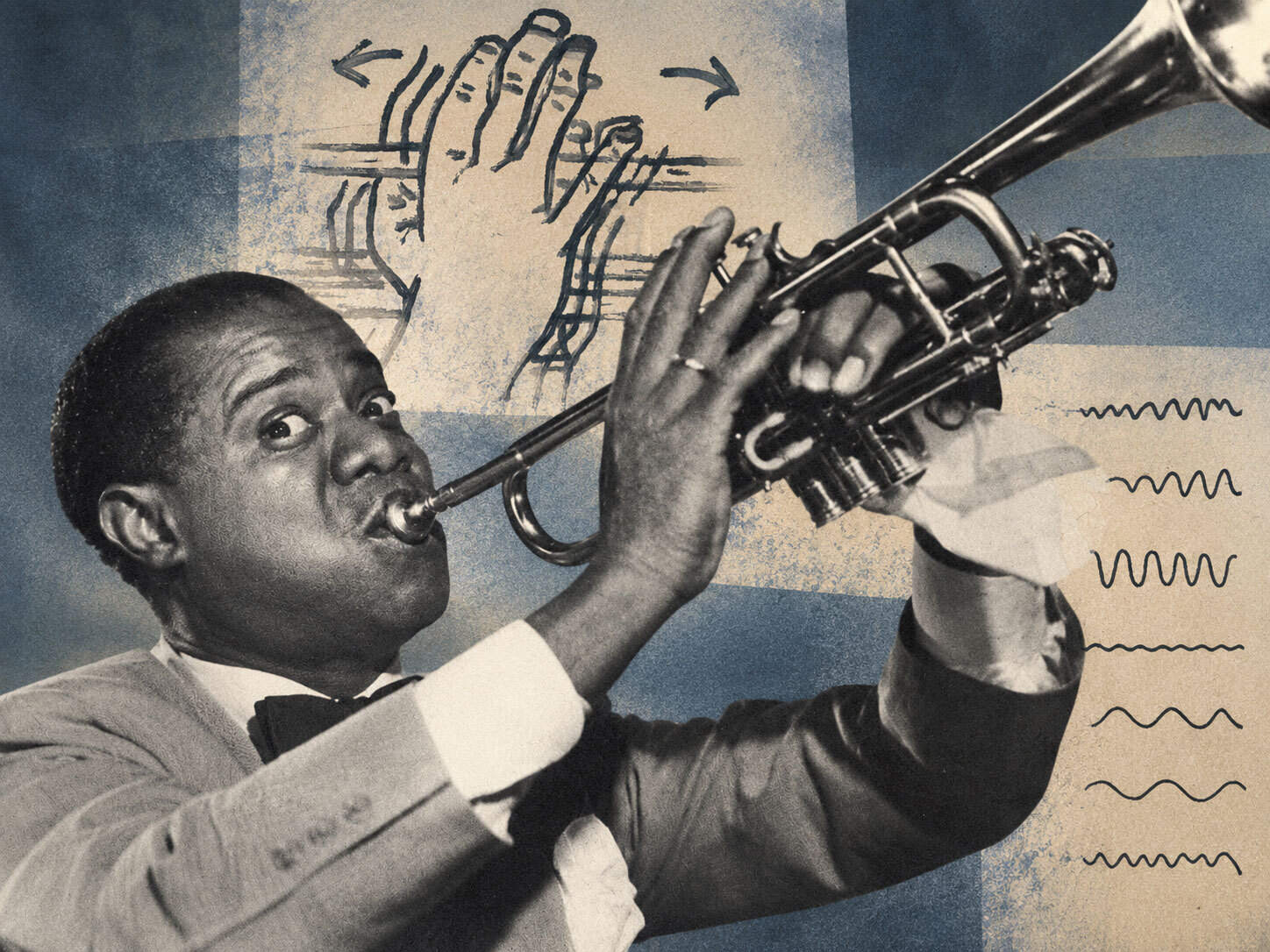
Louis Armstrong’s vibrato differed in each of his three creative periods. According to Irakli the Armstrong vibrato was quite fast before the days of the Hot Five (similar to Oliver’s); then, until 1940, he played vibrato with very slight trills in the top register; after 1940 his high-register vibrato really was a trill. This vibrato helped him to phrase. His vibrato varied according to tempo; in slow tempos his very singing vibrato was a marvel. Armstrong was also an excellent illustration of one way of producing this vibrato — by shaking the instrument with the right hand. Fred Gérard, among others, advocates this method. Others, such as Edna White¹⁶, are against it, preferring a vibrato produced by “vibration of the air column”; some talented jazz players from the French younger generation use this method, like Jean-Luc Cappozzo.

Bix Beiderbecke kept the notes straight, then added a vibrato, slower than Armstrong’s, at the end. Joe Smith, on the other hand, used a constant and much more marked vibrato which Dick Sudhalter says may have been produced by a vibration of the lower jaw (or by vibration of the air column).

Sudhalter produced a table of the vibrato of eight major soloists from the “virtuoso” area¹⁹: (Fig. 5).
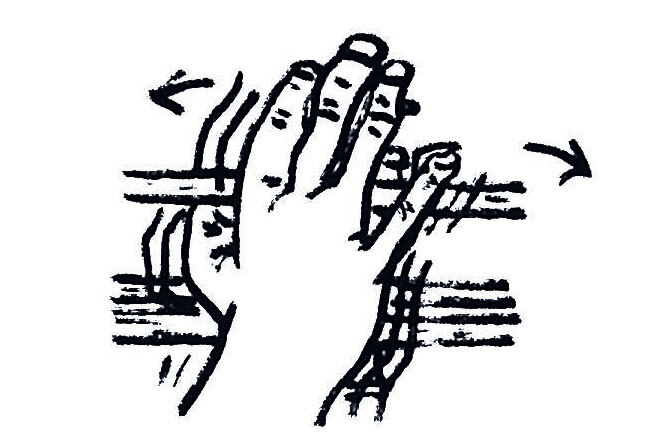
Figure 5Vibrato according to Sudhalter

Figure 5

Vibrato according to Sudhalter

We should note that Rex Stewart’s vibrato was tighter after he had developed his half-valve technique. One particular variety is the absence of vibrato, introduced in the late forties by Gillespie and Miles Davis (at a time when vibrato was still being used by so-called “classical” players, especially in France — Raymond Sabarich, for example. It was not until Maurice André and the sixties that people began to play with little or no vibrato. The Soviets have stayed true to the vibrato, with the fabulous Timofey Dokshitser as the supreme example; watching this artist at close quarters in August 1982, while he warmed up, enabled me to see that he vibrated the lower jaw slightly). In the “modern” jazz context Clifford Brown’s playing of medium and slow-tempo themes shows a very discreet vibrato at the ends of phrases (series or recordings in France in 1953). Fast vibrato is indicated 〰. (Ex. 15).

Example 15“Skit-dah-de-dat” — Louis Armstrong, transcr. Lee Castle (*1915)

Example 15

“Skit-dah-de-dat” — Louis Armstrong, transcr. Lee Castle (*1915)

The effects

These are, going from the simplest to the most complicated:

  • du-wah
  • bend, smear, dip
  • drop
  • half-valve, glissando
  • growl, rasps
  • shake

1. du-wah (Ex. 16)

Du-wah indicates the sound, produced by placing the curled fingers of the left hand (in the case of a right-handed player) in front of the bell, giving a dull du as the first sound, then opening and removing the fingers, changing the sound to wah. The signs “+” and “o” above the notes indicate “hand over the bell” and “hand away” respectively.

Example 162nd tp part: “Don’t get around much anymore” by Duke Ellington

Example 16

2nd tp part: “Don’t get around much anymore” by Duke Ellington

2. bend, smear, dip (Ex. 17)

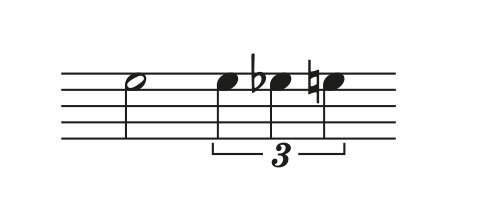
∪ = dip, resembling an exaggerated vibrato at the beginning of the note, stopping shortly after the attack. The bend is similar: the pitch is lowered in the middle of the duration of the note and returns to its original level, something like this, according to Yngve Nilsson (without using the valves):
Brass Bulletin image

Smear is the name given to the technique of sliding the note by a semitone to give a “dirty” effect. It is used in blues and medium tempo.

Continue reading

Accedi all’edizione digitale completa.

Brass Bulletin 47, III / 1984 pagine 39–45

Tutti i contenuti sono protetti dal diritto d’autore © Brass Bulletin 1984–2026

Condividi questo articolo

Facebook LinkedIn
Loading…

Domande e risposte

Come funziona l’edizione digitale

Che cosa comprende l’edizione digitale?

L’edizione digitale riunisce gli articoli già digitalizzati sotto forma di testi leggibili e ricercabili online — non semplicemente come scansioni o file PDF — insieme alle illustrazioni originali, alle note, agli autori, alle informazioni sul numero della rivista e alle traduzioni disponibili. I suggerimenti di articoli correlati comprendono attualmente solo questo materiale digitalizzato.

Gli articoli digitali sono identici agli originali?

Conserviamo il più fedelmente possibile il testo originale, la lingua, le illustrazioni, le didascalie, le note e il contesto editoriale. La presentazione viene adattata per una lettura confortevole online e gli evidenti errori di trascrizione o scansione possono essere corretti. Il contenuto e il carattere dell’articolo pubblicato rimangono invariati.

Quali lingue sono disponibili?

Brass Bulletin è stato pubblicato in inglese, francese e tedesco nel corso di tutta la sua storia. Le traduzioni italiane e spagnole sono state aggiunte a partire dal numero 60. Sui siti italiano e spagnolo, gli articoli dei numeri da 1 a 59 vengono quindi mostrati in inglese per impostazione predefinita.

Con quale frequenza vengono aggiunti nuovi articoli?

Nuovi articoli vengono aggiunti quasi ogni giorno, con circa un numero completo digitalizzato ogni settimana. Il ritmo può variare in base al lavoro di preparazione, elaborazione delle immagini e verifica editoriale necessario.

Perché non tutti gli articoli sono disponibili in formato digitale?

La collezione completa di Brass Bulletin comprende 1.246 articoli pubblicati tra il 1971 e il 2003. L’indice completo è già disponibile online e consente di scoprire tutti gli articoli della collezione, compresi quelli il cui testo integrale non è ancora stato digitalizzato.

La digitalizzazione è iniziata nel febbraio 2026. Ogni articolo viene accuratamente preparato per la lettura online, verificato e collegato al relativo numero, agli autori, agli argomenti e alle illustrazioni. Al ritmo attuale di digitalizzazione, la collezione completa dovrebbe essere disponibile online entro febbraio 2028.

Perché alcuni riferimenti citano articoli che non sono ancora disponibili?

I riferimenti presenti negli articoli originali vengono conservati anche quando il materiale a cui rimandano non è ancora stato digitalizzato. In questo modo si preserva l’integrità storica ed editoriale della rivista. Man mano che nuovi numeri vengono aggiunti all’edizione digitale, un numero crescente di questi riferimenti condurrà ad articoli leggibili online.

Posso suggerire un articolo o segnalare un errore di trascrizione?

Sì. Se desiderate che un determinato articolo venga digitalizzato, oppure se notate un possibile errore di trascrizione o un’informazione mancante, contattateci. I riscontri dei lettori ci aiutano a migliorare l’edizione digitale e a stabilire priorità utili all’interno dell’archivio.

Come posso sostenere Brass Bulletin?

Il vostro sostegno contribuisce a finanziare la preparazione, la verifica e la pubblicazione online dell’intera collezione.

Abbonati all’Edizione digitale

Preferite sostenerci senza abbonarvi?

Fate una donazione

Come procede la digitalizzazione?

Stiamo rendendo Brass Bulletin disponibile online gradualmente, articolo per articolo. Potete leggere gli articoli appena digitalizzati non appena sono pronti, anche prima che un intero numero sia completato.

Consultate il nostro calendario di digitalizzazione per scoprire le ultime aggiunte e le date di disponibilità stimate dei prossimi numeri. Le stime si basano sul nostro ritmo recente e possono cambiare.

Cerca in Brass Bulletin.