Le traduzioni italiane originali di Brass Bulletin iniziano con il n. 60.

4 min di lettura

On hunting horns and other similar instruments

Aus Pierre Trichets Traité des Instruments de Musique (um 1640)
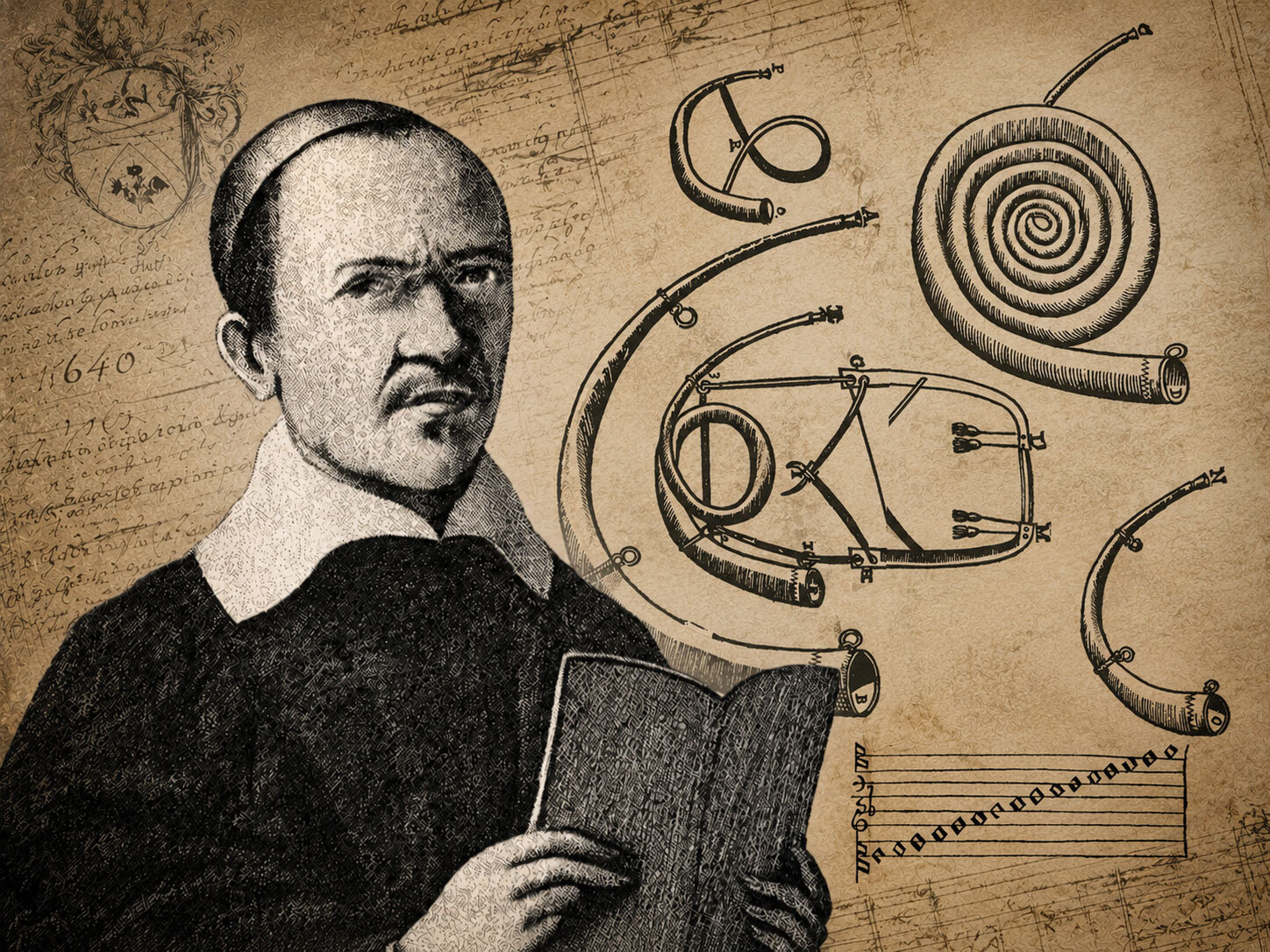
On hunting horns and other similar instruments

Pierre Trichet (1586/1587 - 1644)

I admit that hunting horns, horns, buccines, trumpets and bugles have no holes in their outline, no more than do trumpets and sackbuts. This does not prevent them from being polyphonic, however, and changing the sounds. Yet some consider that all these names are synonymous and mean almost the same thing among Frenchmen, as did cornu, lituus and buccina among the Romans, as some have thought. It is true that Festus believed the lituus to be a kind of small buccina and that Lipsius¹ (de mil. Ro., book 4) said that people did not at first distinguish between buccina and cornett, but that later they did so distinguish, as larger and more curved brass cornett were made. The buccina, according to the same author, was at first nothing other than an ox horn: et a bene nomen sumpsit, ut instrumentum quod bubus canit. Isidore draws the etymology from buccina a voce quasi vocinam dicas. Varro, however, believes it is so called because, when sounded, it sings “booboo”. Panciroll, explaining the shape of the buccina, also mentions the reason for its name in these words: usurpabant buccinas circa orificium, per quod vox immittebatur, angustas: in ima vero parte, ex qua sonus egreditur latas: erantque oblongae ad similitudinem buccini, quod purpurae genus est, unde et causa nomini.

One of our French writers says that the huntsmen’s horn is not that which is used today but one of ivory or of horn; for the huntsmen of antiquity used only horns while the modern instruments are all of bronze. I readily grant that horns were formerly made but of horn and ivory, yet there is no doubt but that today they are made of other materials. Julio della Scala² (l. l. poët. c. 20 p. 78) gives evidence of it and says the Germans make them from boxwood but they are different from those used in the hunt: Nunc cornua germani e busco efficta multis foraminibus inflant magno spiritu non sine gratia et decore, praesertim in nocturnis festivitatibus. Vocem namque humanam imprimis imitantur, eamque vehementer contentam. Varro says that cornu a curvore dictum fuit. But Fungerus derives this word from the Greek kéras, or from the Hebrew, which is written almost the same.

The first origin of the hunting horn lies in the fact that shepherds used to call their flocks by means of its sound; in this connection Columella wrote that the beasts must be accustomed to return to their pen at the sound of the buccina. Huntsmen then used it to call their dogs and their falcons, from whence it is called huchet [from the French hucher, “to call” — Ed.] as well as cornet. La Boderie gives us a charming description of the use of this in his poem:

The more his horn the huntsman sounds,
The more do run and call his hounds;
It imitates the trumpet shrill,
Sounds now the quarry, now the kill.

Sometimes one finds huntsmen so skilful that they can play on their horns as many different sounds as on a trumpet; Le Fouilloux has discussed this so fully in his book on hunting that there is no need to speak further of it.

Continue reading

Accedi all’edizione digitale completa.

Brass Bulletin 47, III / 1984 pagine 51–54

Tutti i contenuti sono protetti dal diritto d’autore © Brass Bulletin 1984–2026

Condividi questo articolo

Facebook LinkedIn
Loading…

Domande e risposte

Come funziona l’edizione digitale

Che cosa comprende l’edizione digitale?

L’edizione digitale riunisce gli articoli già digitalizzati sotto forma di testi leggibili e ricercabili online — non semplicemente come scansioni o file PDF — insieme alle illustrazioni originali, alle note, agli autori, alle informazioni sul numero della rivista e alle traduzioni disponibili. I suggerimenti di articoli correlati comprendono attualmente solo questo materiale digitalizzato.

Gli articoli digitali sono identici agli originali?

Conserviamo il più fedelmente possibile il testo originale, la lingua, le illustrazioni, le didascalie, le note e il contesto editoriale. La presentazione viene adattata per una lettura confortevole online e gli evidenti errori di trascrizione o scansione possono essere corretti. Il contenuto e il carattere dell’articolo pubblicato rimangono invariati.

Quali lingue sono disponibili?

Brass Bulletin è stato pubblicato in inglese, francese e tedesco nel corso di tutta la sua storia. Le traduzioni italiane e spagnole sono state aggiunte a partire dal numero 60. Sui siti italiano e spagnolo, gli articoli dei numeri da 1 a 59 vengono quindi mostrati in inglese per impostazione predefinita.

Con quale frequenza vengono aggiunti nuovi articoli?

Nuovi articoli vengono aggiunti quasi ogni giorno, con circa un numero completo digitalizzato ogni settimana. Il ritmo può variare in base al lavoro di preparazione, elaborazione delle immagini e verifica editoriale necessario.

Perché non tutti gli articoli sono disponibili in formato digitale?

La collezione completa di Brass Bulletin comprende 1.246 articoli pubblicati tra il 1971 e il 2003. L’indice completo è già disponibile online e consente di scoprire tutti gli articoli della collezione, compresi quelli il cui testo integrale non è ancora stato digitalizzato.

La digitalizzazione è iniziata nel febbraio 2026. Ogni articolo viene accuratamente preparato per la lettura online, verificato e collegato al relativo numero, agli autori, agli argomenti e alle illustrazioni. Al ritmo attuale di digitalizzazione, la collezione completa dovrebbe essere disponibile online entro febbraio 2028.

Perché alcuni riferimenti citano articoli che non sono ancora disponibili?

I riferimenti presenti negli articoli originali vengono conservati anche quando il materiale a cui rimandano non è ancora stato digitalizzato. In questo modo si preserva l’integrità storica ed editoriale della rivista. Man mano che nuovi numeri vengono aggiunti all’edizione digitale, un numero crescente di questi riferimenti condurrà ad articoli leggibili online.

Posso suggerire un articolo o segnalare un errore di trascrizione?

Sì. Se desiderate che un determinato articolo venga digitalizzato, oppure se notate un possibile errore di trascrizione o un’informazione mancante, contattateci. I riscontri dei lettori ci aiutano a migliorare l’edizione digitale e a stabilire priorità utili all’interno dell’archivio.

Come posso sostenere Brass Bulletin?

Il vostro sostegno contribuisce a finanziare la preparazione, la verifica e la pubblicazione online dell’intera collezione.

Abbonati all’Edizione digitale

Preferite sostenerci senza abbonarvi?

Fate una donazione

Cerca in Brass Bulletin.