Rendete Brass Bulletin disponibile nella vostra università, nel vostro conservatorio o nella vostra biblioteca Scoprite l’accesso istituzionale

4 min di lettura

Maurice Ravel and the new trombone
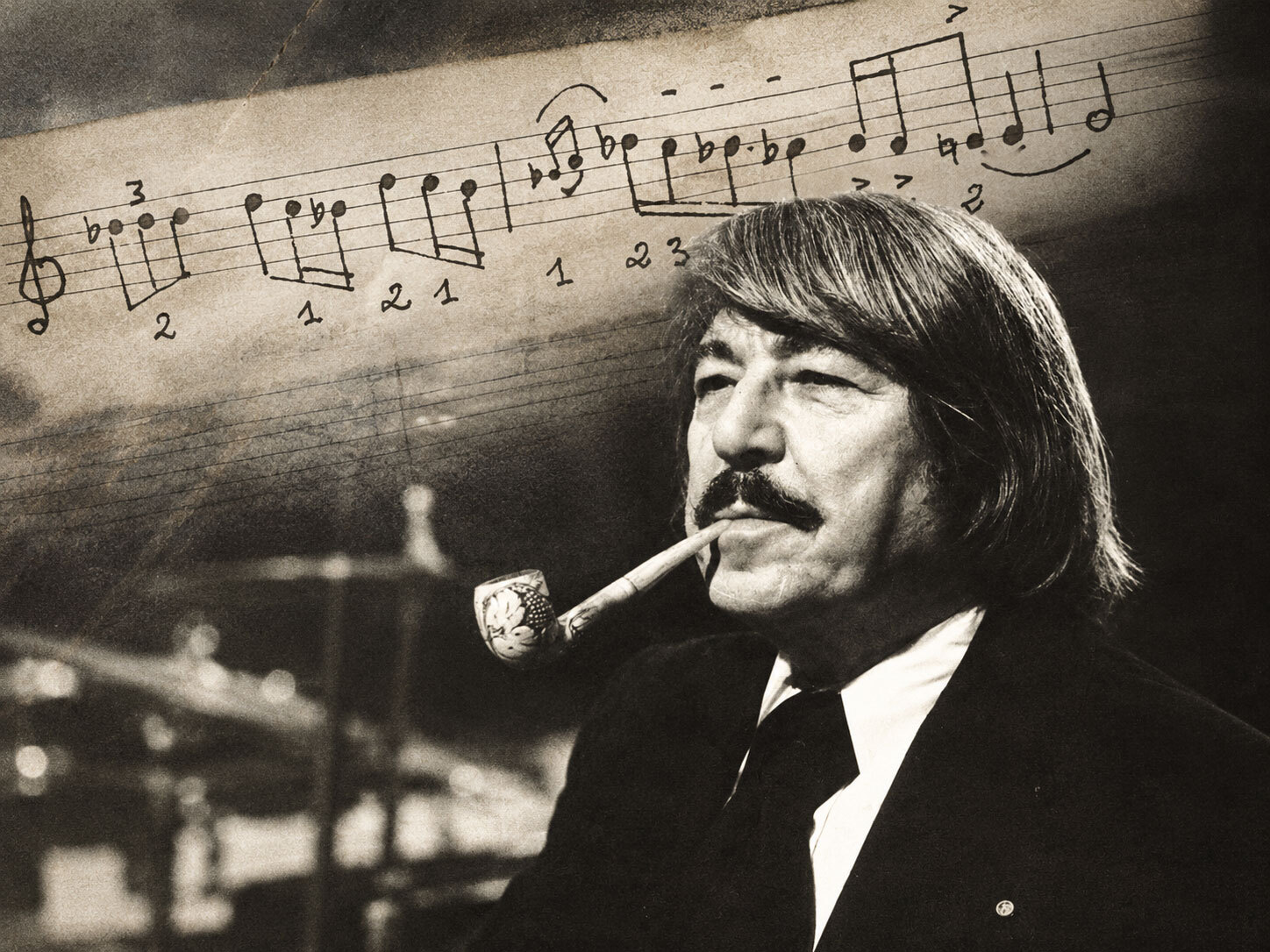
Dance-band trombonists reshaped orchestral expectations in the 1920s and 30s, leaving their mark on Ravel’s Boléro and a generation of players.
Maurice Ravel and the new trombone

Leo Arnaud-Vauchant

No matter how avant-garde the concepts of Gardell Simons and other virtuosos of the great wind bands (Pryor, Zimmermann, etc.) it was the dance-band trombone players of the twenties and thirties — who had developed similar technical principles — who were to be the most influential. According to Gordon Pulis this new style originates in the fact that in symphonic music solos are few and far between, while in the dance band the trombone can take the centre stage and so developed a solo style. This legato playing, with pure, warm sound (these were the first “crooners”) was to influence George Gershwin, Aaron Copland and Maurice Ravel among others.

Ravel had heard Léo Arnaud-Vauchant and was surprised by the way he played trombone and percussion. He invited him to his house at Montfort-Lamaury. “I played the trombone solo from L’enfant et les sortilèges (1924) and the one from Boléro (1927) before any other trombone player. I played the Boléro without glissando, using only the 1st and 2nd positions for the first half of the solo, then adding the 3rd, 4th, 5th and finally the 6th. When I pointed out to him that he had not written anything for the 7th, he laughed and said, ‘Don’t tell anyone’. The glissandos were probably added by the trombone professor at the Conservatoire in the belief that that made it more jazzy” (letter to the author, 4th February 1974). Léo used two little grace notes without glissando (Ex. 1). The positions he gives have to be corrected for the sake of intonation; C in the 1st position, for example, being the ninth harmonic of the fundamental B♭, is sharp and must be flattened.
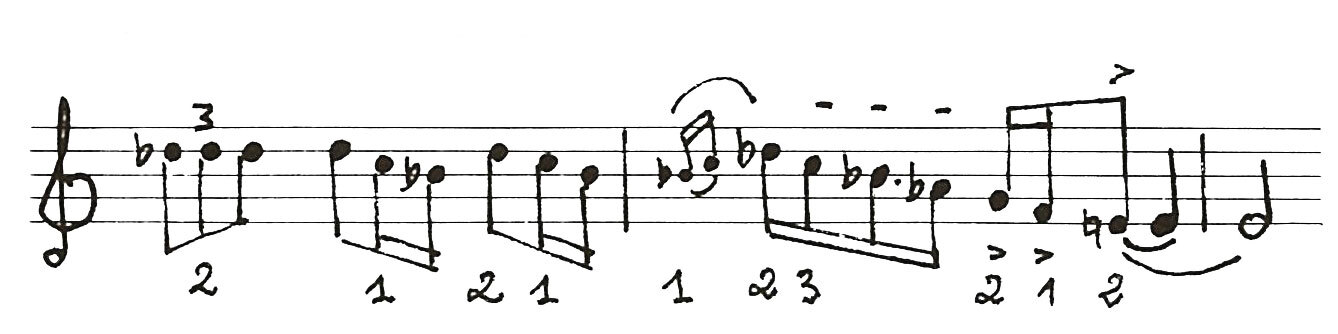
Example 1Boléro (1927) — Maurice RavelAccording to Leo Arnaud (1975)

Example 1

Boléro (1927) — Maurice Ravel
According to Leo Arnaud (1975)

In fact Ravel seemed to derive his inspiration less from jazz than from the great dance-band soloists. This produced panic among the “classical” players of the time when the Boléro was on the programme. The situation was the same in the United States.

One of the fascinating stories about Miff was told by Phil Napoleon, who played alongside of Miff with the Original Memphis Five. Arturo Toscanini was rehearsing the NBC Symphony. They were going to give the American première of Maurice Ravel’s ‘Boléro’. There is a very difficult passage for solo trombone and none of the members of the trombone section could play it right. Phil was playing with the symphony at the time. He went down to Nick’s in the village where Miff was playing. Miff came to the next rehearsal and played the part perfectly and immediately showed the first trombonist how to play it. After he did so, he packed up his horn and went back to the village. The story goes that from then on Maestro Toscanini developed a great respect for the jazz musician.

(Peter Spargo, Dixieland Chicago, Mainstream S 6010).

However much of this may be legend, there is certainly a grain of truth common to all these stories. Technically, judging from his 1922 records, Miff Mole was undeniably one of the fist masters of the legato trombone. On the other hand I have to agree with my late friend Glenn Bridges (letter to the author, 5th November 1975) in dating the American premiere of the Boléro around 1928, played by the New York Philharmonic with Mario Falcone as solo trombone. This orchestra, by the way, also conducted by Toscanini, was said to have played the Boléro too slowly (concert at the Paris Opéra, April 1930), which was not to Ravel’s liking¹. The NBC episode took place later (probably in the forties) and is corroborated by the following recollection: “At NBC, whenever we played Ravel’s Boléro, Maestro Toscanini would always say, ‘I want Tommy Dorsey to play the trombone solo in the Boléro’ (Paul Lavalle, interview with Dr. Charles Colin, NYBC for Scholarships, 1975). This does not prove that Dorsey played the work; it does prove Toscanini’s admiration for Dorsey and for a certain conception of the trombone. It is certainly well known that Dorsey played top D beautifully and without apparent effort.

Continue reading

Accedi all’edizione digitale completa.

Brass Bulletin 47, III / 1984 pagine 34–38

Tutti i contenuti sono protetti dal diritto d’autore © Brass Bulletin 1984–2026

Condividi questo articolo

Facebook LinkedIn
Loading…

Domande e risposte

Come funziona l’edizione digitale

Che cosa comprende l’edizione digitale?

L’edizione digitale riunisce gli articoli già digitalizzati sotto forma di testi leggibili e ricercabili online — non semplicemente come scansioni o file PDF — insieme alle illustrazioni originali, alle note, agli autori, alle informazioni sul numero della rivista e alle traduzioni disponibili. I suggerimenti di articoli correlati comprendono attualmente solo questo materiale digitalizzato.

Gli articoli digitali sono identici agli originali?

Conserviamo il più fedelmente possibile il testo originale, la lingua, le illustrazioni, le didascalie, le note e il contesto editoriale. La presentazione viene adattata per una lettura confortevole online e gli evidenti errori di trascrizione o scansione possono essere corretti. Il contenuto e il carattere dell’articolo pubblicato rimangono invariati.

Quali lingue sono disponibili?

Brass Bulletin è stato pubblicato in inglese, francese e tedesco nel corso di tutta la sua storia. Le traduzioni italiane e spagnole sono state aggiunte a partire dal numero 60. Sui siti italiano e spagnolo, gli articoli dei numeri da 1 a 59 vengono quindi mostrati in inglese per impostazione predefinita.

Con quale frequenza vengono aggiunti nuovi articoli?

Nuovi articoli vengono aggiunti quasi ogni giorno, con circa un numero completo digitalizzato ogni settimana. Il ritmo può variare in base al lavoro di preparazione, elaborazione delle immagini e verifica editoriale necessario.

Perché non tutti gli articoli sono disponibili in formato digitale?

La collezione completa di Brass Bulletin comprende 1.246 articoli pubblicati tra il 1971 e il 2003. L’indice completo è già disponibile online e consente di scoprire tutti gli articoli della collezione, compresi quelli il cui testo integrale non è ancora stato digitalizzato.

La digitalizzazione è iniziata nel febbraio 2026. Ogni articolo viene accuratamente preparato per la lettura online, verificato e collegato al relativo numero, agli autori, agli argomenti e alle illustrazioni. Al ritmo attuale di digitalizzazione, la collezione completa dovrebbe essere disponibile online entro febbraio 2028.

Perché alcuni riferimenti citano articoli che non sono ancora disponibili?

I riferimenti presenti negli articoli originali vengono conservati anche quando il materiale a cui rimandano non è ancora stato digitalizzato. In questo modo si preserva l’integrità storica ed editoriale della rivista. Man mano che nuovi numeri vengono aggiunti all’edizione digitale, un numero crescente di questi riferimenti condurrà ad articoli leggibili online.

Posso suggerire un articolo o segnalare un errore di trascrizione?

Sì. Se desiderate che un determinato articolo venga digitalizzato, oppure se notate un possibile errore di trascrizione o un’informazione mancante, contattateci. I riscontri dei lettori ci aiutano a migliorare l’edizione digitale e a stabilire priorità utili all’interno dell’archivio.

Come posso sostenere Brass Bulletin?

Il vostro sostegno contribuisce a finanziare la preparazione, la verifica e la pubblicazione online dell’intera collezione.

Abbonati all’Edizione digitale

Preferite sostenerci senza abbonarvi?

Fate una donazione

Come procede la digitalizzazione?

Stiamo rendendo Brass Bulletin disponibile online gradualmente, articolo per articolo. Potete leggere gli articoli appena digitalizzati non appena sono pronti, anche prima che un intero numero sia completato.

Consultate il nostro calendario di digitalizzazione per scoprire le ultime aggiunte e le date di disponibilità stimate dei prossimi numeri. Le stime si basano sul nostro ritmo recente e possono cambiare.

Cerca in Brass Bulletin.