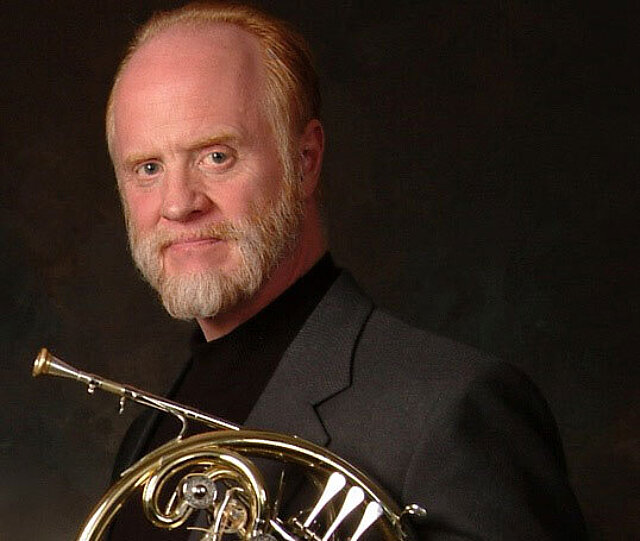
Jeffrey Agrell
Jeffrey Agrell è un cornista, docente, compositore e autore americano la cui attività spazia dalla pratica orchestrale e dalla pedagogia tradizionale del corno al jazz, all’improvvisazione e a nuovi approcci alla creatività musicale. Nato a Minneapolis nel 1948, Agrell studiò allo St. Olaf College e conseguì successivamente un master in…
Leggi la biografia
Jeffrey Agrell è un cornista, docente, compositore e autore americano la cui attività spazia dalla pratica orchestrale e dalla pedagogia tradizionale del corno al jazz, all’improvvisazione e a nuovi approcci alla creatività musicale.
Nato a Minneapolis nel 1948, Agrell studiò allo St. Olaf College e conseguì successivamente un master in interpretazione del corno alla University of Wisconsin–Madison. Trascorse la prima parte importante della sua carriera professionale in Svizzera, dove per venticinque anni fu prima terzo corno e successivamente primo corno associato dell’Orchestra Sinfonica di Lucerna. Questo periodo gli offrì una vasta esperienza nel repertorio sinfonico e operistico, permettendogli al tempo stesso di sviluppare interessi che andavano ben oltre la pratica orchestrale tradizionale.
Nel 2000 Agrell tornò negli Stati Uniti per entrare nella School of Music della University of Iowa come professore di corno. Vi insegnò fino al pensionamento universitario nel 2021 ed è oggi Associate Professor Emeritus. Accanto al tradizionale repertorio solistico, cameristico e orchestrale, il suo insegnamento esplorò sempre più l’improvvisazione, la creatività e i modi di sviluppare la musicalità oltre la semplice interpretazione della musica scritta.
La scrittura occupa da tempo un posto importante nell’attività musicale di Agrell. Ha pubblicato più di cento articoli e diversi libri dedicati alla tecnica del corno, alla pedagogia, all’improvvisazione, alla creatività e, più in generale, allo sviluppo musicale. Per molti anni è stato strettamente legato a The Horn Call, la rivista dell’International Horn Society, alla quale ha contribuito con numerosi articoli, interviste, rubriche sul jazz e testi pedagogici. I suoi scritti mettono spesso in discussione le abitudini consolidate dell’insegnamento strumentale e incoraggiano i musicisti a sperimentare, improvvisare, comporre e sviluppare le proprie risorse creative.
Il suo rapporto con Brass Bulletin era iniziato molto prima. In ventiquattro contributi pubblicati tra il 1978 e il 2002, Agrell affrontò una gamma insolitamente ampia di argomenti. La sua serie in quattro parti Zen and the Art of Horn Playing esplorava la concentrazione, la consapevolezza, la respirazione e gli aspetti mentali dell’esecuzione, mentre altri saggi trattavano l’ascolto, la pedagogia, il repertorio, la costruzione degli strumenti e il futuro del corno. Realizzò inoltre interviste e ritratti dedicati a musicisti e costruttori quali Hans Pizka, Meir Rimon, Thomas Müller, Douglas Hill e Richard Seraphinoff.
Il jazz costituì un altro importante filo conduttore dei suoi scritti. A partire dal 1982, la sua lunga serie Jazz and the Horn esaminò sia la storia del corno nel jazz sia le difficoltà pratiche incontrate dai cornisti di formazione classica nell’avvicinarsi a una tradizione fondata sull’improvvisazione. Agrell documentò musicisti quali Julius Watkins, Thomas Bacon, Tom Varner, Peter Gordon, John Clark, Dale Clevenger e Richard Todd, affrontando al tempo stesso la questione pratica di come un musicista possa iniziare ad apprendere il jazz. La serie anticipava l’interesse per l’improvvisazione e la creatività musicale che avrebbe assunto un ruolo sempre più centrale nel suo successivo lavoro didattico e nelle sue pubblicazioni.
Come compositore e arrangiatore, Agrell ha prodotto numerose opere per corno e altri strumenti, molte delle quali riflettono lo stesso interesse per l’ampliamento degli approcci convenzionali all’esecuzione. I suoi progetti discografici spaziano dal corno e pianoforte a formazioni cameristiche insolite e all’improvvisazione con elementi elettronici. Le sue composizioni sono state eseguite a livello internazionale, anche nell’ambito di festival e concorsi.
Il lavoro di Agrell sull’improvvisazione si rivolge in particolare ai musicisti formati nella tradizione classica. Invece di considerare l’improvvisazione esclusivamente come una branca del jazz, ha sviluppato esercizi e giochi destinati a rendere la creazione musicale spontanea accessibile agli interpreti e agli insegnanti di formazione classica. I libri dedicati a questo approccio costituiscono una parte importante della sua produzione pedagogica, accanto a pubblicazioni più specificamente dedicate alla tecnica del corno e alla creatività musicale.
Il suo impegno nella comunità internazionale del corno comprende inoltre due mandati nell’Advisory Council dell’International Horn Society, oltre a numerose partecipazioni come interprete, docente e relatore a workshop, festival e conferenze internazionali. Ha insegnato, tra l’altro, presso l’Asian Youth Orchestra e in programmi specializzati dedicati al corno negli Stati Uniti.
Attraverso l’interpretazione, la composizione, l’insegnamento e la scrittura, Jeffrey Agrell ha costantemente messo in discussione i confini della formazione strumentale tradizionale. I suoi contributi a Brass Bulletin rivelano già molte delle idee che avrebbero caratterizzato il suo lavoro successivo: una curiosità che va oltre il repertorio convenzionale, l’interesse per i processi mentali dell’esecuzione, l’apertura al jazz e all’improvvisazione e la convinzione che tecnica strumentale e creatività musicale non debbano essere considerate ambiti separati.
24 articoli di Jeffrey Agrell
Brass Bulletin 22 - 2 / 1978
Agrell, Jeffrey
Zen and the Art of Horn playing
Beyond technique: Jeffrey Agrell explores how Zen challenges Western thinking—revealing a new path to awareness, focus, and deeper musical experience in horn playing.
pp. 33–38
Brass Bulletin No 22 · 1978
Corno· Salute· Approccio mentale
Brass Bulletin 23 - 3 / 1978
Agrell, Jeffrey
Zen and the Art of Horn playing
Beyond technique: Jeffrey Agrell explores the clash between intellect and intuition—arguing that true musical expression begins where analysis ends.
pp. 69–72
Brass Bulletin No 23 · 1978
Corno· Salute· Società· Approccio mentale· Sociologia
Brass Bulletin 25 - 1 / 1979
Agrell, Jeffrey
Dreams and wishes
Things I would like to see happen concerning the horn and horn playing
A set of proposals for the future of the horn: Jeffrey Agrell addresses editions, pedagogy, instruments, and repertoire—from Mozart to contemporary practice.
pp. 59–62
Brass Bulletin No 25 · 1979
Corno· Equipaggiamento· Repertorio· Idee· Musica contemporanea
Brass Bulletin 27 - 3 / 1979
Agrell, Jeffrey
Zen and the Art of Horn playing
Between breath, reflex, and attention, Jeffrey Agrell links Zen practice with the physical and mental habits that shape brass playing.
pp. 63–70
Brass Bulletin No 27 · 1979
Corno· Salute· Approccio mentale· Nervi
Brass Bulletin 29 - 1 / 1980
Agrell, Jeffrey
Zen and the Art of Horn playing
From meditation to distance running, horn playing becomes a way of quieting mental noise, linking breath, concentration, and daily life.
pp. 35–40
Brass Bulletin No 29 · 1980
Corno· Salute· Nervi· Respirazione
Brass Bulletin 33 - 1 / 1981
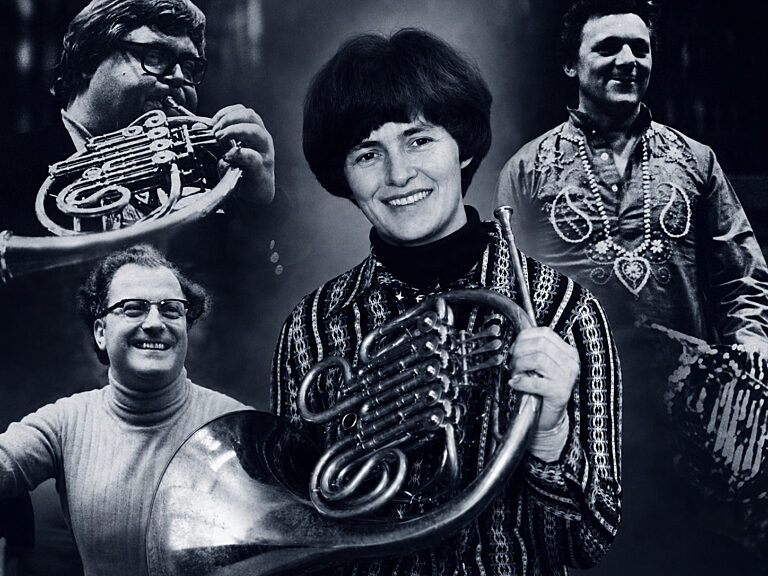
Agrell, Jeffrey
The first european horn symposium
A week in Trossingen brought leading horn players, Mozart debates, natural-horn controversies and lasting friendships at a landmark European gathering.
pp. 13–16
Brass Bulletin No 33 · 1981
Corno· Evento· Reportage· Interpretazione· Musica contemporanea
Brass Bulletin 36 - 4 / 1981
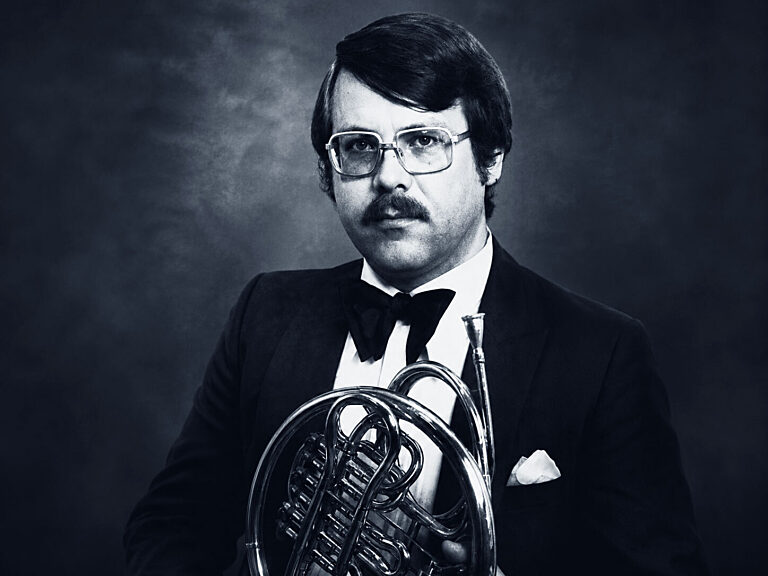
Agrell, Jeffrey
Interview with Hans Pizka
From Vienna horn traditions and natural-horn training to orchestral style and pedagogy, Hans Pizka reflects on the foundations of horn playing and musical identity.
pp. 26–31
Brass Bulletin No 36 · 1981
Corno· Incontri· Insegnamento· Equipaggiamento· Strumenti storici· Pratica orchestrale
Brass Bulletin 38 - 2 / 1982

Agrell, Jeffrey
Listening
Musical listening begins where judgment ends, as Jeffrey Agrell questions habits of criticism, recordings and expectation that shape every performance.
pp. 9–14
Brass Bulletin No 38 · 1982
Società· Sociologia· Approccio mentale
Brass Bulletin 40 - 4 / 1982
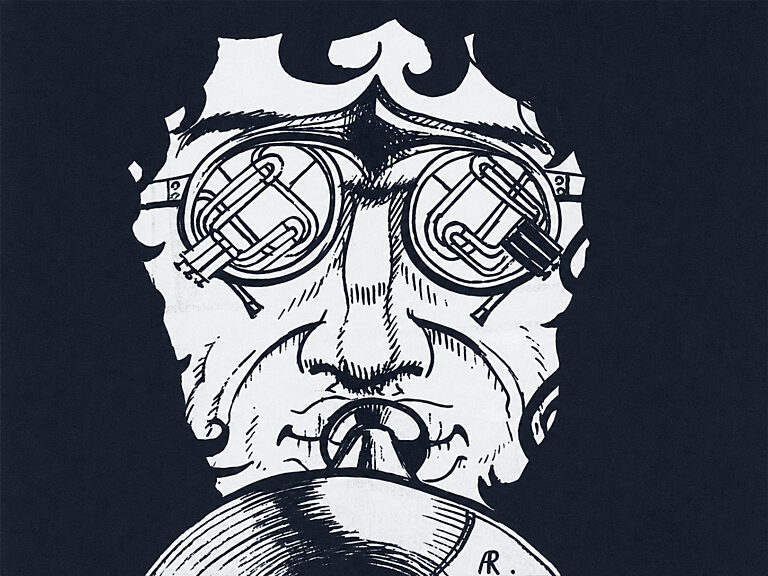
Agrell, Jeffrey
Jazz and the Horn
The horn was once considered incompatible with jazz until changing ideas of sound and musicians like John Graas quietly overturned that certainty.
pp. 41–45
Brass Bulletin No 40 · 1982
Corno· Repertorio· Storia· Jazz· Improvvisazione
Brass Bulletin 41 - 1 / 1983
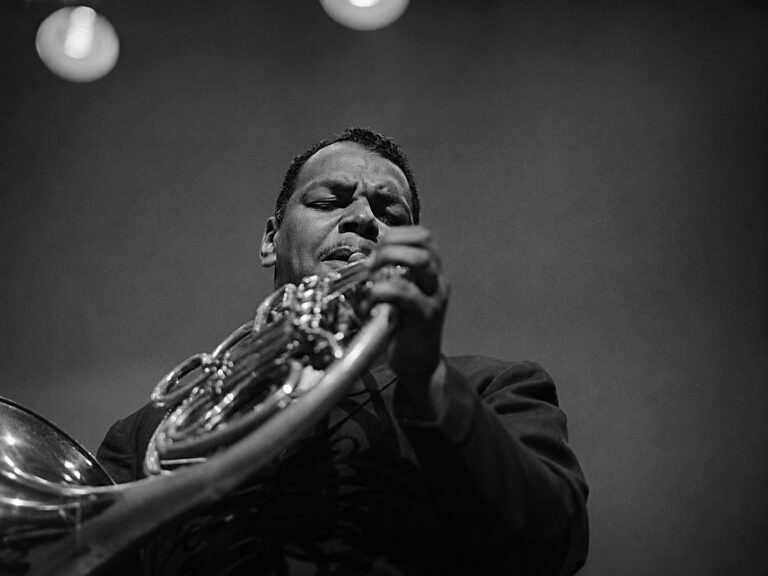
Agrell, Jeffrey
Jazz and the Horn
Julius Watkins
A pioneering career, landmark recordings and collaborations with jazz legends gave the French horn a place it had never occupied before.
pp. 20–23
Brass Bulletin No 41 · 1983
Corno· Incontri· Vita professionale· Jazz· Improvvisazione
Brass Bulletin 42 - 2 / 1983
Agrell, Jeffrey
Jazz and the Horn
Getting started
For the classically trained horn player, jazz replaces the security of the printed page with listening, swing and improvisation—and a different kind of discipline.
pp. 36–45
Brass Bulletin No 42 · 1983
Corno· Insegnamento· Tecnica· Jazz· Improvvisazione
Brass Bulletin 45 - 1 / 1984
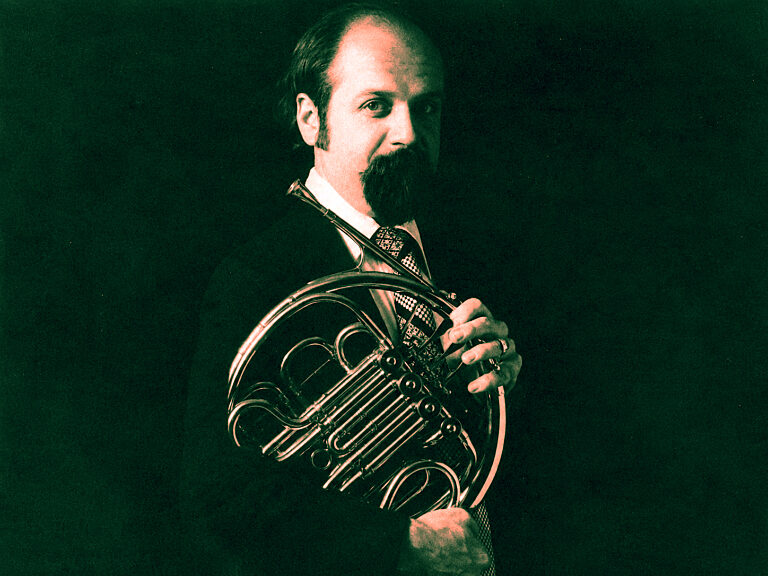
Agrell, Jeffrey
Jazz and the Horn
Thomas Bacon
Classical discipline meets jazz-rock freedom as Thomas Bacon confronts improvisation, stylistic crossover and the physical demands placed on the horn.
pp. 34–37
Brass Bulletin No 45 · 1984
Corno· Incontri· Improvvisazione· Jazz
Brass Bulletin 46 - 2 / 1984
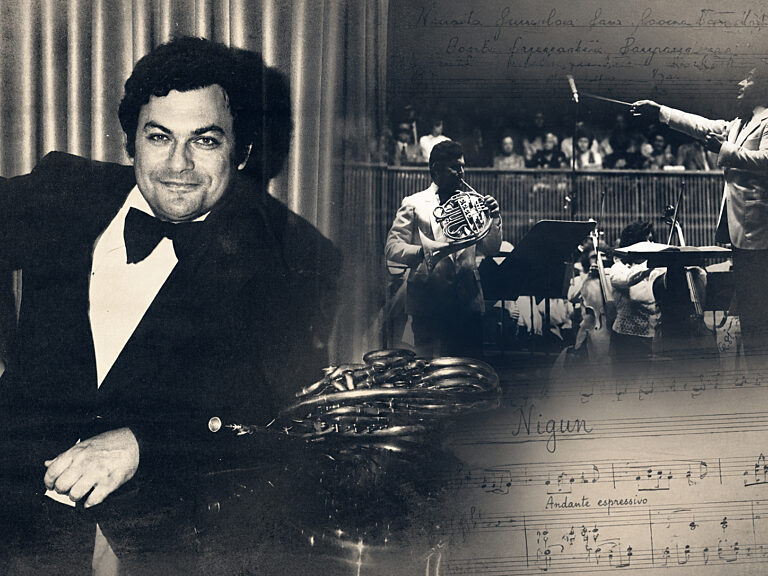
Agrell, Jeffrey
Meir Rimon
Portrait and conversation
Orchestral discipline, solo freedom and an endless appetite for learning shaped Meir Rimon’s horn playing across Israeli, European and American traditions.
pp. 36–41
Brass Bulletin No 46 · 1984
Corno· Incontri· Vita professionale· Pratica orchestrale· Esecuzione solistica
Brass Bulletin 47 - 3 / 1984
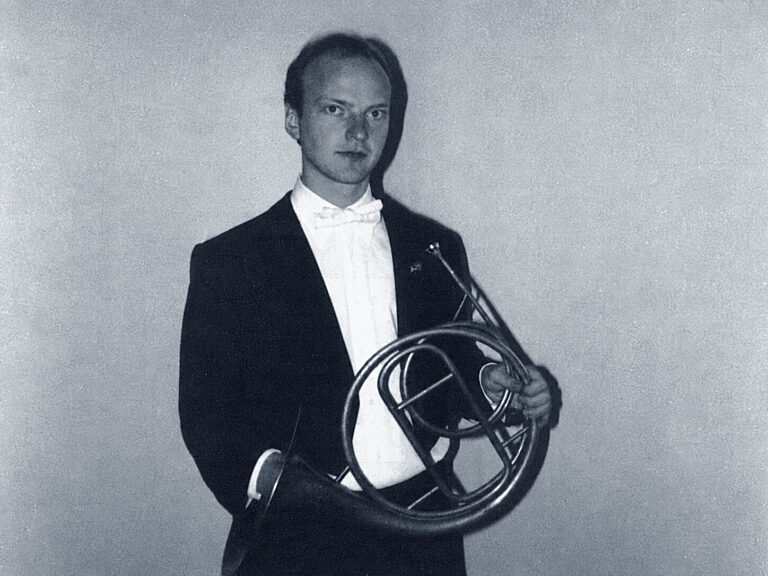
Agrell, Jeffrey
Interview with Thomas Müller
The natural horn is not a retreat into the past: Thomas Müller argues that its demands on sound, technique and awareness can broaden a modern player’s craft.
pp. 31–33
Brass Bulletin No 47 · 1984
Corno· Tecnica· Strumenti storici· Corno naturale
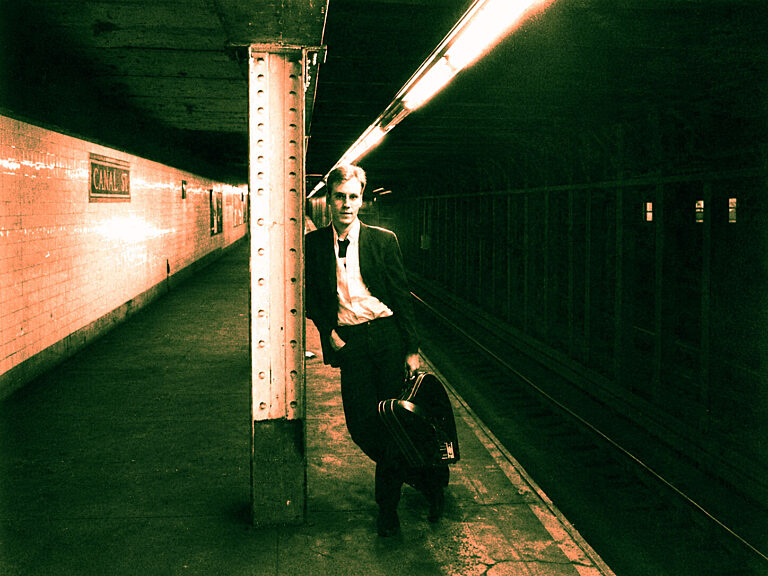
Agrell, Jeffrey
Jazz and the Horn
Tom Varner
Choosing jazz over the orchestral path, Tom Varner confronts the horn’s stiffness, projection and unlikely place as a front-line improvising voice.
pp. 55–57
Brass Bulletin No 47 · 1984
Corno· Incontri· Jazz· Improvvisazione
Brass Bulletin 49 - 1 / 1985
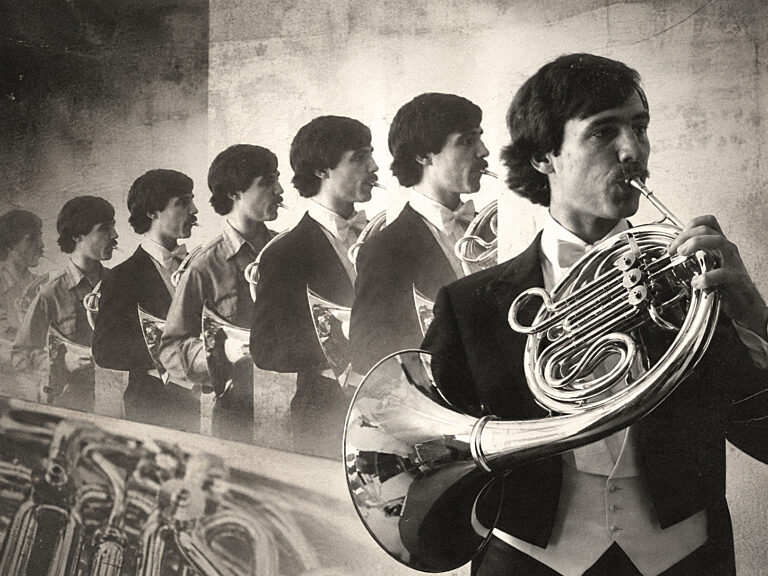
Agrell, Jeffrey
Steve Lewis, Hornmaker
Old World Craftsmanship plus New World Technology
In 1980s Chicago, Steve Lewis joined Old World bench craft to modern precision, building horns one by one around the player, the metal and a distinctive sound.
pp. 36–39
Brass Bulletin No 49 · 1985
Corno· Equipaggiamento· Costruttori di strumenti· Costruzione degli strumenti· Suono
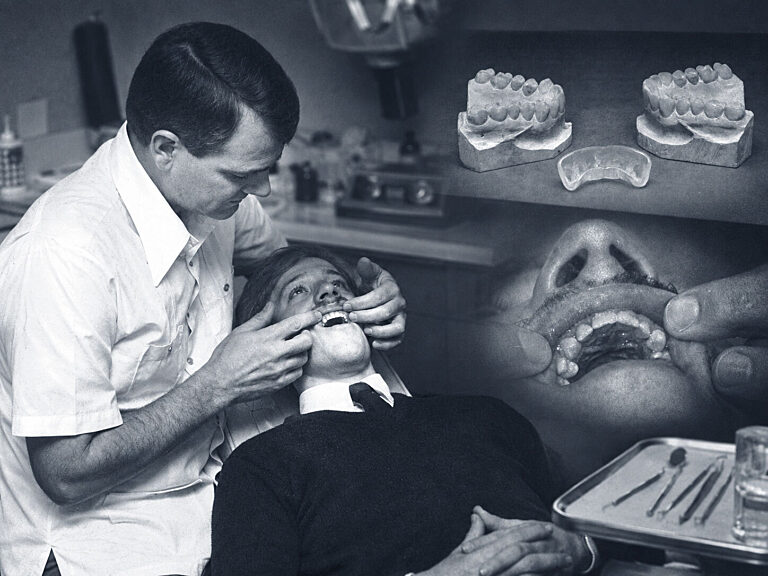
Agrell, Jeffrey
Overlays and bonding
New dental aids for brass players
A trumpeter’s dental experiments in the 1980s turned teeth, mouthpiece pressure and embouchure into an unexpected field of collaboration with dentistry.
pp. 80–86
Brass Bulletin No 49 · 1985
Salute· Tecnica· Denti· Resistenza
Brass Bulletin 50 - 2 / 1985
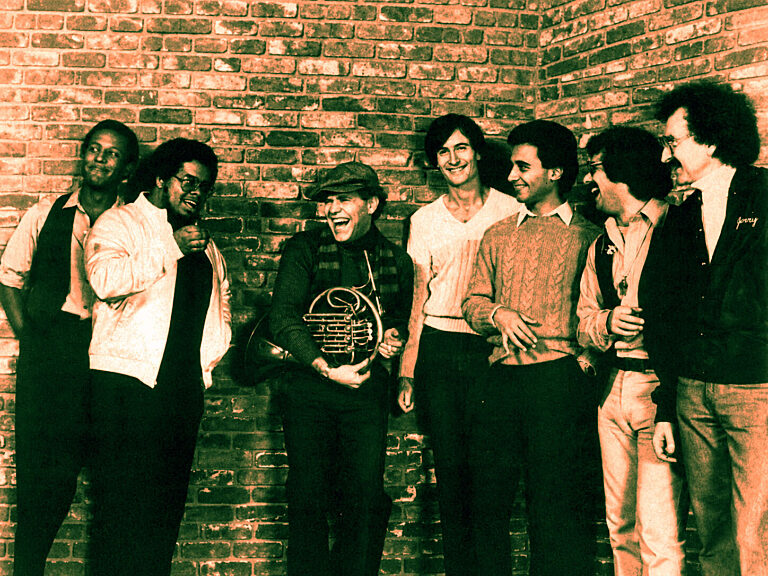
Agrell, Jeffrey
Jazz and the Horn
Peter Gordon
Classically trained but drawn elsewhere, Peter Gordon made the horn at home in jazz, studios and popular music without abandoning its orchestral foundations.
pp. 31–34
Brass Bulletin No 50 · 1985
Corno· Incontri· Jazz· Improvvisazione
Brass Bulletin 52 - 4 / 1985
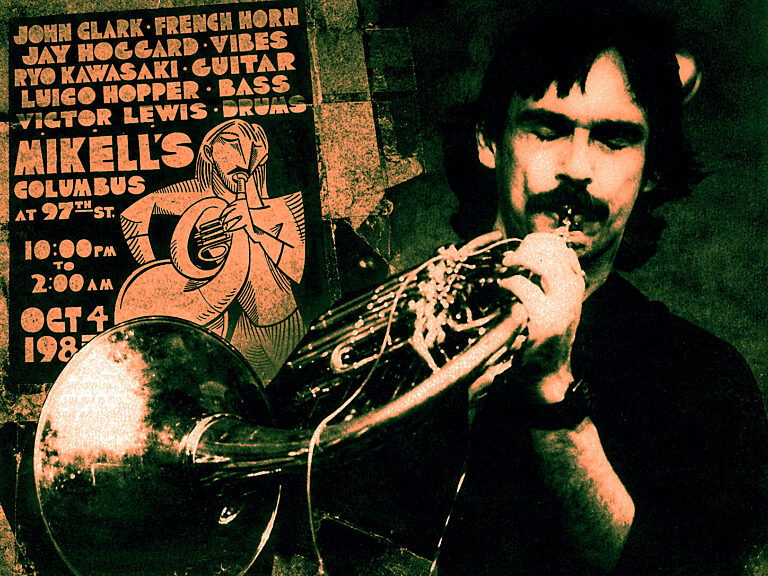
Agrell, Jeffrey
Jazz and the Horn
John Clark
John Clark made the horn a jazz voice on its own terms, balancing improvisation, studio realities and an instrument still fighting to escape classical expectations.
pp. 61–65
Brass Bulletin No 52 · 1985
Corno· Incontri· Tecnica· Jazz· Improvvisazione
Brass Bulletin 54 - 2 / 1986
Agrell, Jeffrey
Jazz and the Horn
Dale Clevenger
pp. 104–107
Brass Bulletin No 54 · 1986
Corno· Reportage· Incontri
Brass Bulletin 65 - 1 / 1989
Agrell, Jeffrey
Douglas Hill
Profile of a Horn player
pp. 46–48
Brass Bulletin No 65 · 1989
Corno· Incontri
Brass Bulletin 68 - 4 / 1989
Agrell, Jeffrey
Jazz and the Horn
Richard Todd
pp. 70–73
Brass Bulletin No 68 · 1989
Corno· Reportage· Incontri
Brass Bulletin 73 - 1 / 1991
Agrell, Jeffrey
West Meets East
Conversation with Peter Schärli
pp. 88–91
Brass Bulletin No 73 · 1991
Reportage
Brass Bulletin 120 - 4 / 2002
Agrell, Jeffrey
The Future of the Past
Interview with Richard Seraphinoff, player, teacher and horn maker
pp. 112–118
Brass Bulletin No 120 · 2002
Corno· Equipaggiamento