Ofrezca Brass Bulletin en su universidad, conservatorio o biblioteca Descubra el acceso institucional

2 min de lectura

A Little Trumpet Music

A Little Trumpet Music

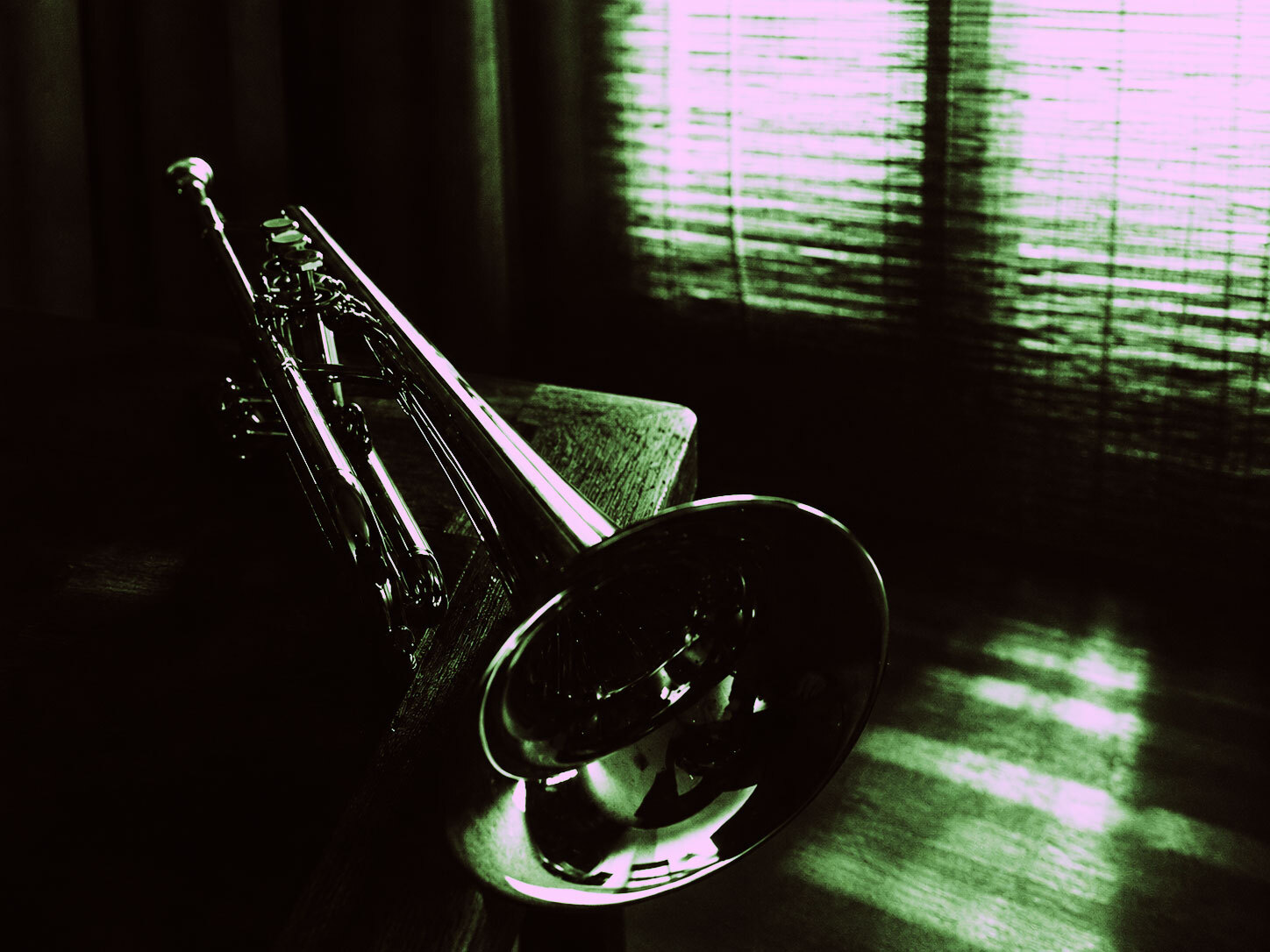
I had taken my D trumpet to the rehearsals for the high A’s. It’s not that they were so hard on the C but I didn’t want to take the risk. Relaxation, yoga, yin and yang, whisky, beta blockers — I had tried them all. All I had left was my courage.

As I put on my tails in the band-room, I felt the giddiness come over me. And yet I had prepared my lip carefully. At the rehearsals and at home the A’s (and even the higher notes which came later), always so difficult in isolation, were like blowing bubbles. My colleagues, happy, apparently relaxed, suddenly seemed distant and unreal.

We were greeted with applause from the audience as we took our seats. I settled myself in my chair with my trumpet on my knee. The conductor, playing to the gallery, made his way through the musicians and jumped on to the podium. I said to myself, almost aloud: “Watch it. This one starts right away, as soon as he’s bowed to the audience.”

Why did Mozart write these damned A’s? If you play them right, nobody notices; if you miss them, everybody notices. My chest is bursting. I’ve put up with that tam-tam for twenty years. Every time I tell myself, “Get out of this job. It’ll be the death of you.”

The first notes were OK. Now, 58 bars to count. Relaxation. I doze and count them in tens. There’s no problem in the next entry. Routine. My lip’s good tonight. The conductor’s ignoring me. Fine! My attention wanders from the stand and I examine the audience: anonymous, attentive, concentrating. The close contact between my lips and the mouthpiece rim comforts me a little. My lip seems flexible.

The music is nice. I suddenly realise I’m listening closely. The orchestra, my accomplices, are playing really well tonight. I have a strong desire to play, to take part. Time has stopped, the nerves have gone. I am part of the whole and the whole is carrying me along. I am no longer talking to myself; my thoughts are direct, free of words; they are not in two places at the same time. I measure every note, place it and regulate it, support it and hold it back, light it and extinguish it. The conductor no longer has a name, nor have my colleagues. The music no longer a title, nor a composer. Now there is only that silent concentration and that sounding cathedral which rises out of it, revealed by our vibrating instruments...

When the people stopped applauding, I slowly got ready to go, putting my good trumpet carefully into its velvet case. Before going home I went to the bar on the corner for a drink with the players I like best. It was a fine night; I was happy to be a musician and I understood once again why I had wanted to become one. The tam-tam had worked.

Notes

¹ I have written a series of “Little stories from brass life” with the aim of conveying, through an anecdote, those intense moments which every brass player experiences at one time or another. I have drawn liberally on the views and confidences of many friends and colleagues as well as on my own experiences. Clearly, however, the accounts are fictional.

Brass Bulletin 50, II / 1985 páginas 81–83

Todo el contenido está protegido por derechos de autor © Brass Bulletin 1985–2026

Compartir este artículo

Facebook LinkedIn
Cargando…

Preguntas y respuestas

Cómo funciona la edición digital

¿Qué incluye la edición digital?

La edición digital reúne los artículos ya digitalizados como textos legibles y consultables en línea —no simplemente como escaneos o archivos PDF— junto con sus ilustraciones originales, notas, autoría, información del número y traducciones disponibles. Las sugerencias de artículos relacionados incluyen actualmente solo este material digitalizado.

¿Los artículos digitales son idénticos a los originales?

Conservamos con la mayor fidelidad posible el texto original, el idioma, las ilustraciones, los pies de imagen, las notas y el contexto editorial. La presentación se adapta para facilitar la lectura en línea y pueden corregirse errores evidentes de transcripción o escaneado. El contenido y el carácter del artículo publicado permanecen inalterados.

¿Qué idiomas están disponibles?

Brass Bulletin se publicó en inglés, francés y alemán a lo largo de toda su historia. Las traducciones al italiano y al español se añadieron a partir del número 60. Por este motivo, en los sitios italiano y español los artículos de los números 1 a 59 se muestran en inglés de forma predeterminada.

¿Con qué frecuencia se añaden nuevos artículos?

Se añaden nuevos artículos casi a diario, con aproximadamente un número completo digitalizado cada semana. El ritmo puede variar según el trabajo de preparación, tratamiento de imágenes y revisión editorial necesario.

¿Por qué no están disponibles todos los artículos en formato digital?

La colección completa de Brass Bulletin contiene 1.246 artículos publicados entre 1971 y 2003. El índice completo ya está disponible en línea y permite descubrir todos los artículos de la colección, incluidos aquellos cuyo texto íntegro todavía no ha sido digitalizado.

La digitalización comenzó en febrero de 2026. Cada artículo se prepara cuidadosamente para la lectura en línea, se revisa y se vincula con su número, sus autores, sus temas y sus ilustraciones. Al ritmo actual de digitalización, se prevé que la colección completa esté disponible en línea en febrero de 2028.

¿Por qué algunas referencias mencionan artículos que todavía no están disponibles?

Las referencias de los artículos originales se conservan aunque el material al que remiten aún no haya sido digitalizado. De este modo se mantiene intacto el contexto histórico y editorial. A medida que se incorporen más números a la edición digital, un número creciente de estas referencias conducirá a artículos que podrán leerse en línea.

¿Puedo sugerir un artículo o informar de un error de transcripción?

Sí. Si hay algún artículo que le gustaría especialmente ver digitalizado, o si detecta un posible error de transcripción o algún dato que falta, póngase en contacto con nosotros. Los comentarios de los lectores nos ayudan a mejorar la edición digital y a establecer prioridades útiles dentro del archivo.

¿Cómo puedo apoyar a Brass Bulletin?

Su apoyo ayuda a financiar la preparación, verificación y publicación en línea de la colección completa.

Suscríbase a la Edición Digital

¿Prefiere apoyarnos sin suscribirse?

Haga una donación

¿Cómo avanza la digitalización?

Estamos poniendo Brass Bulletin a disposición de los lectores en línea, artículo por artículo. Pueden leer los artículos recién digitalizados en cuanto estén listos, incluso antes de que se complete un número entero.

Consulten nuestro calendario de digitalización para descubrir las últimas novedades y las fechas estimadas de disponibilidad de los próximos números. Estas estimaciones se basan en nuestro ritmo reciente y pueden cambiar.

Busca en Brass Bulletin.