Explore institutional access →

Technique

115 articles
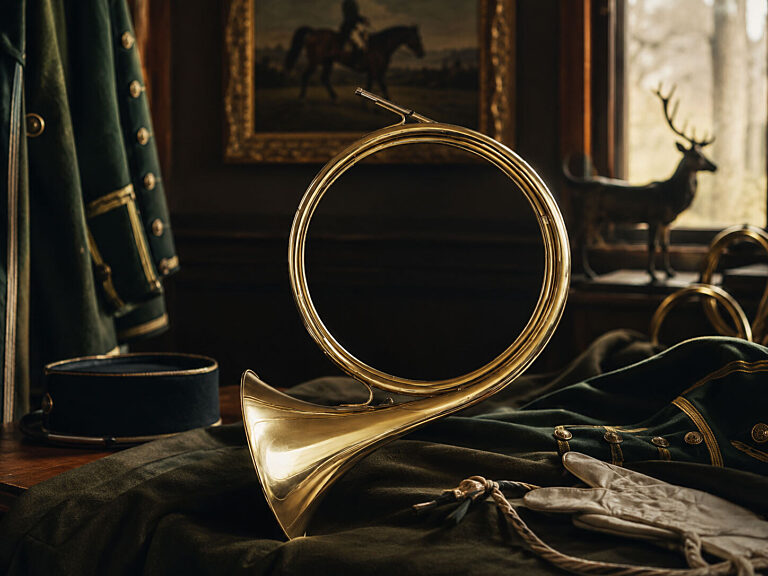
The French Hunting horn, its history, its technique and its music Member
No. 39 • 1982 Digitized

The French Hunting horn, its history, its technique and its music

Centuries-old hunting signals still shape performance today, where technique, ritual and oral tradition preserved a musical language unlike any other brass practice.

By Daniel Bourgue

History Technique French school Historical instruments Ornaments
No. 117 • 2002 Awaiting digitization

Part 3

A player’s first years

Oral instruction, written instruction

By Jean-Pierre Mathez
Teaching Technique
Singing lessons for brass players? Member
No. 5 • 1973 Digitized

Singing lessons for brass players?

Explores how vocal training can benefit brass players, improving breathing, phrasing, tone production and musical expression.

By Heinz Knodt

Technique Teaching Health Breathing
No. 84 • 1993 Awaiting digitization

Part 4

DSA - Digital analysis of intonation and sound

Tuning with the computer

By Robert Meissner

Technique Acoustics
No. 62 • 1988 Awaiting digitization

The universal double horn

By Peter Steidle
Technique
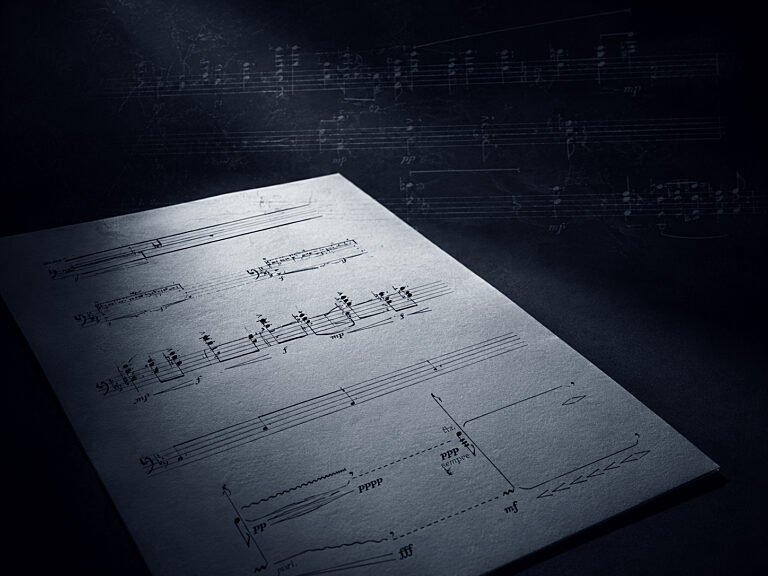
Playing and singing simultaneously on brass instruments Member
No. 35 • 1981 Digitized

Part 1

Playing and singing simultaneously on brass instruments

From Weber and Vivier to contemporary solo works, singing into the brass instrument becomes a multiphonic technique shaped by notation, acoustics, and practice.

By Benny Sluchin

Technique Contemporary Music Sound Intonation
No. 80 • 1992 Awaiting digitization

The Vienna horn and the Vienna sound

Special Austria

By Armin Suppan

History Technique Equipment
Editorial Free
No. 45 • 1984 Digitized

Editorial

Between disciplined practice and creative folly, musicianship emerges where scales and systems give way to imagination, instinct and the unsettling freedom to think.

By Jean-Pierre Mathez

Teaching Technique Mental approach Interpretation Ideas
The Lips
No. 58 • 1987 Awaiting digitization

Brass Techniques Series • Part 5

The Lips

By Jean-Pierre Mathez
Technique
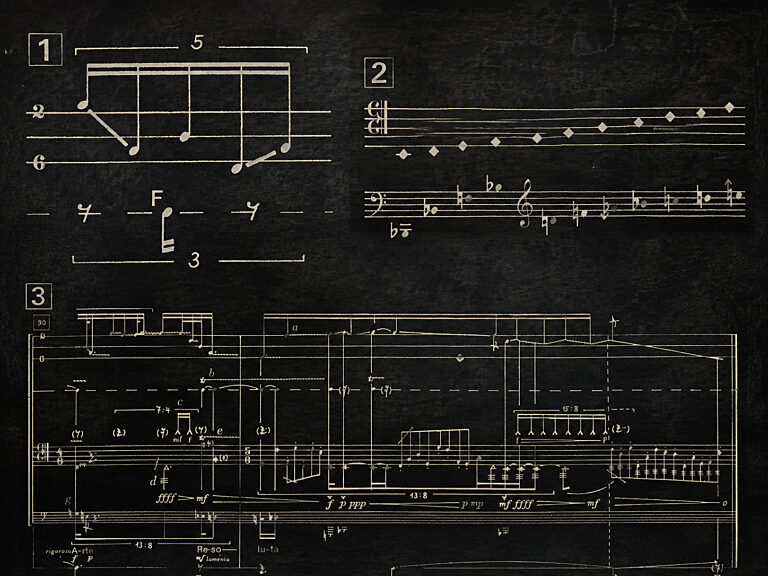
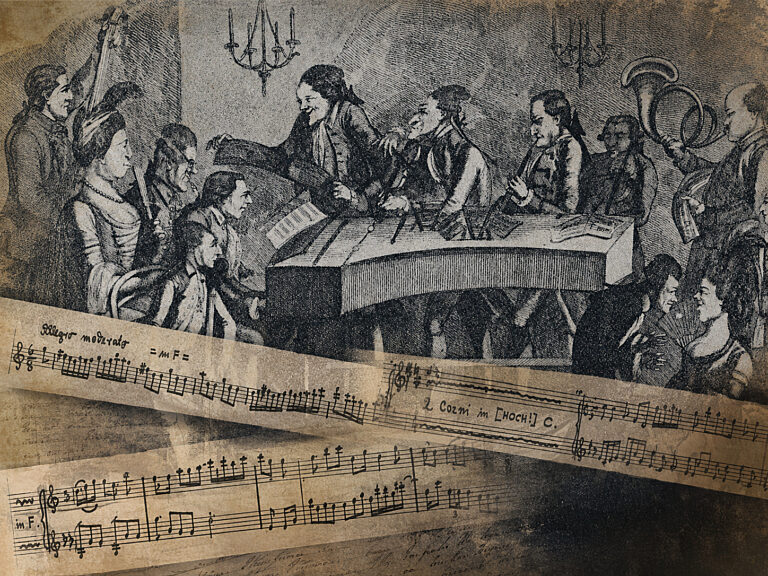
The Polyphonic Trombone Free
No. 45 • 1984 Digitized

The Polyphonic Trombone

A suggested notation system

When trombone slide, overtones, breath and valves become independent musical voices, conventional notation reaches its limits and a new system becomes necessary.

By Klaus-K. Hübler
Repertoire Technique Contemporary Music
Impossible? Member
No. 10 • 1975 Digitized

Impossible?

Kurt Janetzky challenges the notion of the “impossible” in brass playing, arguing that technical limits evolve and that demanding repertoire—past or present—should never be dismissed as unplayable.

By Kurt Janetzky
Repertoire Technique Interpretation Ideas
ASA-Method Free
No. 29 • 1980 Digitized

ASA-Method

From Bach’s clarino tradition to modern piccolo trumpet playing, extreme high-register technique is tied here to breath support, pressure control and disciplined endurance.

By Rolf Quinque

Technique Teaching Breathing Range Endurance
No. 114 • 2001 Awaiting digitization

Visualization of Brass Player’s Warm up by Infrared Thermography

By Matthias Bertsch

Technique
No. 114 • 2001 Awaiting digitization

Part 2

The art of chamber music

By Jean-Pierre Mathez
Technique Repertoire
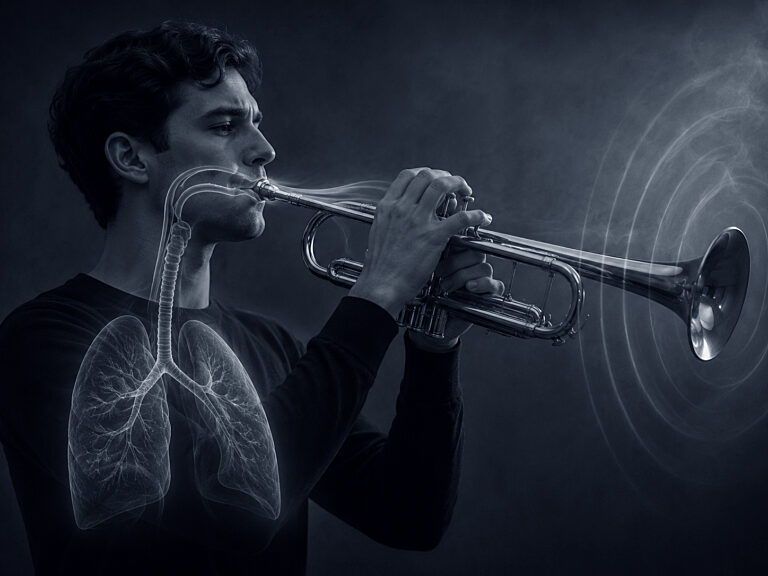
Blowing as a body function Member
No. 34 • 1981 Digitized

Blowing as a body function

Breathing habits, posture and body mechanics converge in a practical view of tone production, where William F. Cramer questions prevailing assumptions.

By William F. Cramer

Technique Teaching Breathing Sound Articulation
Member
No. 9 • 1974 Digitized

Reflections on the horn

Francis Orval reflects on horn playing, discussing tone production, breathing and the influence of French and German traditions on sound and style.

By Francis Orval

Technique Equipment Repertoire Sound Instrument making
Practical Hints Free
No. 36 • 1981 Digitized

Part 7

Practical Hints

Tone stability remains the foundation of velocity as James Stamp reshapes a Clarke study into a preparatory exercise linking sound control with fluent technical playing.

By James Stamp

Technique Teaching
Practical Hints Member
No. 32 • 1980 Digitized

Part 3

Practical Hints

A preparatory adaptation of a Clarke technical study reframes finger technique, airflow, and efficiency through a progressive approach to daily practice.

By James Stamp
Technique Teaching
On the question of articulation in the horn concertos by W. A. Mozart Free
No. 22 • 1978 Digitized

On the question of articulation in the horn concertos by W. A. Mozart

How should Mozart really sound? Peter Damm questions traditional editions and reveals how articulation—often missing—must be rebuilt through style, listening, and musical judgment.

By Peter Damm

Repertoire Technique Articulation Interpretation
Loading…

Questions & Answers

How the Digital Edition works

What does the Digital Edition include?

The Digital Edition brings together the articles already digitized as searchable online texts—not simply as scans or PDF files—along with their original illustrations, notes, authorship, issue information, and available translations. Related-article suggestions currently include only this digitized material.

Are the digital articles identical to the originals?

We preserve the original text, language, illustrations, captions, footnotes, and editorial context as faithfully as possible. The presentation is adapted for comfortable online reading, and obvious transcription or scanning errors may be corrected. The substance and character of the published article remain unchanged.

Which languages are available?

Brass Bulletin was published in English, French, and German throughout its history. Italian and Spanish translations were added from issue No. 60 onward.

On the Italian and Spanish sites, articles from issues 1–59 are therefore shown in English by default.

How often are new articles added?

New articles are added almost daily, with approximately one complete issue digitized each week. The pace may vary depending on the preparation, image work, and editorial checking required.

Why aren’t all articles available digitally?

The complete Brass Bulletin collection contains 1,246 articles published between 1971 and 2003. The full index is already available online, allowing readers to discover every article in the collection, including those whose complete text has not yet been digitized.

Digitization began in February 2026. Each article is carefully prepared for online reading, checked, and connected to its issue, authors, subjects, and illustrations. At the current pace of digitization, the complete collection is expected to be available online by February 2028.

Why do some references mention articles that are not available yet?

References in the original articles are preserved even when the material they point to has not yet been digitized. This keeps the historical and editorial record intact. As more issues are added to the Digital Edition, an increasing number of these references will lead to articles that can be read online.

Can I suggest an article or report a transcription error?

Yes. If there is an article you would particularly like to see digitized, or if you notice a possible transcription error or missing detail, please contact us. Reader feedback helps us improve the Digital Edition and prioritize useful connections within the archive.

How can I support Brass Bulletin?

Your support helps fund the preparation, verification, and online publication of the complete collection.

Subscribe to the Digital Edition

Prefer to support us without subscribing?

Make a donation

How is the digitization progressing?

We’re gradually making the Brass Bulletin available online, article by article. You can read newly digitized articles as soon as they’re ready, even before an entire issue is complete.

Visit our Digitization Roadmap to browse recent additions and see estimated availability for upcoming issues. These estimates follow our recent pace and may change.

Search Brass Bulletin.