Rendete Brass Bulletin disponibile nella vostra università, nel vostro conservatorio o nella vostra biblioteca Scoprite l’accesso istituzionale

Pratica strumentale

167 articoli disponibili online
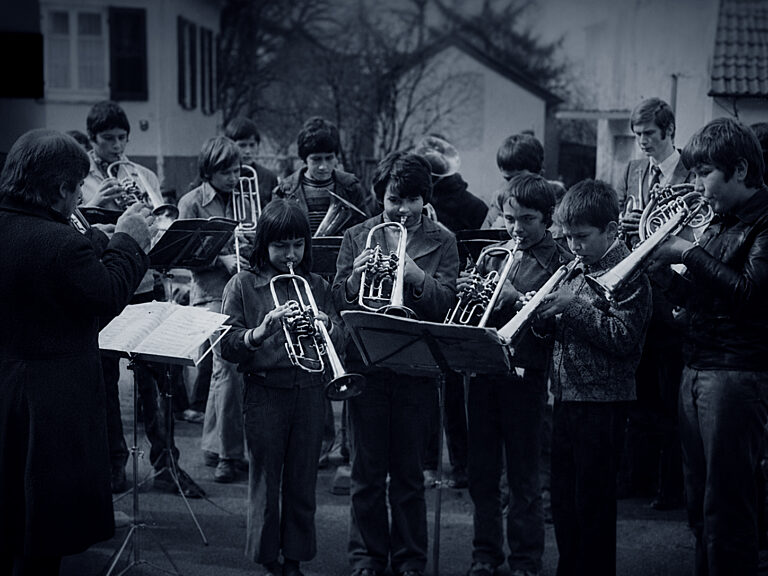
Working with the Posaunenchor Gratuito
N. 34 • 1981 Digitalizzato

Working with the Posaunenchor

From Württemberg youth groups to mass brass gatherings in Ulm, a community tradition links faith, education and amateur brass playing across generations.

Di Max Sommerhalder
Insegnamento Società Ensemble di ottoni Sociologia Improvvisazione Banda
Singing lessons for brass players? Membro
N. 5 • 1973 Digitalizzato

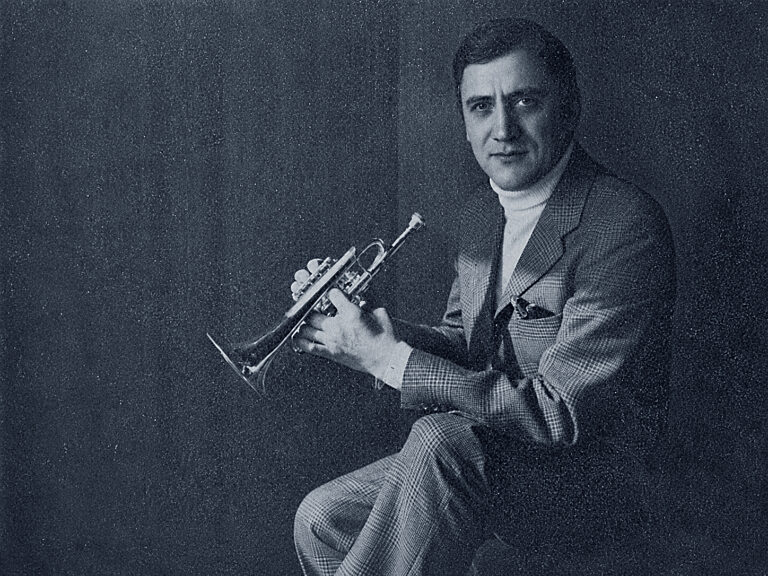
Singing lessons for brass players?

Explores how vocal training can benefit brass players, improving breathing, phrasing, tone production and musical expression.

Di Heinz Knodt

Tecnica Insegnamento Salute Respirazione
On the sensitivity of brass instruments Gratuito
N. 28 • 1979 Digitalizzato

On the sensitivity of brass instruments

Cold-hammered hunting horns retain a tactile memory of sound and playing, leading Jacques Poncet to question how brass instruments evolve in use.

Di Jacques Poncet
Equipaggiamento Acustica Costruzione degli strumenti Suono
Mikhail Innokentiévitch Tabakov (1877-1958) Membro
N. 22 • 1978 Digitalizzato

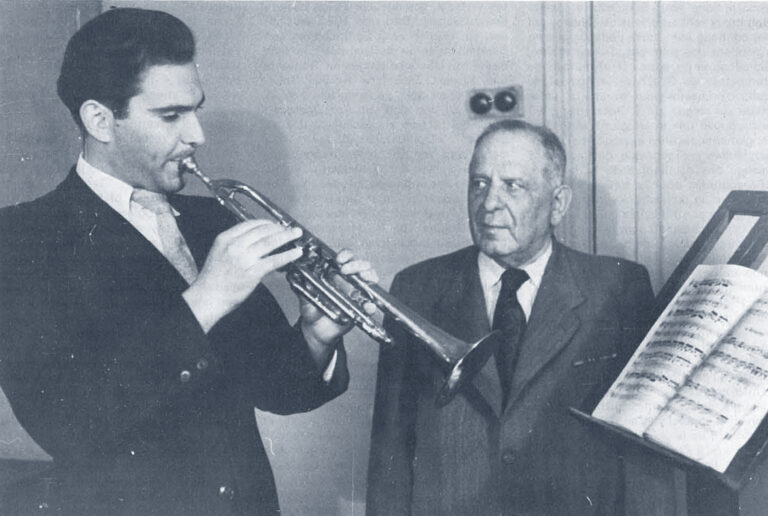
Mikhail Innokentiévitch Tabakov (1877-1958)

Founder of the Soviet trumpet school

A towering figure of trumpet history: Tabakov shaped generations—including the legendary Timofei Dokchitzer—and laid the foundations of the Soviet trumpet school.

Di G. Orvid, S. Riaouzov
Storia Insegnamento Scuola russa Suono Interpretazione
A scientific study of pulmonary function Membro
N. 13 • 1976 Digitalizzato

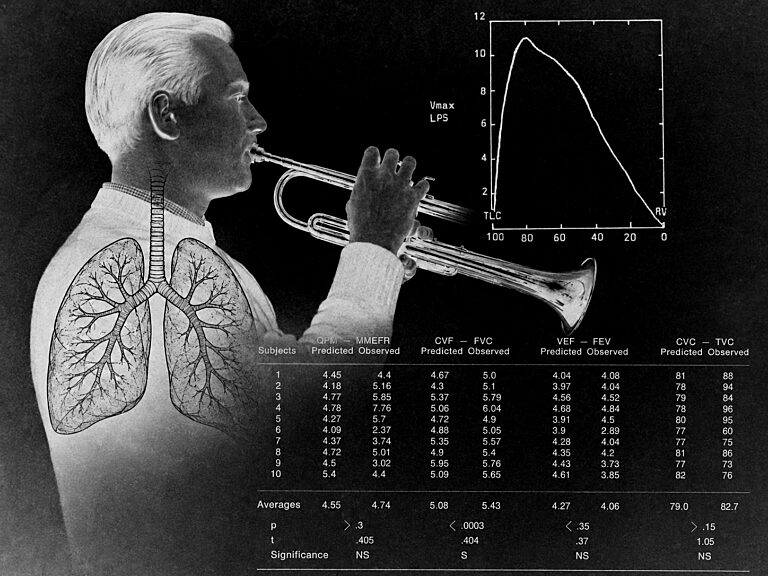
A scientific study of pulmonary function

As applied to wind instrument playing, with emphasis on the study of lung function in trumpet playing

Do trumpet players breathe differently? William W. Bing shows not really—except for greater lung capacity tied to endurance, with no harmful effects.

Di William W. Bing

Salute Respirazione Resistenza
Editorial Gratuito
N. 34 • 1981 Digitalizzato

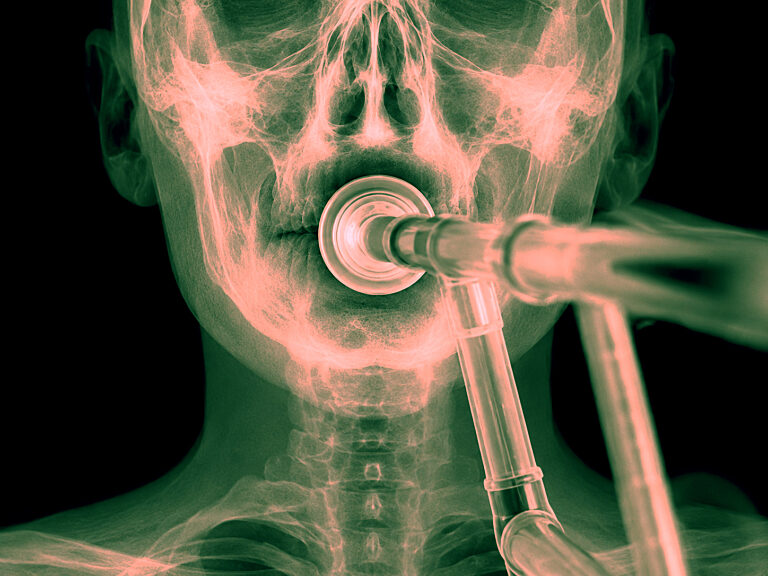
Editorial

Beyond technique and instruction, musical growth depends on trusted relationships, where friendship becomes both a measure of progress and a safeguard against isolation.

Di Jean-Pierre Mathez
Insegnamento Società Idee Interpretazione
Science and Technology in Trombone Teaching Gratuito
N. 41 • 1983 Digitalizzato

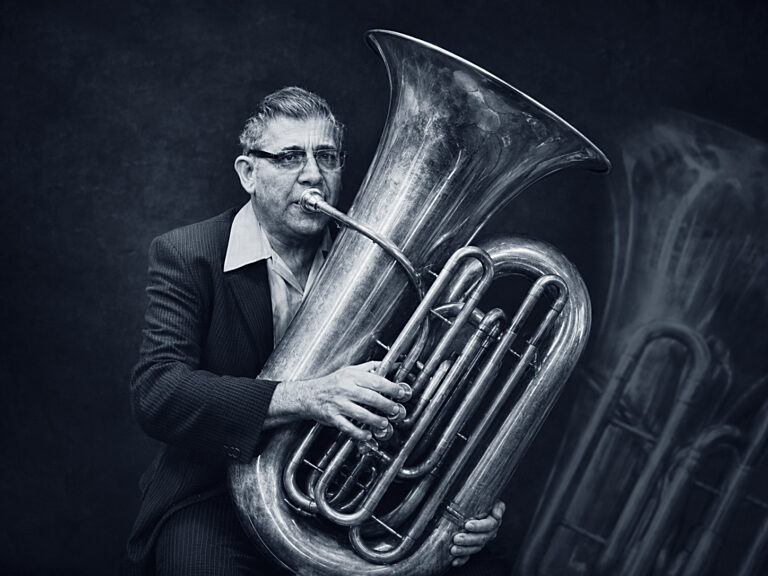
Science and Technology in Trombone Teaching

What if tone production depended less on instinct than on understanding how the instrument, the lips and the air function as one interconnected system?

Di Sergej Gorovoj
Insegnamento Acustica Suono Respirazione Lingua
Arnold Jacobs Membro
N. 34 • 1981 Digitalizzato

Parte 2

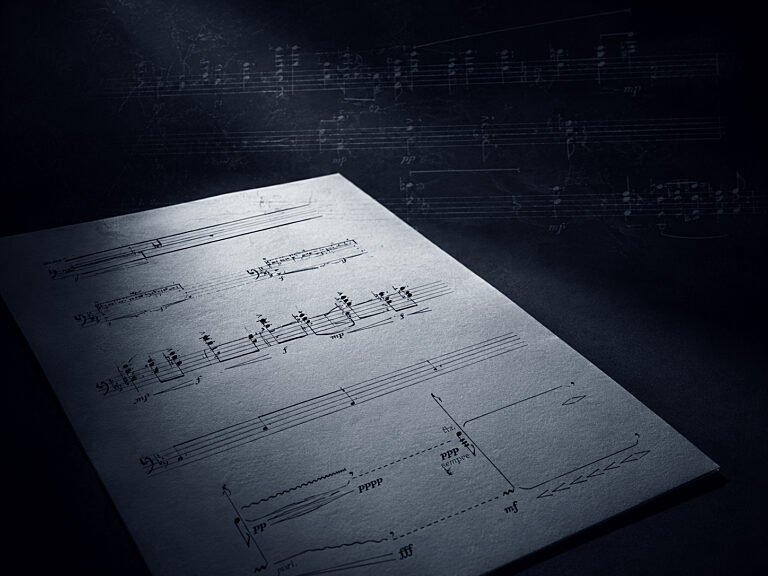
Arnold Jacobs

Interview

From Curtis to Chicago, a tuba player's path crosses Reiner, Koussevitzky and Ormandy, while teaching evolves toward breathing, thought and musical function.

Di Roger Bobo
Incontri Vita professionale Audizioni Pratica orchestrale Respirazione
Playing and singing simultaneously on brass instruments Membro
N. 35 • 1981 Digitalizzato

Parte 1

Playing and singing simultaneously on brass instruments

From Weber and Vivier to contemporary solo works, singing into the brass instrument becomes a multiphonic technique shaped by notation, acoustics, and practice.

Di Benny Sluchin

Tecnica Musica contemporanea Suono Intonazione
Editorial Gratuito
N. 45 • 1984 Digitalizzato

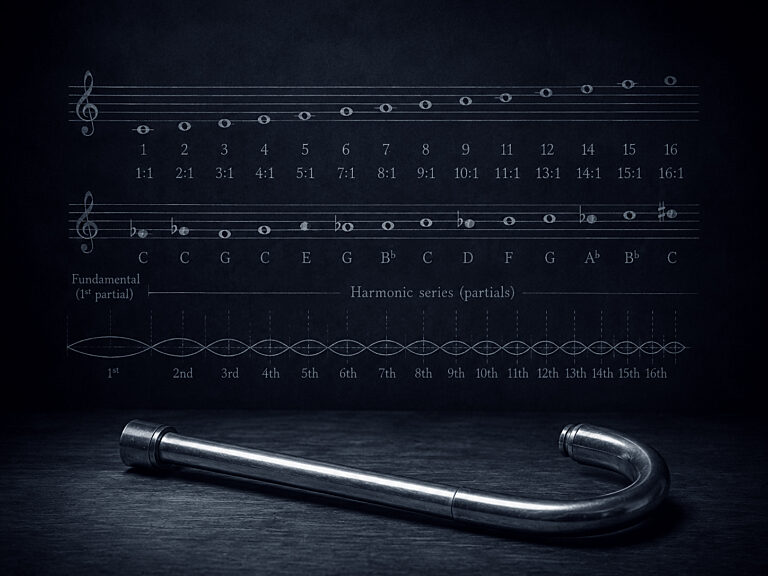
Editorial

Between disciplined practice and creative folly, musicianship emerges where scales and systems give way to imagination, instinct and the unsettling freedom to think.

Di Jean-Pierre Mathez
Insegnamento Tecnica Approccio mentale Interpretazione Idee
Harmonics or partials? Gratuito
N. 33 • 1981 Digitalizzato

Harmonics or partials?

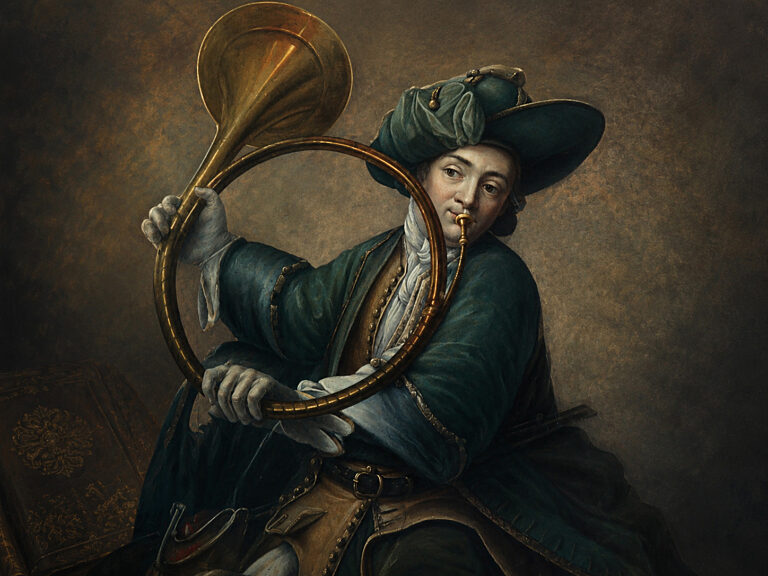
Behind every brass note lies a compromise between acoustical theory and instrument design, as E. Ferron questions what players call a harmonic.

Di Emile Ferron
Acustica Intonazione Suono Costruzione degli strumenti
300 Years of the Horn in Bohemia Gratuito
N. 31 • 1980 Digitalizzato

300 Years of the Horn in Bohemia

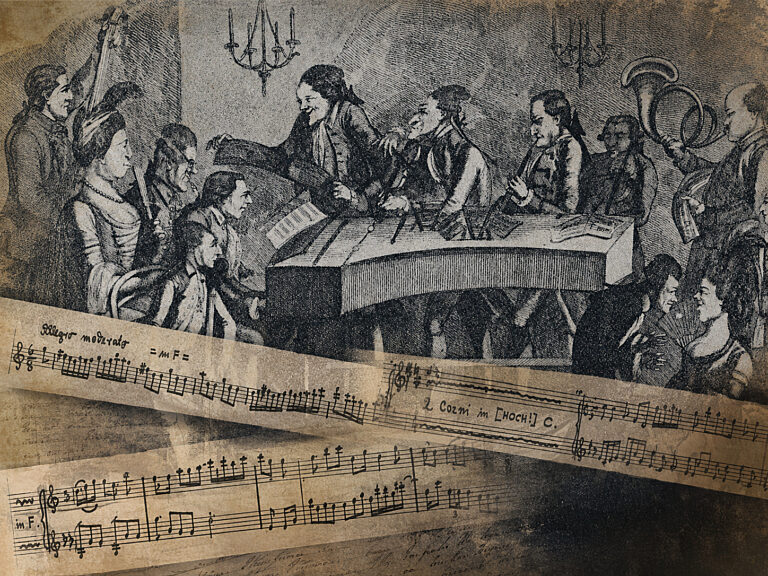
An unsigned portrait from the Dresden court links the rise of Bohemian horn playing to the ceremonial world of Baroque hunting culture.

Di Kurt Janetzky
Storia Società Strumenti storici Interpretazione Sociologia
Impossible? Membro
N. 10 • 1975 Digitalizzato

Impossible?

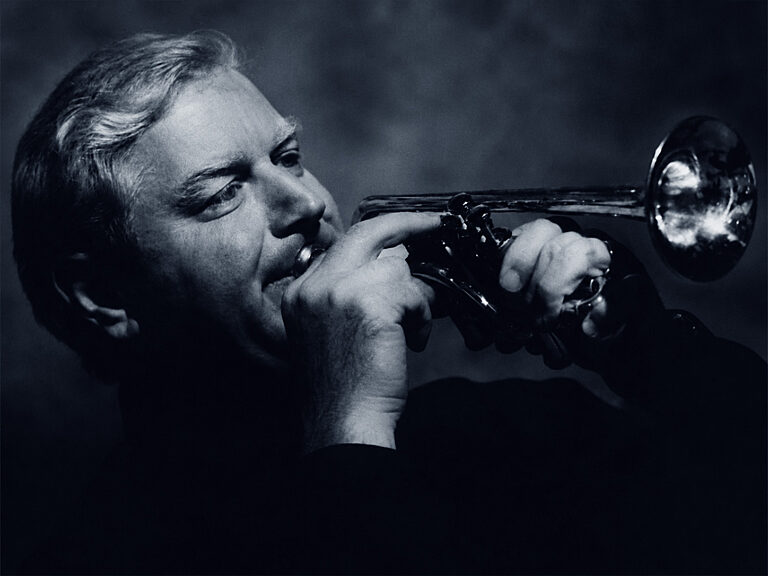
Kurt Janetzky challenges the notion of the “impossible” in brass playing, arguing that technical limits evolve and that demanding repertoire—past or present—should never be dismissed as unplayable.

Di Kurt Janetzky
Repertorio Tecnica Interpretazione Idee
ASA-Method Gratuito
N. 29 • 1980 Digitalizzato

ASA-Method

From Bach’s clarino tradition to modern piccolo trumpet playing, extreme high-register technique is tied here to breath support, pressure control and disciplined endurance.

Di Rolf Quinque

Tecnica Insegnamento Respirazione Estensione Resistenza
Editorial Gratuito
N. 32 • 1980 Digitalizzato

Editorial

Progress by Stages

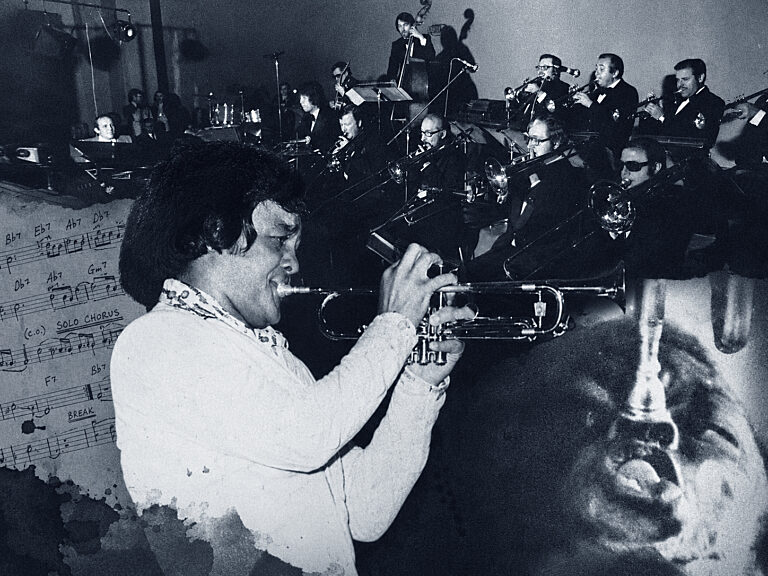
Between technical routine and lived experience, musical growth emerges through setbacks, observation and the gradual shaping of an individual voice.

Di Jean-Pierre Mathez
Insegnamento Salute Nervi Interpretazione Idee
The Trumpet and the Cornet in Jazz and Popular Music Membro
N. 44 • 1983 Digitalizzato

Parte 3

The Trumpet and the Cornet in Jazz and Popular Music

The pluralism of the so-called “modern” forms (1945 to the present)

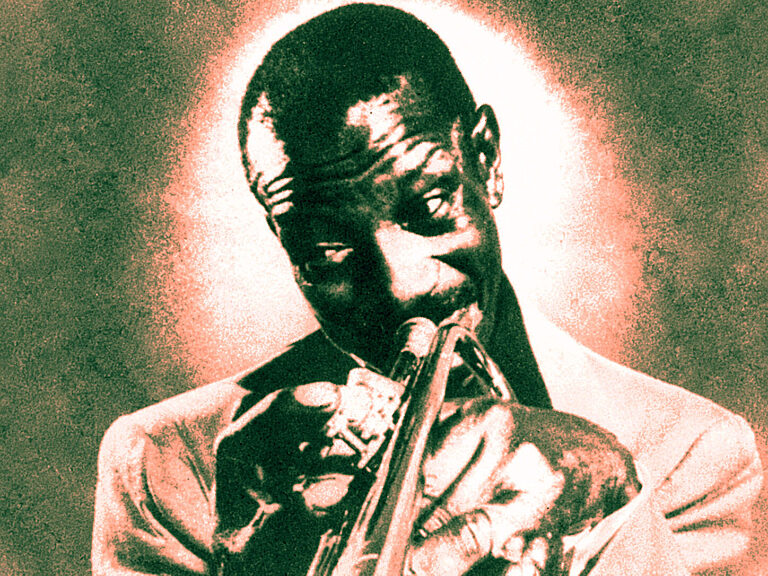
Bebop, Miles Davis and the rise of the flugelhorn mark a postwar jazz landscape in which trumpet playing splintered into competing sounds and ideals.

Di Michel Laplace
Storia Equipaggiamento Jazz Improvvisazione Suono
Blowing as a body function Membro
N. 34 • 1981 Digitalizzato

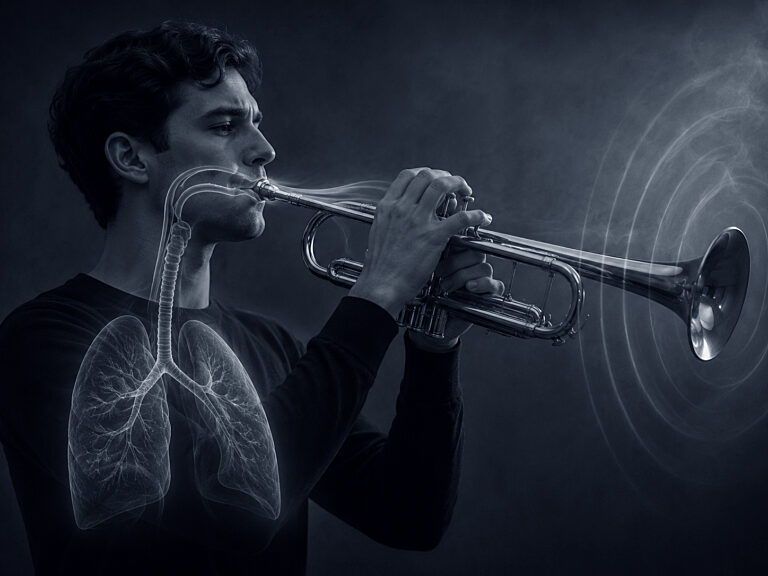
Blowing as a body function

Breathing habits, posture and body mechanics converge in a practical view of tone production, where William F. Cramer questions prevailing assumptions.

Di William F. Cramer
Tecnica Insegnamento Respirazione Suono Articolazione
Jabbo Smith Membro
N. 49 • 1985 Digitalizzato

Jabbo Smith

The Unrecognised Jazz Trumpeter

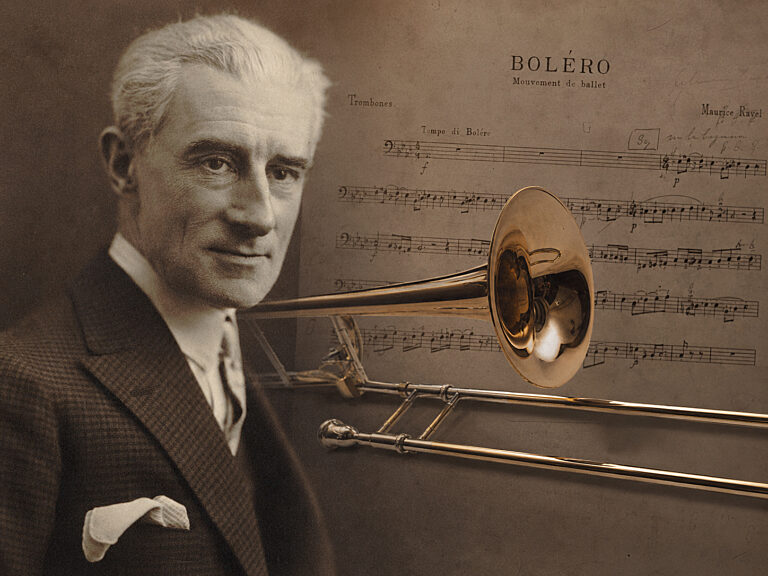
Overshadowed by Armstrong and later by Eldridge, Jabbo Smith emerges as a crucial trumpet innovator whose speed, range and phrasing anticipated modern jazz.

Di Michel Laplace
Storia Jazz Improvvisazione
The trombone in Maurice Ravel's Boléro Gratuito
N. 19 • 1977 Digitalizzato

Parte 2

The trombone in Maurice Ravel's Boléro

Boléro as ordeal: Jean Douay reveals stage fright, pressure, and the weight of the final solo—where one moment can elevate or undermine the entire orchestra.

Di Jean Douay

Repertorio Pratica orchestrale Interpretazione
Editorial Gratuito
N. 28 • 1979 Digitalizzato

Editorial

From cultural codes to personal sincerity, Jean-Pierre Mathez questions how musicians recognise truth across styles, traditions and musical languages.

Di Jean-Pierre Mathez

Società Interpretazione Sociologia
Membro
N. 9 • 1974 Digitalizzato

Reflections on the horn

Francis Orval reflects on horn playing, discussing tone production, breathing and the influence of French and German traditions on sound and style.

Di Francis Orval

Tecnica Equipaggiamento Repertorio Suono Costruzione degli strumenti
The hunting horn Gratuito
N. 39 • 1982 Digitalizzato

The hunting horn

Long-held beliefs about the French hunting horn are challenged as forgotten playing practices and Baroque traditions reshape its early history and repertoire.

Di Jacques Poncet

Storia Repertorio Scuola francese Strumenti storici Interpretazione
On the question of articulation in the horn concertos by W. A. Mozart Gratuito
N. 22 • 1978 Digitalizzato

On the question of articulation in the horn concertos by W. A. Mozart

How should Mozart really sound? Peter Damm questions traditional editions and reveals how articulation—often missing—must be rebuilt through style, listening, and musical judgment.

Di Peter Damm

Repertorio Tecnica Articolazione Interpretazione
Loading…

Domande e risposte

Come funziona l’edizione digitale

Che cosa comprende l’edizione digitale?

L’edizione digitale riunisce gli articoli già digitalizzati sotto forma di testi leggibili e ricercabili online — non semplicemente come scansioni o file PDF — insieme alle illustrazioni originali, alle note, agli autori, alle informazioni sul numero della rivista e alle traduzioni disponibili. I suggerimenti di articoli correlati comprendono attualmente solo questo materiale digitalizzato.

Gli articoli digitali sono identici agli originali?

Conserviamo il più fedelmente possibile il testo originale, la lingua, le illustrazioni, le didascalie, le note e il contesto editoriale. La presentazione viene adattata per una lettura confortevole online e gli evidenti errori di trascrizione o scansione possono essere corretti. Il contenuto e il carattere dell’articolo pubblicato rimangono invariati.

Quali lingue sono disponibili?

Brass Bulletin è stato pubblicato in inglese, francese e tedesco nel corso di tutta la sua storia. Le traduzioni italiane e spagnole sono state aggiunte a partire dal numero 60. Sui siti italiano e spagnolo, gli articoli dei numeri da 1 a 59 vengono quindi mostrati in inglese per impostazione predefinita.

Con quale frequenza vengono aggiunti nuovi articoli?

Nuovi articoli vengono aggiunti quasi ogni giorno, con circa un numero completo digitalizzato ogni settimana. Il ritmo può variare in base al lavoro di preparazione, elaborazione delle immagini e verifica editoriale necessario.

Perché non tutti gli articoli sono disponibili in formato digitale?

La collezione completa di Brass Bulletin comprende 1.246 articoli pubblicati tra il 1971 e il 2003. L’indice completo è già disponibile online e consente di scoprire tutti gli articoli della collezione, compresi quelli il cui testo integrale non è ancora stato digitalizzato.

La digitalizzazione è iniziata nel febbraio 2026. Ogni articolo viene accuratamente preparato per la lettura online, verificato e collegato al relativo numero, agli autori, agli argomenti e alle illustrazioni. Al ritmo attuale di digitalizzazione, la collezione completa dovrebbe essere disponibile online entro febbraio 2028.

Perché alcuni riferimenti citano articoli che non sono ancora disponibili?

I riferimenti presenti negli articoli originali vengono conservati anche quando il materiale a cui rimandano non è ancora stato digitalizzato. In questo modo si preserva l’integrità storica ed editoriale della rivista. Man mano che nuovi numeri vengono aggiunti all’edizione digitale, un numero crescente di questi riferimenti condurrà ad articoli leggibili online.

Posso suggerire un articolo o segnalare un errore di trascrizione?

Sì. Se desiderate che un determinato articolo venga digitalizzato, oppure se notate un possibile errore di trascrizione o un’informazione mancante, contattateci. I riscontri dei lettori ci aiutano a migliorare l’edizione digitale e a stabilire priorità utili all’interno dell’archivio.

Come posso sostenere Brass Bulletin?

Il vostro sostegno contribuisce a finanziare la preparazione, la verifica e la pubblicazione online dell’intera collezione.

Abbonati all’Edizione digitale

Preferite sostenerci senza abbonarvi?

Fate una donazione

Come procede la digitalizzazione?

Stiamo rendendo Brass Bulletin disponibile online gradualmente, articolo per articolo. Potete leggere gli articoli appena digitalizzati non appena sono pronti, anche prima che un intero numero sia completato.

Consultate il nostro calendario di digitalizzazione per scoprire le ultime aggiunte e le date di disponibilità stimate dei prossimi numeri. Le stime si basano sul nostro ritmo recente e possono cambiare.

Cerca in Brass Bulletin.