Rendete Brass Bulletin disponibile nella vostra università, nel vostro conservatorio o nella vostra biblioteca Scoprite l’accesso istituzionale

3 min di lettura

300 Years of the Horn in Bohemia

300 Years of the Horn in Bohemia

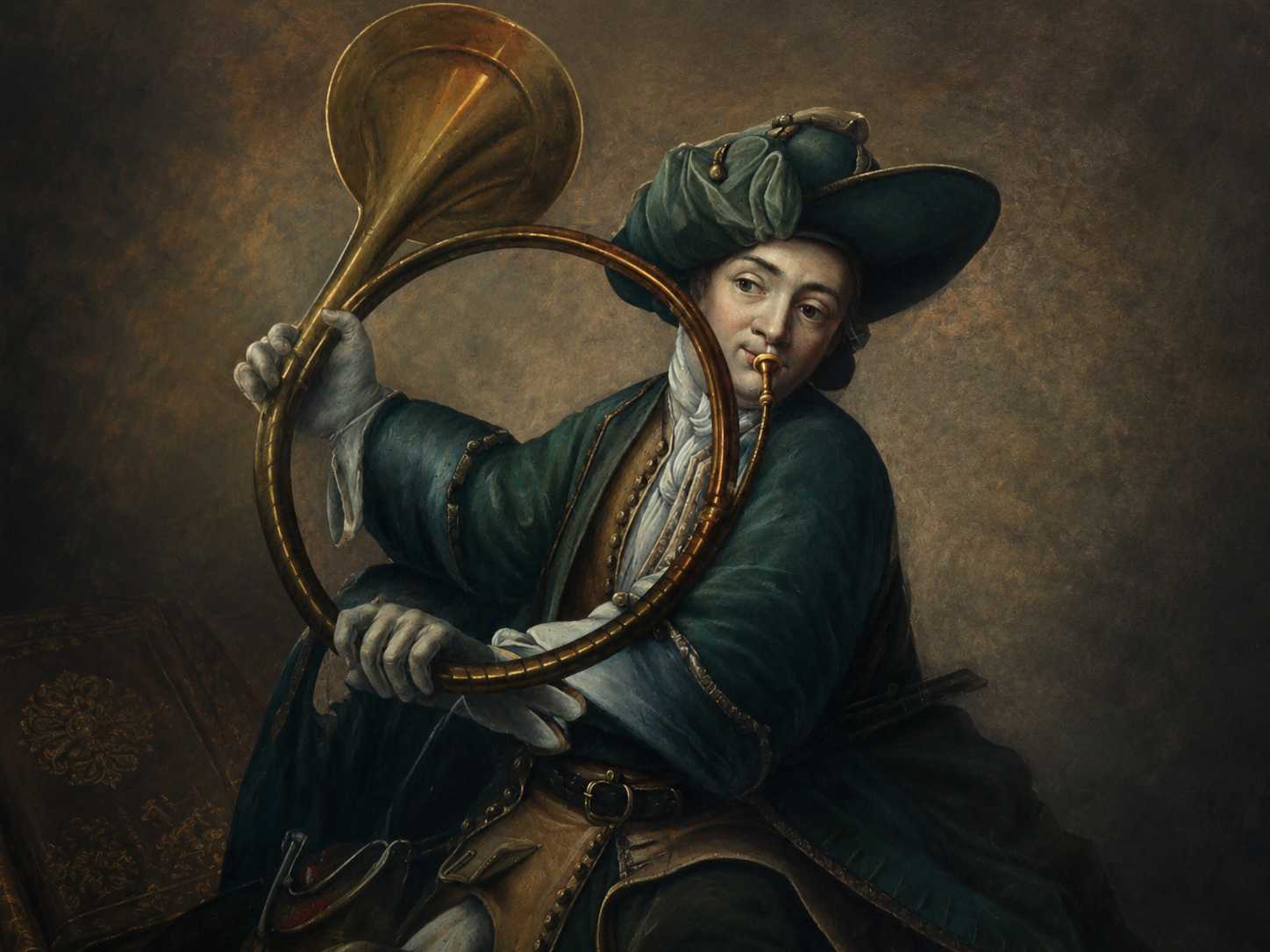
Cover picture*

It must have been in 1680 or 1681 that the young Count Franz Anton von Sporck (1662-1738), who had been carried away by the magnificent sound of the "Cors et Trompes de Chasse" while a visiting courtier at the Versailles court of Louis XIV, decided — such was his enthusiasm — to introduce similar hunt music to his Bohemian home. He was as good as his word and not only turned out to be a patron of unparalleled generosity towards the art of hunting-horn playing but also founded his own house orchestra, introduced Italian opera to Bohemia and above all, as Bohemia’s leading ruler and master of the hunt, bade all the nobility of Europe to the extravagant hunt festivals at his castle, called in German Lissa, now Lysá nad Labem in Czechoslovakia.

He founded the much-prized Order of St. Hubertus and had gold medals struck in honour of the Emperor Karl VI, which he then ceremoniously awarded to particularly meritorious members of the order at the annual Hubertus Hunt on 3rd November. It is hardly surprising that the reputation of someone who conducted himself in such style spread far beyond his own frontier and that his ostentatious hunt celebrations soon spawned a multitude of imitators.

In particular Augustus the Strong (1694-1733 Elector of Saxony) in neighbouring Dresden tried to equal Count Sporck, and even to outdo him. To do so he needed horn players and the best he could get came from the "Bohemian School". Now the Kapellmeister of the Dresden court, for their own part, were very keen on an artistic improvement in hunt music and sought, as the competent authorities, to bring about some refinement in the normally rough and ready hunt playing for composition purposes. Hunt fanfares of a musically ever more demanding nature were written into the virtuoso horn parts to be found in the most important movements of lengthy "hunt cantatas" and specifically expressive playing was required from the "new" horns on occasions. This was the best way for the hunting horn to develop into a fully fledged musical instrument. The players, who knew how to rattle out such marvellous brilliant fanfares, were now increasingly concerned to play their horns in a musical, "singing" style.

Augustus may well have realised that this progress meant a significant new direction, if not exactly a new beginning. Like a true Baroque prince, relating all contemporary events to himself, he had a splendid portrait painted of one of these new horn players. This picture was to have been only one from a large collection, painted by the foremost artists, combining representations of many kinds of masks, costumes and uniforms. We can be certain it was painted purely in order to demonstrate for posterity all those people who rushed to the great court festivals, hunts, pageants and masques for no other reason than to do homage to the Elector as sovereign.

We do not know what may have made Augustus the Strong choose this picture of our horn player, painted on a gold background, to adorn so beautifully the heavy leather binding which contains the whole collection. It is not even certain which master painted the unsigned picture, although it could have been Johann Elias Ridinger (1698-1769), famous for his paintings, drawings and engravings of hunting scenes. He certainly knew it, for he made an engraving based on this showpiece, differing from it only in detail. He gave it the explanatory title "Hearing”.

Now, three centuries later, when even the most illustrious members of the Order of St. Hubertus are no more than historical figures, our cover picture can still be a symbol of one of the first people from the self-perpetuating fraternity of horn players who really knew how to bestow the attributes of hearing and appreciation throughout the world. It must henceforth be our clear duty constantly and carefully to nurture and develop their art which came to us from Bohemia; but it will be to our credit if we perfect — with some thought for the past but also a desire to renew it — their long-lost art of clarino playing.

* First published in Brüchle / Janetzky: Kulturgeschichte des Horns, Verlag Hans Schneider, Tutzing 1976.

Brass Bulletin 31, III / 1980 pagine 3–4

Tutti i contenuti sono protetti dal diritto d’autore © Brass Bulletin 1980–2026

Condividi questo articolo

Facebook LinkedIn
Loading…

Domande e risposte

Come funziona l’edizione digitale

Che cosa comprende l’edizione digitale?

L’edizione digitale riunisce gli articoli già digitalizzati sotto forma di testi leggibili e ricercabili online — non semplicemente come scansioni o file PDF — insieme alle illustrazioni originali, alle note, agli autori, alle informazioni sul numero della rivista e alle traduzioni disponibili. I suggerimenti di articoli correlati comprendono attualmente solo questo materiale digitalizzato.

Gli articoli digitali sono identici agli originali?

Conserviamo il più fedelmente possibile il testo originale, la lingua, le illustrazioni, le didascalie, le note e il contesto editoriale. La presentazione viene adattata per una lettura confortevole online e gli evidenti errori di trascrizione o scansione possono essere corretti. Il contenuto e il carattere dell’articolo pubblicato rimangono invariati.

Quali lingue sono disponibili?

Brass Bulletin è stato pubblicato in inglese, francese e tedesco nel corso di tutta la sua storia. Le traduzioni italiane e spagnole sono state aggiunte a partire dal numero 60. Sui siti italiano e spagnolo, gli articoli dei numeri da 1 a 59 vengono quindi mostrati in inglese per impostazione predefinita.

Con quale frequenza vengono aggiunti nuovi articoli?

Nuovi articoli vengono aggiunti quasi ogni giorno, con circa un numero completo digitalizzato ogni settimana. Il ritmo può variare in base al lavoro di preparazione, elaborazione delle immagini e verifica editoriale necessario.

Perché non tutti gli articoli sono disponibili in formato digitale?

La collezione completa di Brass Bulletin comprende 1.246 articoli pubblicati tra il 1971 e il 2003. L’indice completo è già disponibile online e consente di scoprire tutti gli articoli della collezione, compresi quelli il cui testo integrale non è ancora stato digitalizzato.

La digitalizzazione è iniziata nel febbraio 2026. Ogni articolo viene accuratamente preparato per la lettura online, verificato e collegato al relativo numero, agli autori, agli argomenti e alle illustrazioni. Al ritmo attuale di digitalizzazione, la collezione completa dovrebbe essere disponibile online entro febbraio 2028.

Perché alcuni riferimenti citano articoli che non sono ancora disponibili?

I riferimenti presenti negli articoli originali vengono conservati anche quando il materiale a cui rimandano non è ancora stato digitalizzato. In questo modo si preserva l’integrità storica ed editoriale della rivista. Man mano che nuovi numeri vengono aggiunti all’edizione digitale, un numero crescente di questi riferimenti condurrà ad articoli leggibili online.

Posso suggerire un articolo o segnalare un errore di trascrizione?

Sì. Se desiderate che un determinato articolo venga digitalizzato, oppure se notate un possibile errore di trascrizione o un’informazione mancante, contattateci. I riscontri dei lettori ci aiutano a migliorare l’edizione digitale e a stabilire priorità utili all’interno dell’archivio.

Come posso sostenere Brass Bulletin?

Il vostro sostegno contribuisce a finanziare la preparazione, la verifica e la pubblicazione online dell’intera collezione.

Abbonati all’Edizione digitale

Preferite sostenerci senza abbonarvi?

Fate una donazione

Come procede la digitalizzazione?

Stiamo rendendo Brass Bulletin disponibile online gradualmente, articolo per articolo. Potete leggere gli articoli appena digitalizzati non appena sono pronti, anche prima che un intero numero sia completato.

Consultate il nostro calendario di digitalizzazione per scoprire le ultime aggiunte e le date di disponibilità stimate dei prossimi numeri. Le stime si basano sul nostro ritmo recente e possono cambiare.

Cerca in Brass Bulletin.