Rendete Brass Bulletin disponibile nella vostra università, nel vostro conservatorio o nella vostra biblioteca Scoprite l’accesso istituzionale

2 min di lettura

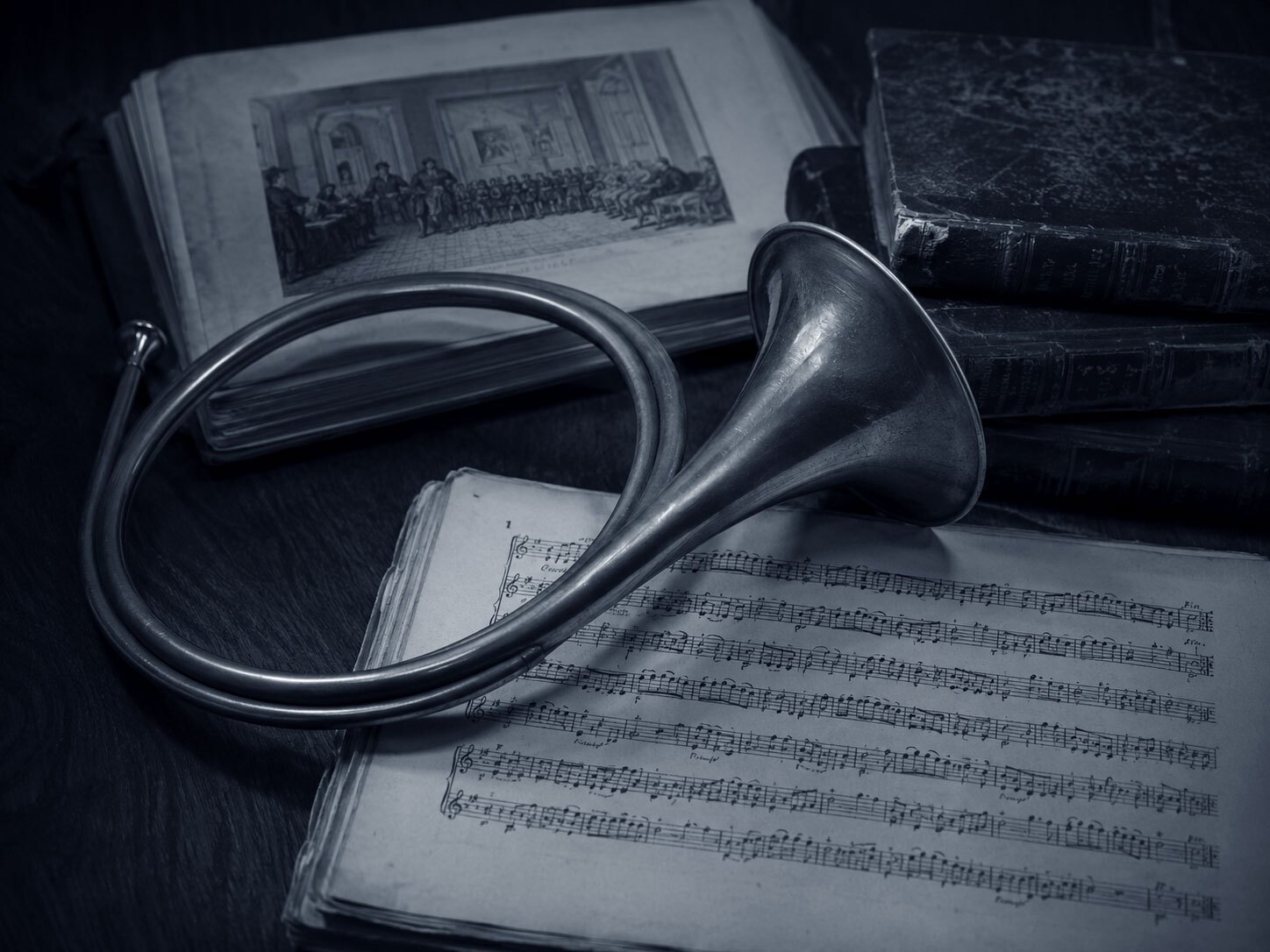
The hunting horn

The hunting horn

As I have just published a book on the French hunting horn*, I would like to add something of my own discoveries and personal ideas to the article by Daniel Bourgue.

First of all it should be pointed out that most of what we know about the French hunting horn, the trompe de chasse, is due to Major de Marolles (1865-1949). A professional soldier, but also a keen huntsman, Gaston de Marolles devoted a large part of his life to gathering information on the trompe. Unfortunately he was neither historian nor musician; while we must do homage to him for the wealth of material he gathered, we must still be very critical about his interpretations of the facts.

He states, for example, that the ton de vénerie was invented by the Marquis de Dampierre, a Master of the Revels at the court of Louis XV, in 1723. His evidence for this is the memoirs of the Duke of Luynes who reported that “When Dampierre played, the whole Court was amazed”. Since at that time the origin of the ton de vénerie had not been explained, Marolles concluded that Dampierre must have invented it and that this hypothesis fitted in perfectly with the Duke of Luynes's remark. I believe that the historical facts are quite different, as I have set out in my book. Dampierre cannot have invented the ton de vénerie, for various reasons:

— The ton de vénerie is based essentially on dynamics of articulation and phrasing peculiar to the trompe. Daniel Bourgue draws a quite justifiable comparison with jazz (I did the same, without our having consulted one another). It is difficult to see how Dampierre could have invented and perfected — out of nothing, and at the height of the Baroque period — a completely new style demanding a quite particular playing style.

— Dampierre's fanfares contain trills marked “+” on some notes, particularly on final notes. Thus in these cases it is impossible to play the tayau which is the characteristic articulation of the ton de vénerie.

— The first mention of the tayau is in a horn tutor of 1804 — much later than Dampierre, therefore — and its use did not become widespread until around 1830-1840.

— If “the whole Court was amazed”, it is because at that time only servants were musicians and Dampierre, being of noble birth, caused a scandal by sounding the horn. Moreover, there is a linguistic problem: in the classical French of the period the word used (i.e. étonné, in modern French “surprised”) had a much stronger meaning than today and meant (literally) “thunderstruck”. If Dampierre had created the ton de vénerie, he would at the most have caused some surprise but only a social scandal could have left the court thunderstruck.

Thus modern players, contrary to what they believe, are not perpetuating a very old musical tradition, and have forgotten the style in which Dampierre and the whole of the 18th century played. This is the style which I am trying to revive under the name of ton classique (“classical style”), as opposed to the 19th century ton de vénerie (“hunting style”).

In the 18th century the trompe was still nothing more than a large trumpet (whence its name - French trompette) with a very large diameter coil so as to be worn over the shoulder. It was pitched in D because the court trumpets were also in D, and the playing style of this horn was also quite similar to that of the Baroque trumpet. This means that there is a whole repertoire ripe for rediscovery, left on one side by players because it does not suit the ton de vénerie; here is such an example from Dampierre's 24 Fanfares Nouvelles for 2 Cors de Chasse or 2 trumpets, which I have published in my book but which have been long neglected (III. 1).
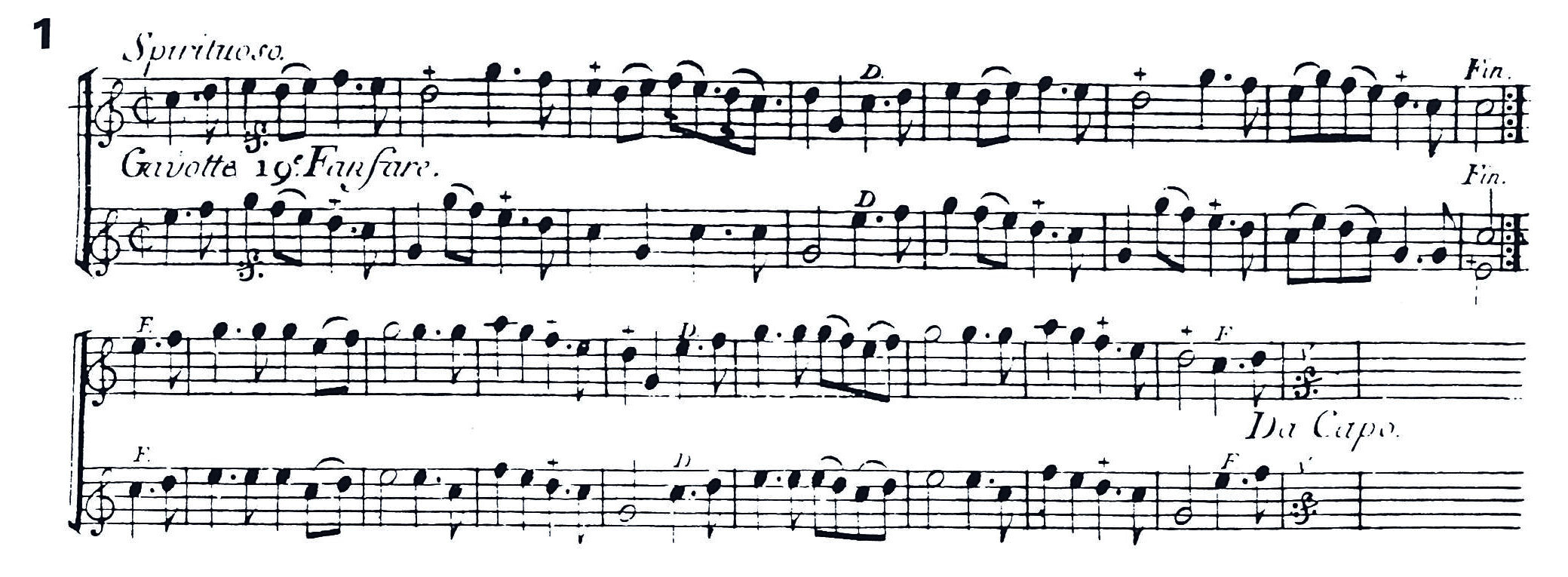
Extrait des 24 Fanfares Nouvelles pour 2 cors de chasse ou 2 trompettes, de Dampierre

Extrait des 24 Fanfares Nouvelles pour 2 cors de chasse ou 2 trompettes, de Dampierre

This makes it possible to vary the repertoire, because hunting fanfares and the “hunting style”, though very impressive in the forest, soon become monotonous in the concert hall.

Such is the early history of the horn and it is something which ought to interest most horn players. I also think there is much more to be discovered on the subject.

To add to the example given by Daniel Bourgue and to show the neglected resources of the trompe (which is after all nothing but a natural horn), I cannot resist the pleasure of reproducing here the charming Invocation Tyndare.

This short piece, written for 2 hunting horns in D and organ, requires the use of stopped notes. The very clear sound of this horn goes superbly with the organ but the valve horn, despite its more veiled sound, can also give a good account of this music with its fresh simplicity (III. 2).
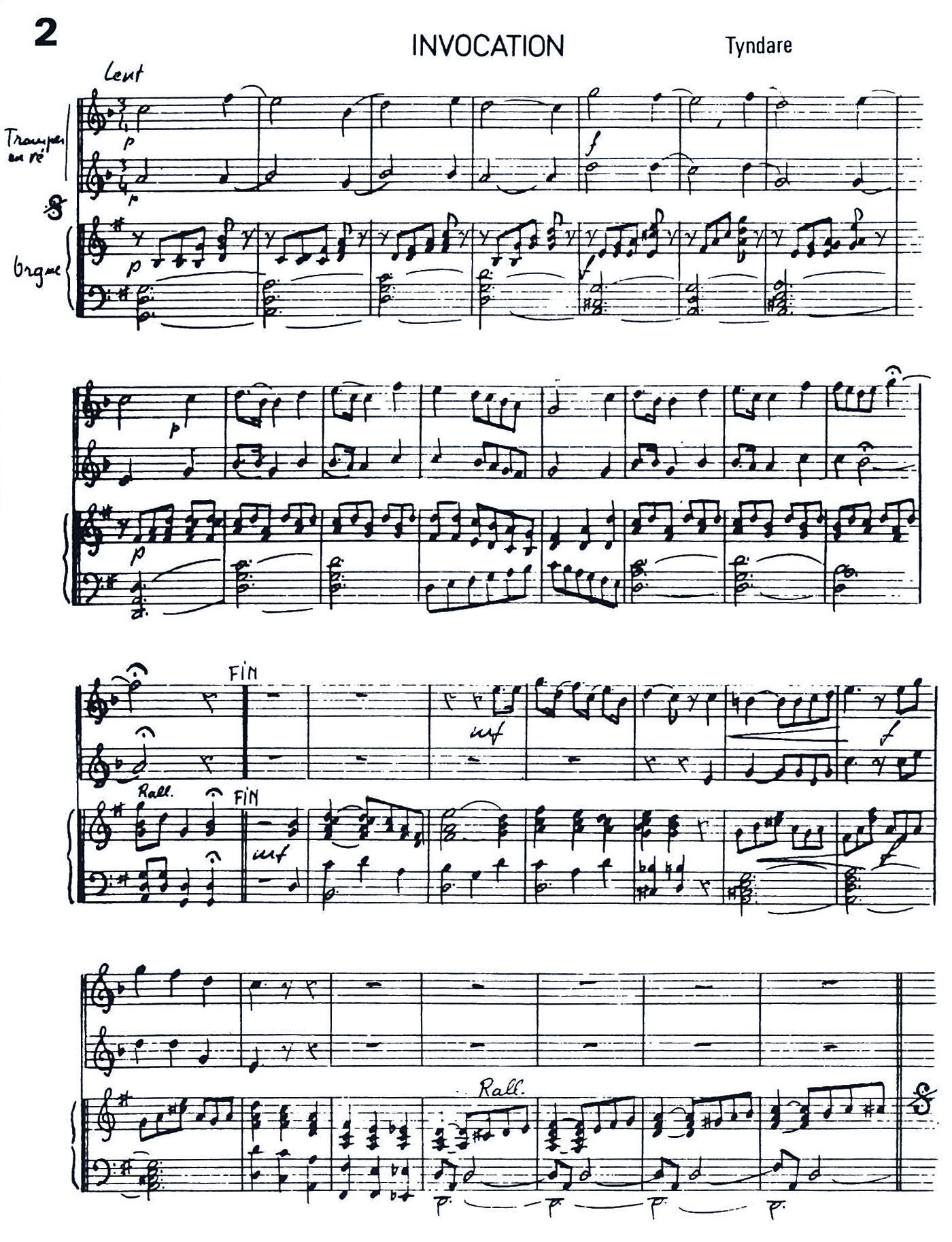
Illustration 2

Illustration 2

ⁱ L’Art de la Trompe, Tassin-la-Demi Lune 1982.

² Riemann, Musiklexikon, «Tonsystem»: die «Finales» sind das d, e, f und g der kleinen Oktave (Anm. d. Übers.).

Brass Bulletin 39, III / 1982 pagine 45–47

Tutti i contenuti sono protetti dal diritto d’autore © Brass Bulletin 1982–2026

Condividi questo articolo

Facebook LinkedIn
Loading…

Domande e risposte

Come funziona l’edizione digitale

Che cosa comprende l’edizione digitale?

L’edizione digitale riunisce gli articoli già digitalizzati sotto forma di testi leggibili e ricercabili online — non semplicemente come scansioni o file PDF — insieme alle illustrazioni originali, alle note, agli autori, alle informazioni sul numero della rivista e alle traduzioni disponibili. I suggerimenti di articoli correlati comprendono attualmente solo questo materiale digitalizzato.

Gli articoli digitali sono identici agli originali?

Conserviamo il più fedelmente possibile il testo originale, la lingua, le illustrazioni, le didascalie, le note e il contesto editoriale. La presentazione viene adattata per una lettura confortevole online e gli evidenti errori di trascrizione o scansione possono essere corretti. Il contenuto e il carattere dell’articolo pubblicato rimangono invariati.

Quali lingue sono disponibili?

Brass Bulletin è stato pubblicato in inglese, francese e tedesco nel corso di tutta la sua storia. Le traduzioni italiane e spagnole sono state aggiunte a partire dal numero 60. Sui siti italiano e spagnolo, gli articoli dei numeri da 1 a 59 vengono quindi mostrati in inglese per impostazione predefinita.

Con quale frequenza vengono aggiunti nuovi articoli?

Nuovi articoli vengono aggiunti quasi ogni giorno, con circa un numero completo digitalizzato ogni settimana. Il ritmo può variare in base al lavoro di preparazione, elaborazione delle immagini e verifica editoriale necessario.

Perché non tutti gli articoli sono disponibili in formato digitale?

La collezione completa di Brass Bulletin comprende 1.246 articoli pubblicati tra il 1971 e il 2003. L’indice completo è già disponibile online e consente di scoprire tutti gli articoli della collezione, compresi quelli il cui testo integrale non è ancora stato digitalizzato.

La digitalizzazione è iniziata nel febbraio 2026. Ogni articolo viene accuratamente preparato per la lettura online, verificato e collegato al relativo numero, agli autori, agli argomenti e alle illustrazioni. Al ritmo attuale di digitalizzazione, la collezione completa dovrebbe essere disponibile online entro febbraio 2028.

Perché alcuni riferimenti citano articoli che non sono ancora disponibili?

I riferimenti presenti negli articoli originali vengono conservati anche quando il materiale a cui rimandano non è ancora stato digitalizzato. In questo modo si preserva l’integrità storica ed editoriale della rivista. Man mano che nuovi numeri vengono aggiunti all’edizione digitale, un numero crescente di questi riferimenti condurrà ad articoli leggibili online.

Posso suggerire un articolo o segnalare un errore di trascrizione?

Sì. Se desiderate che un determinato articolo venga digitalizzato, oppure se notate un possibile errore di trascrizione o un’informazione mancante, contattateci. I riscontri dei lettori ci aiutano a migliorare l’edizione digitale e a stabilire priorità utili all’interno dell’archivio.

Come posso sostenere Brass Bulletin?

Il vostro sostegno contribuisce a finanziare la preparazione, la verifica e la pubblicazione online dell’intera collezione.

Abbonati all’Edizione digitale

Preferite sostenerci senza abbonarvi?

Fate una donazione

Come procede la digitalizzazione?

Stiamo rendendo Brass Bulletin disponibile online gradualmente, articolo per articolo. Potete leggere gli articoli appena digitalizzati non appena sono pronti, anche prima che un intero numero sia completato.

Consultate il nostro calendario di digitalizzazione per scoprire le ultime aggiunte e le date di disponibilità stimate dei prossimi numeri. Le stime si basano sul nostro ritmo recente e possono cambiare.

Cerca in Brass Bulletin.