Musica contemporanea
34 articoli disponibili online
 Membro
Parte 1
From musical wallpaper to the twelve-note row
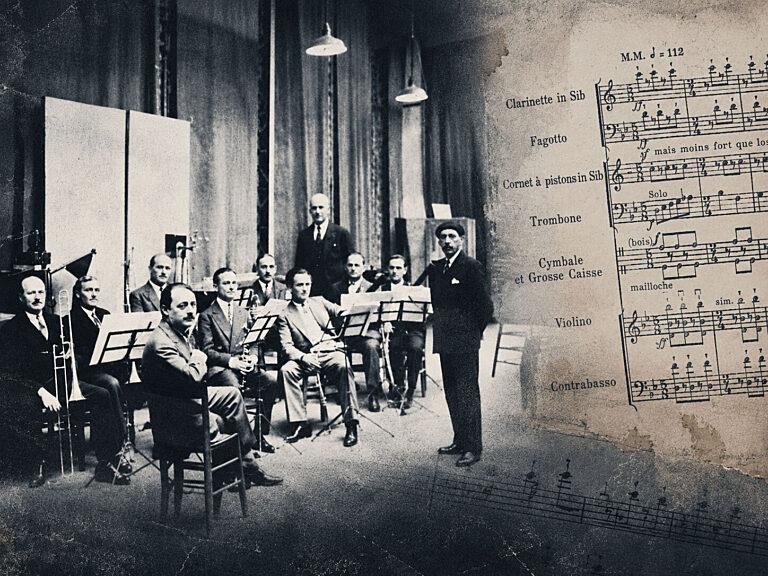
The trombone in the chamber ensemble at the beginning of modern music (1913-1934)
Between 1913 and 1934, the trombone gained an unexpected place in chamber music as Satie, Milhaud and Stravinsky challenged orchestral traditions with jazz and new sounds.
Di Michael Struck-Schloen
 Membro
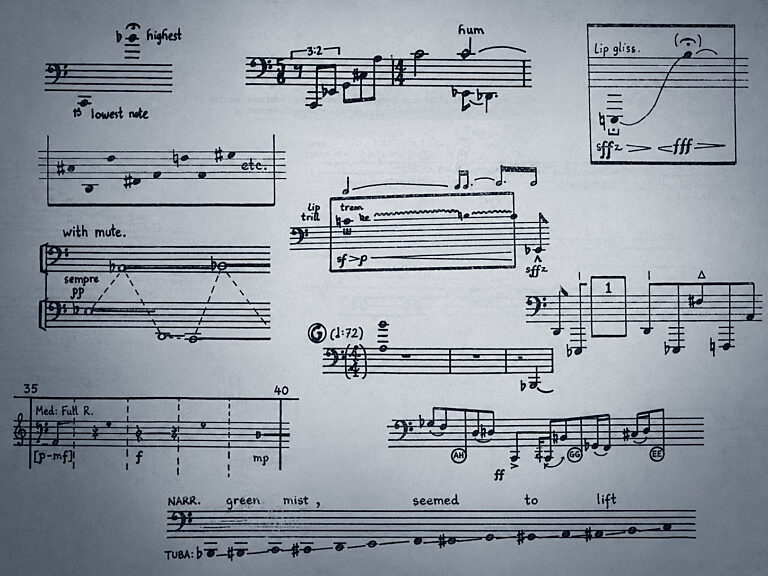
Contemporary systems and trends for the tuba
New music, new rules: Daniel Perantoni explores extended techniques, graphic notation and the evolving language of the tuba.
Di Daniel Perantoni
 Gratuito
Editorial
As concert life shifts away from brass, the future of the instrument depends on artistic standards, thoughtful programming and the commitment of every performer.
Di Jean-Pierre Mathez
 Gratuito
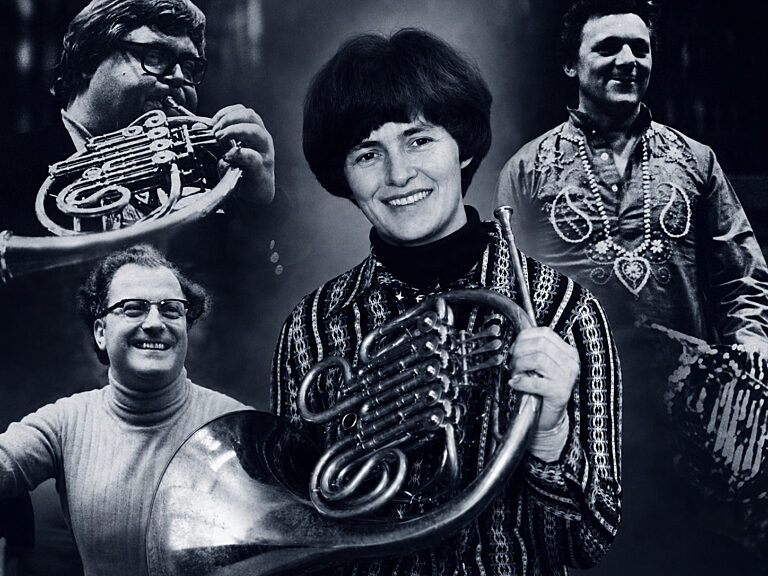
The first european horn symposium
A week in Trossingen brought leading horn players, Mozart debates, natural-horn controversies and lasting friendships at a landmark European gathering.
Di Jeffrey Agrell
Reflections on the brass player
Why do brass players so often resist new music? Vinko Globokar dismantles schools, routines, and traditions—and calls for a freer musical mindset.
Di Vinko Globokar
 Gratuito
Contemporary Hungarian Brass Music
From early decline to recent revival, Hungarian brass emerges through pedagogy, competitions and new chamber works, with Varasdy outlining key figures and shifting ensemble practices.
Di Frigyes Varasdy
Yes or no? Beware!
Do we or do we not play transcriptions?
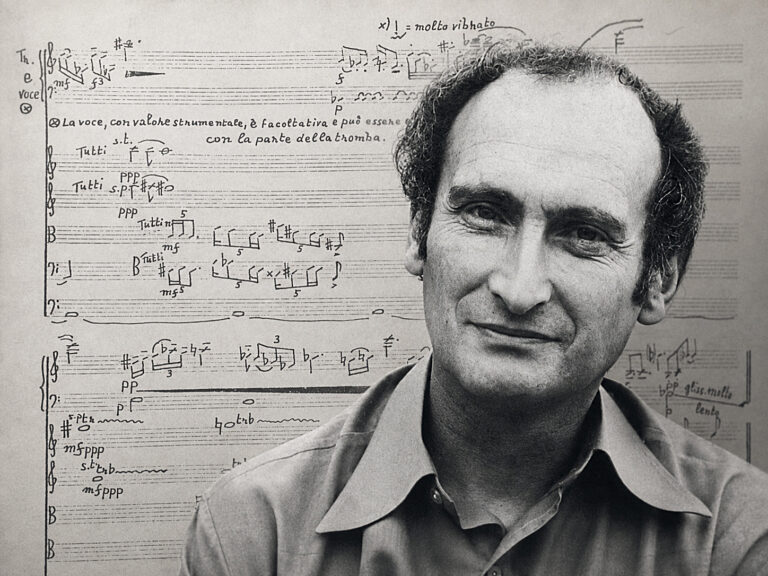
“Transcriptions: yes or no? Beware.” Roger Bobo challenges tubists to rethink repertoire, taste, and tradition in a bold call for musical judgment and artistic freedom.
Di Roger Bobo
 Gratuito
Scraps of Thoughts and Memories concerning “Passages” for trumpet and strings
Between waiting and movement, Passages reimagines soloist and orchestra—inviting exploration, listening, and the acceptance of the unexpected.
Di Victor Fenigstein
Indeterminate instrumentation
A Way of Extending Instrumental Technic
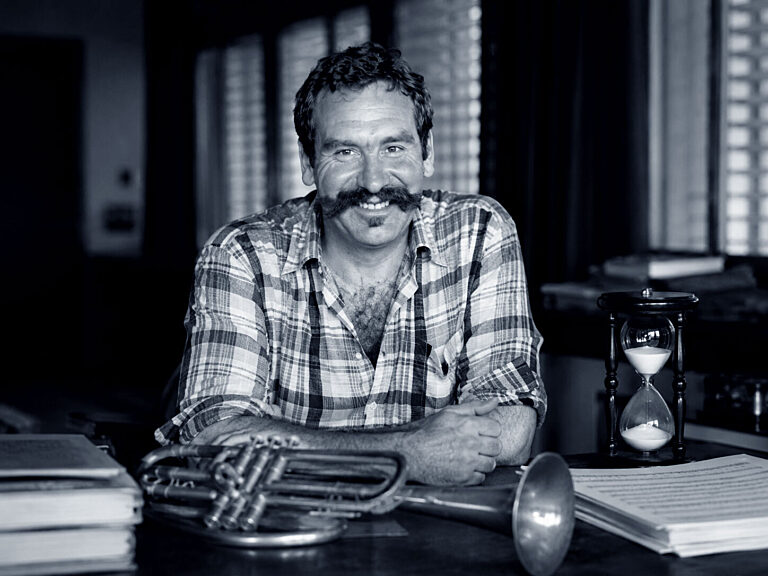
Can technique go beyond notation? James Fulkerson explores new instrumental possibilities and argues that improvisation is key to expanding both technique and musical thinking.
Di James Fulkerson
 Membro
Editorial
As music becomes increasingly industrialized, Jean-Pierre Mathez argues for restoring local musical communities where composers, performers and audiences shape a shared identity.
Di Jean-Pierre Mathez
 Gratuito
Interview with Miles Anderson
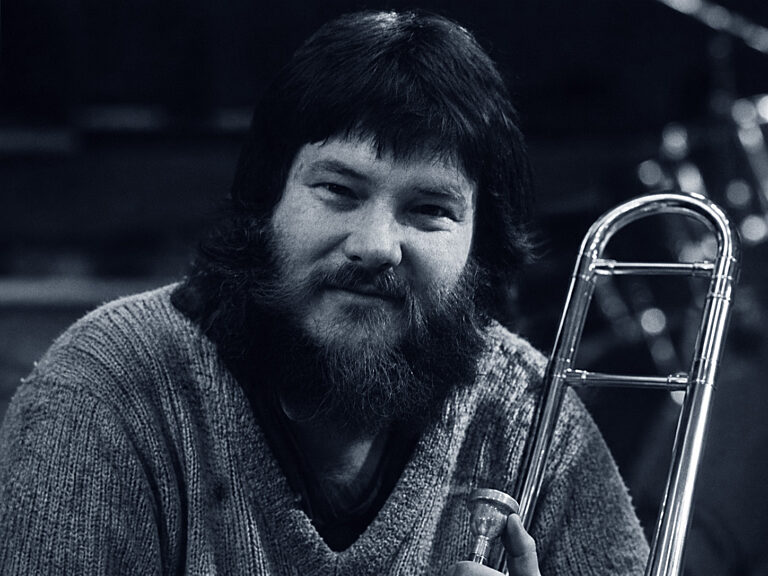
Jean-Pierre Mathez traces Miles Anderson’s path from early training to orchestral and freelance work, expanding on the tension between livelihood and artistic pursuit.
Di Jean-Pierre Mathez
 Gratuito
Empire Brass Quintet
Portrait in brief
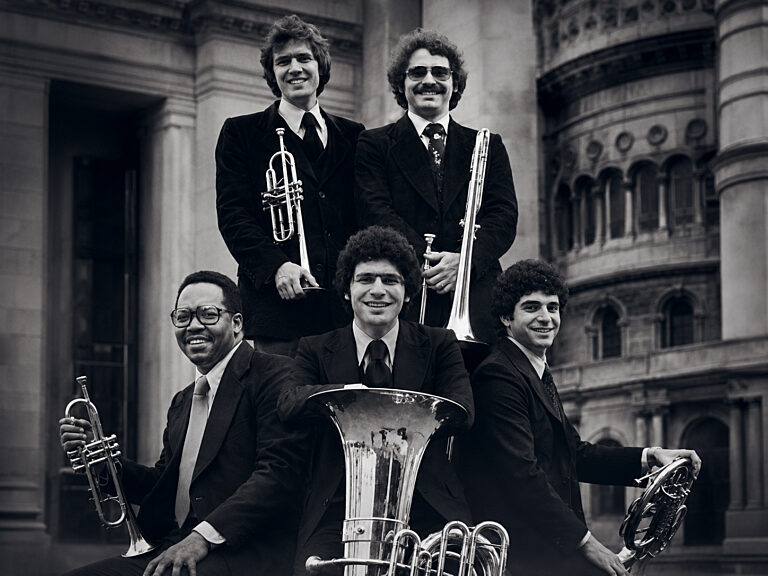
From New York to Boston, five brass players built a chamber music identity rooted in Ewald, early music and a string-quartet approach to ensemble sound.
Di Jean-Pierre Mathez
 Membro
Parte 2
Playing and singing simultaneously on brass instruments
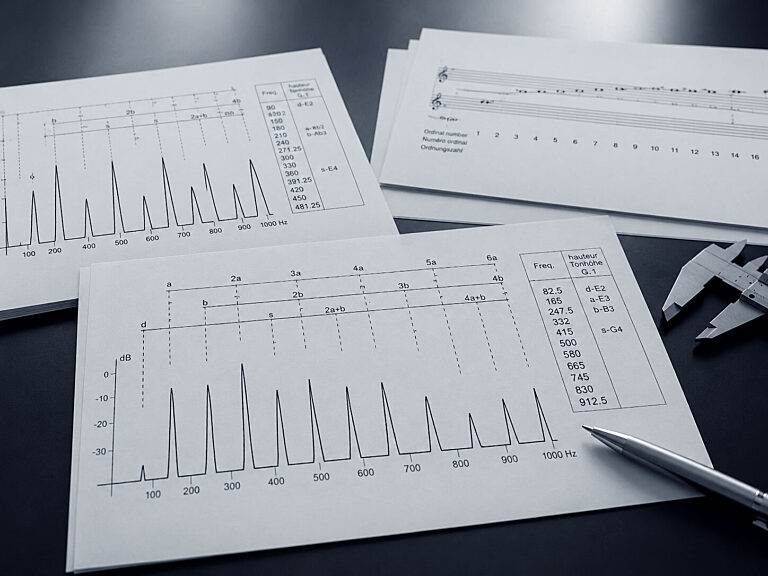
From interval production and tone generation to contemporary repertoire, simultaneous playing and singing becomes a demanding extension of brass technique.
Di Benny Sluchin
 Membro
Parte 3
Playing and singing simultaneously on brass instruments
From Weber's Concertino to Berlioz's chord writing, acoustic principles explain how combination tones emerge from simultaneous playing and singing on brass.
Di Benny Sluchin
 Gratuito
A major chamber music work for brass?
Quintet, by Peter Maxwell Davies
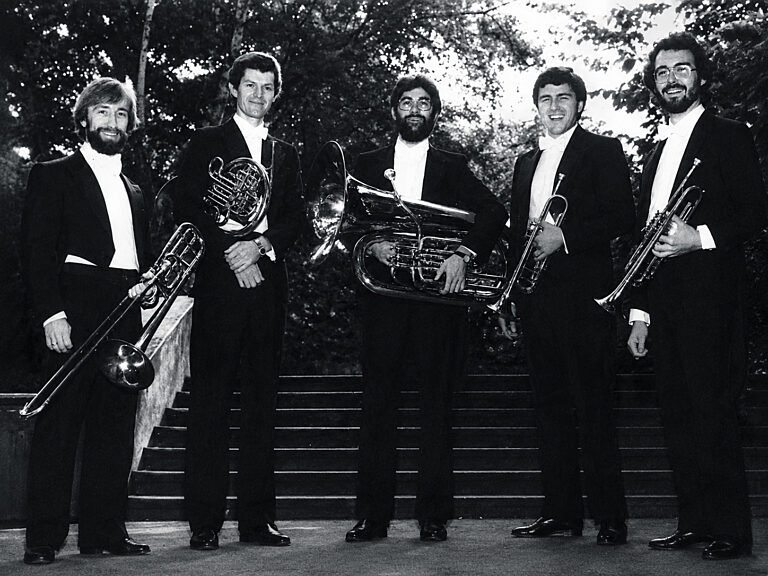
A BBC studio session turns Maxwell Davies’s brass quintet into a test of virtuosity, balance and whether brass could claim a new place in chamber music.
Di Thomas Aitken
The Annual Competitions of the Paris Conservatoire
From commissioned works to jury voting, a long-standing examination tradition reveals how brass players progressed through the Paris Conservatoire.
Di Benny Sluchin
 Gratuito
1981 Geneva International Competition
Readers Letters
Philip Jones responds to the Geneva 1981 debate, arguing for fairer jury decisions, balanced repertoire, and the enduring value of international trumpet competitions.
Di Philip Jones
 Membro
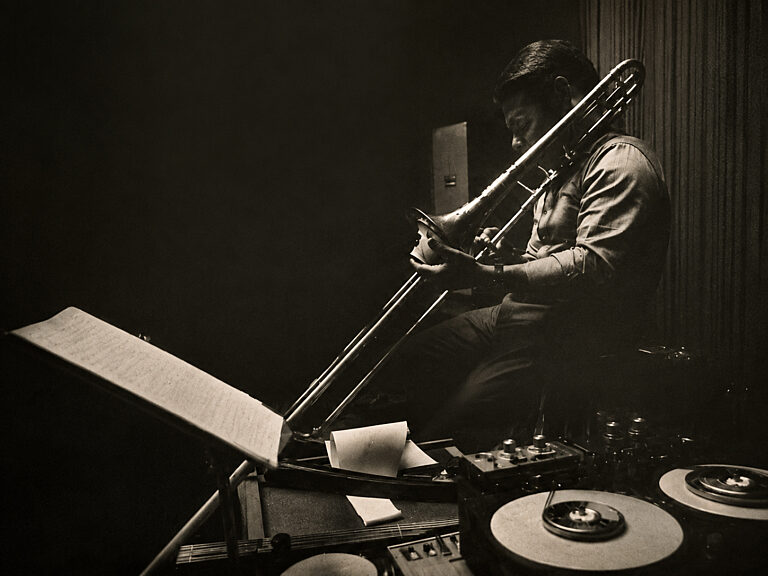
Possibilities for development of brass instruments (1967)
Experimental study by Vinko Globokar on extended techniques for brass instruments, covering microtonality, voice-instrument interaction and new sound production methods.
Di Vinko Globokar
 Gratuito
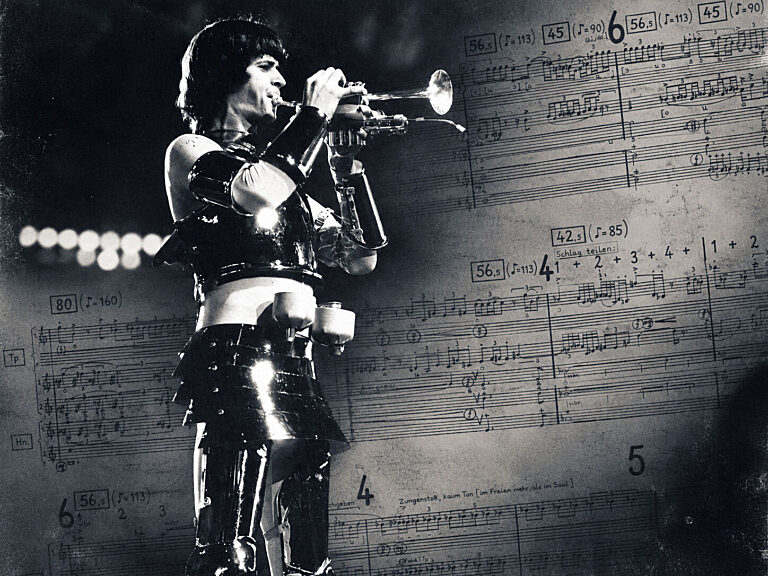
The mute belt
In Stockhausen's demanding trumpet works, six different mutes had to be changed while performing from memory, turning a practical problem into a new stage technique.
Di Markus Stockhausen
 Gratuito
Editorial
Mass media, record-industry economics and the return of cornet virtuosity collide in a sharp warning about fashion, manipulation and musical independence.
Di Jean-Pierre Mathez
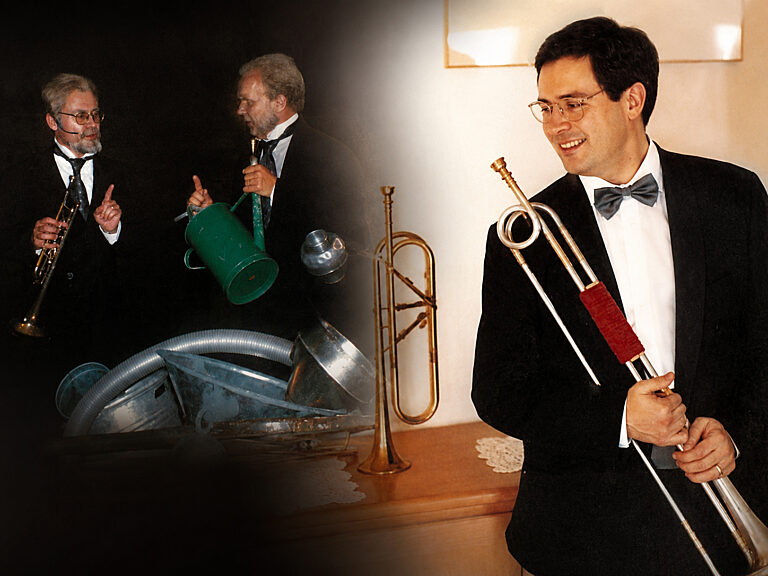
La tromba universale di Gabriele Cassone
Strumenti barocchi, Berio e musica italiana dimenticata convivono in Cassone in una concezione insolitamente ampia del trombettista moderno.
Di Jean-Pierre Mathez
 Gratuito
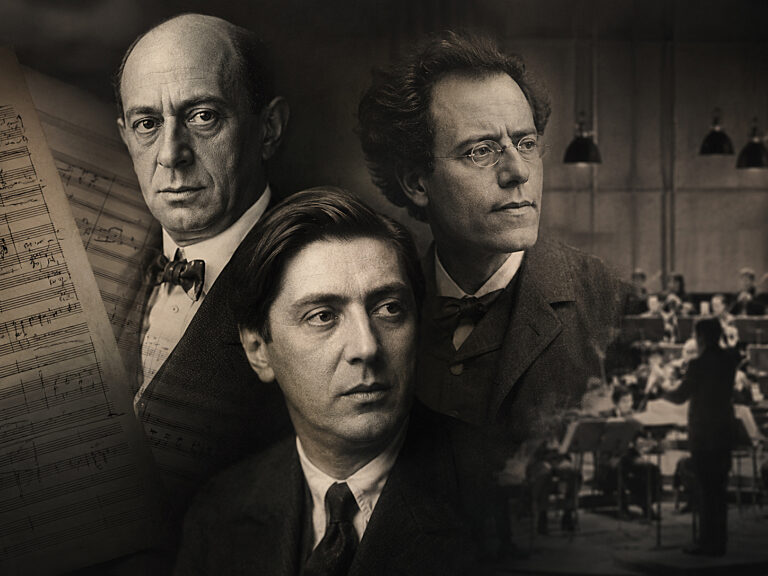
Serious Music this Side of the Ghetto
Between Darmstadt serialism and neo-tonality, the place of serious music in society is questioned through Berg, Schönberg and the post-war avant-garde.
Di Rolf Urs Ringger
 Membro
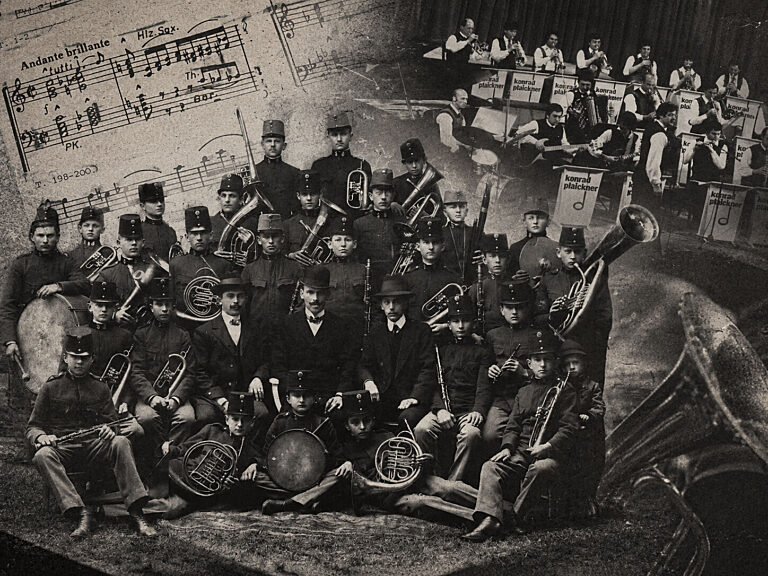
The development of the amateur wind-band repertoire in Central Europe since 1950
After 1950, Central Europe’s amateur wind bands became a testing ground where inherited traditions, modern composition, popular music and education collided.
Di Wolfgang Suppan
 Gratuito
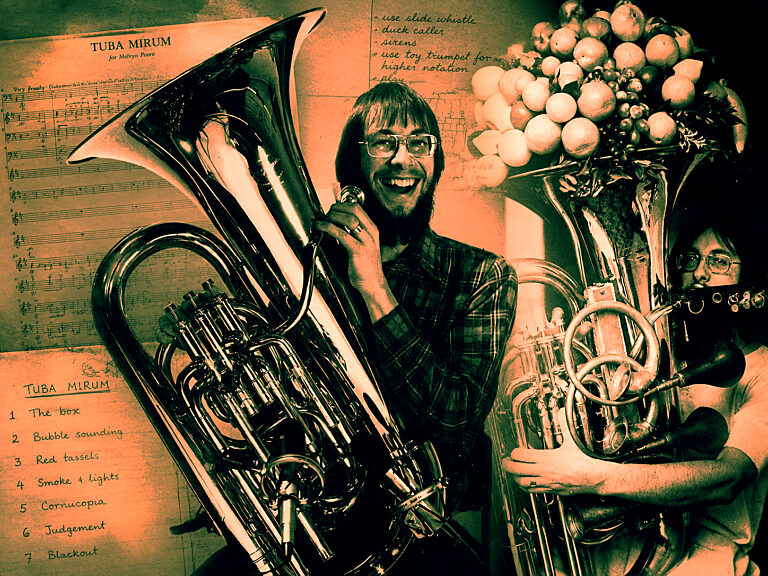
Melvyn Poore
Tuba britannica
A tuba becomes a laboratory for circular breathing, reeds, strange mutes and music theatre as Melvyn Poore pushes beyond the orchestral role assigned to it.
Di Thomas Aitken