Discoveries for brass players, once a month. Join our free newsletter →

Tuba

All articles related to Tuba

No. 63 • 1988 Awaiting digitization

The tuba in the brass quintet

By Mel Culbertson
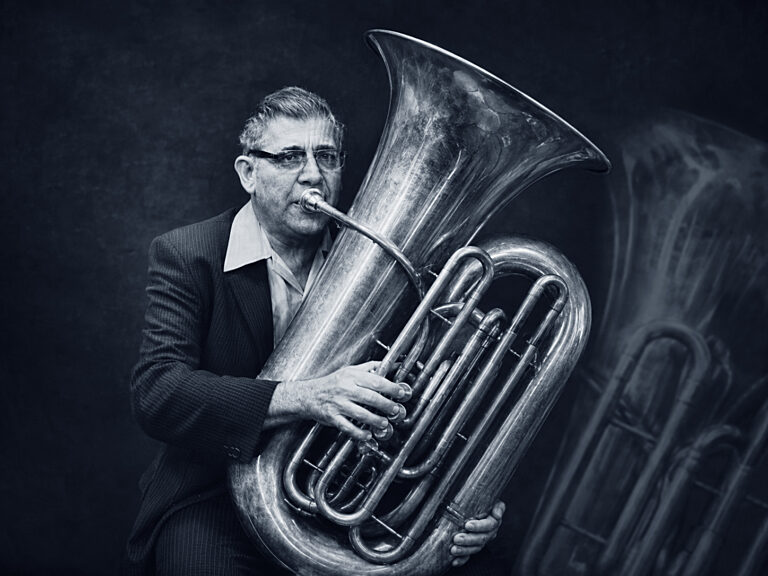
Technique Repertoire
Arnold Jacobs
No. 34 • 1981 Digitized

Part 2

Arnold Jacobs

Interview

From Curtis to Chicago, a tuba player's path crosses Reiner, Koussevitzky and Ormandy, while teaching evolves toward breathing, thought and musical function.

By Roger Bobo

Encounters Professional life Auditions Orchestral playing Breathing
No. 70 • 1990 Awaiting digitization

Roger Bobo

Poet of the Tuba

By Jean-Pierre Mathez

Encounters
The tuba in France
No. 13 • 1976 Digitized

The tuba in France

How did the tuba emerge as an orchestral force? Fernand Lelong and Robert Coutet trace its path—from serpent to Sax—and its rapid rise.

By Fernand Lelong, Robert Coutet
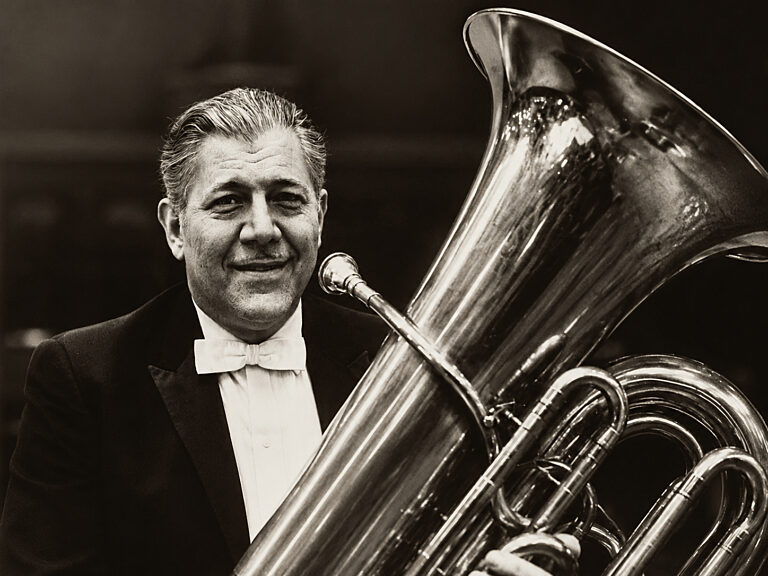
History Equipment Historical instruments Instrument making French school
Arnold Jacobs
No. 33 • 1981 Digitized

Part 1

Arnold Jacobs

Interview

Two tuba giants meet in 1979 Chicago, where Arnold Jacobs turns technique, sound, orchestral life and pedagogy into a lasting musical ethic.

By Roger Bobo
Encounters Teaching Interpretation Sound Orchestral playing
Contemporary systems and trends for the tuba
No. 11 • 1975 Digitized

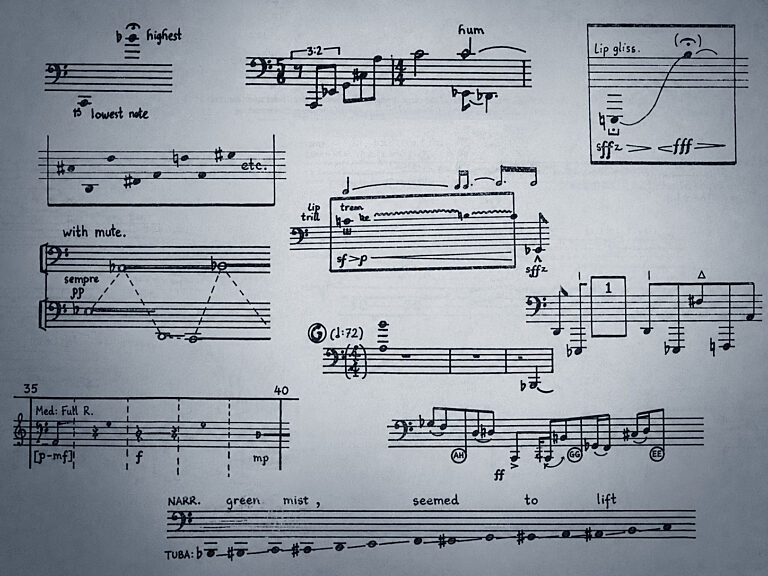
Contemporary systems and trends for the tuba

New music, new rules: Daniel Perantoni explores extended techniques, graphic notation and the evolving language of the tuba.

By Daniel Perantoni

Technique Repertoire Interpretation Contemporary Music
No. 94 • 1996 Awaiting digitization

Reflections on the tuba, teaching and music

By Roger Bobo

Equipment Teaching Repertoire
No. 93 • 1996 Awaiting digitization

1997 - Tuba & euphonium featured at Guebwiller

By Philippe Pfisterer
Competition
How and why I became a musician
No. 52 • 1985 Digitized

Part 3

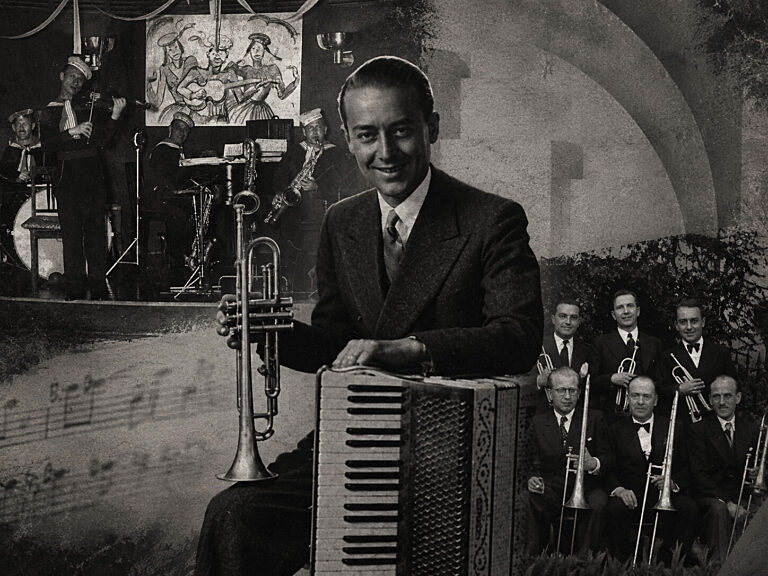
How and why I became a musician

As cinema orchestras vanished and radio reshaped musical life, Edouard Gros learned that survival could mean changing instruments, cities and expectations.

By Edouard Gros

Professional life History Auditions Jazz
No. 67 • 1989 Awaiting digitization

The song of the Serpent or The Obsession of Michel Godard

By Jean-Pierre Mathez

Encounters
No. 108 • 1999 Awaiting digitization

Part 2

A short history of the tuba in Russia

By Alexeï Levachkine

History
No. 90 • 1995 Awaiting digitization

Birmingham 1995

2nd Annual National Tuba and Euphonium Conference

By Jean-Pierre Mathez

Event
Use of a spectral model in developing concepts of tuba timbre
No. 19 • 1977 Digitized

Use of a spectral model in developing concepts of tuba timbre

Can great tuba sound be measured? This groundbreaking study turns timbre into data — offering a visual model that could transform how players hear and shape their sound.

By Daniel D. Stancil

Acoustics Sound
No. 116 • 2001 Awaiting digitization

Lahti Brass Festival - International Tuba & Euphonium Conference

By Jeremy Mathez

Report Event
No. 93 • 1996 Awaiting digitization

Sam Pilafian

Traveling tubist

By Jean-Pierre Mathez

Encounters
No. 104 • 1998 Awaiting digitization

Schloss Kremsegg: Ophicleïde in C

By Heinz Preiss

History
No. 72 • 1990 Awaiting digitization

Floyd Cooley

Tuba of the San Francisco Symphony

By Jean-Pierre Mathez

Encounters
No. 76 • 1991 Awaiting digitization

Geneva Competition 1991

Triumph of the tuba

By Jean-Pierre Mathez

Competition
No. 72 • 1990 Awaiting digitization

CIEM Geneva 1991

Geneva opens the door to the Tuba

By Jean-Pierre Mathez

Competition
No. 107 • 1999 Awaiting digitization

Part 1

A short history of the tuba in Russia

By Alexeï Levachkine

History
Tuba Editorial Free
No. 26 • 1979 Digitized

Tuba Editorial

Roger Bobo reflects on orchestral auditions, examining imbalance between candidates and positions and questioning training, selection criteria and prospects for aspiring tubists.

By Roger Bobo

Professional life Society Auditions Orchestral playing Sociology
No. 100 • 1997 Awaiting digitization

Guebwiller France

World competition for tuba & euphonium

By Jean-Pierre Mathez, Steven Mead

Report Competition
No. 57 • 1987 Awaiting digitization

Part 2

Tubas in Jazz and Popular Music

By Michel Laplace

Report Repertoire
No. 106 • 1999 Awaiting digitization

Fernand Lelong, half a century of tuba in France

By Jeremy Mathez

Encounters
Loading…

Questions & Answers

How the Digital Edition works

What does the Digital Edition include?

The Digital Edition brings together the articles already digitized as searchable online texts—not simply as scans or PDF files—along with their original illustrations, notes, authorship, issue information, and available translations. Related-article suggestions currently include only this digitized material.

Are the digital articles identical to the originals?

We preserve the original text, language, illustrations, captions, footnotes, and editorial context as faithfully as possible. The presentation is adapted for comfortable online reading, and obvious transcription or scanning errors may be corrected. The substance and character of the published article remain unchanged.

Which languages are available?

Brass Bulletin was published in English, French, and German throughout its history. Italian and Spanish translations were added from issue No. 60 onward.

On the Italian and Spanish sites, articles from issues 1–59 are therefore shown in English by default.

How often are new articles added?

New articles are added almost daily, with approximately one complete issue digitized each week. The pace may vary depending on the preparation, image work, and editorial checking required.

Why aren’t all articles available digitally?

The complete Brass Bulletin collection contains 1,246 articles published between 1971 and 2003. The full index is already available online, allowing readers to discover every article in the collection, including those whose complete text has not yet been digitized.

Digitization began in February 2026. Each article is carefully prepared for online reading, checked, and connected to its issue, authors, subjects, and illustrations. At the current pace of digitization, the complete collection is expected to be available online by February 2028.

Why do some references mention articles that are not available yet?

References in the original articles are preserved even when the material they point to has not yet been digitized. This keeps the historical and editorial record intact. As more issues are added to the Digital Edition, an increasing number of these references will lead to articles that can be read online.

Can I suggest an article or report a transcription error?

Yes. If there is an article you would particularly like to see digitized, or if you notice a possible transcription error or missing detail, please contact us. Reader feedback helps us improve the Digital Edition and prioritize useful connections within the archive.

How can I support Brass Bulletin?

Your support helps fund the preparation, verification, and online publication of the complete collection.

Subscribe to the Digital Edition

Prefer to support us without subscribing?

Make a donation

How is the digitization progressing?

We’re gradually making the Brass Bulletin available online, article by article. You can read newly digitized articles as soon as they’re ready, even before an entire issue is complete.

Visit our Digitization Roadmap to browse recent additions and see estimated availability for upcoming issues. These estimates follow our recent pace and may change.

Search Brass Bulletin.