Las traducciones originales al español de Brass Bulletin comienzan con el n.º 60.

Special Hungary

The most beautiful instruments of the National and Military Museums

Special Hungary

The most beautiful instruments of the National and Military Museums

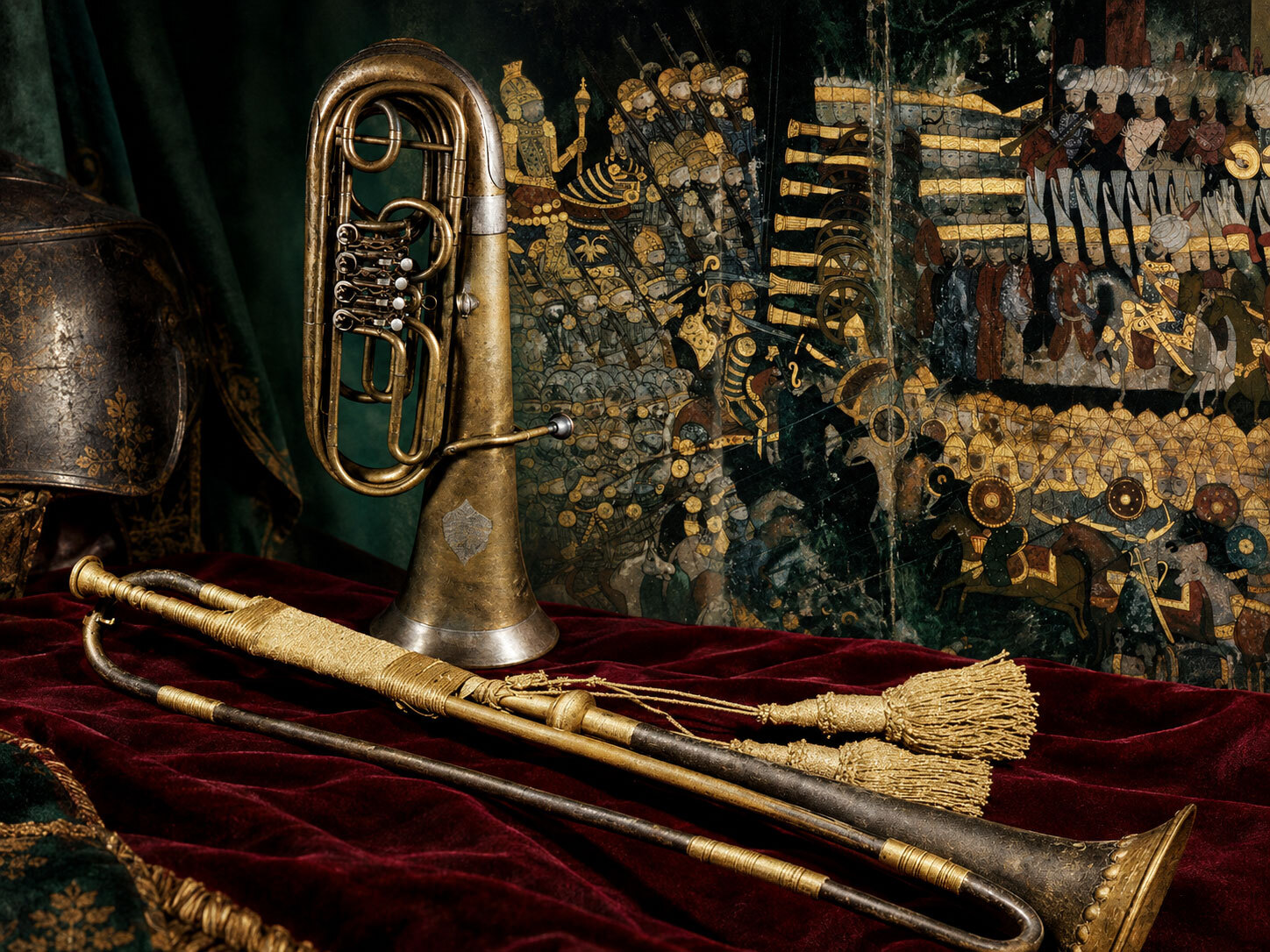
The Military Museum and National Museum in Budapest own some instruments and documents which are of great beauty and, furthermore, are little known (see also Leo Kappel’s article in this issue).

We thank the director of the Military Museum, the deputy director of the National Museum, Dr. Tibor Kovacs and Mrs. Eszter Fontana for kindly enabling us to have access to these treasures.

The photographs taken at the National Museum (MNB) are by Eva Soltész, those at the Military Museum (MMB) by Ferenc Németh.

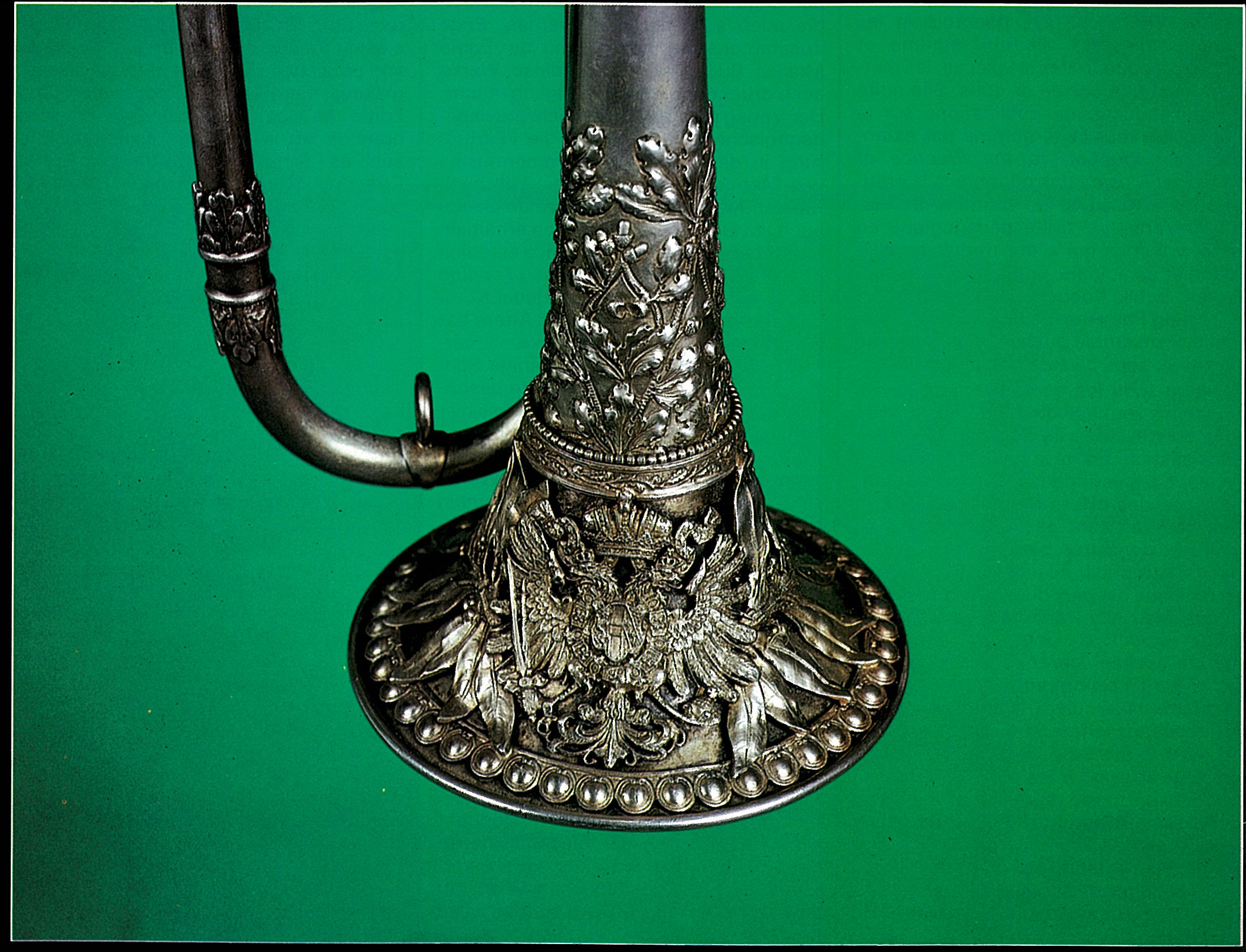
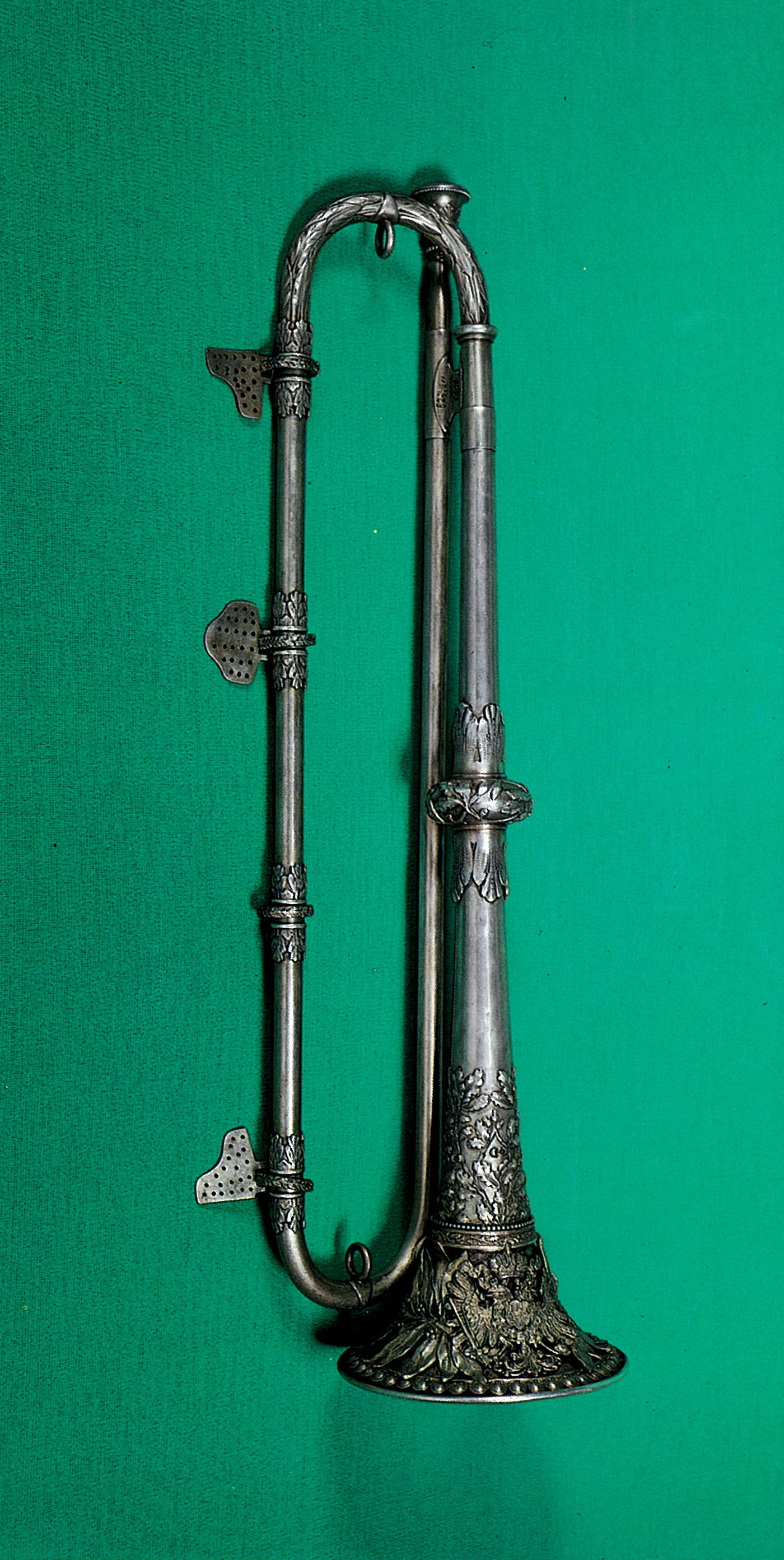
Trumpet in E♭. Solid silver, richly decorated. “I. WIENER PRODUKTIV GENOSSCHFT”. 1889. (MMB)

Trumpet in E♭. Solid silver, richly decorated. “I. WIENER PRODUKTIV GENOSSCHFT”. 1889. (MMB)

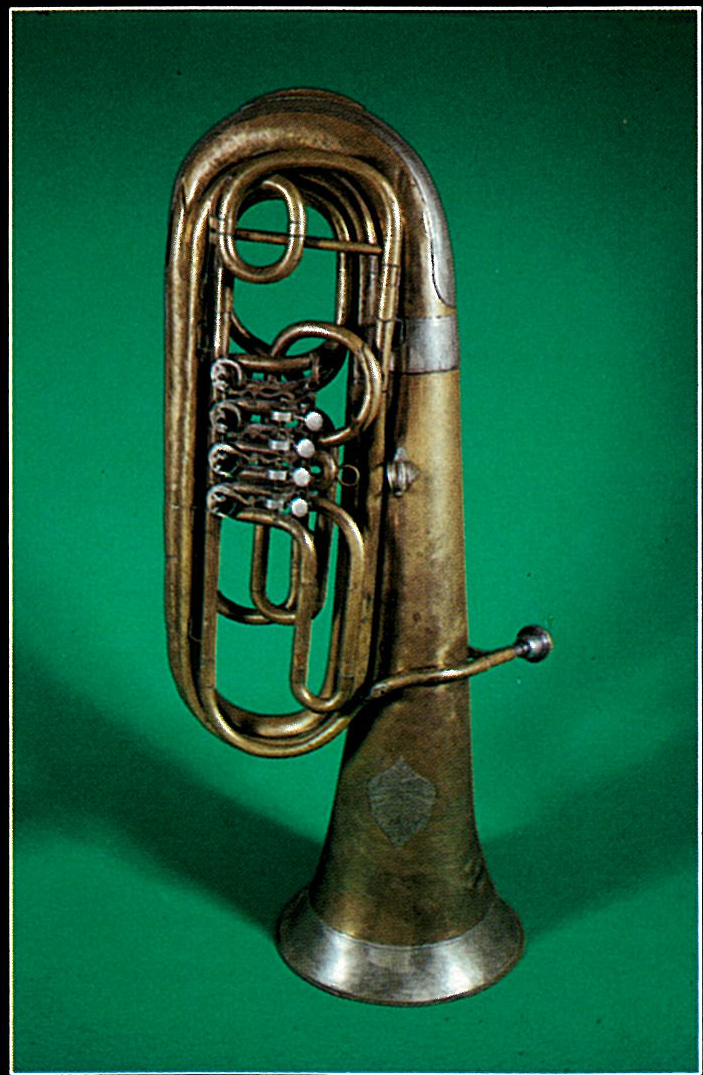
Tuba, Vienna, 19th century. “K.K. Hof + aus: priv./Instrumenten Fabrik Leopold UHLMANN/Mariaholf Barnabietengasse 6/WIEN...

Tuba, Vienna, 19th century. “K.K. Hof + aus: priv./Instrumenten Fabrik Leopold UHLMANN/Mariaholf Barnabietengasse 6/WIEN” (MMB)
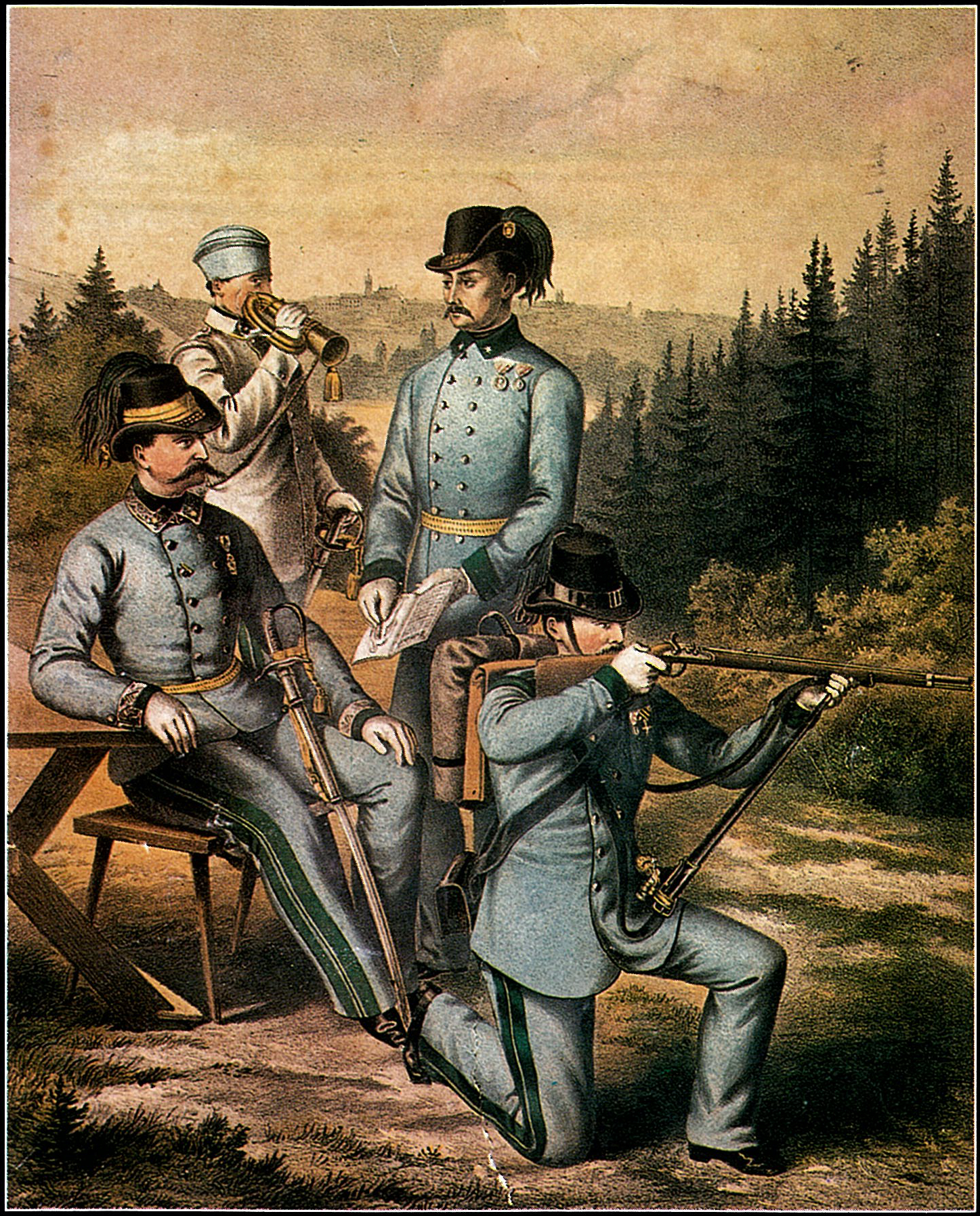
Volunteer Czech huntsmen — 1859. Lithograph from the Court and State Press, Vienna. (MMB)
Volunteer Czech huntsmen — 1859. Lithograph from the Court and State Press, Vienna. (MMB)

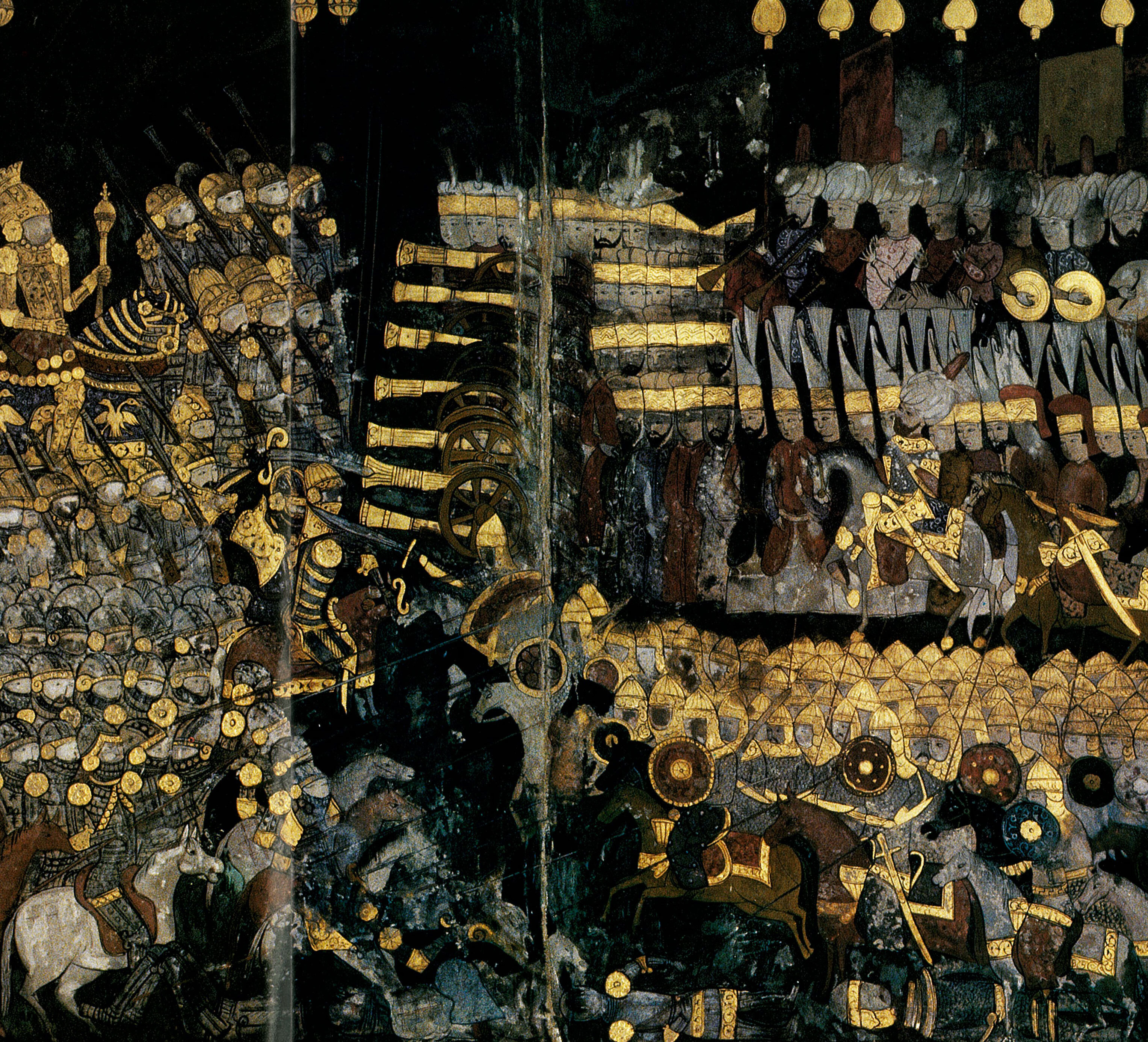
“Battle of Mohács, 1526”. A copy made after the picture of an unknown Turkish painter from the 16th century by Gyula Tur...

“Battle of Mohács, 1526”. A copy made after the picture of an unknown Turkish painter from the 16th century by Gyula Tury (1866-1932) in 1896. (MNB)
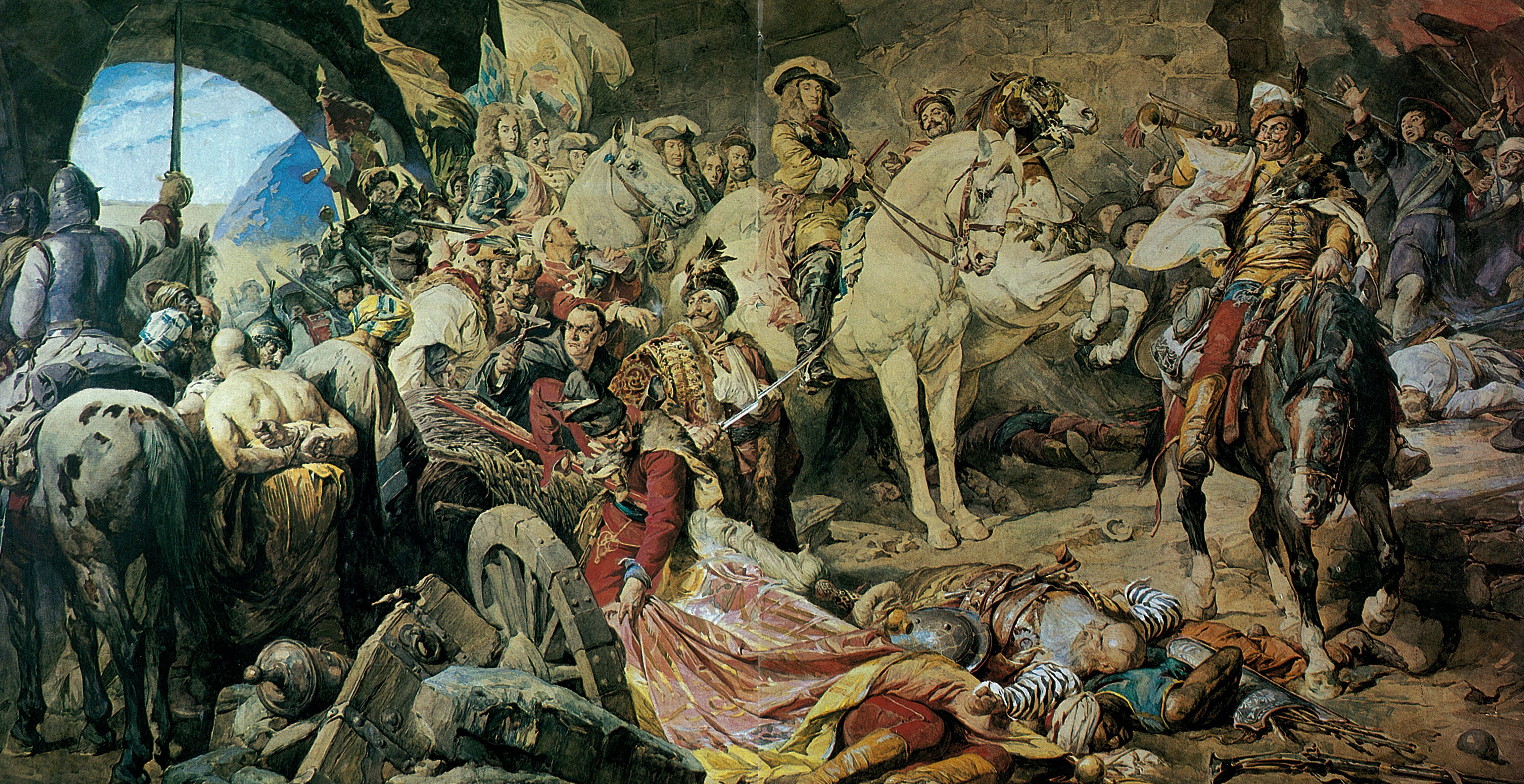
The retaking of Buda from the Turks in 1686. Watercolour by Gyula Benczur. (MMB)
The retaking of Buda from the Turks in 1686. Watercolour by Gyula Benczur. (MMB)

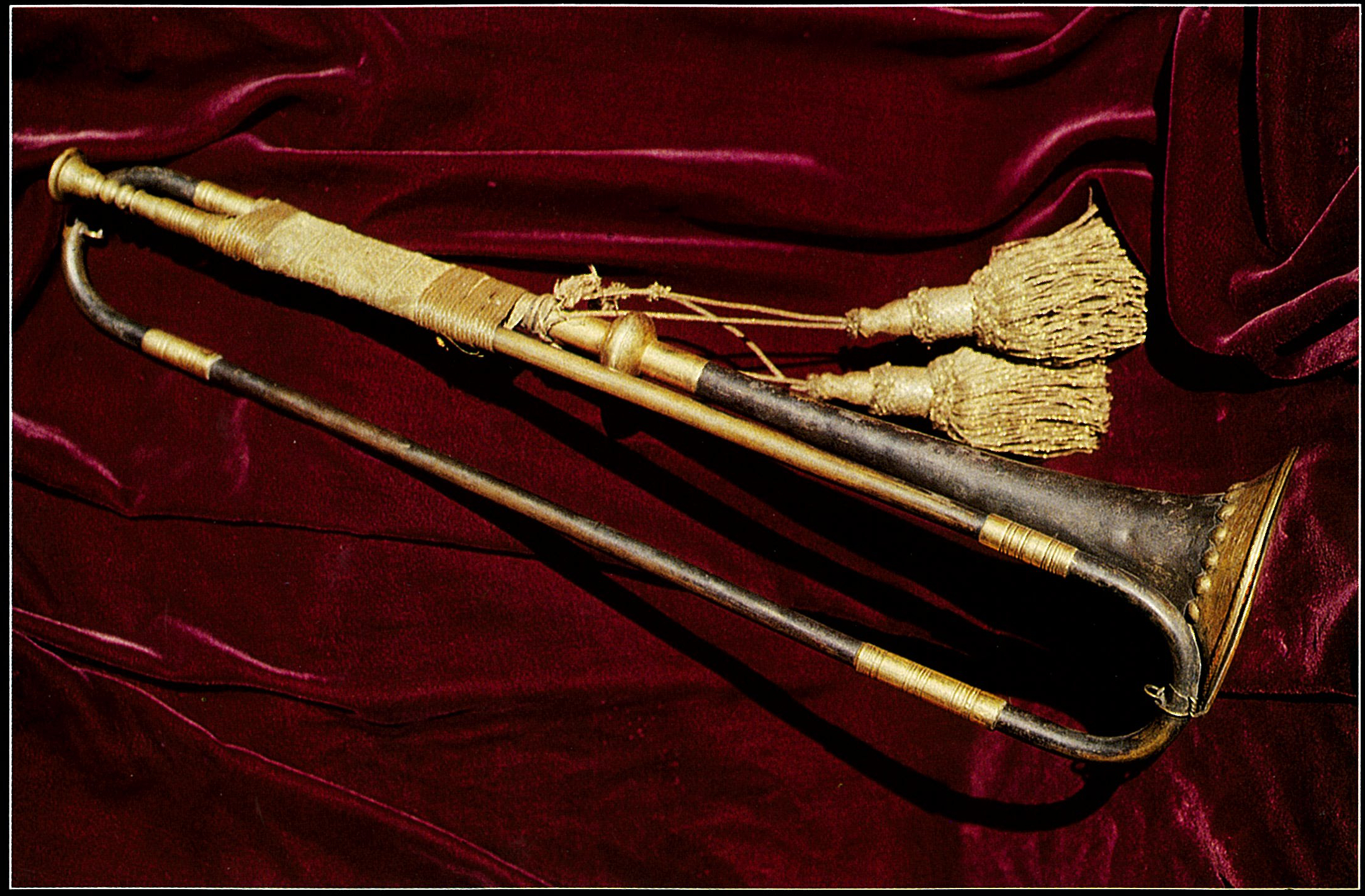
Natural trumpet in F (1798) by Ignaz Kerner, Vienna. (MNB)
Natural trumpet in F (1798) by Ignaz Kerner, Vienna. (MNB)

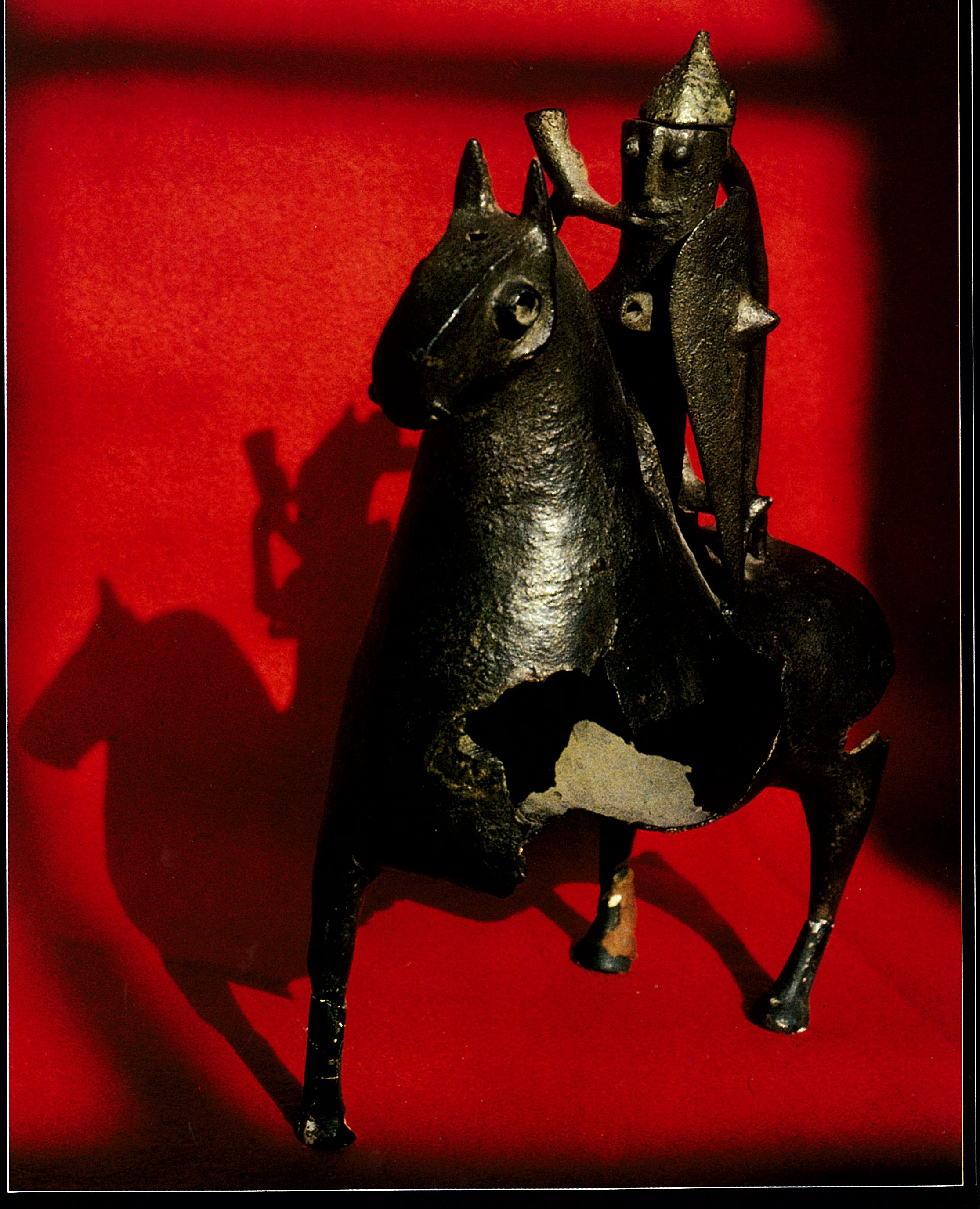
Aquamanic. The knight and his oliphant, a marvellous bronze from the beginning of the second millennium found in Kisjeno...

Aquamanic. The knight and his oliphant, a marvellous bronze from the beginning of the second millennium found in Kisjeno near Arad (now Rumania). (MNB)
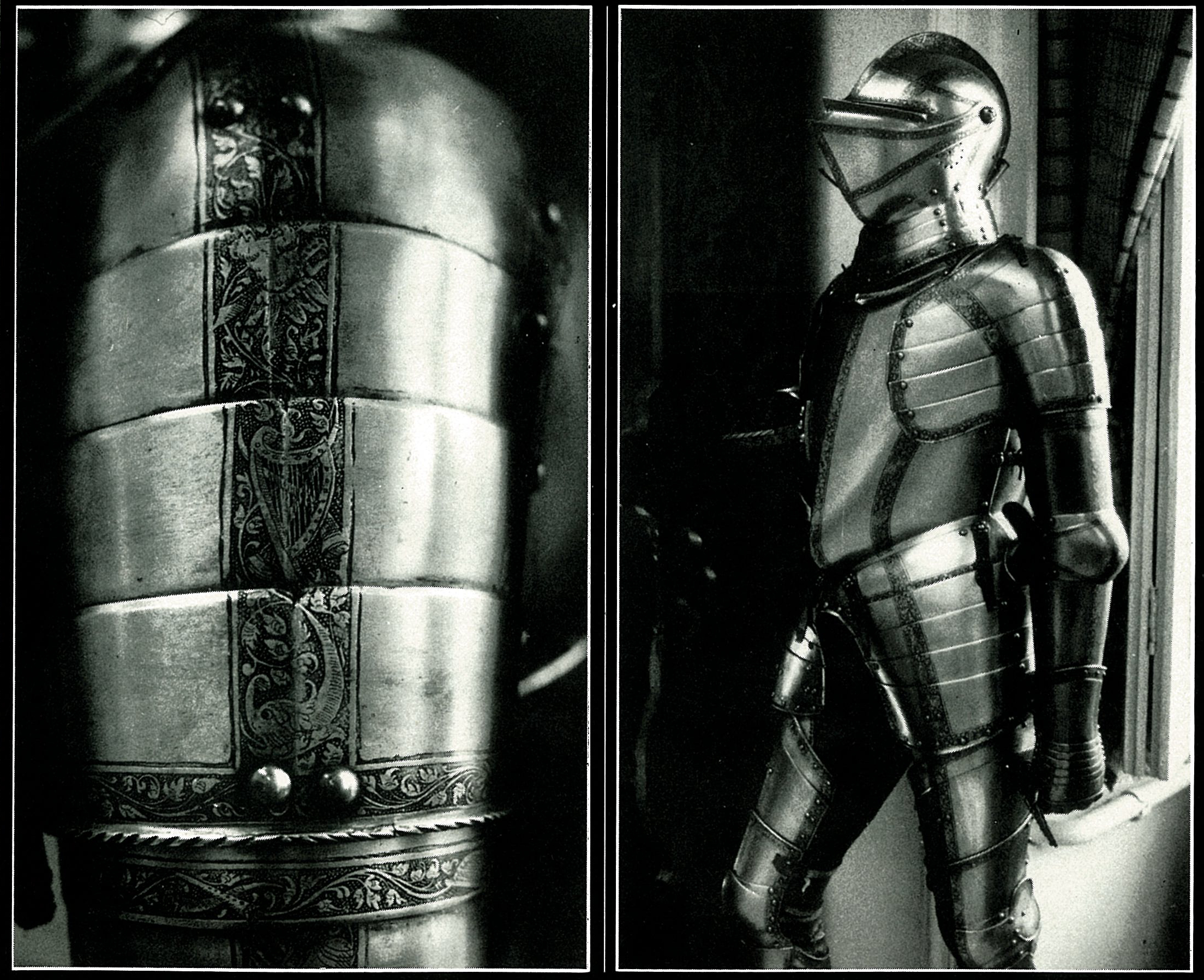
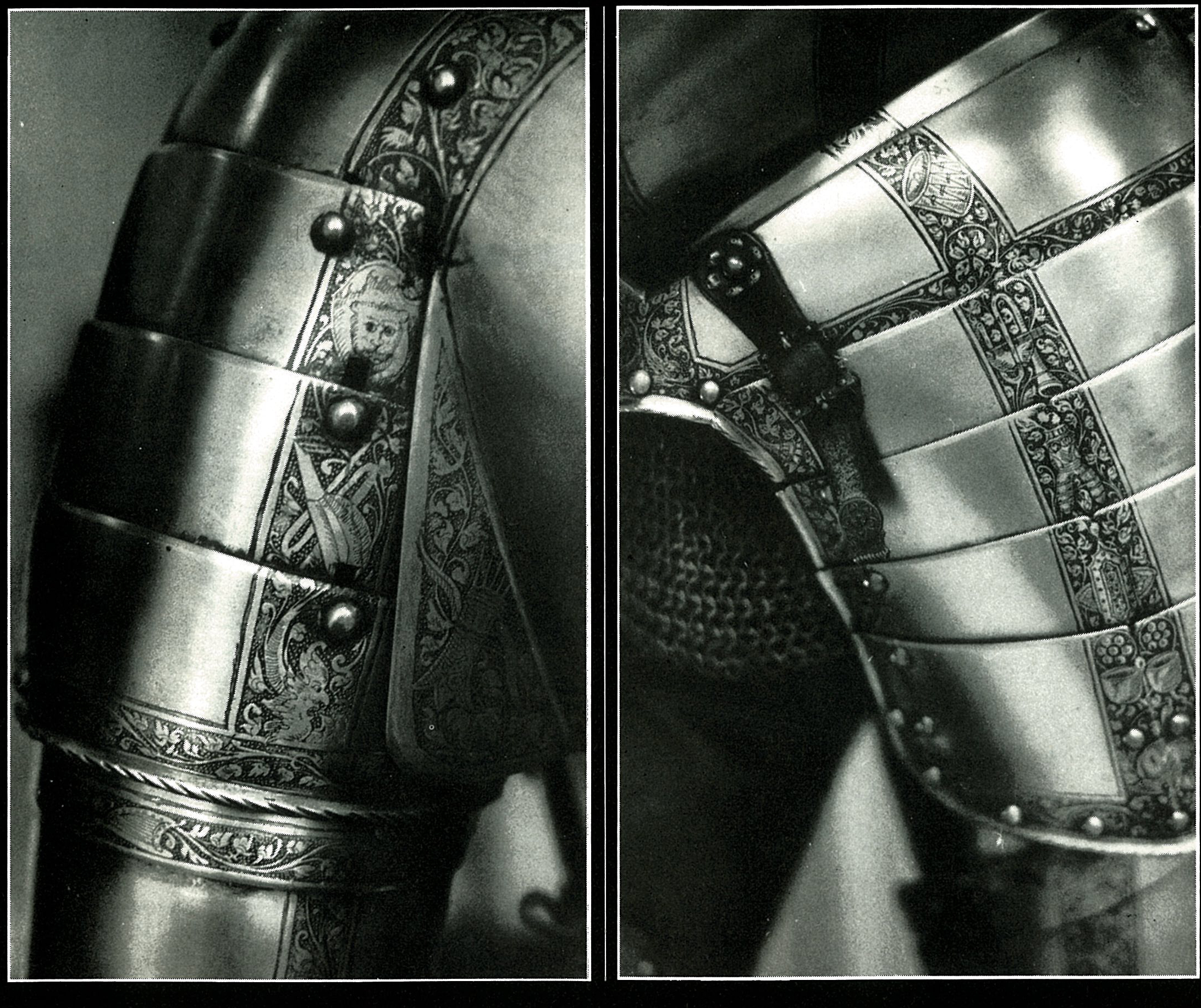
Once upon a time there was a knight who loved music and who had all his armour engraved with the timpani, trumpets, harp...

Once upon a time there was a knight who loved music and who had all his armour engraved with the timpani, trumpets, harps and other pipes which gave him pleasure. (MNB)
Brass Bulletin image
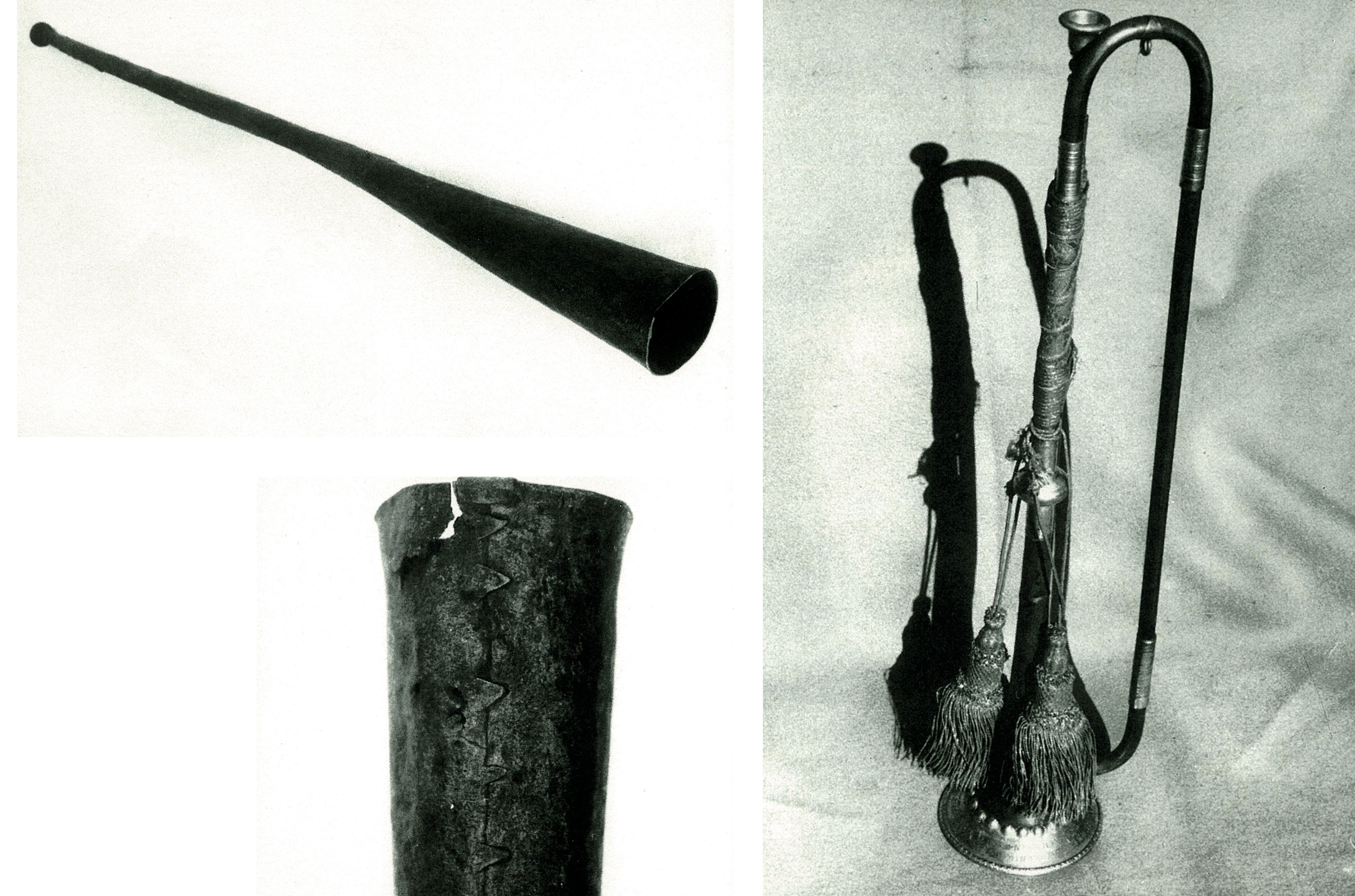
Approximately 1’500 years passed between the making of the Roman trumpet (discovered almost intact in Hungary) and the t...

Approximately 1’500 years passed between the making of the Roman trumpet (discovered almost intact in Hungary) and the time when the Viennese craftsman Ignaz Kerner made his splendid trumpet. (MNB)
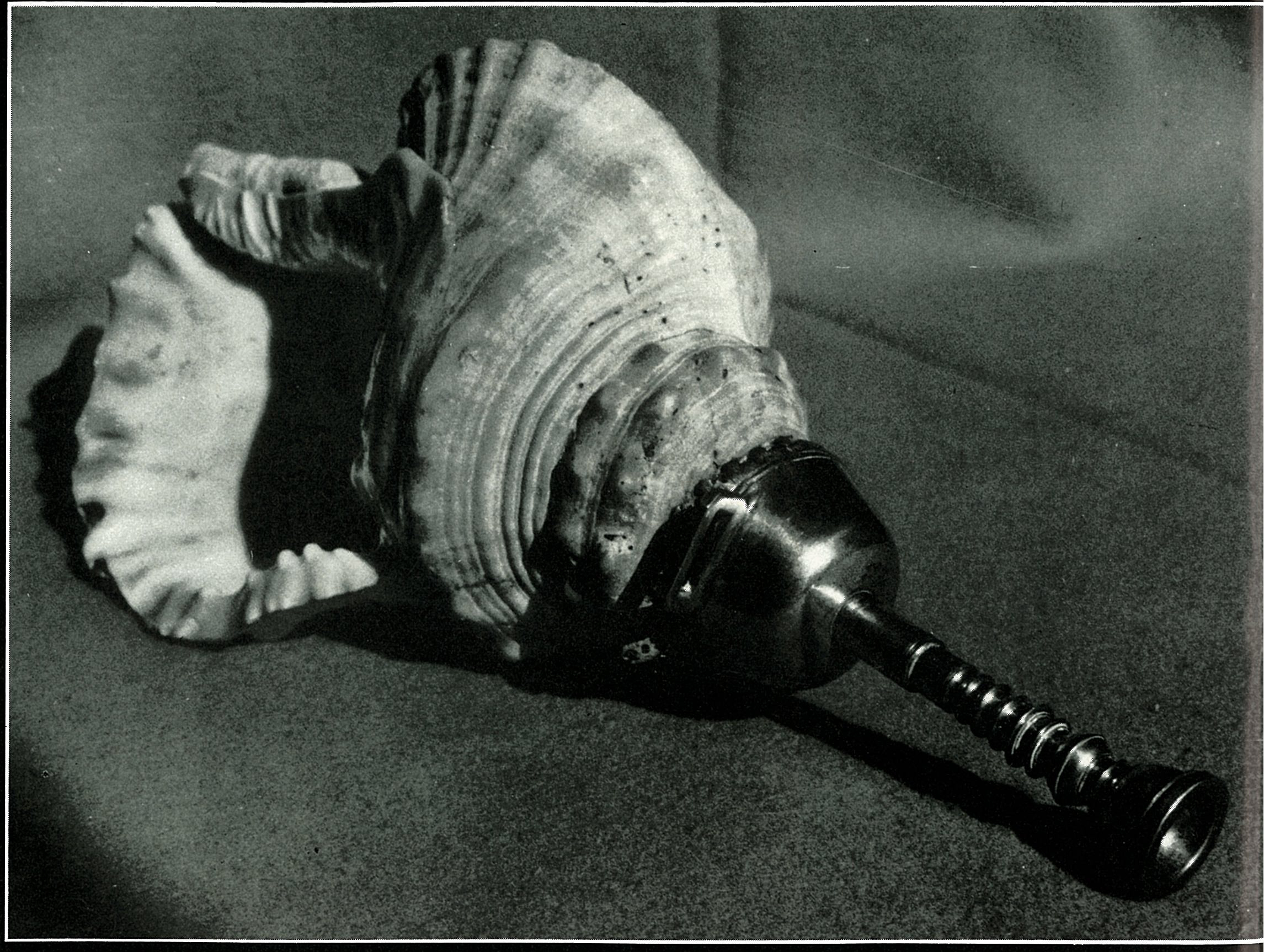
A strange combination of shell and (Baroque?) mouthpiece. A sound which is lost in the mists of time... (MNB)
A strange combination of shell and (Baroque?) mouthpiece. A sound which is lost in the mists of time... (MNB)

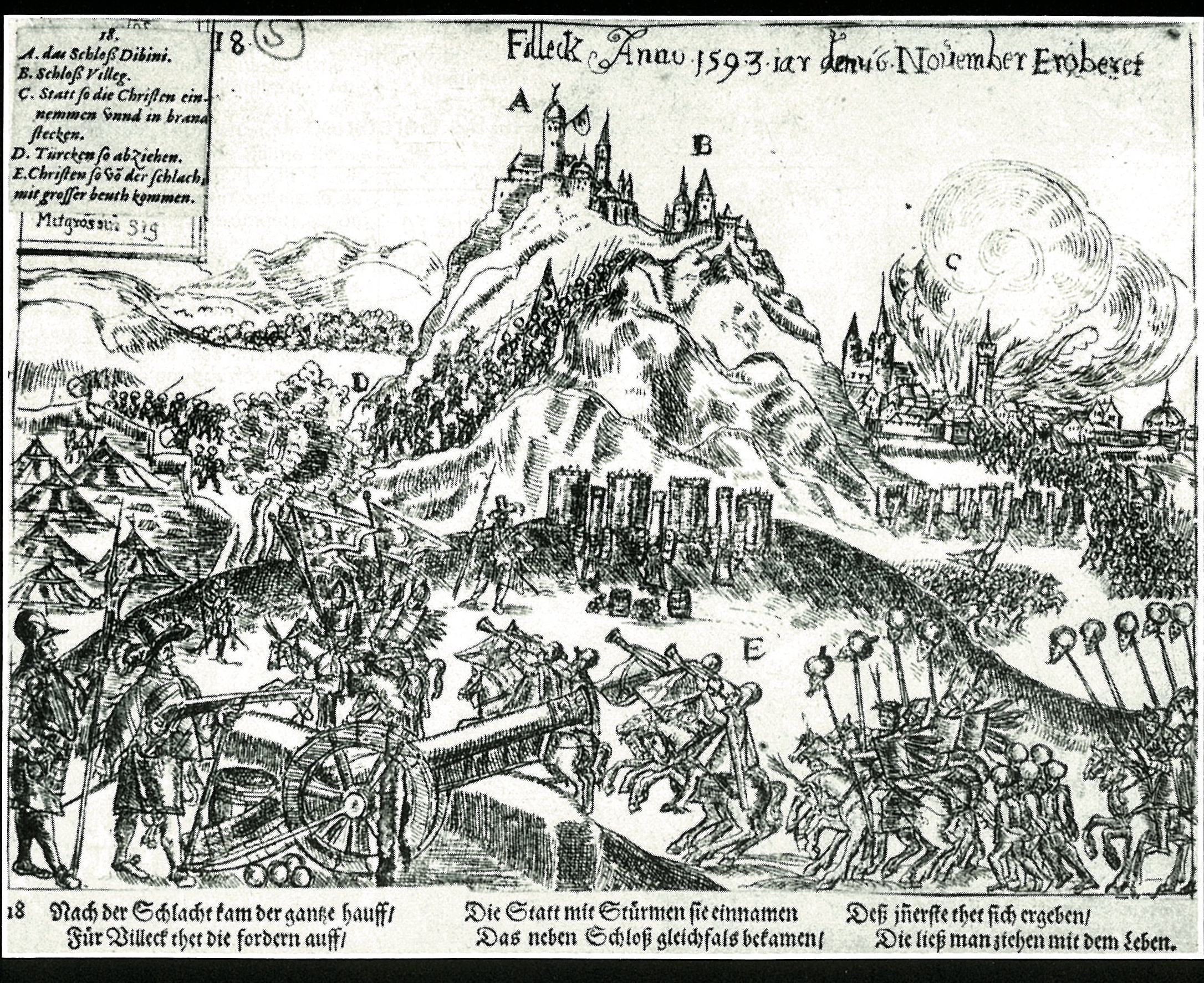
The retaking of Fülek castle in 1593. Engraving on copper by Wilhelm Peter Zimmermann. (MMB)

The retaking of Fülek castle in 1593. Engraving on copper by Wilhelm Peter Zimmermann. (MMB)

Brass Bulletin 48, IV / 1984 páginas 48–61

Todo el contenido está protegido por derechos de autor © Brass Bulletin 1984–2026

Compartir este artículo

Facebook LinkedIn
Cargando…

Preguntas y respuestas

Cómo funciona la edición digital

¿Qué incluye la edición digital?

La edición digital reúne los artículos ya digitalizados como textos legibles y consultables en línea —no simplemente como escaneos o archivos PDF— junto con sus ilustraciones originales, notas, autoría, información del número y traducciones disponibles. Las sugerencias de artículos relacionados incluyen actualmente solo este material digitalizado.

¿Los artículos digitales son idénticos a los originales?

Conservamos con la mayor fidelidad posible el texto original, el idioma, las ilustraciones, los pies de imagen, las notas y el contexto editorial. La presentación se adapta para facilitar la lectura en línea y pueden corregirse errores evidentes de transcripción o escaneado. El contenido y el carácter del artículo publicado permanecen inalterados.

¿Qué idiomas están disponibles?

Brass Bulletin se publicó en inglés, francés y alemán a lo largo de toda su historia. Las traducciones al italiano y al español se añadieron a partir del número 60. Por este motivo, en los sitios italiano y español los artículos de los números 1 a 59 se muestran en inglés de forma predeterminada.

¿Con qué frecuencia se añaden nuevos artículos?

Se añaden nuevos artículos casi a diario, con aproximadamente un número completo digitalizado cada semana. El ritmo puede variar según el trabajo de preparación, tratamiento de imágenes y revisión editorial necesario.

¿Por qué no están disponibles todos los artículos en formato digital?

La colección completa de Brass Bulletin contiene 1.246 artículos publicados entre 1971 y 2003. El índice completo ya está disponible en línea y permite descubrir todos los artículos de la colección, incluidos aquellos cuyo texto íntegro todavía no ha sido digitalizado.

La digitalización comenzó en febrero de 2026. Cada artículo se prepara cuidadosamente para la lectura en línea, se revisa y se vincula con su número, sus autores, sus temas y sus ilustraciones. Al ritmo actual de digitalización, se prevé que la colección completa esté disponible en línea en febrero de 2028.

¿Por qué algunas referencias mencionan artículos que todavía no están disponibles?

Las referencias de los artículos originales se conservan aunque el material al que remiten aún no haya sido digitalizado. De este modo se mantiene intacto el contexto histórico y editorial. A medida que se incorporen más números a la edición digital, un número creciente de estas referencias conducirá a artículos que podrán leerse en línea.

¿Puedo sugerir un artículo o informar de un error de transcripción?

Sí. Si hay algún artículo que le gustaría especialmente ver digitalizado, o si detecta un posible error de transcripción o algún dato que falta, póngase en contacto con nosotros. Los comentarios de los lectores nos ayudan a mejorar la edición digital y a establecer prioridades útiles dentro del archivo.

¿Cómo puedo apoyar a Brass Bulletin?

Su apoyo ayuda a financiar la preparación, verificación y publicación en línea de la colección completa.

Suscríbase a la Edición Digital

¿Prefiere apoyarnos sin suscribirse?

Haga una donación

Busca en Brass Bulletin.