Rendete Brass Bulletin disponibile nella vostra università, nel vostro conservatorio o nella vostra biblioteca Scoprite l’accesso istituzionale

Strumenti storici

74 articoli disponibili online

N. 56 • 1986 In attesa di digitalizzazione

Parte 1

Did Bach write the "corne da caccia" part in the B minor Mass for Gottfried Reiche?

Di Peter Damm

Storia Repertorio Strumenti storici
N. 58 • 1987 In attesa di digitalizzazione

Parte 3

Did Bach write the "corne da caccia" part in the B minor Mass for Gottfried Reiche?

Di Peter Damm
Storia Repertorio Strumenti storici
The Trumpets in the Hungarian National Museum in Budapest Gratuito
N. 48 • 1984 Digitalizzato

Special Hungary

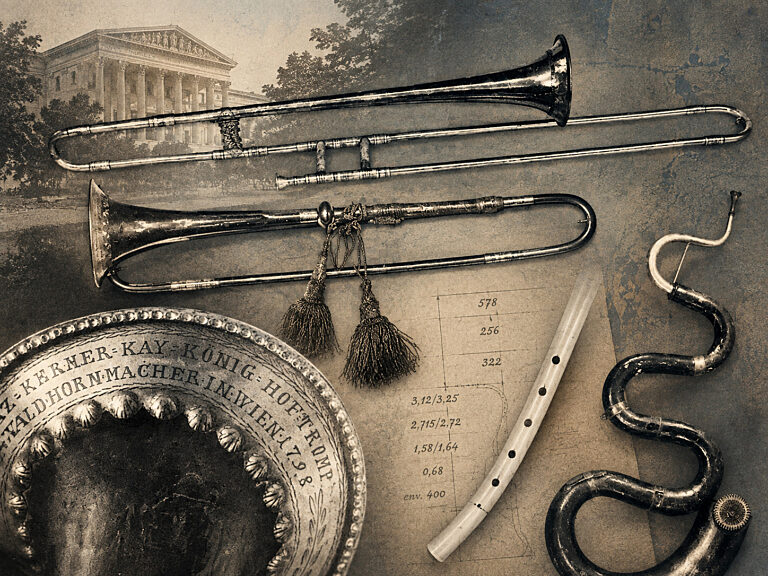
The Trumpets in the Hungarian National Museum in Budapest

Four little-known trumpets in Budapest open a window onto Viennese makers, historical construction, pitch and the fragile survival of museum instruments.

Di Leo Kappel

Equipaggiamento Ricerca Strumenti storici Costruzione degli strumenti
The inner acoustics of the horn Membro
N. 3 • 1972 Digitalizzato

The inner acoustics of the horn

Study of the horn’s inner acoustics, explaining how its structure and air column influence tone production and intonation.

Di Willi Aebi
Equipaggiamento Acustica Storia Tecnica Suono Strumenti storici Valvole
The trumpet in the north German postal service of the 19th century Membro
N. 47 • 1984 Digitalizzato

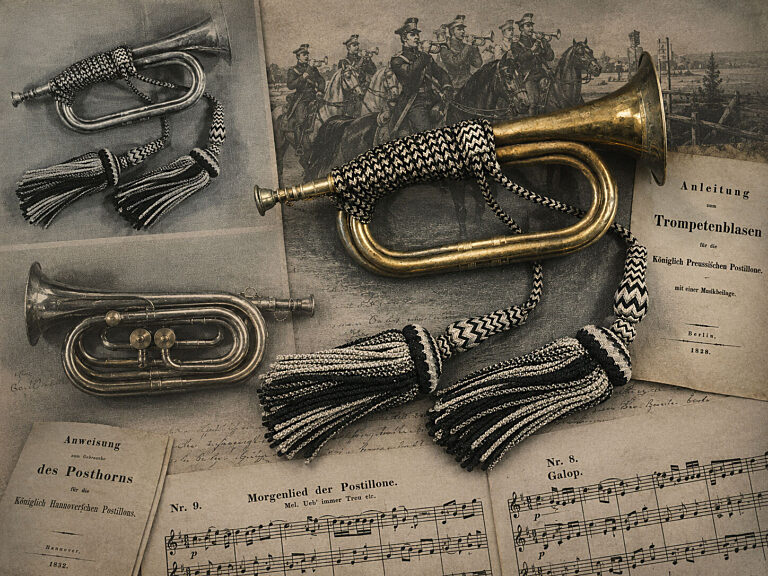
The trumpet in the north German postal service of the 19th century

For forty years, northern German postilions exchanged the familiar post-horn for trumpets, turning postal signals into an unexpected echo of military practice.

Di Albert Hiller
Storia Strumenti storici Valvole
The Unusual Trumpet in the Nürnberg Transport Museum Gratuito
N. 52 • 1985 Digitalizzato

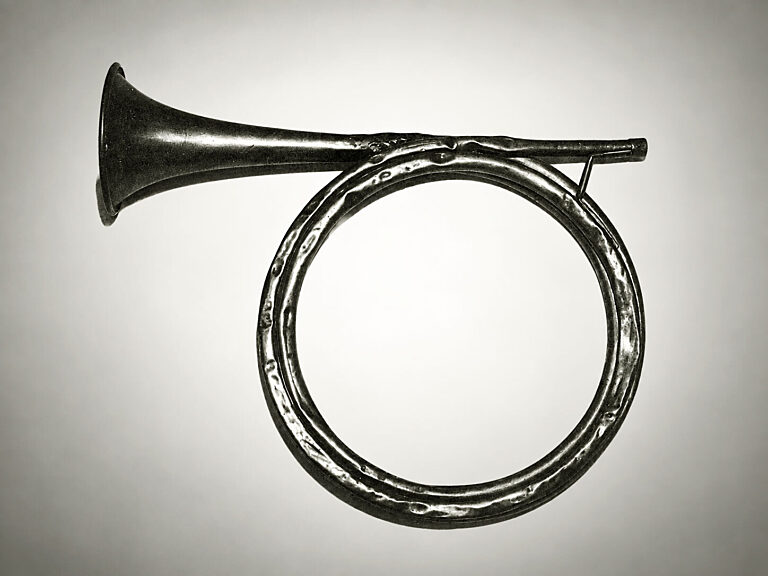
The Unusual Trumpet in the Nürnberg Transport Museum

A mysterious three-coil trumpet in Nuremberg defies familiar instrument types, with no maker, date or clear explanation of how it entered a postal collection.

Di Albert Hiller
Equipaggiamento Strumenti storici
The Trumpet in the Works of Jean-Philippe Rameau Gratuito
N. 35 • 1981 Digitalizzato

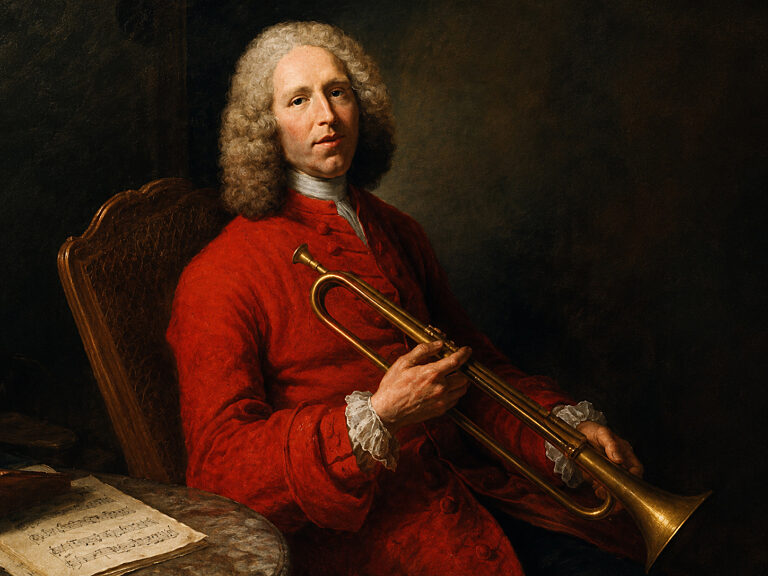
The Trumpet in the Works of Jean-Philippe Rameau

From court entertainments to operatic dances, Rameau’s trumpet writing reveals uncommon technical demands and a broader palette of Baroque brass practice.

Di Albert Hiller

Storia Repertorio Strumenti storici Interpretazione
Membro
N. 1 • 1971 Digitalizzato

The Horn in France

Historical overview of the horn in France by Daniel Bourgue, covering instruments, makers, pedagogy and the evolution of tone and playing style.

Di Daniel Bourgue

Storia Equipaggiamento Tecnica Scuola francese Suono Valvole Strumenti storici
N. 57 • 1987 In attesa di digitalizzazione

Parte 2

Did Bach write the "corne da caccia" part in the B minor Mass for Gottfried Reiche?

Di Peter Damm
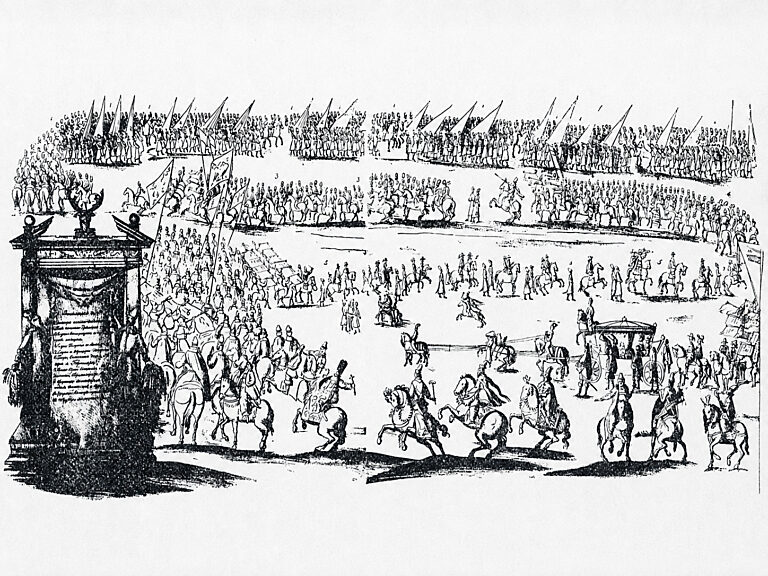
Storia Repertorio Strumenti storici
Russian music and musicians before 1700 Membro
N. 7 • 1974 Digitalizzato

Russian music and musicians before 1700

with special regard to Brass Music

Overview of Russian music and musicians before 1700, exploring early traditions, influences and the role of brass instruments.

Di Walter Salmen

Storia Repertorio Scuola russa Strumenti storici
My collection of historical brass instruments and drums Gratuito
N. 5 • 1973 Digitalizzato

My collection of historical brass instruments and drums

Presentation of a private collection of historical brass instruments and drums, offering insights into their construction, variety and historical context.

Di Wilhelm Bernoulli
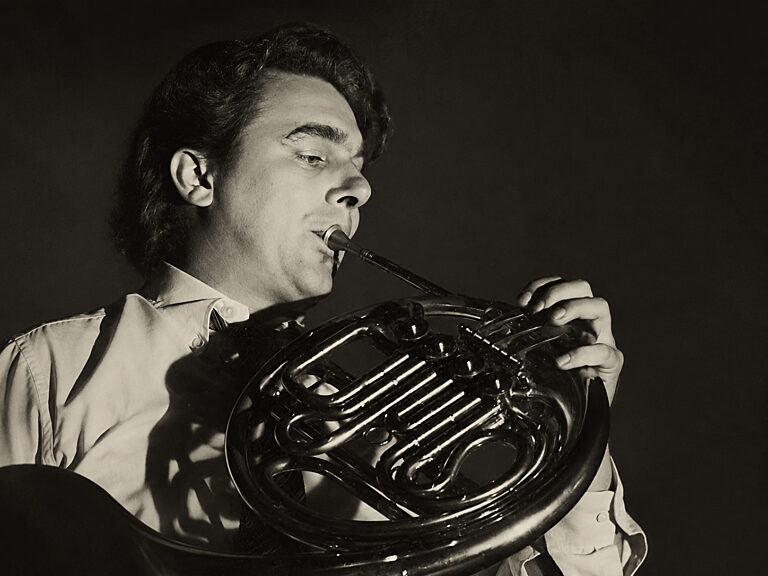
Storia Equipaggiamento Strumenti storici
Which Horn for which Music? Gratuito
N. 3 • 1972 Digitalizzato

Which Horn for which Music?

Article discussing the choice of horn according to repertoire, comparing instruments, sound ideals and stylistic requirements.

Di Hermann Baumann
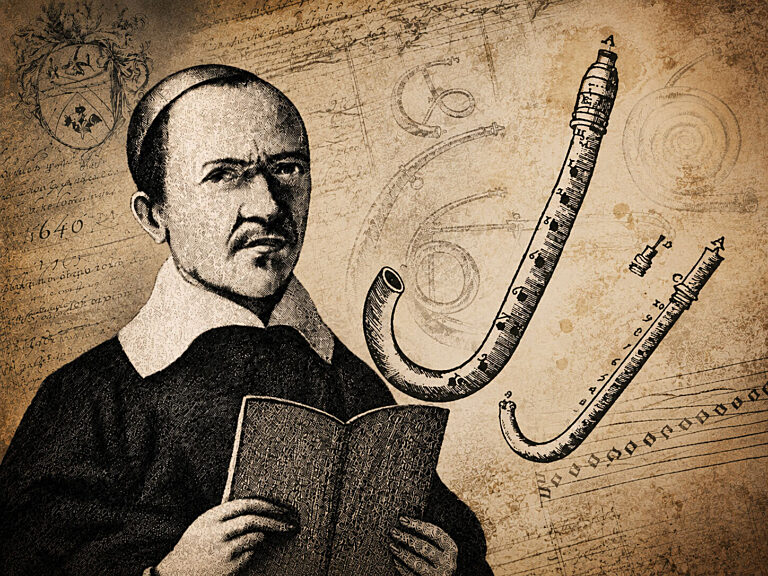
Equipaggiamento Repertorio Strumenti storici Suono Interpretazione
On the Crumhorn Membro
N. 48 • 1984 Digitalizzato

On the Crumhorn

From Pierre Trichet’s Traité des Instruments de Musique (c. 1640)

A seventeenth-century crumhorn leads from Roman lituus and alpine horns to reeds, finger holes and keys, exposing an unexpected family of curved instruments.

Di Pierre Trichet
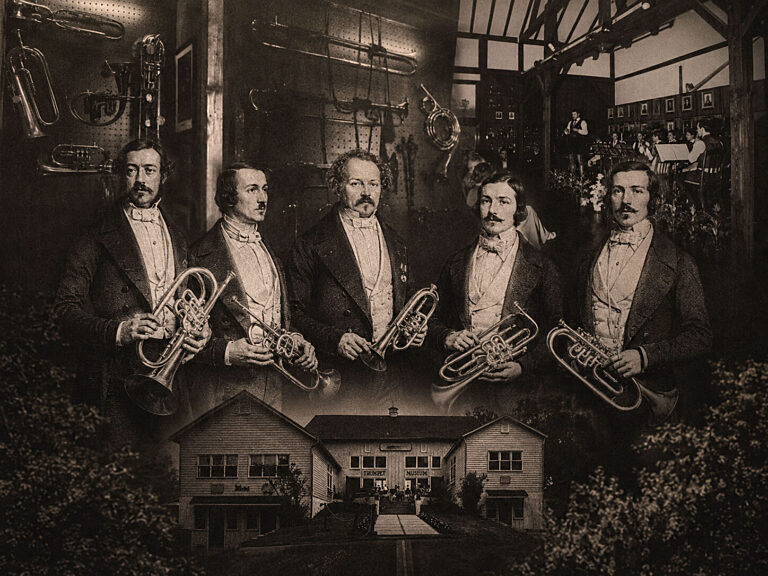
Storia Equipaggiamento Strumenti storici
The Streitwieser Foundation Historic Trumpet Museum Gratuito
N. 39 • 1982 Digitalizzato

The Streitwieser Foundation Historic Trumpet Museum

A private collection built through one musician's lifelong search became an unexpected center for brass history, where every instrument carries a story beyond its display.

Di Sue Scott
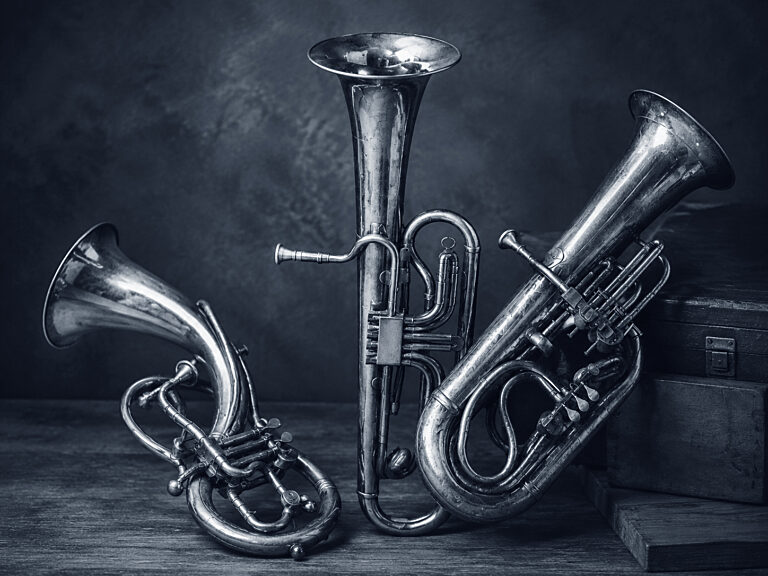
Storia Equipaggiamento Strumenti storici
The Euphonium in America Membro
N. 35 • 1981 Digitalizzato

The Euphonium in America

A Short History

Euphonium terminology, bore sizes, and band instrumentation shifted across Europe and America, from Sax and Conn to Gilmore, Sousa, and Fennell.

Di Robert Reifsnyder
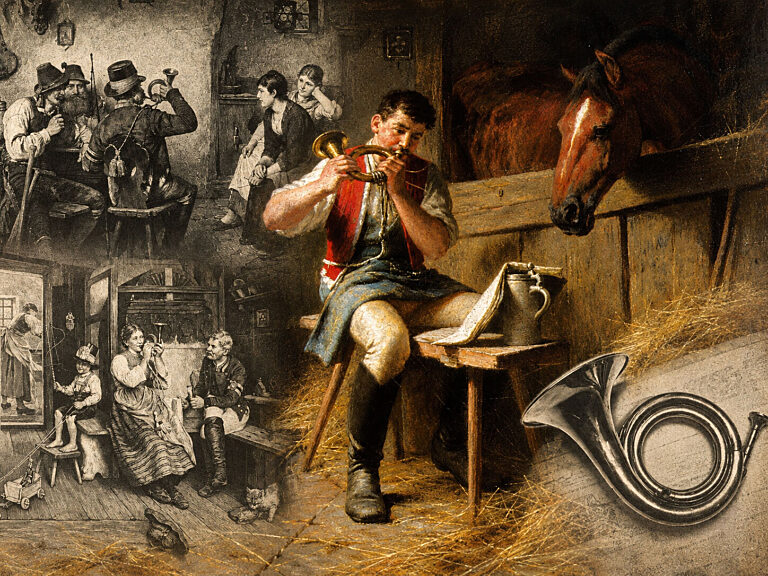
Storia Equipaggiamento Strumenti storici Costruzione degli strumenti Valvole
The posthorn of the 19th-century Royal Post Office in the service of folk music Membro
N. 50 • 1985 Digitalizzato

The posthorn of the 19th-century Royal Post Office in the service of folk music

Once a tool of postal signalling, the posthorn became part of Bavaria’s popular musical life, caught between official regulation, practical invention and folk tradition.

Di Albert Hiller
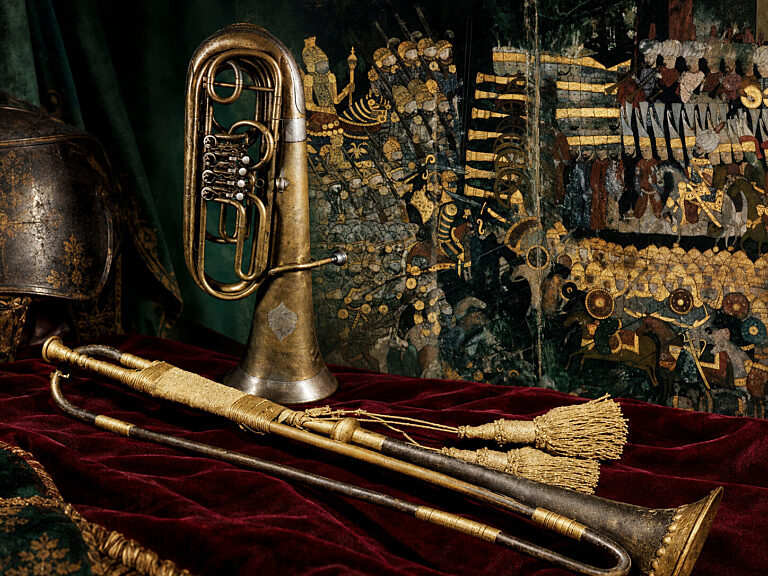
Storia Equipaggiamento Strumenti storici
The most beautiful instruments of the National and Military Museums Gratuito
N. 48 • 1984 Digitalizzato

Special Hungary

The most beautiful instruments of the National and Military Museums

Special Hungary

Budapest’s museum collections bring together Roman and Baroque trumpets, ceremonial instruments and military imagery, preserving sounds and symbols across centuries.

Di Jean-Pierre Mathez
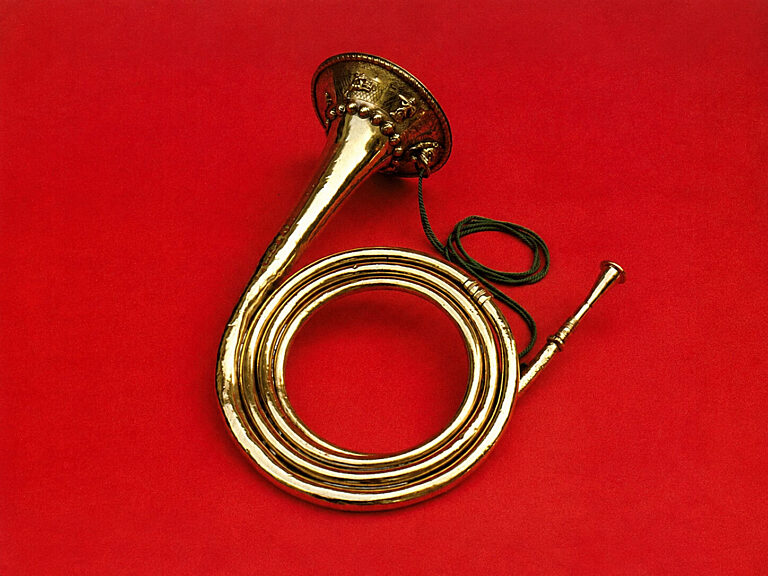
Storia Equipaggiamento Strumenti storici Illustrazioni
The Coiled Hunting Instrument by J. W. Haas Membro
N. 54 • 1986 Digitalizzato

The Coiled Hunting Instrument by J. W. Haas

Bad Säckingen Trumpet Museum

A rare instrument made in 1688 blurs the boundary between horn and trumpet, while its maker’s mark raises an unresolved question about the Haas family.

Di Edward H. Tarr
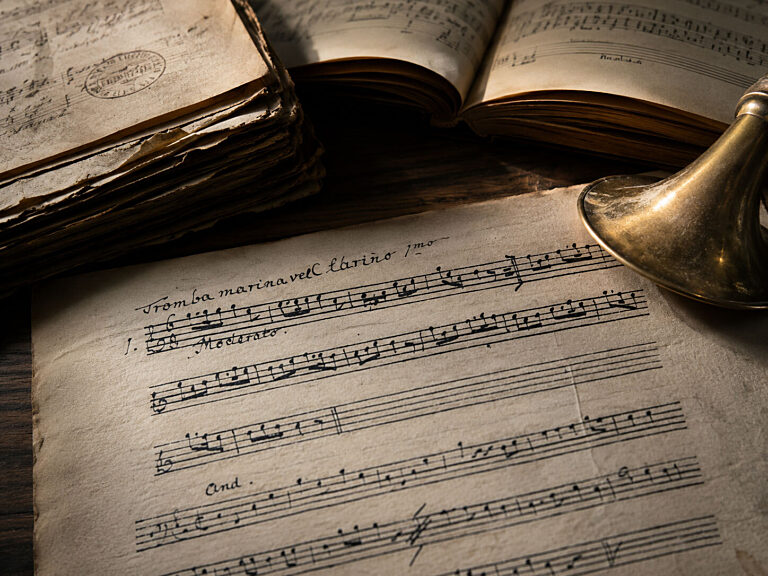
Storia Strumenti storici
Unknown Treasures for Trumpet Ensembles Gratuito
N. 38 • 1982 Digitalizzato

Unknown Treasures for Trumpet Ensembles

Processional Music from 18th century Bavaria

Forgotten Bavarian monastery archives preserve hundreds of ceremonial trumpet works, where local tradition and practical performance survived long after their cultural world disappeared.

Di Albert Hiller
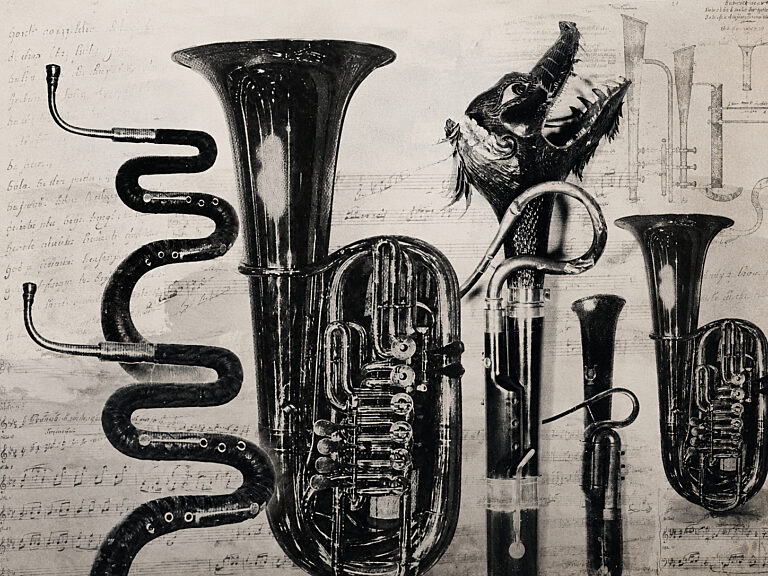
Repertorio Storia Ensemble di ottoni Strumenti storici Estensione
The tuba, Benjamin of the brass family Membro
N. 17 • 1977 Digitalizzato

The tuba, Benjamin of the brass family

Where does the tuba come from? From serpent to ophicleide to saxhorns, this article traces a lesser-known path to the modern instrument.

Di Emilie Mende
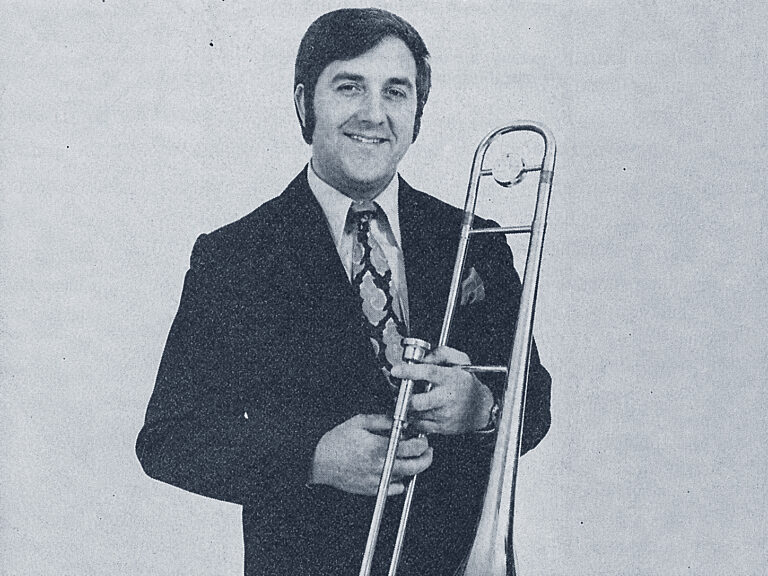
Storia Equipaggiamento Strumenti storici Costruzione degli strumenti Valvole
The trombone in Belgium Gratuito
N. 5 • 1973 Digitalizzato

The trombone in Belgium

Published in memory of its author, this article reflects on the trombone tradition in Belgium and his lasting contribution.

Di Albert Mertens
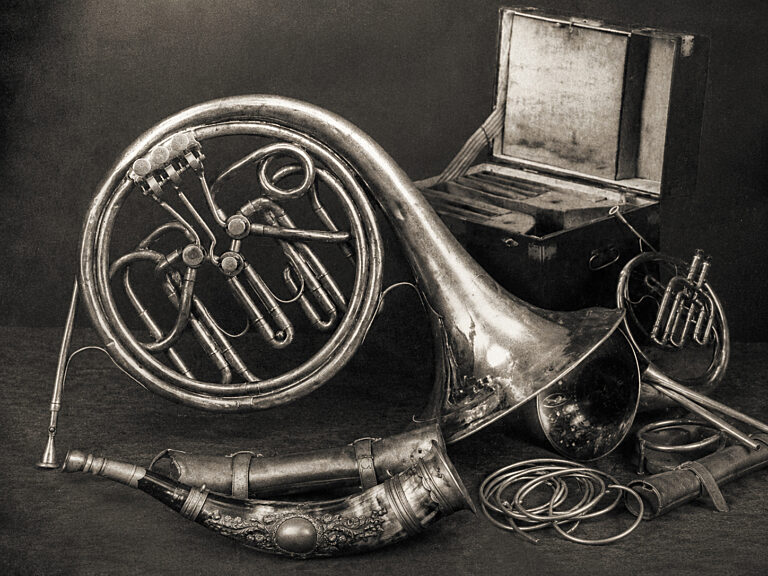
Storia Tecnica Equipaggiamento Strumenti storici Valvole Interpretazione
Round the Horn Gratuito
N. 44 • 1983 Digitalizzato

Round the Horn

Hamburg 1982

A 1982 Hamburg exhibition brought 150 horns out of collections and into players’ hands, collapsing centuries of hunting, signalling and concert traditions into one room.

Di Michael Höltzel
Storia Evento Strumenti storici
The Midwinter Horn Gratuito
N. 37 • 1982 Digitalizzato

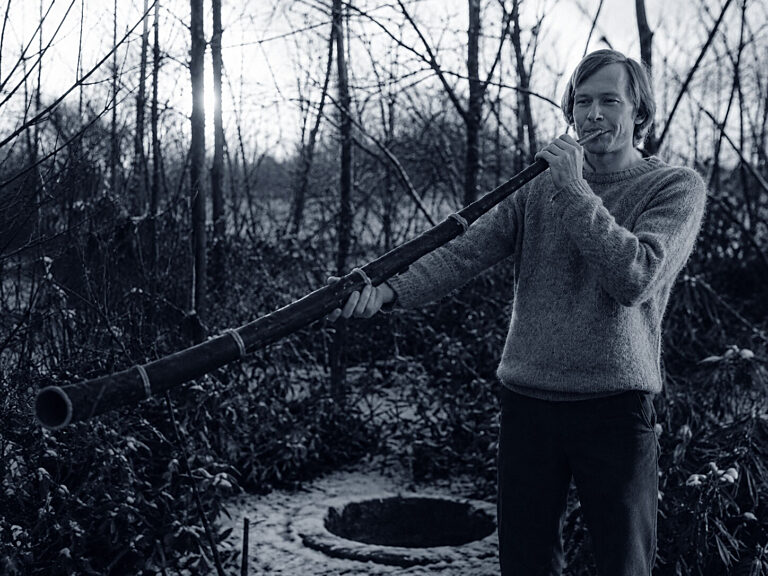
The Midwinter Horn

De Midwinterhoorn

A Christmas horn tradition from eastern Netherlands preserves ancient construction, ritual and performance, linking rural practice with Leopold Mozart's Sinfonia pastorella.

Di Herman Jeurissen

Storia Società Strumenti storici Costruzione degli strumenti Sociologia
Membro
N. 4 • 1973 Digitalizzato

Some observation prompted by H. Baumann: Which Horn for which Music

Commentary responding to H. Baumann’s article (BB 3), offering critical observations and contributing to the ongoing debate on horn playing.

Di Harold Meek

Equipaggiamento Repertorio Strumenti storici Idee
Loading…

Domande e risposte

Come funziona l’edizione digitale

Che cosa comprende l’edizione digitale?

L’edizione digitale riunisce gli articoli già digitalizzati sotto forma di testi leggibili e ricercabili online — non semplicemente come scansioni o file PDF — insieme alle illustrazioni originali, alle note, agli autori, alle informazioni sul numero della rivista e alle traduzioni disponibili. I suggerimenti di articoli correlati comprendono attualmente solo questo materiale digitalizzato.

Gli articoli digitali sono identici agli originali?

Conserviamo il più fedelmente possibile il testo originale, la lingua, le illustrazioni, le didascalie, le note e il contesto editoriale. La presentazione viene adattata per una lettura confortevole online e gli evidenti errori di trascrizione o scansione possono essere corretti. Il contenuto e il carattere dell’articolo pubblicato rimangono invariati.

Quali lingue sono disponibili?

Brass Bulletin è stato pubblicato in inglese, francese e tedesco nel corso di tutta la sua storia. Le traduzioni italiane e spagnole sono state aggiunte a partire dal numero 60. Sui siti italiano e spagnolo, gli articoli dei numeri da 1 a 59 vengono quindi mostrati in inglese per impostazione predefinita.

Con quale frequenza vengono aggiunti nuovi articoli?

Nuovi articoli vengono aggiunti quasi ogni giorno, con circa un numero completo digitalizzato ogni settimana. Il ritmo può variare in base al lavoro di preparazione, elaborazione delle immagini e verifica editoriale necessario.

Perché non tutti gli articoli sono disponibili in formato digitale?

La collezione completa di Brass Bulletin comprende 1.246 articoli pubblicati tra il 1971 e il 2003. L’indice completo è già disponibile online e consente di scoprire tutti gli articoli della collezione, compresi quelli il cui testo integrale non è ancora stato digitalizzato.

La digitalizzazione è iniziata nel febbraio 2026. Ogni articolo viene accuratamente preparato per la lettura online, verificato e collegato al relativo numero, agli autori, agli argomenti e alle illustrazioni. Al ritmo attuale di digitalizzazione, la collezione completa dovrebbe essere disponibile online entro febbraio 2028.

Perché alcuni riferimenti citano articoli che non sono ancora disponibili?

I riferimenti presenti negli articoli originali vengono conservati anche quando il materiale a cui rimandano non è ancora stato digitalizzato. In questo modo si preserva l’integrità storica ed editoriale della rivista. Man mano che nuovi numeri vengono aggiunti all’edizione digitale, un numero crescente di questi riferimenti condurrà ad articoli leggibili online.

Posso suggerire un articolo o segnalare un errore di trascrizione?

Sì. Se desiderate che un determinato articolo venga digitalizzato, oppure se notate un possibile errore di trascrizione o un’informazione mancante, contattateci. I riscontri dei lettori ci aiutano a migliorare l’edizione digitale e a stabilire priorità utili all’interno dell’archivio.

Come posso sostenere Brass Bulletin?

Il vostro sostegno contribuisce a finanziare la preparazione, la verifica e la pubblicazione online dell’intera collezione.

Abbonati all’Edizione digitale

Preferite sostenerci senza abbonarvi?

Fate una donazione

Come procede la digitalizzazione?

Stiamo rendendo Brass Bulletin disponibile online gradualmente, articolo per articolo. Potete leggere gli articoli appena digitalizzati non appena sono pronti, anche prima che un intero numero sia completato.

Consultate il nostro calendario di digitalizzazione per scoprire le ultime aggiunte e le date di disponibilità stimate dei prossimi numeri. Le stime si basano sul nostro ritmo recente e possono cambiare.

Cerca in Brass Bulletin.