Rendete Brass Bulletin disponibile nella vostra università, nel vostro conservatorio o nella vostra biblioteca Scoprite l’accesso istituzionale

4 min di lettura

The Streitwieser Foundation Historic Trumpet Museum

The Streitwieser Foundation Historic Trumpet Museum

The Streitwiesers

Franz Streitwieser, owner and originator of the Streitwieser Trumpet Museum, has, through a life time of travel and study, amassed one of the largest trumpet collections in the world. A trumpeter originally from Germany, Franz studied music at the famed Mozarteum in Austria and performed both in the Salzburg Festival and, also has been principle trumpeter in the Freiburg Philarmonic. One of his most significant experiences was his membership in the Camerata Academica (a touring chamber orchestra devoted exclusively to the performance of Mozart), where he had the opportunity to travel extensively throughout Europe. It was during this period of travel that Franz began collecting unusual instruments, spending most of his earnings on their purchase.

At this same time, he was also struck with a feeling of frustration over what was available to him as a trumpeter. The history of the trumpet can be traced from man's earliest writings, appearing throughout history as the instrument of kings. However, in the early 19th the trumpet became pushed to the background becoming an accompaniment instrument whose solo repertoire was severely limited. For some reason the wide range of sonatas and concertos we have today remained obscure for a time and nowhere was this dearth of challenging music more apparent than in an orchestra dedicated to the performance of Mozart. It was a love for the trumpet and belief in its versatility that prompted Franz's passion for collecting old trumpets as well as music, pictures and memorabilia related to all aspects of brass instruments.

In 1963, Franz married Catherine, formerly Jerry Schutt of Wilmington and a fellow student at the Mozarteum. For family reasons they returned to the United States and bought an old farm house in Pottstown, Pa. In the meantime, two other collections of instruments were purchased, the Eames and the Gribbon Collections and the Streitwiesers dreamed of exhibiting this, now massive, assemblage in a suitable place. Hence, the doors to the Streitwieser Trumpet Museum opened to the public on May 5, 1980, housing one of the most formidable collections of brass instruments anywhere.

Streiweiser Foundation Historic Trumpet Musieum

Streiweiser Foundation Historic Trumpet Musieum

The Museum itself

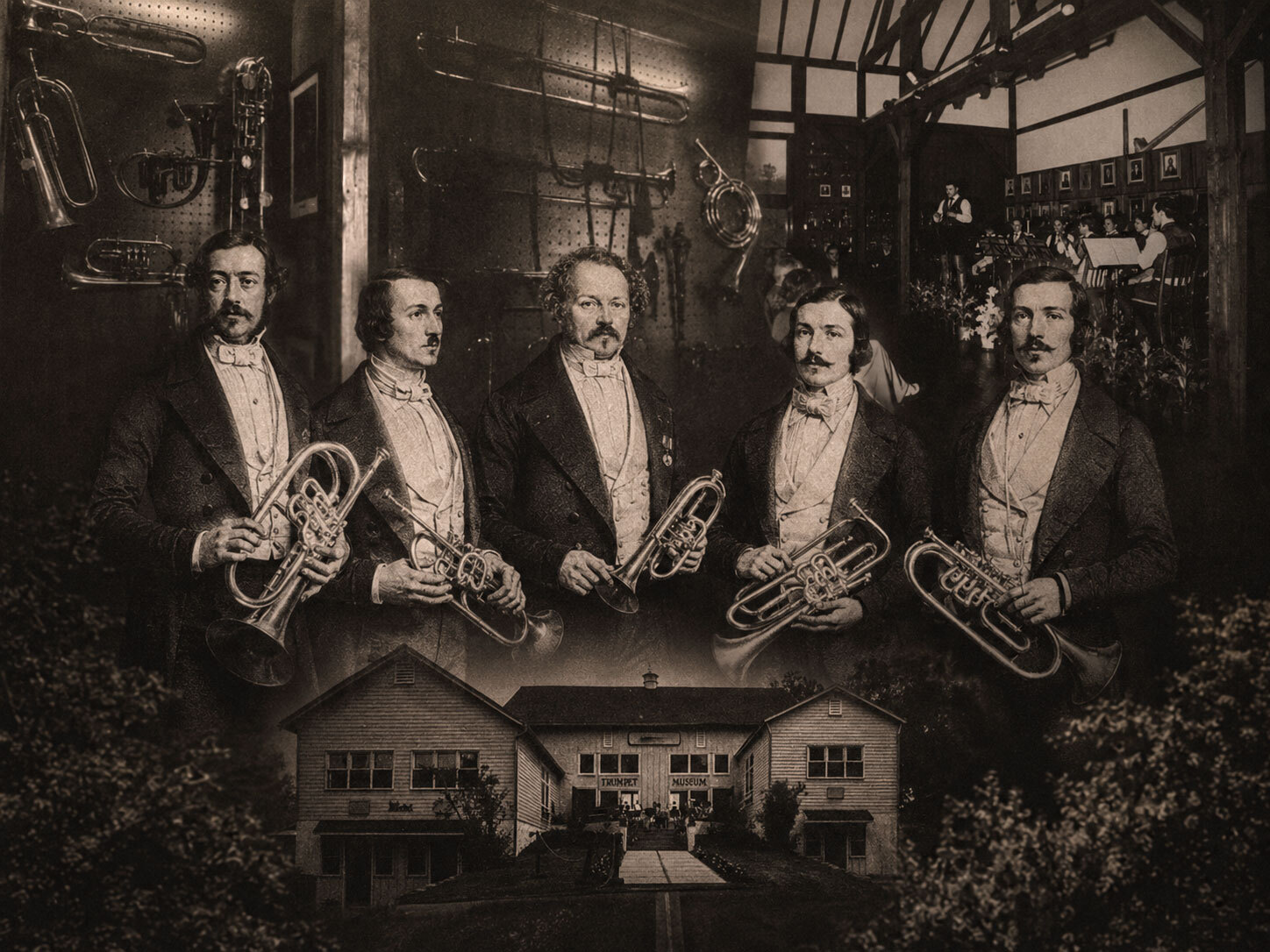
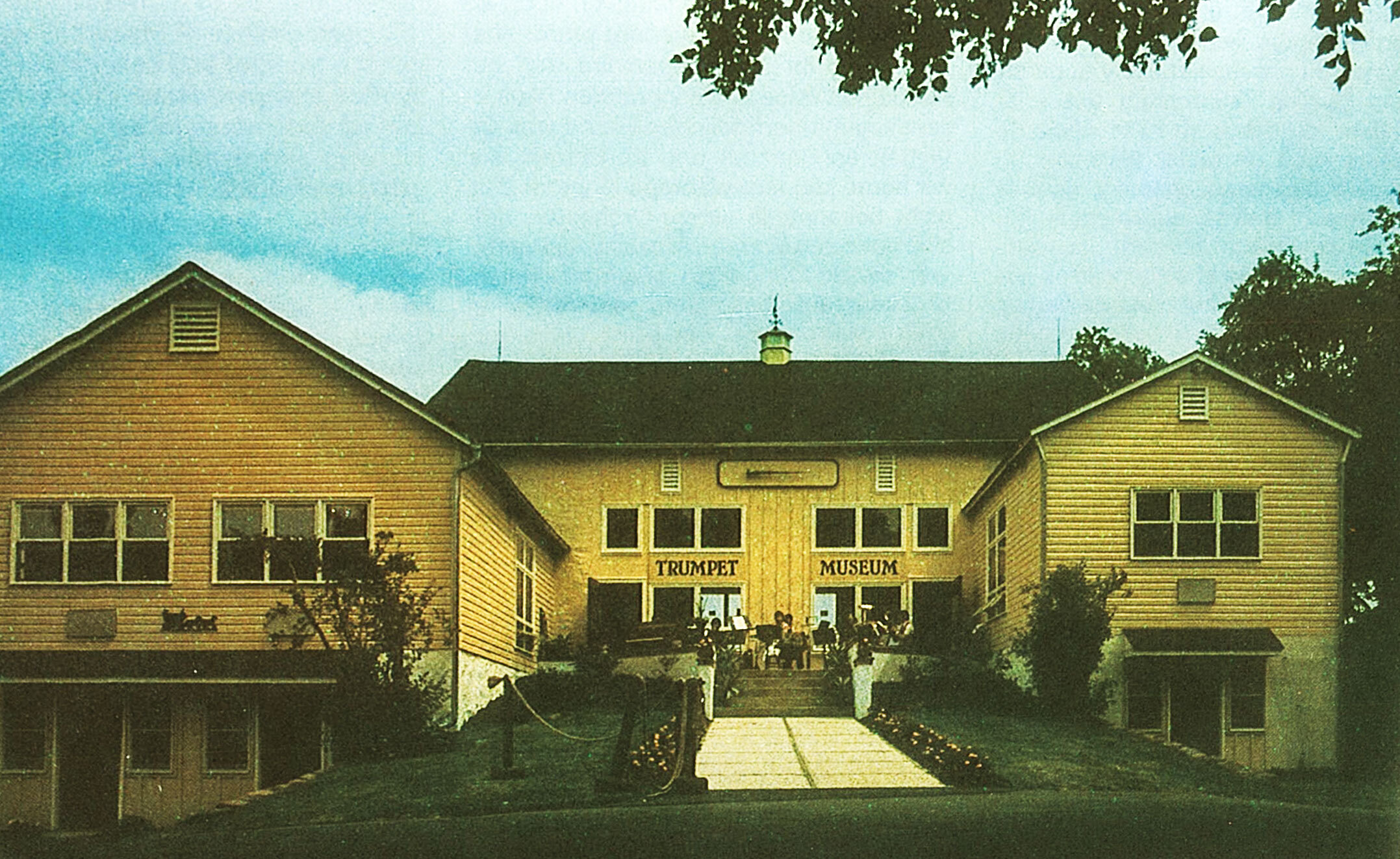
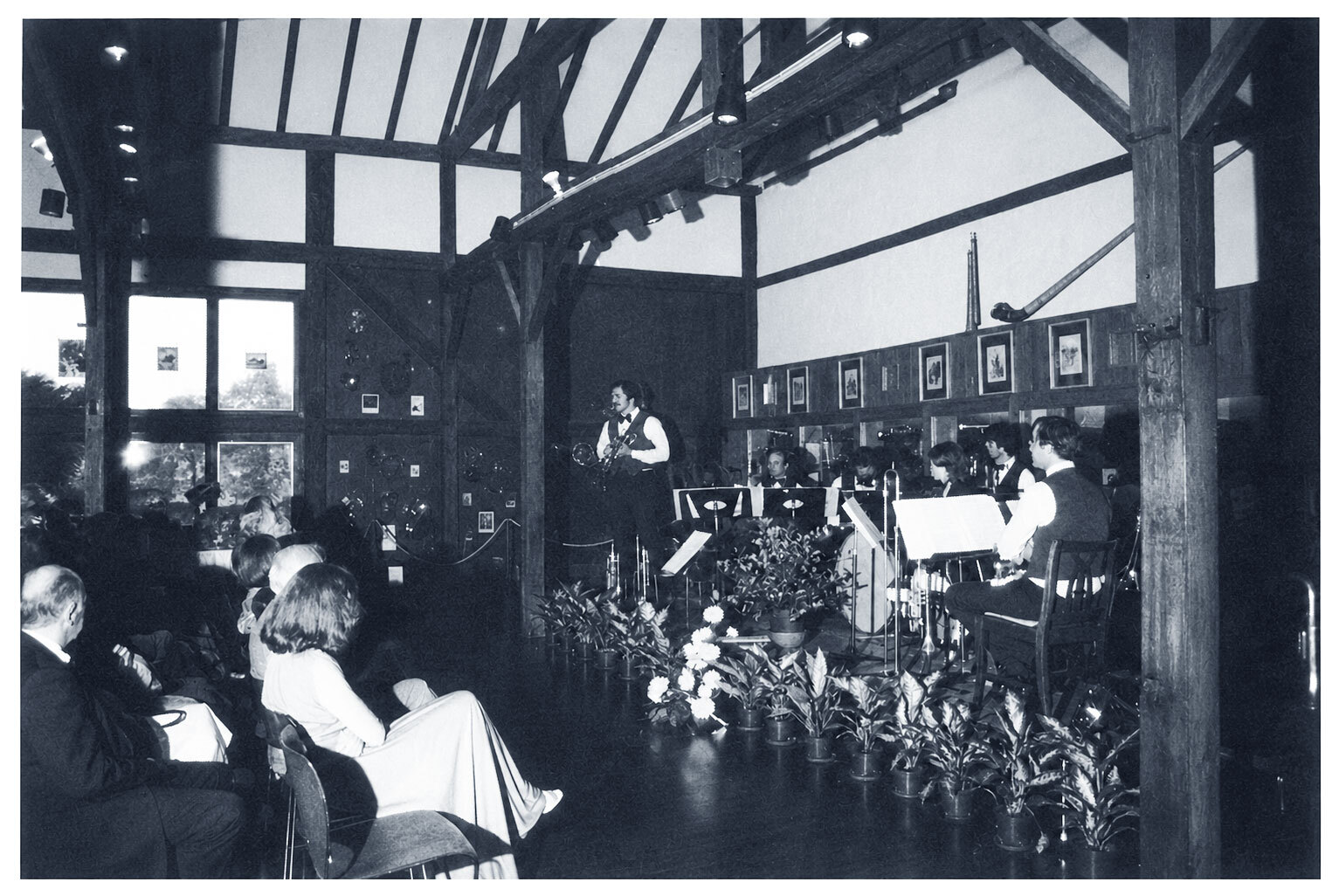
The museum sits on a beautifully landscaped estate where several buildings lie surrounded by century-old shag hickory trees. The main house, where the Streitwiesers live with their four children, was built in 1734. Adjacent to this a secluded summer dwelling, built in 1820, a spring house overlooking a large pond and the museum itself, a handsomely renovated 1860 barn, having an almost castle-like appearance. The barn took one full year to renovate, gutting the original structure and rebuilding again from the ground up. It contains 500 square feet of show cases housing over 300 brass instruments of every size and shape. This large rectangular room doubles as a concert hall with a seating capacity of app. 200. Also included in the building is an instrument repair shop, an office, a research library that it also used as a "green room" for concert performers, a lecture room frequently used for lecture-demonstrations and a caretakers apartment.
Brass Bulletin image

The museum hosts a chamber music series that has become very popular in the surrounding communities. The barn that houses the museum is supported by the original 120 year old wooden beams and the planked floors add to the rustic flavor that the museum provides. On the far side of the barn there is a spacious picture window overlooking a reflecting pool which is the future site of a gazebo for outdoor concerts. The scenery is breathtaking and it is worth a visit there, if only to revel in the lush surroundings that are so much a part of the total experience.

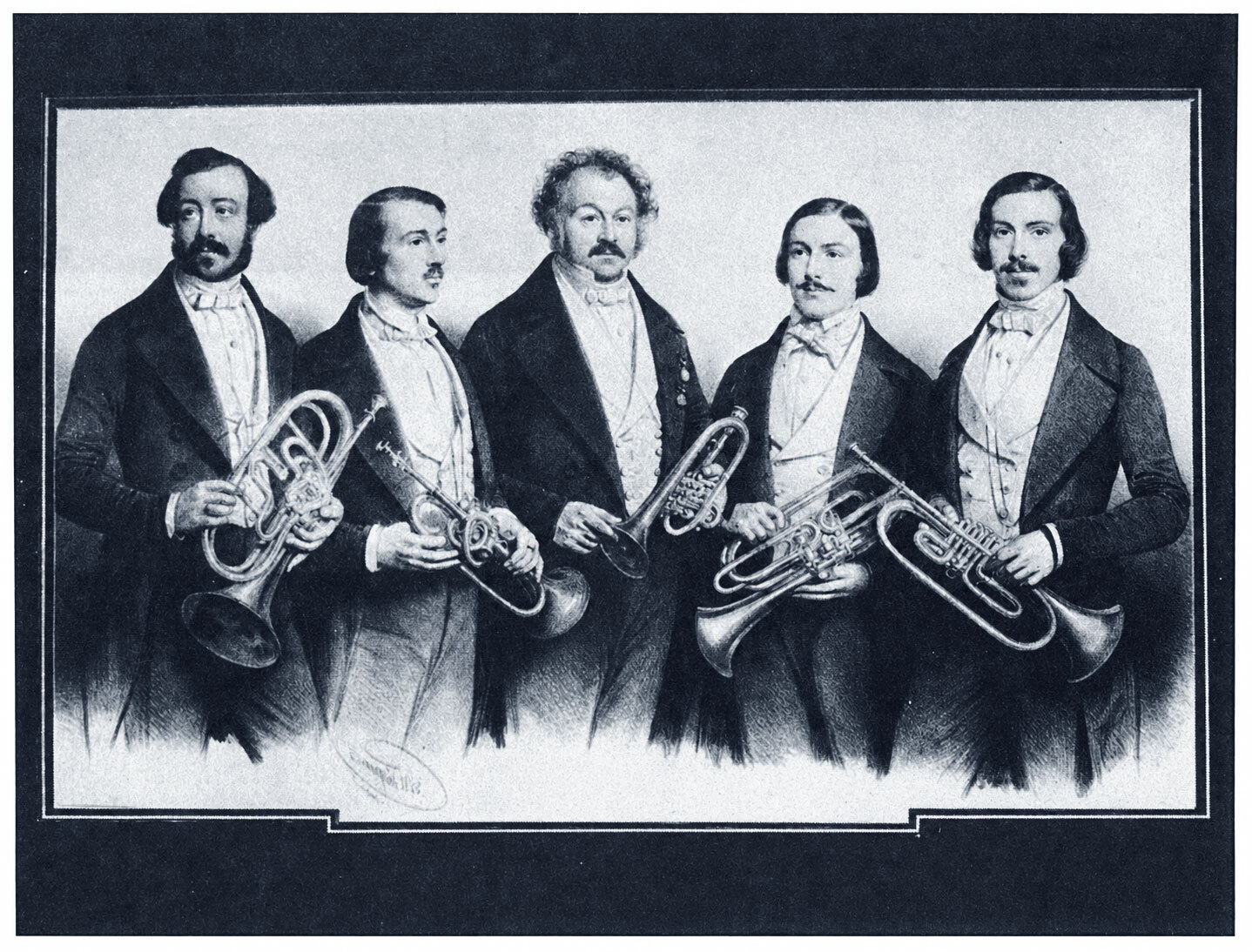
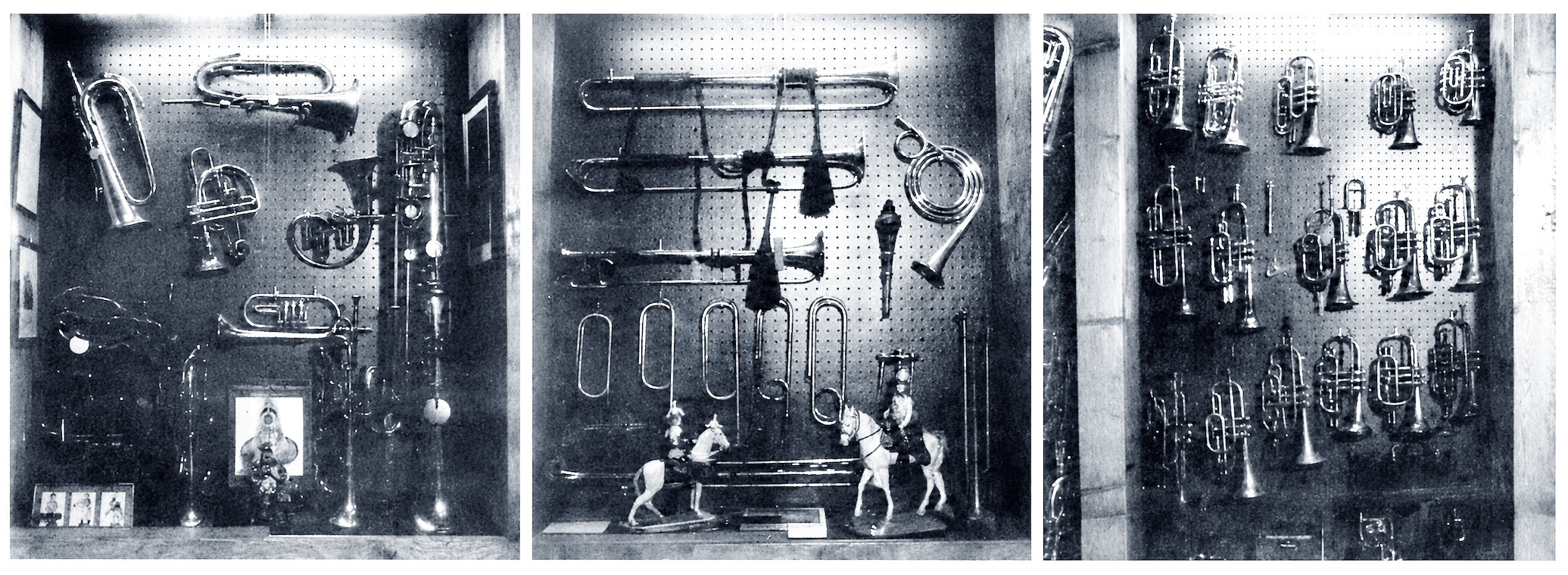
As indicated before, the collection is one that could delight musician and non-musician alike. It contains many one of a kind instruments as well as very old pieces from every part of the world. Included are coach horns, glass trumpets, baroque trumpets of every type, trumpets from Tibet used to frighten away evil spirits, experimental horns with unique bell and valve configurations as well as scores of other related brass and drum relics, hundreds of paintings, prints, and figurines depicting lives of trumpeters of the past.
Brass Bulletin image

Operations

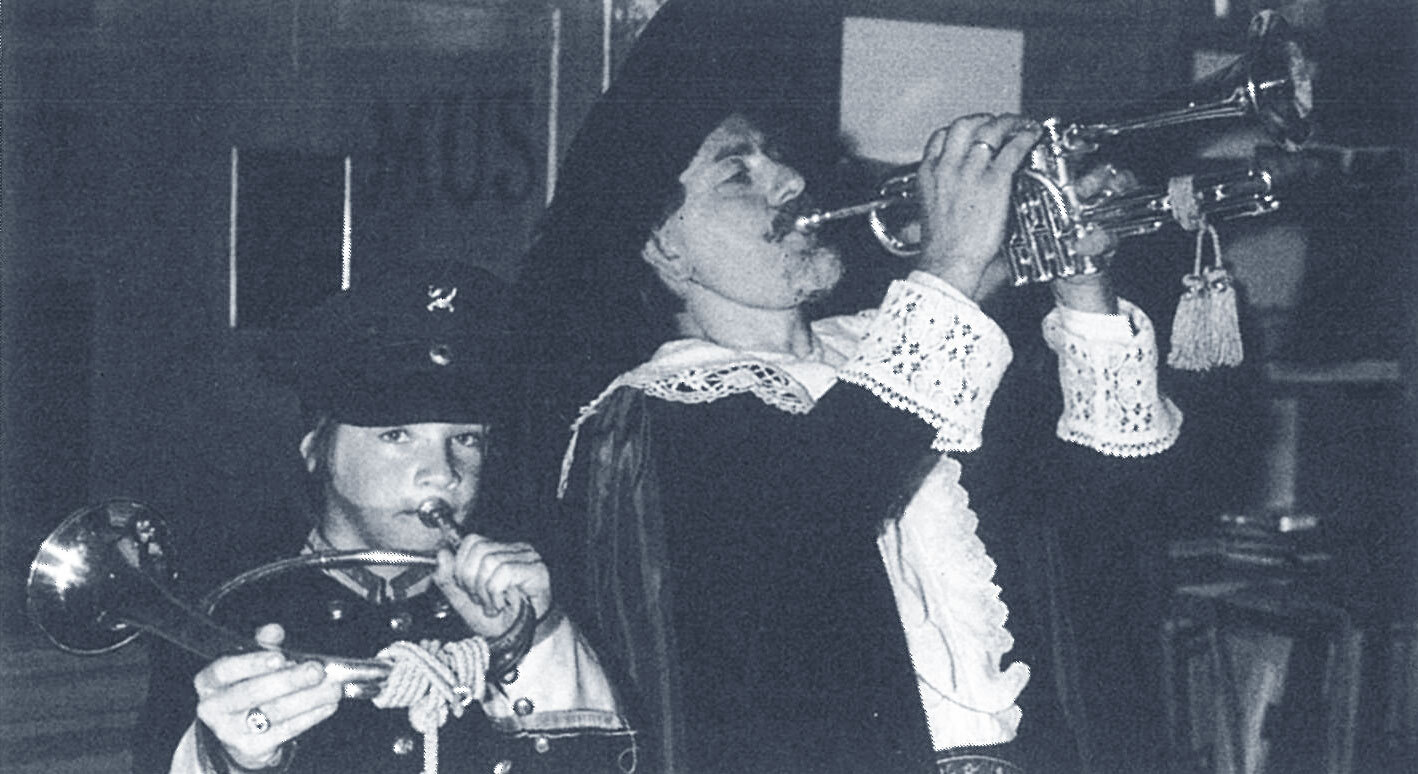
The museum is operated solely by the Streitwiesers. Since it is a private collection and the personal brainchild of the Streitwiesers, they see it as their responsibility to take on all of the staff functions. Visits to the museum are by appointment only, which, with the demands of four children and a large estate, is the only viable way that they can see to run a visitor program. School groups are also encouraged to come and all visitors are taken around personally by Franz and Catherine. Part of the reason for this is that the exhibits are not marked in any way. Although Franz knows the story behind every instrument, his narrative is needed to truly appreciate the collection. Visitors are invited to hear the instruments and often to try them. A large part of the Streitwieser's time is devoted to expanding the collection and the reputation Franz and the museum have gained has brought owners of old instruments to the Streitwiesers.
Brass Bulletin image

The controlling council of the museum is the Streitwieser Foundation which is registered with the I.R.S. as a non-profit organization; tax deductable and educational. Donations from individuals can be made to the foundation and are tax deductible on their income tax. The Streitwieser's themselves buy instruments at their own expense and donate them to the museum. A six member board of directors, made up of local trumpeters and brass enthusiasts, oversee the operation although the Streitwieser's, for the most part, determine the goals and policies for the organization.

In the museum, the instruments are all displayed in a large rectangular room with display cases and instruments lining the four walls. Only the perimeter of the room is used for display and the center of the room is left open for concerts. Display cases line the far two walls and instruments hang without cases on the long walls and high above the cases on the short walls. The cases are filled with instruments and, though grouped by type, are not labeled in any way. As a visitor I was overwhelmed by the number of instruments I encountered everywhere I looked.
Brass Bulletin image

In my dealing with the Streitwieser Museum, I have been struck by several things. The first is the sincere desire of Franz and Catherine to share their collection and the vast trumpet knowledge they have gained with others. They do, indeed, have something unique to share with the visitor.

When asked about the future, the Streitwiesers think in terms of making their small museum into a center for brass music. One of their future plans include building another lake and a gazebo for summer concerts. As their reputation grows, trumpeters, can come, share their knowledge and learn more about the brass music heritage.

Brass Bulletin 39, III / 1982 pagine 39–43

Tutti i contenuti sono protetti dal diritto d’autore © Brass Bulletin 1982–2026

Condividi questo articolo

Facebook LinkedIn
Loading…

Domande e risposte

Come funziona l’edizione digitale

Che cosa comprende l’edizione digitale?

L’edizione digitale riunisce gli articoli già digitalizzati sotto forma di testi leggibili e ricercabili online — non semplicemente come scansioni o file PDF — insieme alle illustrazioni originali, alle note, agli autori, alle informazioni sul numero della rivista e alle traduzioni disponibili. I suggerimenti di articoli correlati comprendono attualmente solo questo materiale digitalizzato.

Gli articoli digitali sono identici agli originali?

Conserviamo il più fedelmente possibile il testo originale, la lingua, le illustrazioni, le didascalie, le note e il contesto editoriale. La presentazione viene adattata per una lettura confortevole online e gli evidenti errori di trascrizione o scansione possono essere corretti. Il contenuto e il carattere dell’articolo pubblicato rimangono invariati.

Quali lingue sono disponibili?

Brass Bulletin è stato pubblicato in inglese, francese e tedesco nel corso di tutta la sua storia. Le traduzioni italiane e spagnole sono state aggiunte a partire dal numero 60. Sui siti italiano e spagnolo, gli articoli dei numeri da 1 a 59 vengono quindi mostrati in inglese per impostazione predefinita.

Con quale frequenza vengono aggiunti nuovi articoli?

Nuovi articoli vengono aggiunti quasi ogni giorno, con circa un numero completo digitalizzato ogni settimana. Il ritmo può variare in base al lavoro di preparazione, elaborazione delle immagini e verifica editoriale necessario.

Perché non tutti gli articoli sono disponibili in formato digitale?

La collezione completa di Brass Bulletin comprende 1.246 articoli pubblicati tra il 1971 e il 2003. L’indice completo è già disponibile online e consente di scoprire tutti gli articoli della collezione, compresi quelli il cui testo integrale non è ancora stato digitalizzato.

La digitalizzazione è iniziata nel febbraio 2026. Ogni articolo viene accuratamente preparato per la lettura online, verificato e collegato al relativo numero, agli autori, agli argomenti e alle illustrazioni. Al ritmo attuale di digitalizzazione, la collezione completa dovrebbe essere disponibile online entro febbraio 2028.

Perché alcuni riferimenti citano articoli che non sono ancora disponibili?

I riferimenti presenti negli articoli originali vengono conservati anche quando il materiale a cui rimandano non è ancora stato digitalizzato. In questo modo si preserva l’integrità storica ed editoriale della rivista. Man mano che nuovi numeri vengono aggiunti all’edizione digitale, un numero crescente di questi riferimenti condurrà ad articoli leggibili online.

Posso suggerire un articolo o segnalare un errore di trascrizione?

Sì. Se desiderate che un determinato articolo venga digitalizzato, oppure se notate un possibile errore di trascrizione o un’informazione mancante, contattateci. I riscontri dei lettori ci aiutano a migliorare l’edizione digitale e a stabilire priorità utili all’interno dell’archivio.

Come posso sostenere Brass Bulletin?

Il vostro sostegno contribuisce a finanziare la preparazione, la verifica e la pubblicazione online dell’intera collezione.

Abbonati all’Edizione digitale

Preferite sostenerci senza abbonarvi?

Fate una donazione

Come procede la digitalizzazione?

Stiamo rendendo Brass Bulletin disponibile online gradualmente, articolo per articolo. Potete leggere gli articoli appena digitalizzati non appena sono pronti, anche prima che un intero numero sia completato.

Consultate il nostro calendario di digitalizzazione per scoprire le ultime aggiunte e le date di disponibilità stimate dei prossimi numeri. Le stime si basano sul nostro ritmo recente e possono cambiare.

Cerca in Brass Bulletin.