5 min de lectura
The trombone in Jazz and Popular Music
The classical Armstrong period (1927-1945)
Por Michel Laplace
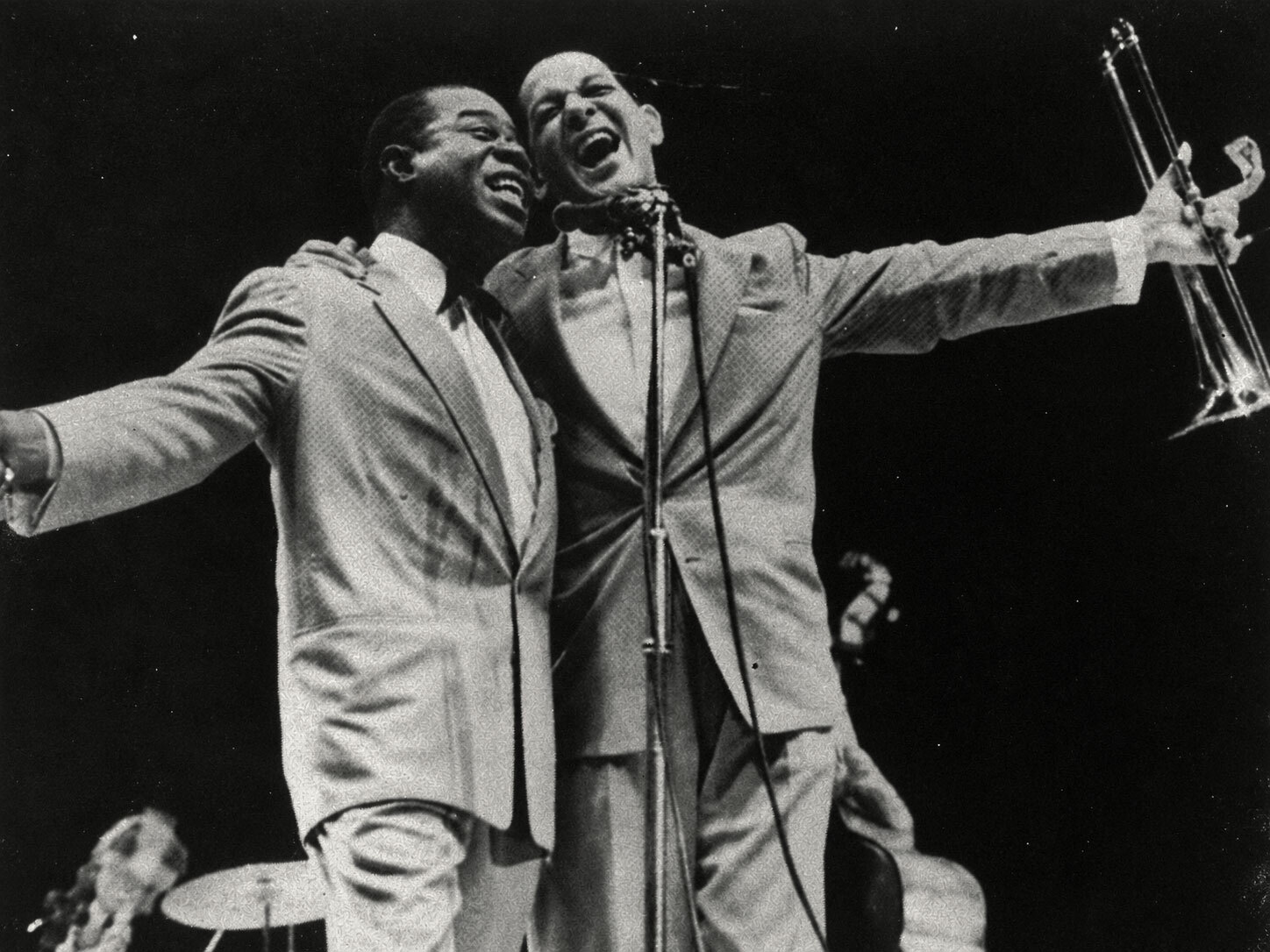
Louis Armstrong & Trummy Young (Harold Davison Ltd.)
Although New Orleans had established an original style in the shadow of the borrowed “tailgate”, a style adapted to group improvisation in a small band and fully developed by 1926, trombonists very quickly realised its limits. The “modern” legato style was worked out in dance bands starting in 1922-1925. White musicians influenced blacks technically while blacks influenced whites in terms of musical language. For a long time Jimmy Harrison (1900-1931) was presented as the only person (or the first) responsible for elaborating a solo style for the jazz trombone.³ In fact Harrison, Charlie Green (c.1900-1936), J.C. Higginbotham (1906-1973) and Benny Morton (*1907) all seem to have had a hand in it. The trumpet player June Clark, for example, who employed Green and Harrison, rates them as equals. Compared with the other three, Green appeared as something of a doyen because of his “Trombone Cholly” recorded with Bessie Smith in 1927, a transition between the old-fashioned and the “modern”. Green, Harrison and Morton have in common the fact that they were discovered in the Fletcher Henderson band (1927-1928). In addition to being a “muscular” and swinging player (“Hop off”, September 1928), Harrison was also a subtle melodist (“I’ve found what I wanted”, December 1930); I consider his technique excellent (Ex. 2) and his influence undeniable, frequently operating in combination with Armstrong’s. Higginbotham’s style was less refined than Harrison’s. King Oliver was the first to get him to record.

Ex. 2 — “Walk that thing”, Charlie Johnson’s Paradise Orchestra: Sept. 19, 1928. transcr. by John R.T. Davis (Storyville 35, 1971). Jimmy Harrison’s break (take 1)
During this period Louis Armstrong’s influence on trombone players was decisive. He directly inspired Harrison, Higginbotham, Jack Teagarden and then Trummy Young. The most popular of these was the white Jack Teagarden (1905-1964), with his nonchalant style supported by perfect technique. According to the trumpet player Max Kaminsky he used a lot of alternative slide positions. He started to record in 1928. Like Mole (“Shim-me-sha wabble”, with his Little Molers, 1928), Teagarden alternated legato and tongued passages (“Makin’ Friends”, Concon + his Footwarmers, 1928). While swing was in fashion — when every virtuoso led his own big band (Armstrong, Dorsey, James) — he did the same without great success.
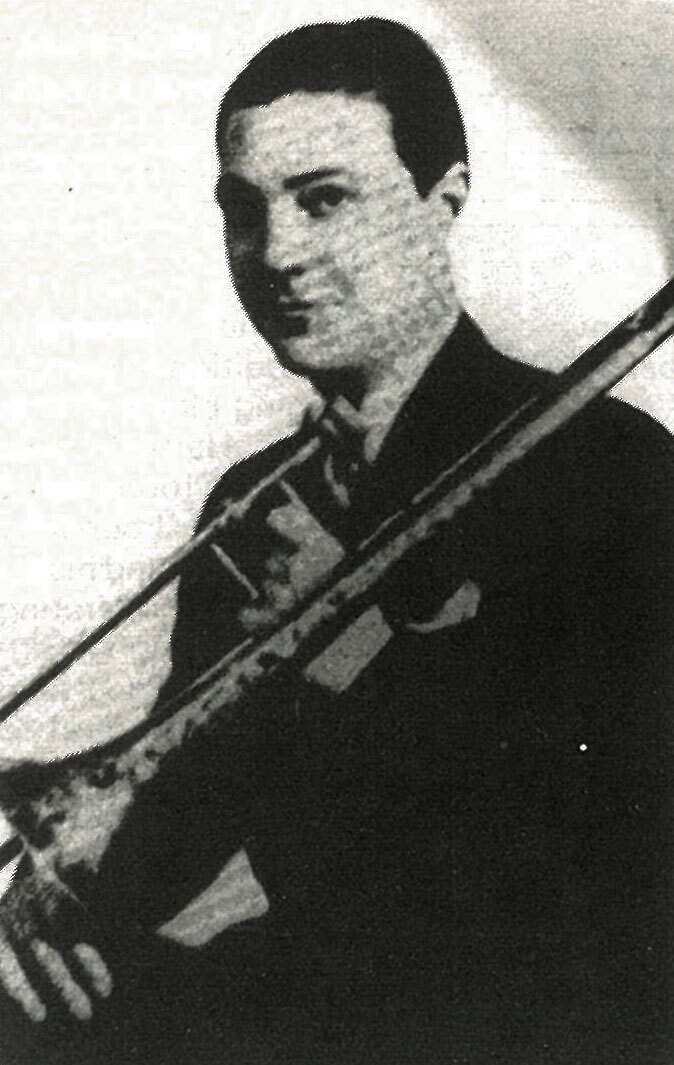
Jack Teagarden (coll. M. Laplace)
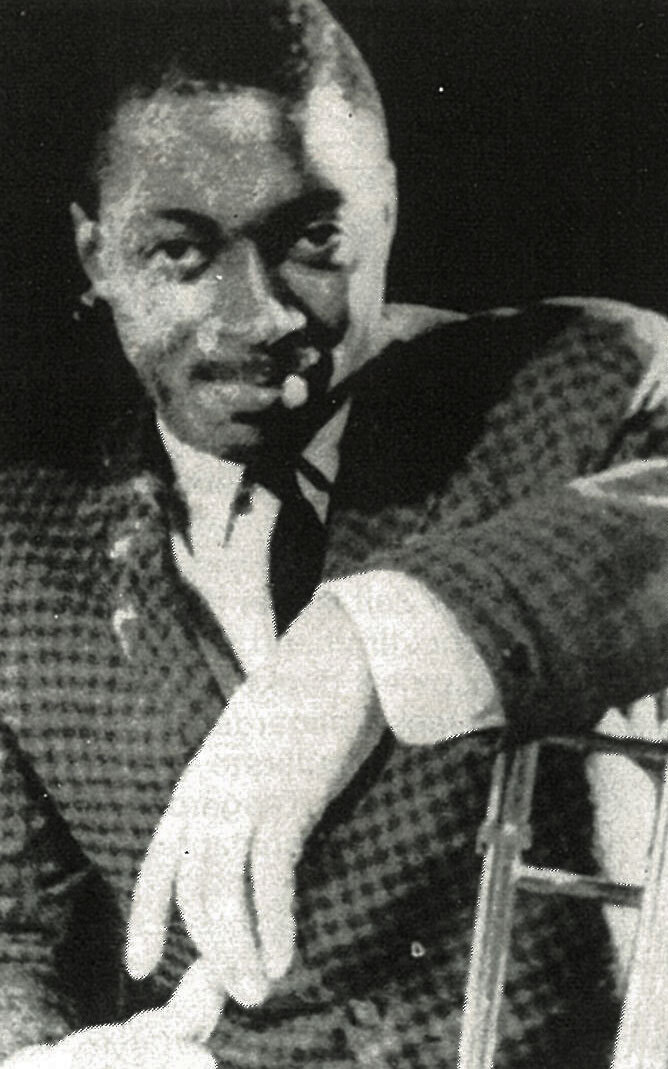
Jimmy Harrison (coll. M. Laplace)
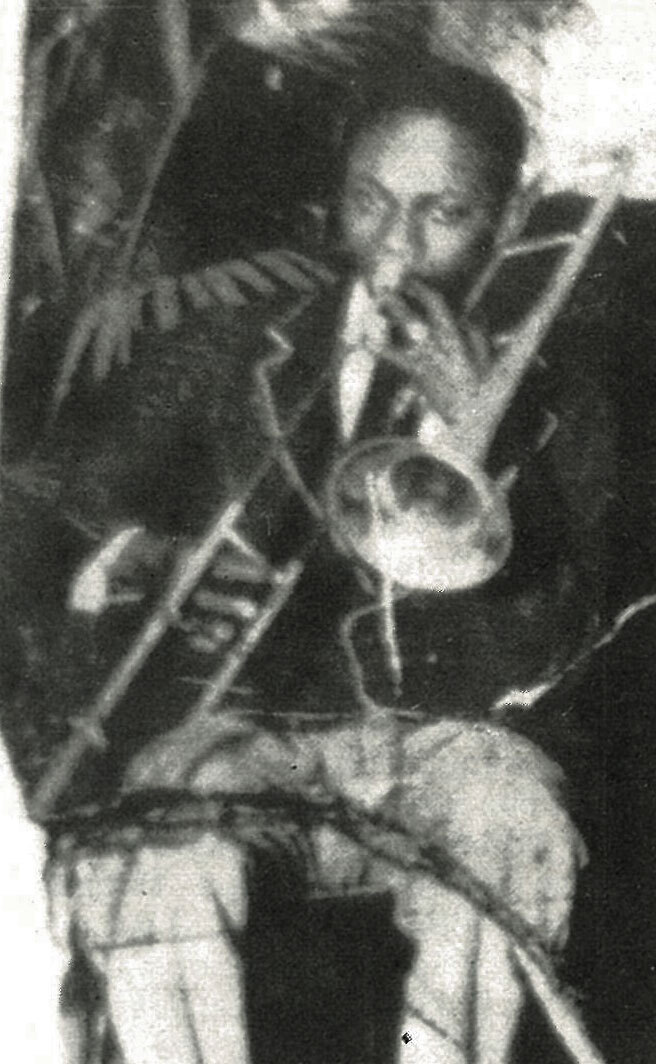
J.C. Higginbotham, beginner, 1926 (photo coll. T. Zwicky)
Continue reading
Accede a la edición digital completa.
Brass Bulletin 51, III / 1985 páginas 40–46
Todo el contenido está protegido por derechos de autor © Brass Bulletin 1985–2026