Le traduzioni italiane originali di Brass Bulletin iniziano con il n. 60.

1 min di lettura

Special Hungary

Barcs 1984

First International Brass Ensemble Competition

Barcs 1984

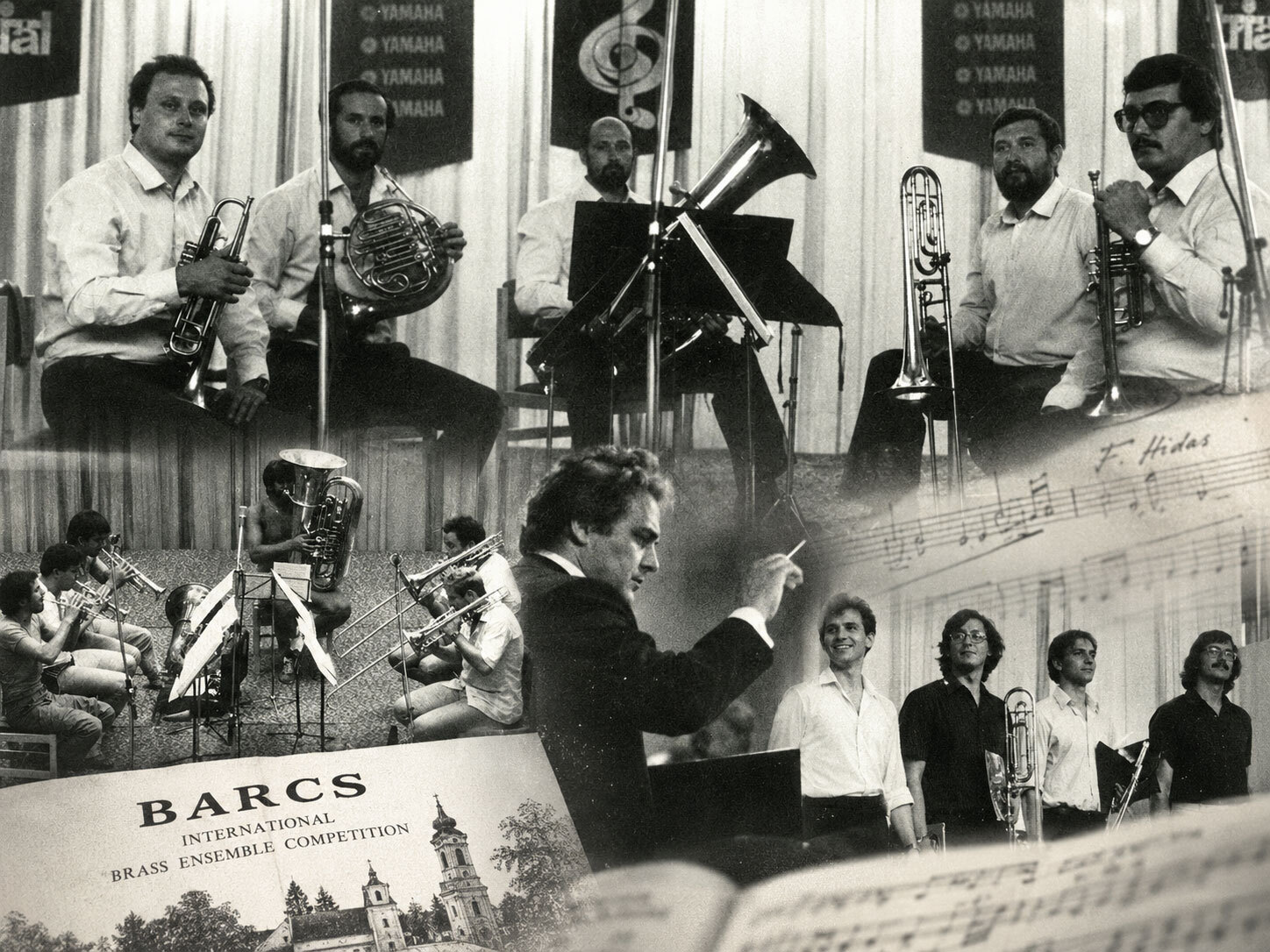
It takes great determination to gather musicians from every country together for a seminar and international brass ensemble competition in a small isolated Hungarian town near the Yugoslav border.

Vendel Bauer, director of the Barcs music school, is the founder and organiser of this first meeting.

It was a success, appreciated by all the participants and recognised by the highest Hungarian musical authorities (who sent a large delegation) and by the town of Barcs, which gave great administrative and financial help.

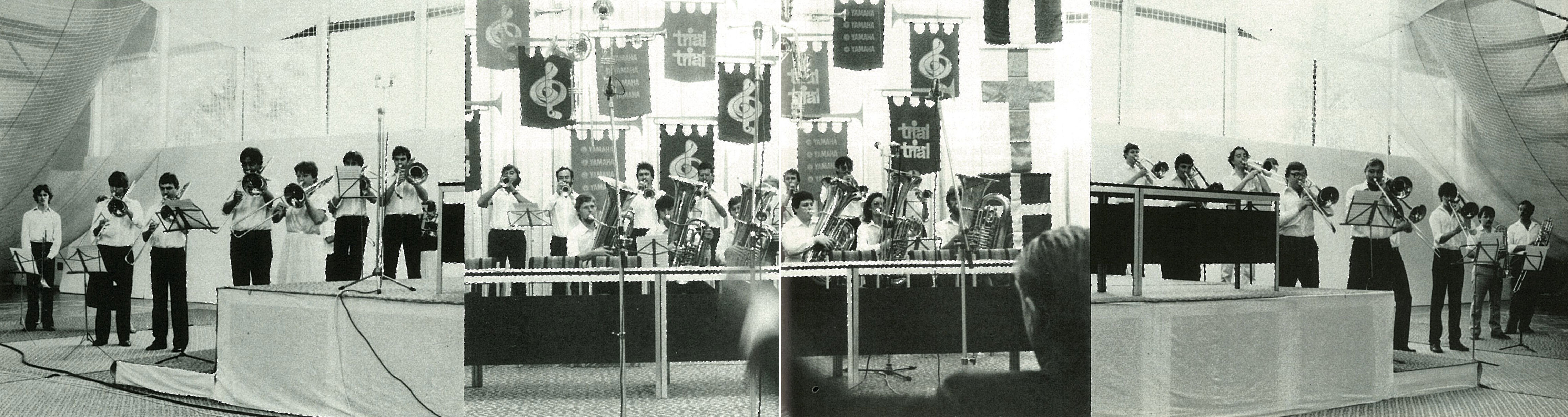
Twenty-four ensembles from eighteen countries appeared on the stage of a brand-new sports hall transformed for the occasion into a concert hall.

Barcs, a young town and until recently a simple farming village, had put on its Sunday best to greet its guests. Enthusiasm and friendliness overcame those few problems we encountered (the hotel system still has teething troubles). The excellent food and (remarkable!) local wines contributed greatly to making our stay enjoyable.

The superiority of the host country’s ensembles was clear (and logical — Hungary is systematically developing brass chamber music). It is a pity that the jury did not give places in the final round to the amazing Moscow Conservatoire quintet, coached by Leonid Chumov, or to the Gabrieli Quintet from Karlsruhe (run by the Friedrich brothers) whose musical and refined playing was quite out of the ordinary.

The final result (see box) is not, however, the most important element of these musical tournaments. The standard of all participants made clear how much the younger generation of brass musicians is accomplishing. After the competition was over one realised that brass players have gone a long way towards a mastery of chamber music such as has existed among strings players, for example, for a long time.

By developing an interesting repertoire, by establishing fruitful contacts with composers and, above all, by performing ever more sensitive and discriminating chamber music, brass players will discover an enormous cultural outlet — and a not inconsiderable source of profit. Well done, Barcs, for this pioneer work¹ — we’ll meet again in 1986 (1-14 August, with, a.o. Philip Jones) for the second edition!

Frigyes Varasdy conducting the overture fanfare specially written by the Hungarian composer Frigyes Hidas.

Frigyes Varasdy conducting the overture fanfare specially written by the Hungarian composer Frigyes Hidas.

Competition results

1st prize:
Brass Quintet of the Budapest Opera Orchestra
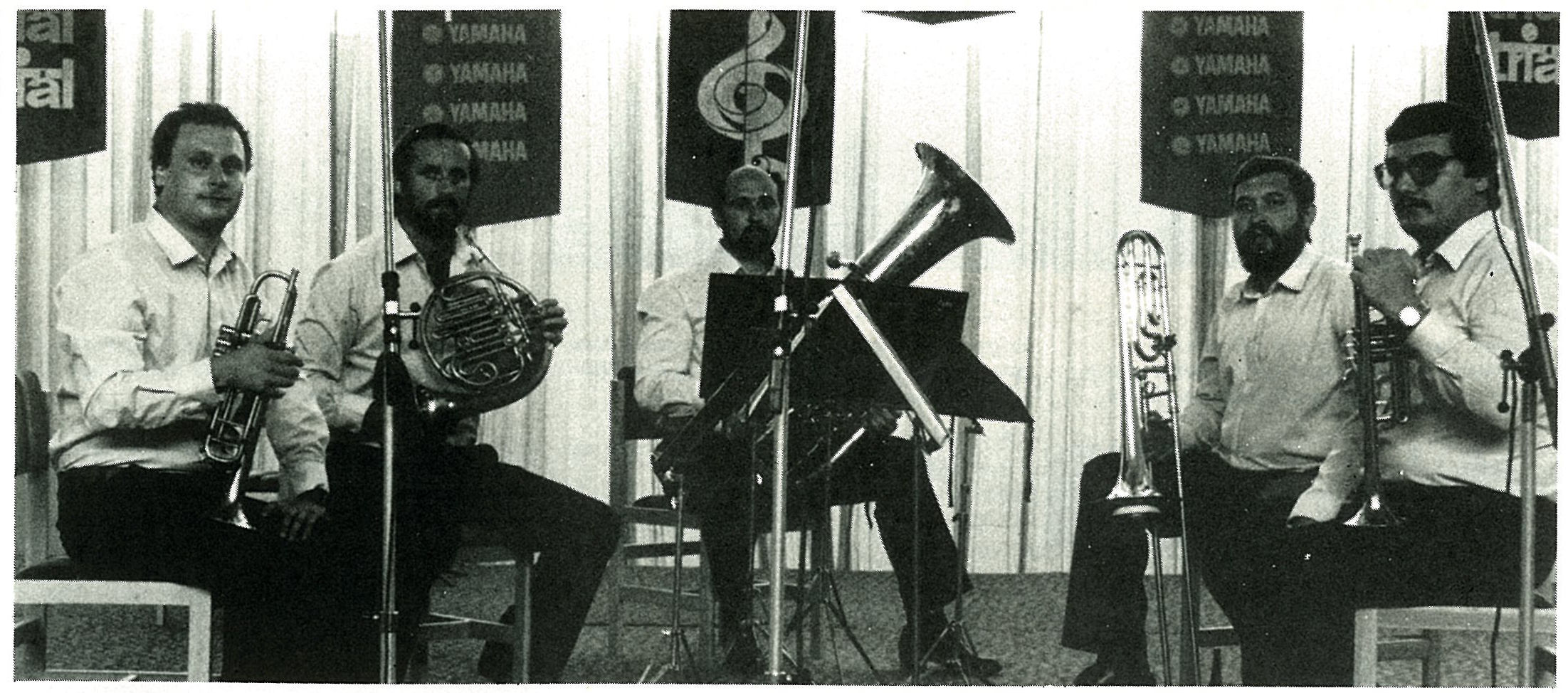
1st prize in Barcs: Budapest Opera Brass Quintet. Unquestionable mastery and impressive power.

1st prize in Barcs: Budapest Opera Brass Quintet. Unquestionable mastery and impressive power.

2nd prize:
Horn Quartet of the Budapest Music Academy
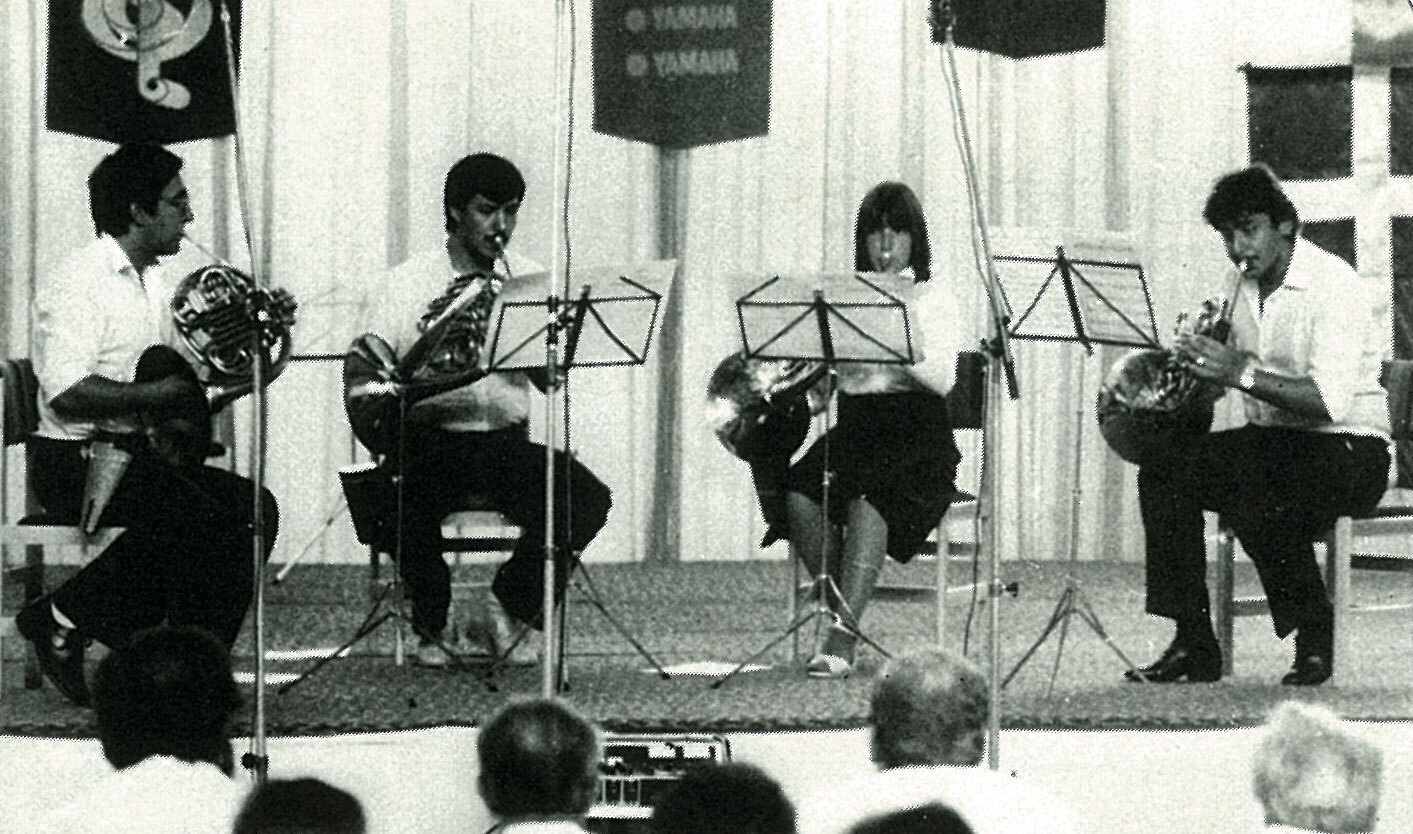
Hornquartet of the Budapest Music Academy — 2nd Prize.Tamas Csurgo, Laszlo Kreka, Eniko Fojto, Zoltan Varga.

Hornquartet of the Budapest Music Academy — 2nd Prize.
Tamas Csurgo, Laszlo Kreka, Eniko Fojto, Zoltan Varga.

3rd prize:
Brass Sextet of the Budapest Music Academy
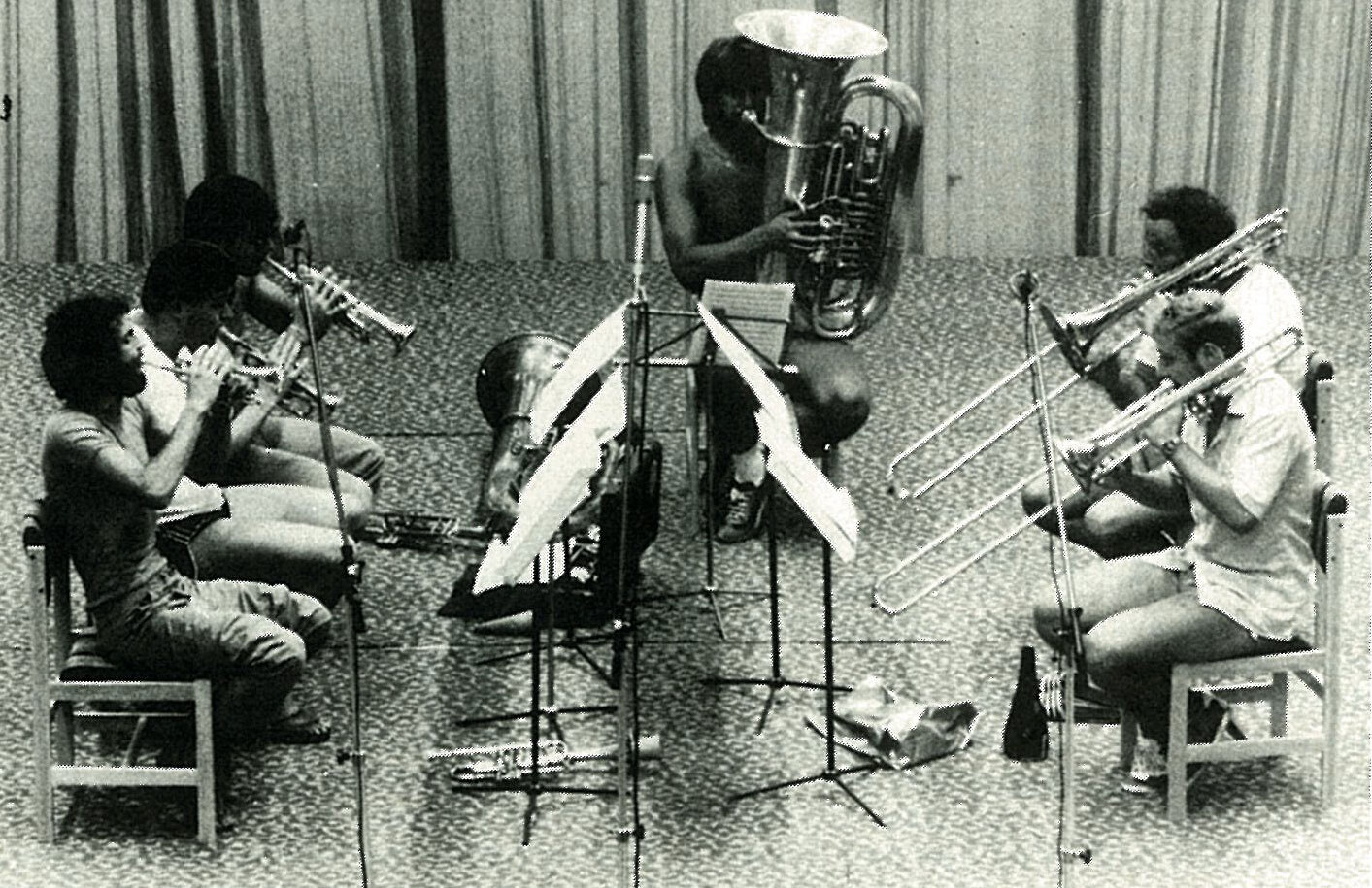
Brass Sextet of the Budapest Music Academy — 3rd Prize.Istvan Ujvari, Tibor Kiraly, Zoltan Bauer, Zoltan Horvath, Istvan...

Brass Sextet of the Budapest Music Academy — 3rd Prize.
Istvan Ujvari, Tibor Kiraly, Zoltan Bauer, Zoltan Horvath, Istvan Venekei, Ferenc Koczias.

Brass Ensemble Seminar

The seminar has two different forms: the national seminar (which takes place every year) for Hungarian ensembles, and the international seminar (to take place every second year). Distinguished teachers are present at both. The study time is interspersed with concerts. This year we heard the Leipzig Horn Quartet, the Guy Touvron Brass Quintet (dazzling), the Budapest Modern Brass Ensemble, the Vienna Horn Society Ensemble and the Budapest Brass Quintet (incredible virtuosity).
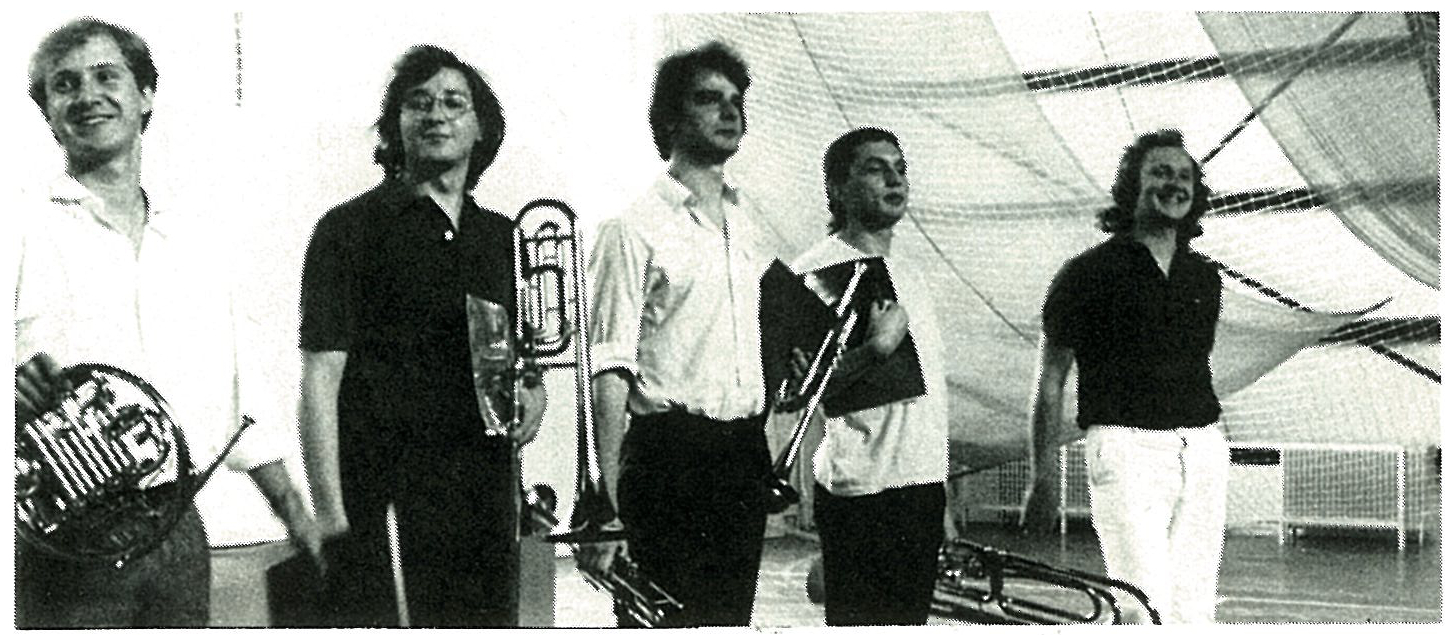
Karlsruhe Gabrieli Quintet. We will have more to say about them! Rare and subtle musical refinement.
Karlsruhe Gabrieli Quintet. We will have more to say about them! Rare and subtle musical refinement.

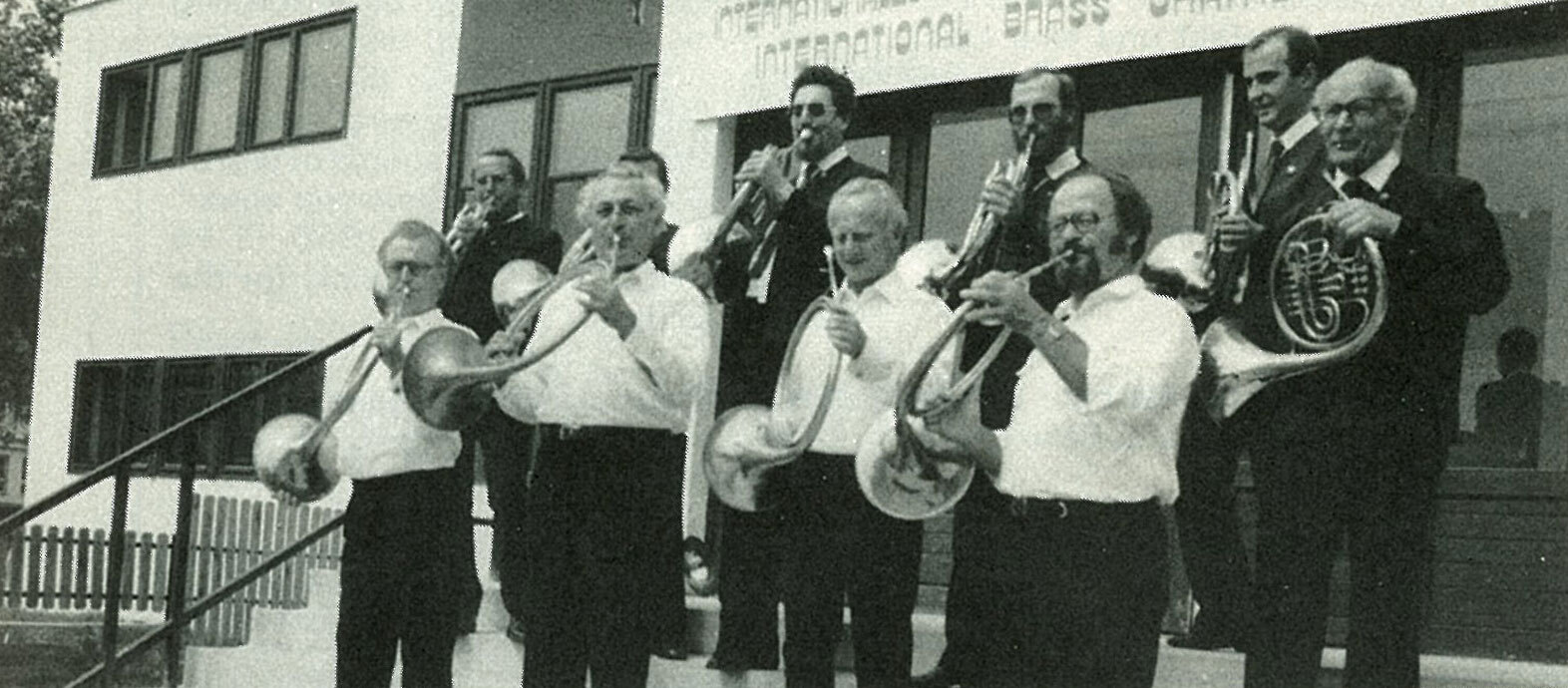
Leipzig Horn Quartet + Wiener Waldhornverein.
Leipzig Horn Quartet + Wiener Waldhornverein.

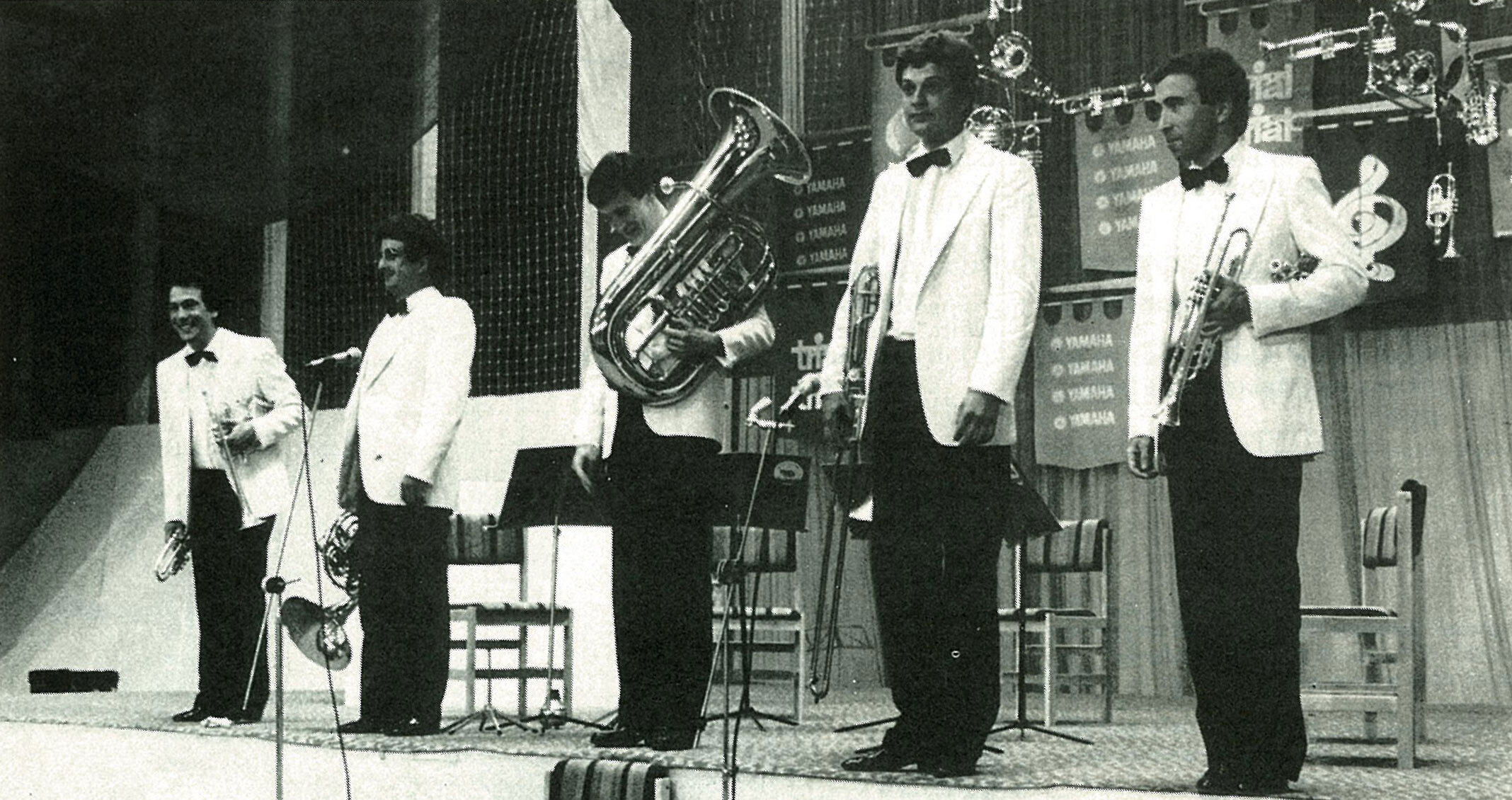
Triumph for the Guy Touvron Brass Quintet.
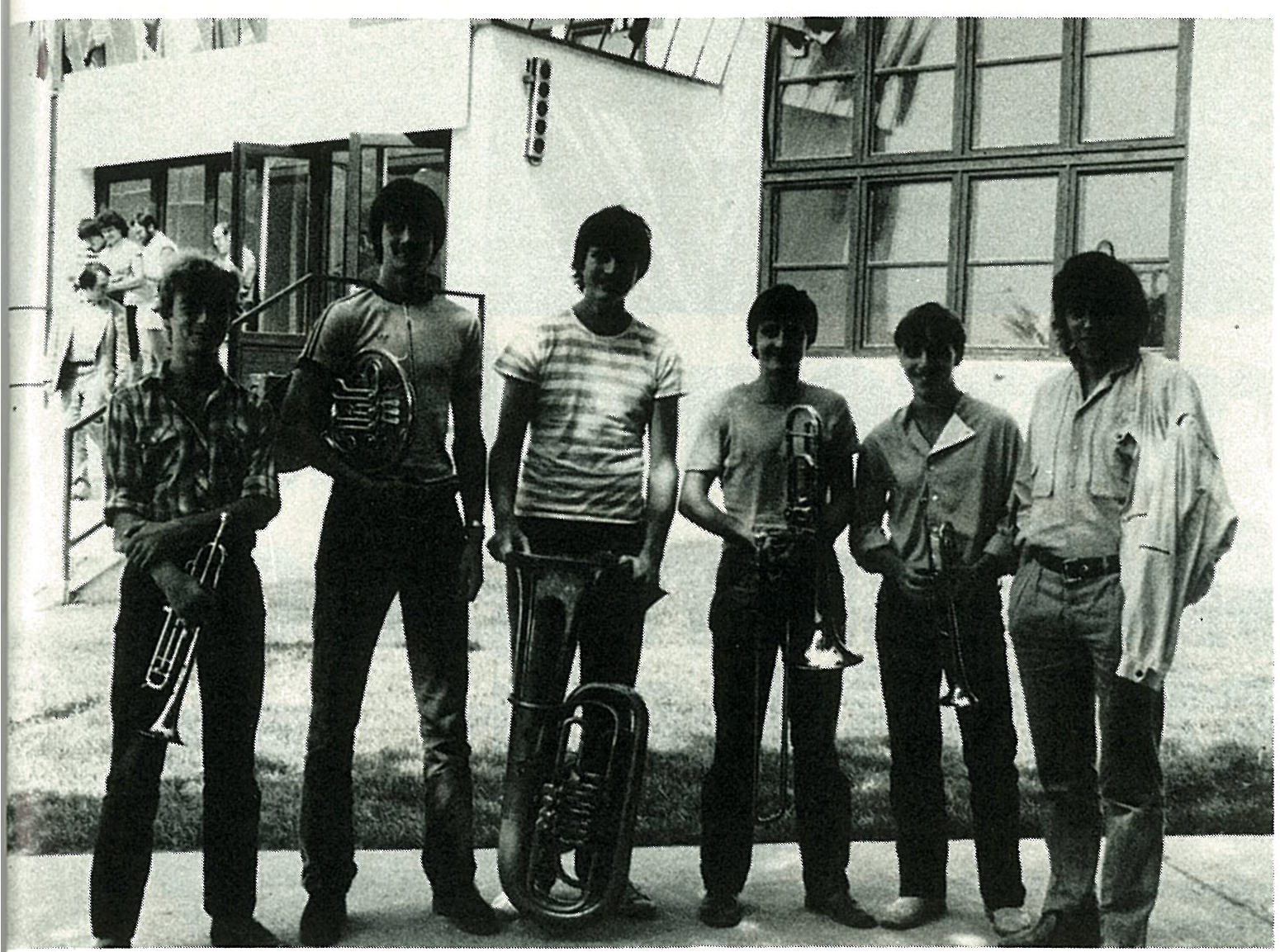
Triumph for the Guy Touvron Brass Quintet.

Chamber music is superbly organised in Hungary. This is the Budapest Brass Quintet III (with Istvan Farkas, trombonist i...

Chamber music is superbly organised in Hungary. This is the Budapest Brass Quintet III (with Istvan Farkas, trombonist in the Budapest Brass Quintet, their teacher) which made a great impression in Barcs.
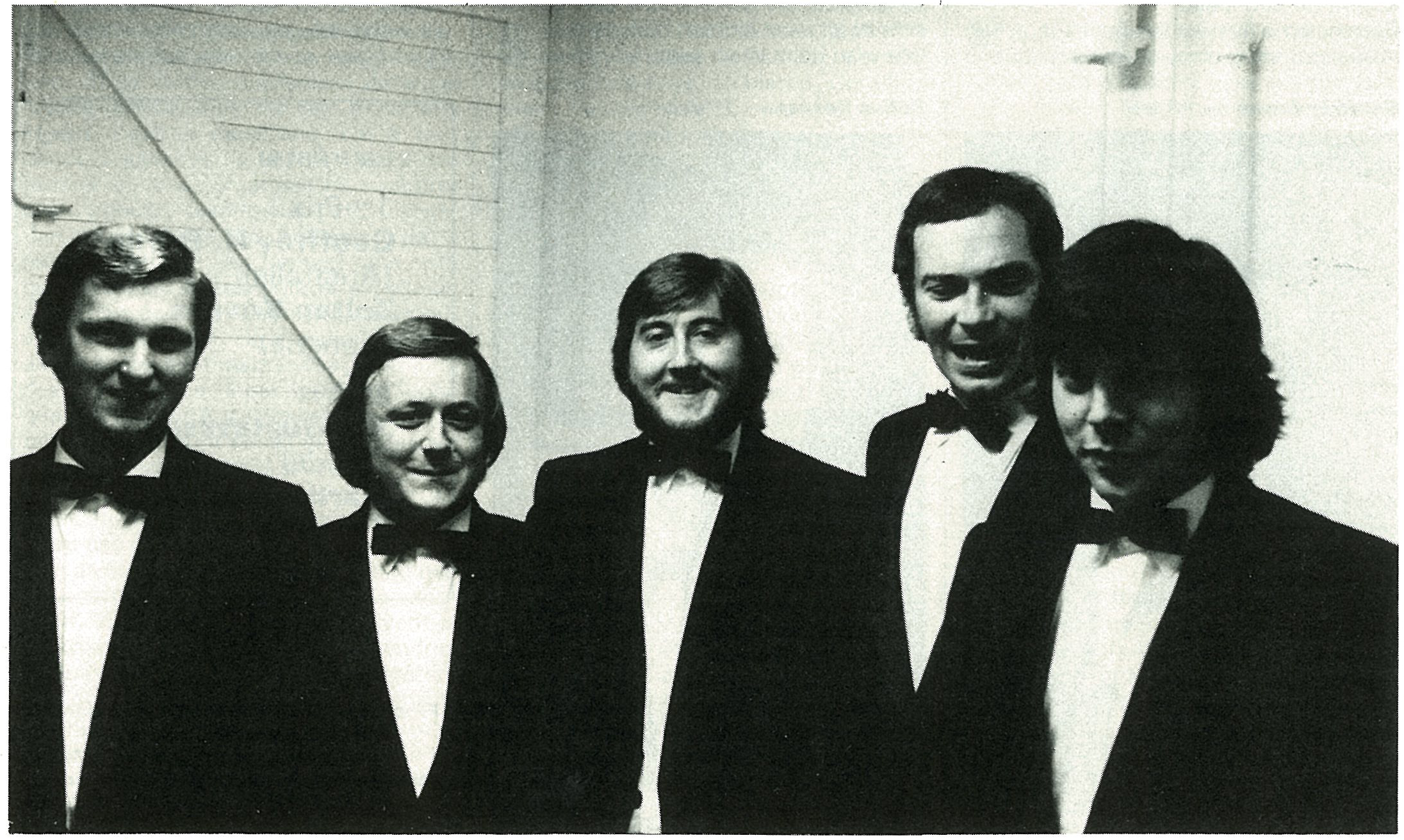
The Budapest Brass Quintet, winners of the International “Maurice André” Competition in Paris in 1979. Now that they are...

The Budapest Brass Quintet, winners of the International “Maurice André” Competition in Paris in 1979. Now that they are famous they are handing on their experience to others. This photograph shows them after their gala concert in Barcs, where their virtuosity took the audience’s breath away!

¹ A Paris, en 1979, Maurice André avait lui aussi lancé un concours d’ensembles parallèle à celui de la trompette lors du Concours international qui porta son nom. C’était une première au niveau professionnel. Ce fut d’ailleurs de Quintette «Renaissance», aujourd’hui très connu sous le nom de «Quintette de cuivres de Budapest», qui obtint le Premier prix.

Brass Bulletin 48, IV / 1984 pagine 24–29

Tutti i contenuti sono protetti dal diritto d’autore © Brass Bulletin 1984–2026

Condividi questo articolo

Facebook LinkedIn
Loading…

Domande e risposte

Come funziona l’edizione digitale

Che cosa comprende l’edizione digitale?

L’edizione digitale riunisce gli articoli già digitalizzati sotto forma di testi leggibili e ricercabili online — non semplicemente come scansioni o file PDF — insieme alle illustrazioni originali, alle note, agli autori, alle informazioni sul numero della rivista e alle traduzioni disponibili. I suggerimenti di articoli correlati comprendono attualmente solo questo materiale digitalizzato.

Gli articoli digitali sono identici agli originali?

Conserviamo il più fedelmente possibile il testo originale, la lingua, le illustrazioni, le didascalie, le note e il contesto editoriale. La presentazione viene adattata per una lettura confortevole online e gli evidenti errori di trascrizione o scansione possono essere corretti. Il contenuto e il carattere dell’articolo pubblicato rimangono invariati.

Quali lingue sono disponibili?

Brass Bulletin è stato pubblicato in inglese, francese e tedesco nel corso di tutta la sua storia. Le traduzioni italiane e spagnole sono state aggiunte a partire dal numero 60. Sui siti italiano e spagnolo, gli articoli dei numeri da 1 a 59 vengono quindi mostrati in inglese per impostazione predefinita.

Con quale frequenza vengono aggiunti nuovi articoli?

Nuovi articoli vengono aggiunti quasi ogni giorno, con circa un numero completo digitalizzato ogni settimana. Il ritmo può variare in base al lavoro di preparazione, elaborazione delle immagini e verifica editoriale necessario.

Perché non tutti gli articoli sono disponibili in formato digitale?

La collezione completa di Brass Bulletin comprende 1.246 articoli pubblicati tra il 1971 e il 2003. L’indice completo è già disponibile online e consente di scoprire tutti gli articoli della collezione, compresi quelli il cui testo integrale non è ancora stato digitalizzato.

La digitalizzazione è iniziata nel febbraio 2026. Ogni articolo viene accuratamente preparato per la lettura online, verificato e collegato al relativo numero, agli autori, agli argomenti e alle illustrazioni. Al ritmo attuale di digitalizzazione, la collezione completa dovrebbe essere disponibile online entro febbraio 2028.

Perché alcuni riferimenti citano articoli che non sono ancora disponibili?

I riferimenti presenti negli articoli originali vengono conservati anche quando il materiale a cui rimandano non è ancora stato digitalizzato. In questo modo si preserva l’integrità storica ed editoriale della rivista. Man mano che nuovi numeri vengono aggiunti all’edizione digitale, un numero crescente di questi riferimenti condurrà ad articoli leggibili online.

Posso suggerire un articolo o segnalare un errore di trascrizione?

Sì. Se desiderate che un determinato articolo venga digitalizzato, oppure se notate un possibile errore di trascrizione o un’informazione mancante, contattateci. I riscontri dei lettori ci aiutano a migliorare l’edizione digitale e a stabilire priorità utili all’interno dell’archivio.

Come posso sostenere Brass Bulletin?

Il vostro sostegno contribuisce a finanziare la preparazione, la verifica e la pubblicazione online dell’intera collezione.

Abbonati all’Edizione digitale

Preferite sostenerci senza abbonarvi?

Fate una donazione

Cerca in Brass Bulletin.