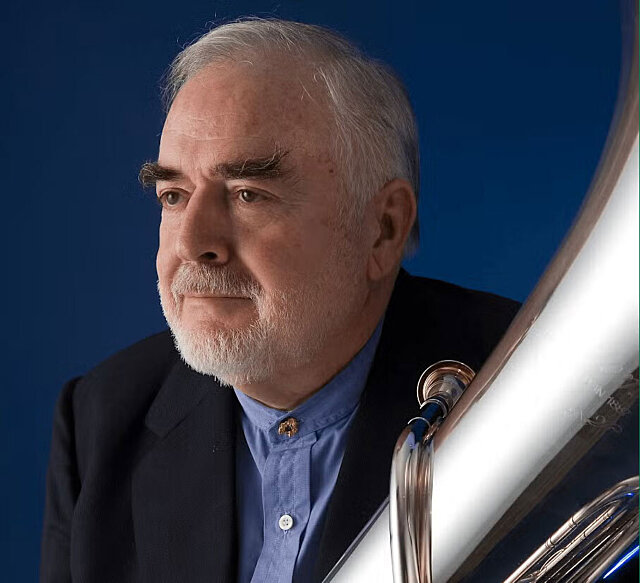
Roger Bobo
Roger Bobo was an American tuba virtuoso, conductor and teacher who played a significant role in establishing the tuba as a solo instrument. Born in Los Angeles in 1938, he studied at the Eastman School of Music and began his orchestral career with the Rochester Philharmonic Orchestra. He subsequently joined…
Read biography
Roger Bobo was an American tuba virtuoso, conductor and teacher who played a significant role in establishing the tuba as a solo instrument. Born in Los Angeles in 1938, he studied at the Eastman School of Music and began his orchestral career with the Rochester Philharmonic Orchestra. He subsequently joined the Royal Concertgebouw Orchestra in Amsterdam before becoming principal tuba of the Los Angeles Philharmonic in 1964, a position he held for 25 years.
Alongside his orchestral career, Bobo developed an international reputation as a soloist. His 1961 recital at Carnegie Recital Hall in New York marked an important moment in the recognition of the tuba as a concert instrument. Through performances, recordings and collaborations with contemporary composers, he contributed to expanding the instrument's repertoire and expressive possibilities.
After leaving the Los Angeles Philharmonic, he increasingly devoted his time to teaching and conducting. His pedagogical activities took him to institutions across Europe and Asia, including the conservatories of Lausanne and Rotterdam, the Royal Northern College of Music in Manchester, the Fiesole School of Music in Italy and the Musashino Academy of Music in Tokyo. His influence extended beyond the tuba to brass performance and musical interpretation more generally.
Bobo was also a regular contributor to Brass Bulletin, publishing ten articles between 1976 and 1996. His writings reflected a musician concerned not only with performance but also with the broader artistic and professional questions facing brass players. He explored instrument design and acoustics, questioned conventional approaches to repertoire and transcriptions, and reflected on orchestral auditions, musical individuality and the future of tuba playing.
Among his contributions was a substantial two-part interview with Arnold Jacobs, published in issues 33 and 34 in 1981, addressing questions of breathing, sound, technique, teaching and orchestral life. Throughout his articles, Bobo encouraged musicians to look beyond the technical demands and traditional repertoire of their instruments, placing musical expression at the centre of performance.
In 1990, Jean-Pierre Mathez devoted an extensive portrait to him in Brass Bulletin No. 70, entitled Roger Bobo: Poet of the Tuba. Bobo continued contributing to the magazine until 1996, when he published Reflections on the Tuba, Teaching and Music.
Roger Bobo died in 2023, leaving a lasting influence on generations of tuba players through his performances, teaching and writings.
10 Articles by Roger Bobo
Brass Bulletin 15 - 3 / 1976
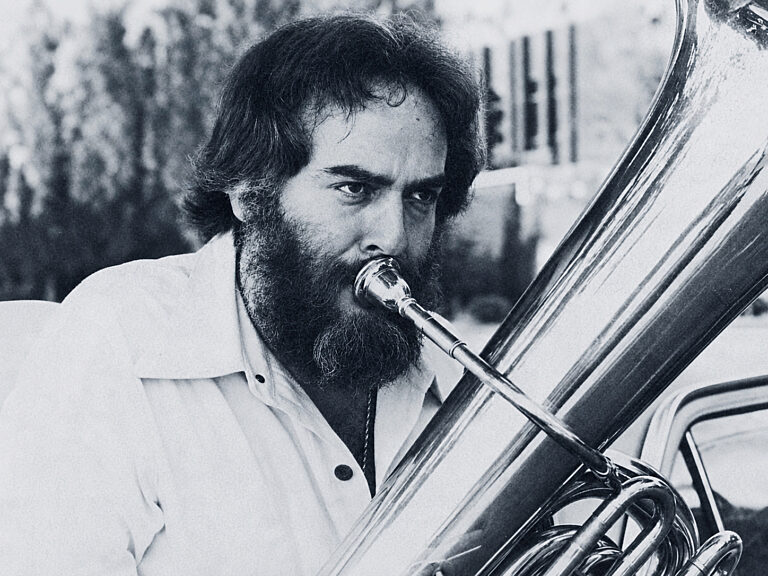
Bobo, Roger
Comments on the First International Brass Congress
Montreux 1976
National styles or personal voice? Roger Bobo finds in Montreux that individuality prevails—yet notes the absence of key traditions.
pp. 55–57
Brass Bulletin No 15 · 1976
Report· Event· Sociology· Ideas
Brass Bulletin 18 - 2 / 1977
Bobo, Roger
And approach the realm of making beautiful music
A rare and powerful call from maestro Roger Bobo: at the height of the “Tuba Explosion”, he challenges players to define — at last — the ideal instrument.
pp. 27–39
Brass Bulletin No 18 · 1977
Tuba· Equipment· Acoustics· Instrument making· Valves
Brass Bulletin 19 - 3 / 1977
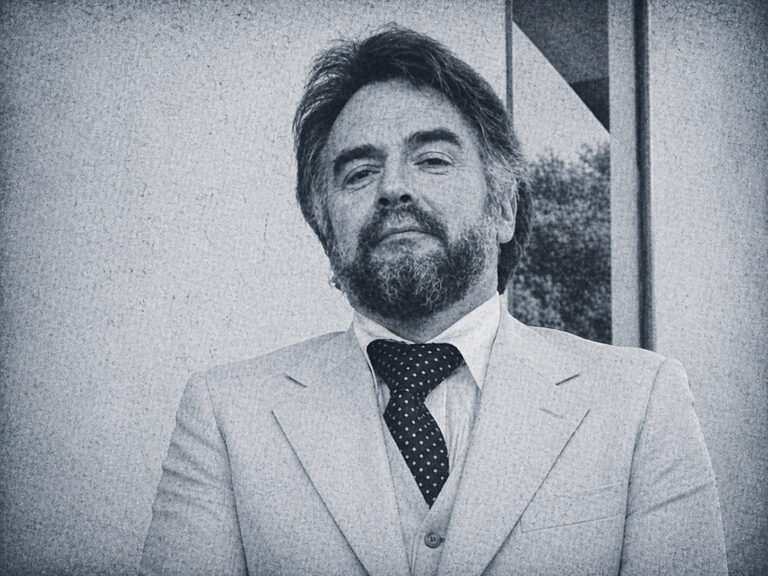
Bobo, Roger
From the pen of Roger Bobo
A bold statement from Roger Bobo: limiting yourself to your instrument’s repertoire is musical imprisonment — true musicianship begins beyond boundaries.
pp. 30–31
Brass Bulletin No 19 · 1977
Repertoire· Ideas
Brass Bulletin 21 - 1 / 1978
Bobo, Roger
Yes or no? Beware!
Do we or do we not play transcriptions?
“Transcriptions: yes or no? Beware.” Roger Bobo challenges tubists to rethink repertoire, taste, and tradition in a bold call for musical judgment and artistic freedom.
pp. 33–35
Brass Bulletin No 21 · 1978
Tuba· Repertoire· Interpretation· Contemporary Music
Bobo, Roger
Symposium 1978
Eyes toward the future
Beyond the instrument: Roger Bobo calls for open minds at Symposium ’78—urging tubists to seek inspiration, question identity, and look boldly toward the future.
pp. 63–64
Brass Bulletin No 21 · 1978
Tuba· Event· Ideas
Brass Bulletin 26 - 2 / 1979
Bobo, Roger
Tuba Editorial
Roger Bobo reflects on orchestral auditions, examining imbalance between candidates and positions and questioning training, selection criteria and prospects for aspiring tubists.
pp. 3
Brass Bulletin No 26 · 1979
Tuba· Professional life· Society· Auditions· Orchestral playing
Brass Bulletin 29 - 1 / 1980
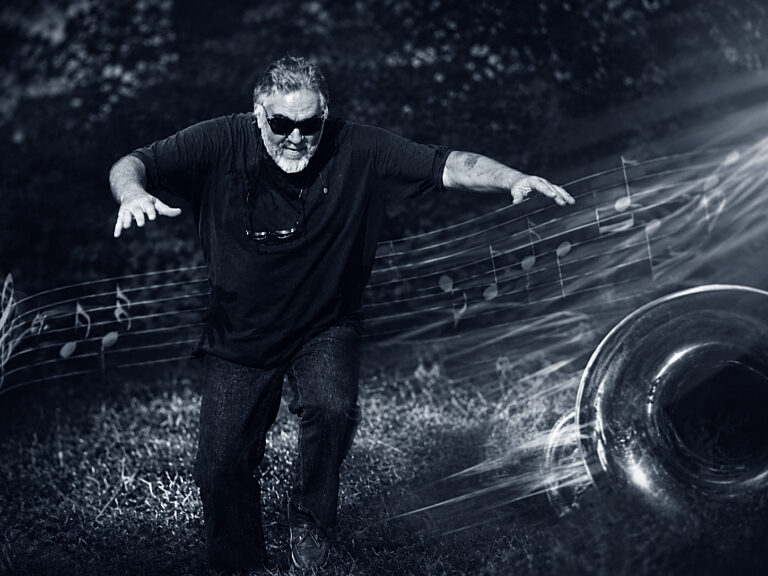
Bobo, Roger
Dynamics in the 80's
From Reykjavik to the Hollywood Bowl, rising concert hall scale and amplified culture reshape orchestral sound, leaving acoustic limits exposed.
pp. 23–26
Brass Bulletin No 29 · 1980
Acoustics· Society· Sound· Interpretation
Brass Bulletin 33 - 1 / 1981
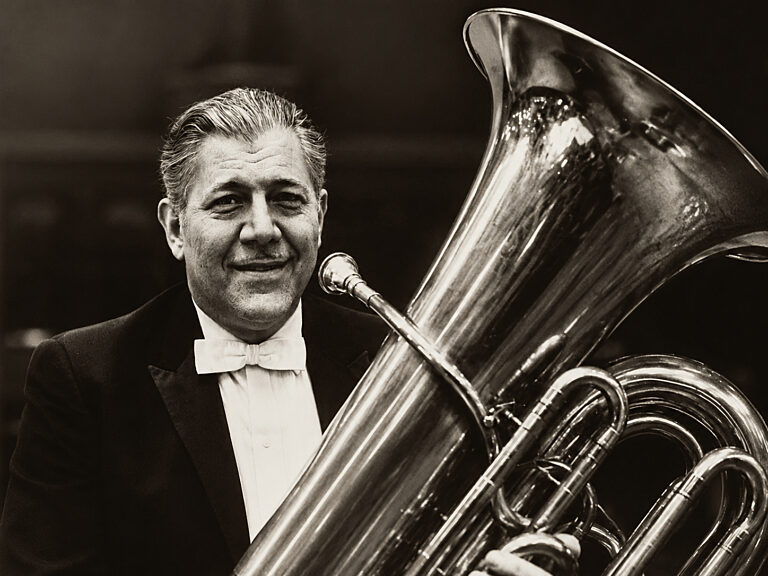
Bobo, Roger
Arnold Jacobs
Interview
Two tuba giants meet in 1979 Chicago, where Arnold Jacobs turns technique, sound, orchestral life and pedagogy into a lasting musical ethic.
pp. 43–50
Brass Bulletin No 33 · 1981
Tuba· Encounters· Teaching· Interpretation· Sound
Brass Bulletin 34 - 2 / 1981
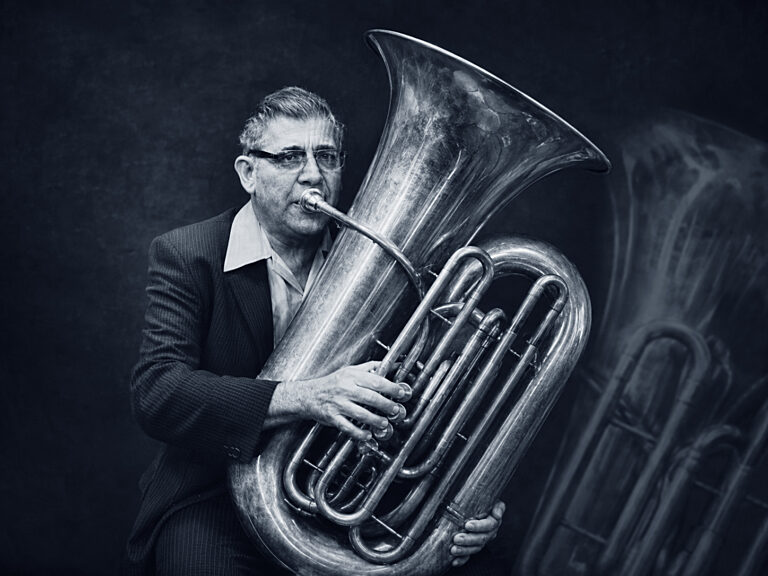
Bobo, Roger
Arnold Jacobs
Interview
From Curtis to Chicago, a tuba player's path crosses Reiner, Koussevitzky and Ormandy, while teaching evolves toward breathing, thought and musical function.
pp. 37–44
Brass Bulletin No 34 · 1981
Tuba· Encounters· Professional life· Auditions· Orchestral playing
Brass Bulletin 94 - 2 / 1996
Bobo, Roger
Reflections on the tuba, teaching and music
pp. 10–14
Brass Bulletin No 94 · 1996
Tuba· Equipment· Teaching· Repertoire
1 Article about Roger Bobo
Brass Bulletin 70 - 2 / 1990
Mathez, Jean-Pierre
Roger Bobo
Poet of the Tuba
pp. 22–29
Brass Bulletin No 70 · 1990
Tuba· Encounters