Rendete Brass Bulletin disponibile nella vostra università, nel vostro conservatorio o nella vostra biblioteca Scoprite l’accesso istituzionale

3 min di lettura

Transcription fundamentals

Transcription fundamentals

My primary reason for transcribing music for brass is to fulfill a desire to play the great music of the past. Due to several factors, composers were reluctant to write extensively for the brass instruments. The trumpet and horn were not fully developed chromatically, while the trombone was mainly used for religious purposes or for special effects. The tuba did not exist. In fact, most of the original pieces for brass instruments were written for a specific virtuoso player, and as a result, were not widely performed — hardly an incentive for the composer.

For many brass players, the available literature of original works is not enough to satisfy their musical requirements. Pianists and violinists, having an abundance of great music at their disposal, rarely feel the need for transcriptions. It is for those of us who have only brass instruments as a means of musical expression that transcriptions become necessary.

For brass players who wish to perform transcriptions, the choice of suitable pieces can be most difficult. In my opinion, there are three basic categories of transcriptions: the questionable, the successful, and the unsuccessful.

The questionable group includes all pieces which are used for purely technical purposes as teaching and learning devices. Bordogni vocalises, for example, can play a major role in the development of a brass player; however, it is doubtful that this type of transcription would be successful in public performance.

The best transcriptions give the music new life, reveal subtleties which were not apparent before, and allow the listener to hear the work from a fresh point of view. Giving the music new life might involve the resurrection of a forgotten masterpiece, perhaps allowing the public to hear a piece for strings which is seldom performed due to the vastness of the string literature. For example, in recent years, the trio sonatas of Corelli have probably been performed more often by trombones than by the original instruments.

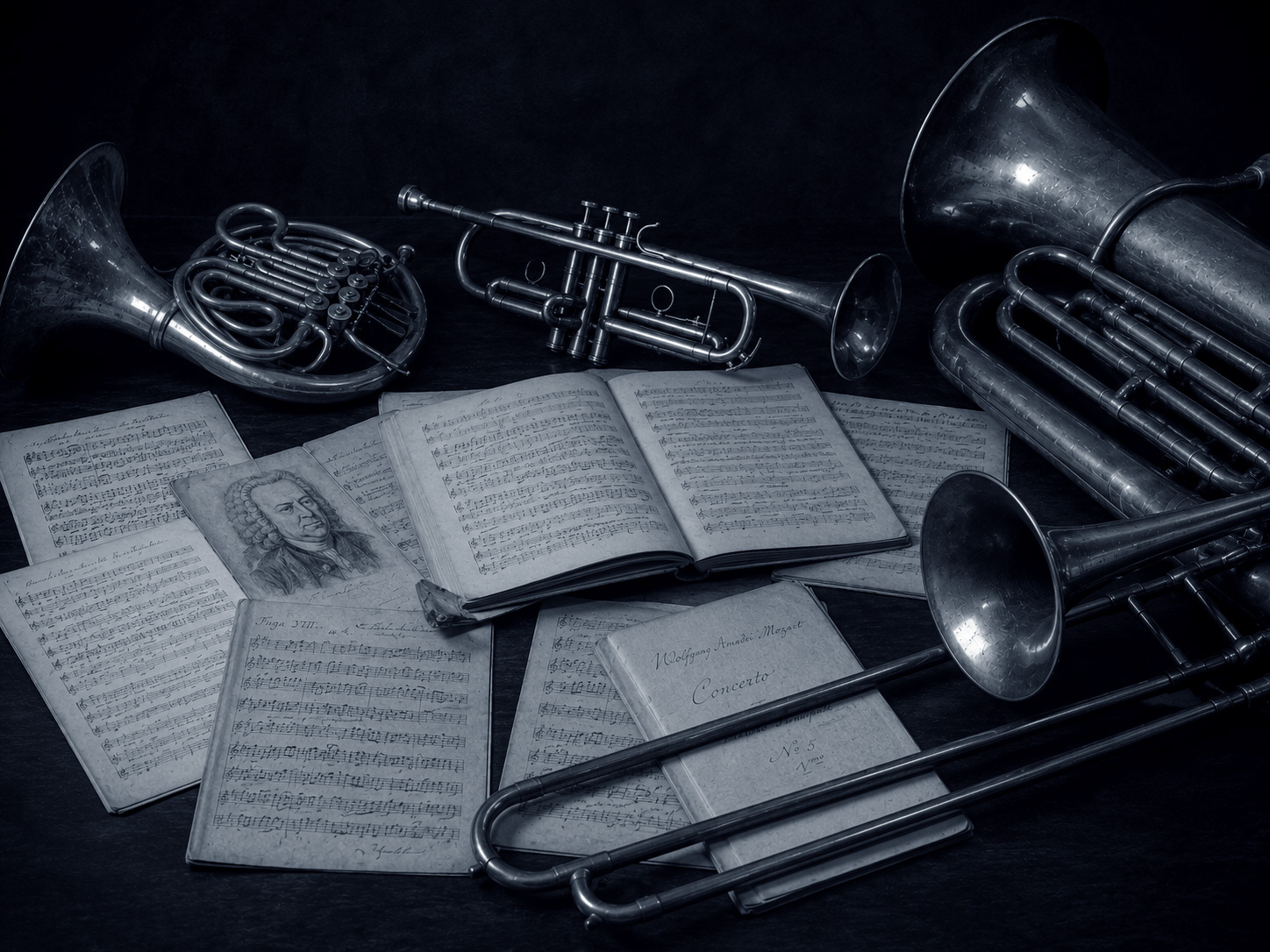
New subtleties are sometimes revealed by the orchestration of the instruments. Some of Bach's keyboard music, especially the organ fugues, can be scored for brass very effectively. Brass instruments have most of the sonority and power of the organ and at the same time delineate the counterpoint in a manner which few organs are able to duplicate.

A transcription which allows the listener to hear a work from a fresh point of view might involve a different and intriguing interpretation of a well known piece. However, this depends a great deal upon the musical abilities and ideas of the individual player. There is little justification for a trombonist to play, for example, a Mozart violin concerto, unless the player has discovered new musical insights which have been overlooked by generations of violinists. Since this is unlikely, a performance would probably only be of interest to other trombonists.

In reality, these three elements are often interrelated to such a degree that it is almost impossible to consider each separately. When a fine piece of sculpture is viewed from various angles, a new facet of the work is revealed with each position and our experience broadened.

Not all music responds favorably to this kind of examination; and in most cases, transcriptions are not justified. A transcription should definitely not reveal negative aspects of the original work.

The task is to find pieces which allow these concepts to be applied without destroying the greatness of the original music, which is strengthened and not weakened by our efforts. It is my belief that the closer a transcription comes to satisfying most or all of these requirements, the greater the likelihood of finding an extraordinary musical vehicle.

--

Ralph Sauer is the co-principal trombonist with the Los Angeles Philharmonic Orchestra. His teachers were Robert Harper of the Philadelphia Orchestra and Emory Remington at the Eastman School of Music.

Prior to Los Angeles, he was principal of the Toronto Symphony Orchestra. In addition to orchestral playing, Ralph Sauer is active as a soloist, recording artist, and teacher.

Brass Bulletin 31, III / 1980 pagine 55–56

Tutti i contenuti sono protetti dal diritto d’autore © Brass Bulletin 1980–2026

Condividi questo articolo

Facebook LinkedIn
Loading…

Domande e risposte

Come funziona l’edizione digitale

Che cosa comprende l’edizione digitale?

L’edizione digitale riunisce gli articoli già digitalizzati sotto forma di testi leggibili e ricercabili online — non semplicemente come scansioni o file PDF — insieme alle illustrazioni originali, alle note, agli autori, alle informazioni sul numero della rivista e alle traduzioni disponibili. I suggerimenti di articoli correlati comprendono attualmente solo questo materiale digitalizzato.

Gli articoli digitali sono identici agli originali?

Conserviamo il più fedelmente possibile il testo originale, la lingua, le illustrazioni, le didascalie, le note e il contesto editoriale. La presentazione viene adattata per una lettura confortevole online e gli evidenti errori di trascrizione o scansione possono essere corretti. Il contenuto e il carattere dell’articolo pubblicato rimangono invariati.

Quali lingue sono disponibili?

Brass Bulletin è stato pubblicato in inglese, francese e tedesco nel corso di tutta la sua storia. Le traduzioni italiane e spagnole sono state aggiunte a partire dal numero 60. Sui siti italiano e spagnolo, gli articoli dei numeri da 1 a 59 vengono quindi mostrati in inglese per impostazione predefinita.

Con quale frequenza vengono aggiunti nuovi articoli?

Nuovi articoli vengono aggiunti quasi ogni giorno, con circa un numero completo digitalizzato ogni settimana. Il ritmo può variare in base al lavoro di preparazione, elaborazione delle immagini e verifica editoriale necessario.

Perché non tutti gli articoli sono disponibili in formato digitale?

La collezione completa di Brass Bulletin comprende 1.246 articoli pubblicati tra il 1971 e il 2003. L’indice completo è già disponibile online e consente di scoprire tutti gli articoli della collezione, compresi quelli il cui testo integrale non è ancora stato digitalizzato.

La digitalizzazione è iniziata nel febbraio 2026. Ogni articolo viene accuratamente preparato per la lettura online, verificato e collegato al relativo numero, agli autori, agli argomenti e alle illustrazioni. Al ritmo attuale di digitalizzazione, la collezione completa dovrebbe essere disponibile online entro febbraio 2028.

Perché alcuni riferimenti citano articoli che non sono ancora disponibili?

I riferimenti presenti negli articoli originali vengono conservati anche quando il materiale a cui rimandano non è ancora stato digitalizzato. In questo modo si preserva l’integrità storica ed editoriale della rivista. Man mano che nuovi numeri vengono aggiunti all’edizione digitale, un numero crescente di questi riferimenti condurrà ad articoli leggibili online.

Posso suggerire un articolo o segnalare un errore di trascrizione?

Sì. Se desiderate che un determinato articolo venga digitalizzato, oppure se notate un possibile errore di trascrizione o un’informazione mancante, contattateci. I riscontri dei lettori ci aiutano a migliorare l’edizione digitale e a stabilire priorità utili all’interno dell’archivio.

Come posso sostenere Brass Bulletin?

Il vostro sostegno contribuisce a finanziare la preparazione, la verifica e la pubblicazione online dell’intera collezione.

Abbonati all’Edizione digitale

Preferite sostenerci senza abbonarvi?

Fate una donazione

Come procede la digitalizzazione?

Stiamo rendendo Brass Bulletin disponibile online gradualmente, articolo per articolo. Potete leggere gli articoli appena digitalizzati non appena sono pronti, anche prima che un intero numero sia completato.

Consultate il nostro calendario di digitalizzazione per scoprire le ultime aggiunte e le date di disponibilità stimate dei prossimi numeri. Le stime si basano sul nostro ritmo recente e possono cambiare.

Cerca in Brass Bulletin.