Rendete Brass Bulletin disponibile nella vostra università, nel vostro conservatorio o nella vostra biblioteca Scoprite l’accesso istituzionale

3 min di lettura

The Trumpet

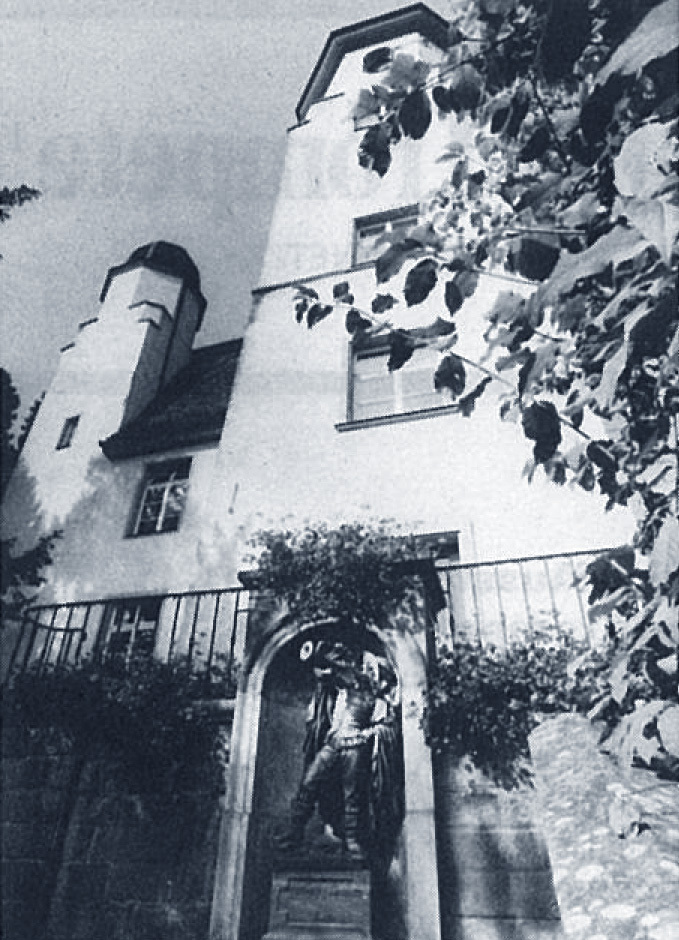
An exhibition at the Trumpeter's Castel in Bad Säckingen

The Trumpet

A vague recollection of Joseph Victor von Scheffel’s interminable verse epic "The Trumpeter of Säckingen" of 1854 takes us into the realm of history (or at least pseudo-history). The work ran to about 300 editions and seemed to be indestructible. Today "The Trumpeter" is to be found only in a gilt-edged luxury edition, or else as a very cheap Reclam paperback, amongst the forgotten belongings of our great-grandparents.

Rudolf Bunge made it into a libretto and Victor E. Nessler set it to music. The first performance took place in Leipzig in 1884, and the operatic "Trumpeter of Säckingen" was an unparalleled success. In 1888 it had over 900 performances in North Germany alone. Even the world-famous conductor Arthur Nikisch was so captivated by Nessler's sentimental "olde-worlde" Romanticism-with-trumpets that he composed an orchestral fantasy on his "Love and Trumpet Playing" and so enabled generations of trumpet soloists to move their audiences immediately to tears and to thunderous applause with the sentimental melody of "Behüt' dich Gott, es wär' so schön gewesen".

Their love of trumpet-playing, as well as the full weight of their specialised knowledge of instruments, led Edward H. Tarr and Ernst W. Buser to assemble a small but highly concentrated and extremely instructive trumpet exhibition in the evocative "Trumpeter's Castle", displaying instruments and documents from the Baroque to the present day.

Säckingen. Trumpeter's Castle
Säckingen. Trumpeter's Castle

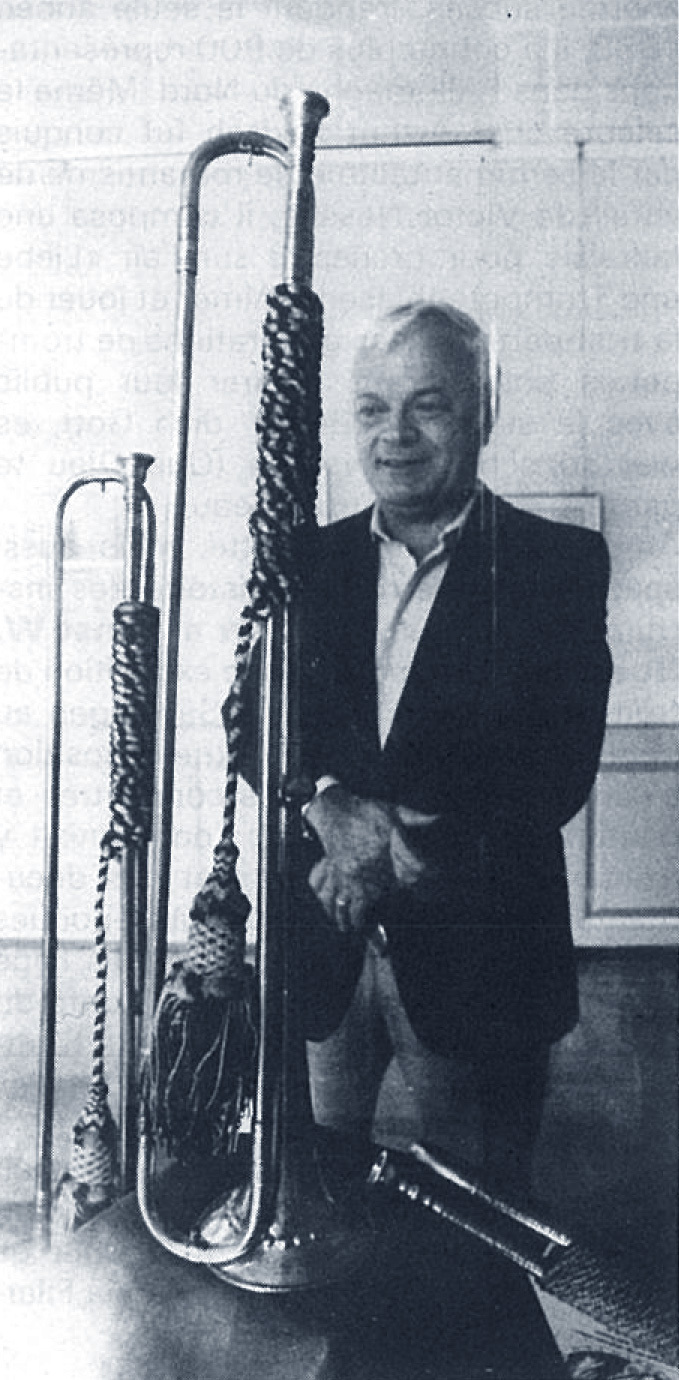
Ernst W. Buser

Ernst W. Buser

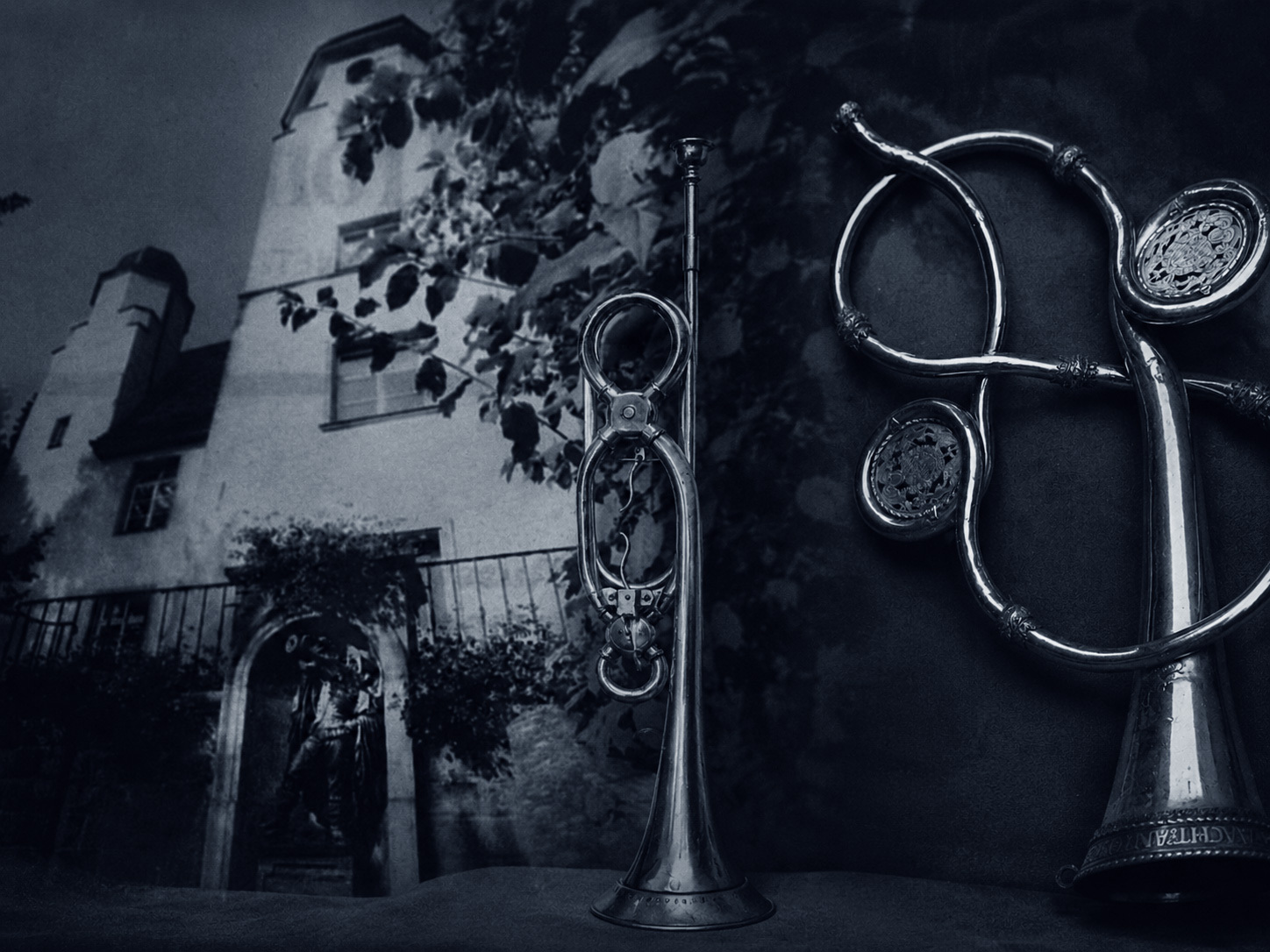
The showpiece of the collection was undoubtedly the pretzel-shaped natural trumpet in E, made by Anton Schnitzer in Nürnberg in 1585.¹ This is the instrument which Cesare Bendinelli (c. 1542-1617), as "Obrister Trompeter" ("Colonel-Trumpeter"), played at the Bavarian court in Munich. He left this splendid trumpet together with the manuscript of his trumpet method "Tutta l'arte della Trombetta" of 1614 to the "Accademia Filarmonica" in his home town of Verona. Both exhibits are still in the possession of the Verona Accademia Filarmonica today and were only lent to Säckingen.

Edward H. Tarr has also been given permission to publish this, the earliest known trumpet tutor, in facsimile. The majority of the exhibits from the golden age of the natural trumpet (1600-1750) — including a natural trumpet by Johann Leonhard Ehe (Nürnberg 1700), a pair of D trumpets by the Kerner brothers (Vienna 1793), a splendid example of an Eb trumpet by Johann Siegmund Graf Breitenbach (1746) and a coiled hunting instrument by Johann Wilhelm Haas (Nürnberg 1688) — are very rare pieces belonging to the two exhibitors and testify to their very considerable skill, as well as their good luck, as collectors.
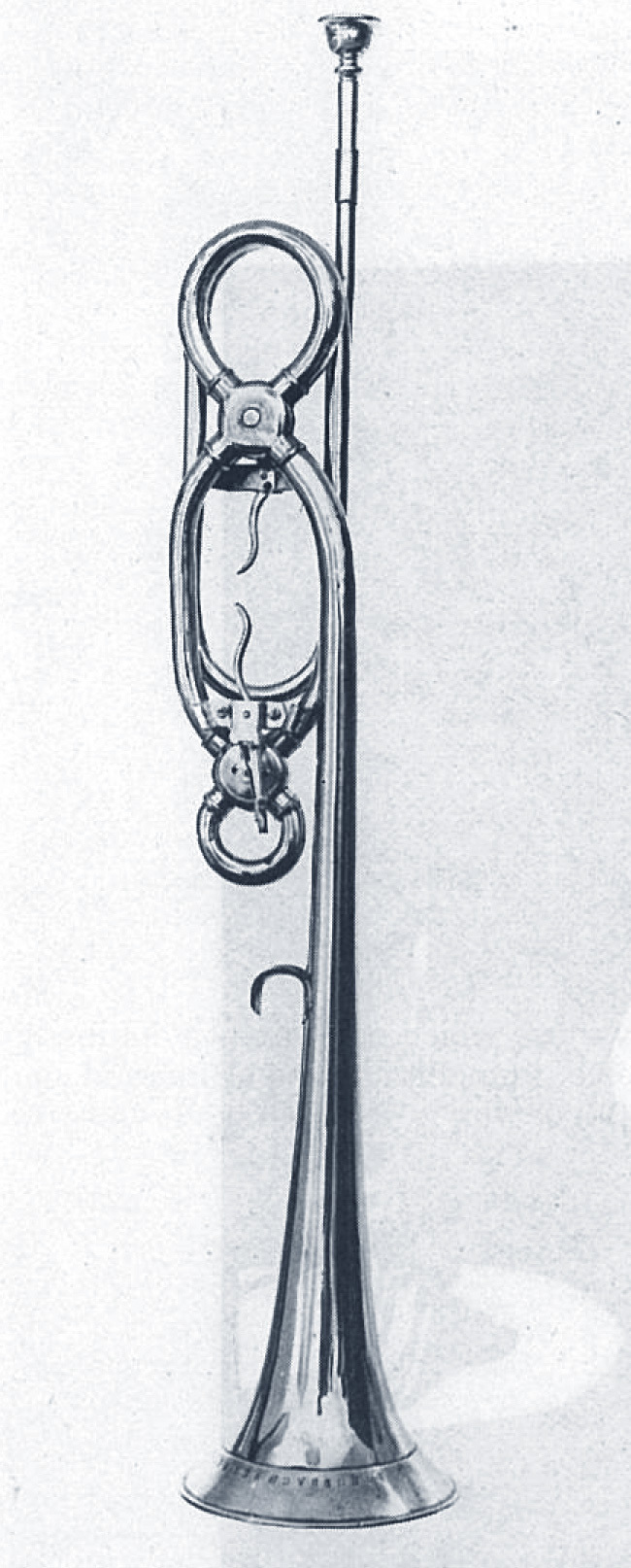
Rotary valve trumpet in D «Schupach et Guichard» Yverdon ca. 1830).(Sammlung Ernst W. B user)

Rotary valve trumpet in D «Schupach et Guichard» Yverdon ca. 1830).
(Sammlung Ernst W. B user)

Even greater variety was displayed by the numerous instruments from the crisis period of the trumpet (1750-1815) and by those which point the way to the first valve trumpets of the 19th and early 20th centuries. A comprehensive section was devoted to the threat from the cornet (1875-1900) and further space to trumpets remarkable on account of their unusual shape and strange materials.

The modern trumpets and the very latest trumpets of our own age, of course, formed the conclusion.

It is to be hoped that very many friends of the trumpet visited this very worthwhile exhibition. It gave a suitable indication of the high values of the historically evolved knightly art of the trumpeter, which is also so extremely important artistically.

The exhibition, and the associated "First International Trumpet Week", opened on 2nd September 1979 with the trumpet ensemble of the Schola Cantorum Basiliensis. On 9th September, to conclude the trumpet seminar directed by Edward H. Tarr, there was a concert which gave an impressive indication of the achievements of all the participants:

— Edward H. Tarr, Basle, and his assistant tutor, Vincent Cichowicz, Chicago, played Antonio Vivaldi’s Concerto in C for two trumpets, accompanied by a chamber orchestra conducted by Heinz G. Linke;

— many seminar participants proved themselves in a series of works ranging from Samuel Scheidt to Karl-Heinz Köper;

— and in conclusion all the participants played some magnificent sonatas from the "Charamela real" by the Lisbon court trumpeter, an anonymous writer of around 1760.

Brass Bulletin 29, I / 1980 pagine 103–105

Tutti i contenuti sono protetti dal diritto d’autore © Brass Bulletin 1980–2026

Condividi questo articolo

Facebook LinkedIn
Loading…

Domande e risposte

Come funziona l’edizione digitale

Che cosa comprende l’edizione digitale?

L’edizione digitale riunisce gli articoli già digitalizzati sotto forma di testi leggibili e ricercabili online — non semplicemente come scansioni o file PDF — insieme alle illustrazioni originali, alle note, agli autori, alle informazioni sul numero della rivista e alle traduzioni disponibili. I suggerimenti di articoli correlati comprendono attualmente solo questo materiale digitalizzato.

Gli articoli digitali sono identici agli originali?

Conserviamo il più fedelmente possibile il testo originale, la lingua, le illustrazioni, le didascalie, le note e il contesto editoriale. La presentazione viene adattata per una lettura confortevole online e gli evidenti errori di trascrizione o scansione possono essere corretti. Il contenuto e il carattere dell’articolo pubblicato rimangono invariati.

Quali lingue sono disponibili?

Brass Bulletin è stato pubblicato in inglese, francese e tedesco nel corso di tutta la sua storia. Le traduzioni italiane e spagnole sono state aggiunte a partire dal numero 60. Sui siti italiano e spagnolo, gli articoli dei numeri da 1 a 59 vengono quindi mostrati in inglese per impostazione predefinita.

Con quale frequenza vengono aggiunti nuovi articoli?

Nuovi articoli vengono aggiunti quasi ogni giorno, con circa un numero completo digitalizzato ogni settimana. Il ritmo può variare in base al lavoro di preparazione, elaborazione delle immagini e verifica editoriale necessario.

Perché non tutti gli articoli sono disponibili in formato digitale?

La collezione completa di Brass Bulletin comprende 1.246 articoli pubblicati tra il 1971 e il 2003. L’indice completo è già disponibile online e consente di scoprire tutti gli articoli della collezione, compresi quelli il cui testo integrale non è ancora stato digitalizzato.

La digitalizzazione è iniziata nel febbraio 2026. Ogni articolo viene accuratamente preparato per la lettura online, verificato e collegato al relativo numero, agli autori, agli argomenti e alle illustrazioni. Al ritmo attuale di digitalizzazione, la collezione completa dovrebbe essere disponibile online entro febbraio 2028.

Perché alcuni riferimenti citano articoli che non sono ancora disponibili?

I riferimenti presenti negli articoli originali vengono conservati anche quando il materiale a cui rimandano non è ancora stato digitalizzato. In questo modo si preserva l’integrità storica ed editoriale della rivista. Man mano che nuovi numeri vengono aggiunti all’edizione digitale, un numero crescente di questi riferimenti condurrà ad articoli leggibili online.

Posso suggerire un articolo o segnalare un errore di trascrizione?

Sì. Se desiderate che un determinato articolo venga digitalizzato, oppure se notate un possibile errore di trascrizione o un’informazione mancante, contattateci. I riscontri dei lettori ci aiutano a migliorare l’edizione digitale e a stabilire priorità utili all’interno dell’archivio.

Come posso sostenere Brass Bulletin?

Il vostro sostegno contribuisce a finanziare la preparazione, la verifica e la pubblicazione online dell’intera collezione.

Abbonati all’Edizione digitale

Preferite sostenerci senza abbonarvi?

Fate una donazione

Come procede la digitalizzazione?

Stiamo rendendo Brass Bulletin disponibile online gradualmente, articolo per articolo. Potete leggere gli articoli appena digitalizzati non appena sono pronti, anche prima che un intero numero sia completato.

Consultate il nostro calendario di digitalizzazione per scoprire le ultime aggiunte e le date di disponibilità stimate dei prossimi numeri. Le stime si basano sul nostro ritmo recente e possono cambiare.

Cerca in Brass Bulletin.