
| Topics · Articles · Instruments · People · Stories · Magazines · Subscribe |
Hello,
This month, Brass Bulletin moves across very different corners of the brass world — from the early voices of jazz to ornamentation in the horn concerto, Mozart’s trombones, Berlioz’s orchestra and the wonderfully unconventional world of Melvyn Poore.
There are changes elsewhere too. A new Topics section lets you browse articles by subject across the entire collection. Italian and Spanish are now available on the site. Original translations will be available from No. 60 onwards, as they were in the printed magazine.
Enjoy!
Jeremy
Trumpet • History
The Trumpet and the Cornet in Jazz and Popular Music
By Michel Laplace
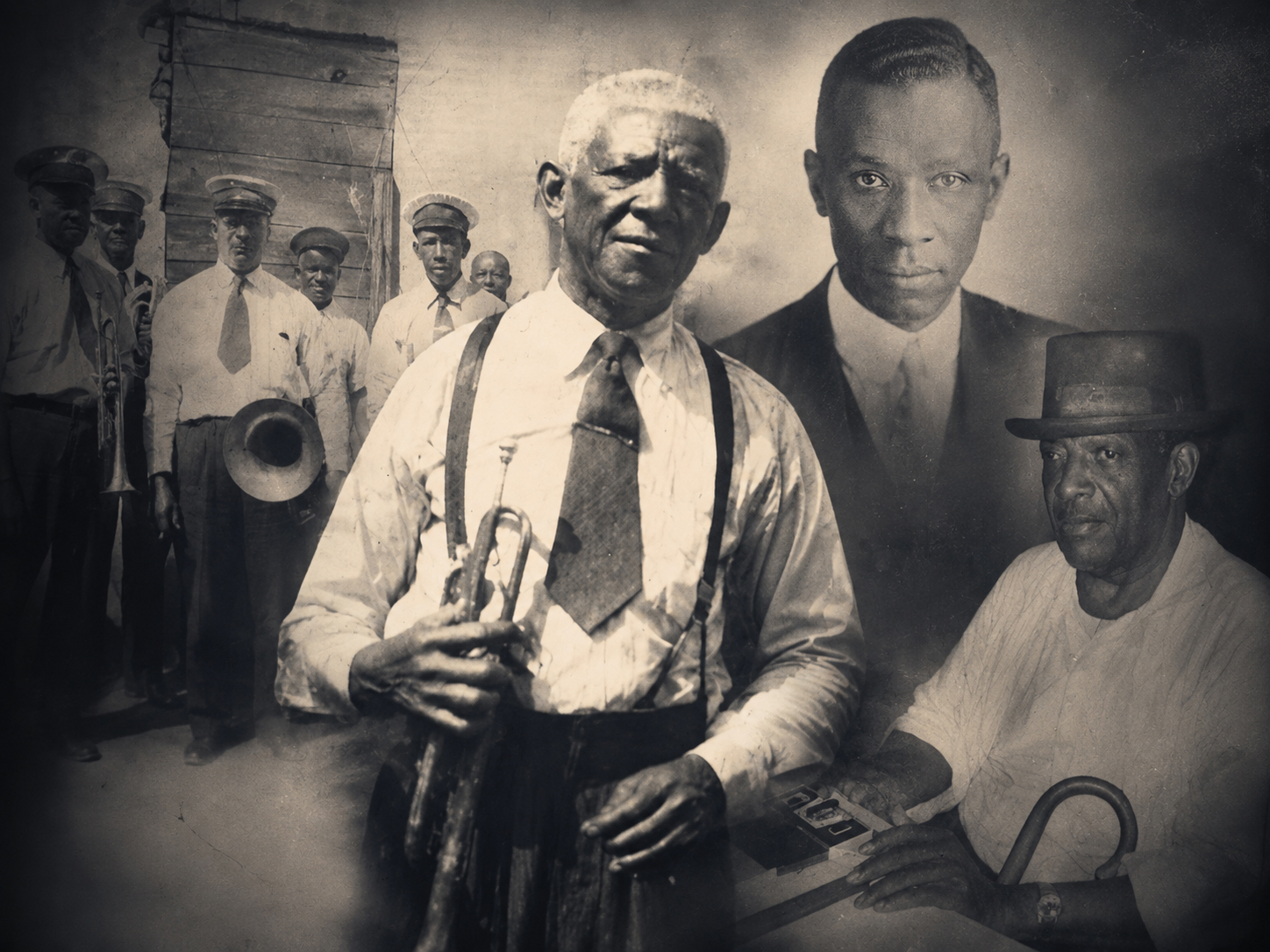
Before Louis Armstrong became the defining figure, jazz already carried competing traditions of tone, style and technique shaped by cornet players across New Orleans and beyond.
(BB 42, 1983)
Horn • Repertoire
Ornaments in 18th-century Horn Concertos?
By Peter Damm
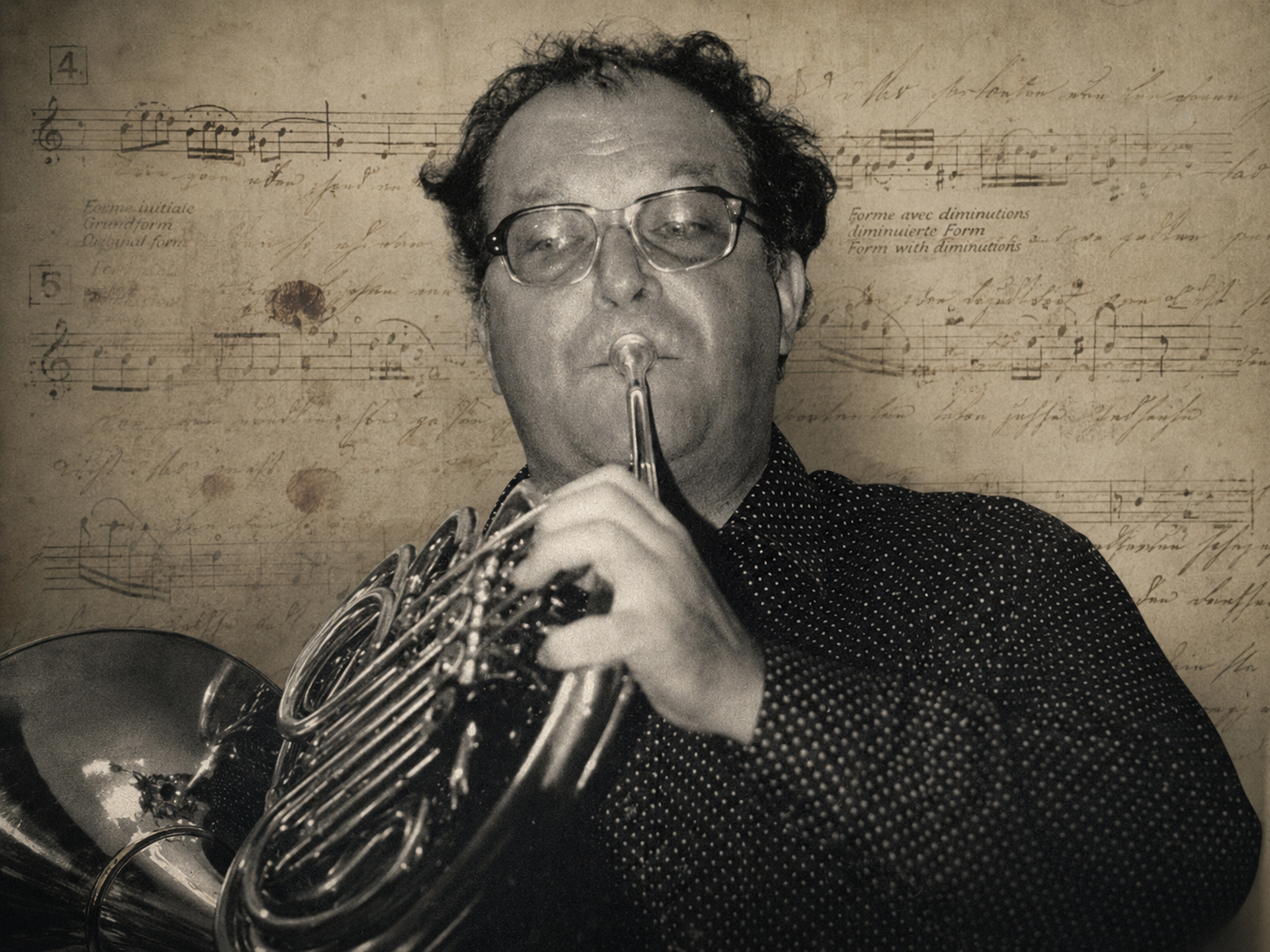
Performance once depended as much on informed invention as on written notes, and early horn concertos still carry that forgotten freedom in plain sight.
(BB 42, 1983)
Trombone • Repertoire
The Trombone in the Sacred Works of W. A. Mozart
By Benny Sluchin
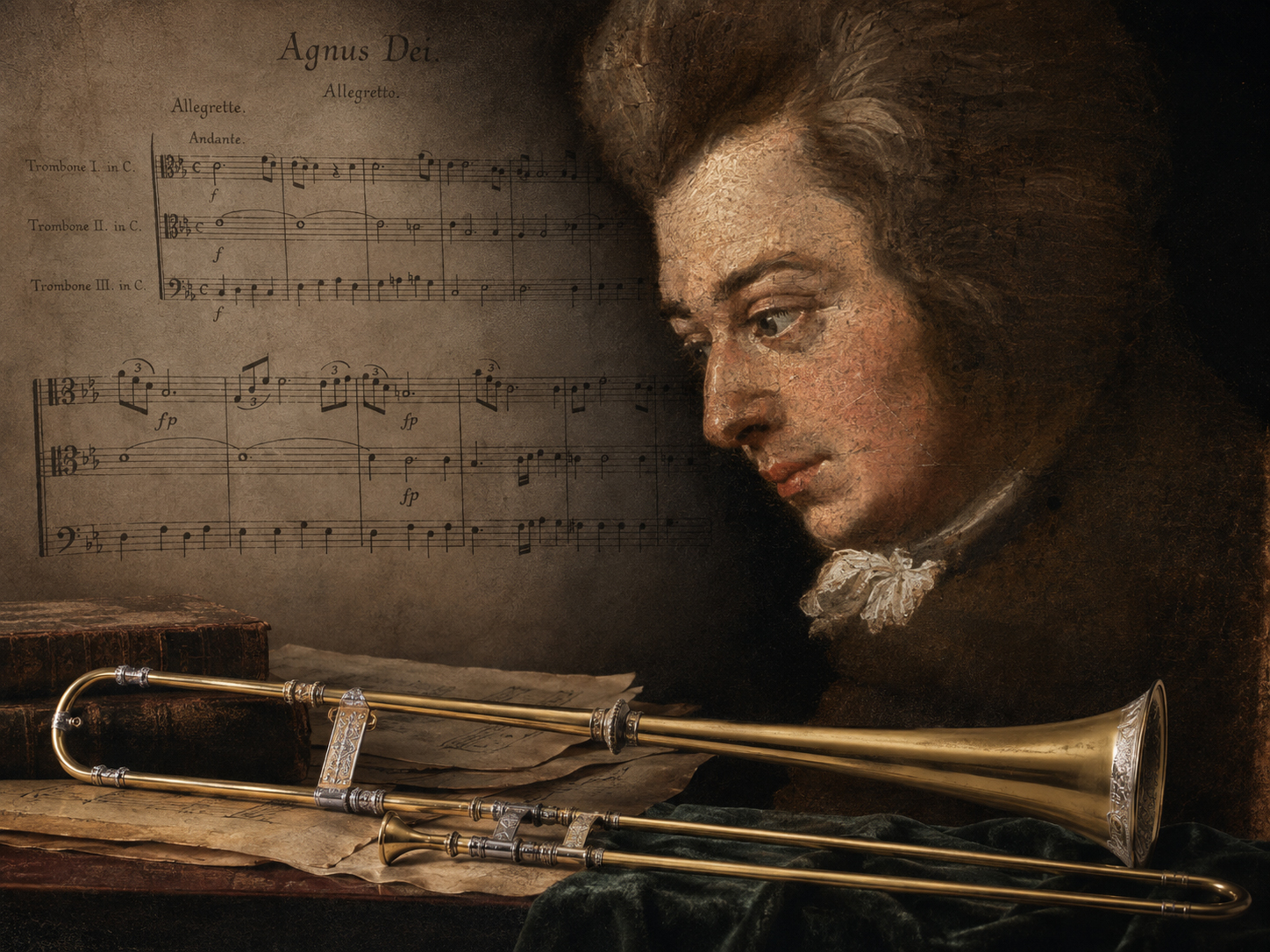
In Mozart’s sacred music, the trombone moved beyond choral reinforcement to striking solo roles that preserve the sound and practice of eighteenth-century Salzburg.
(BB 46, 1984)
Tuba • Encounters
Melvyn Poore • Tuba britannica
By Thomas Aitken
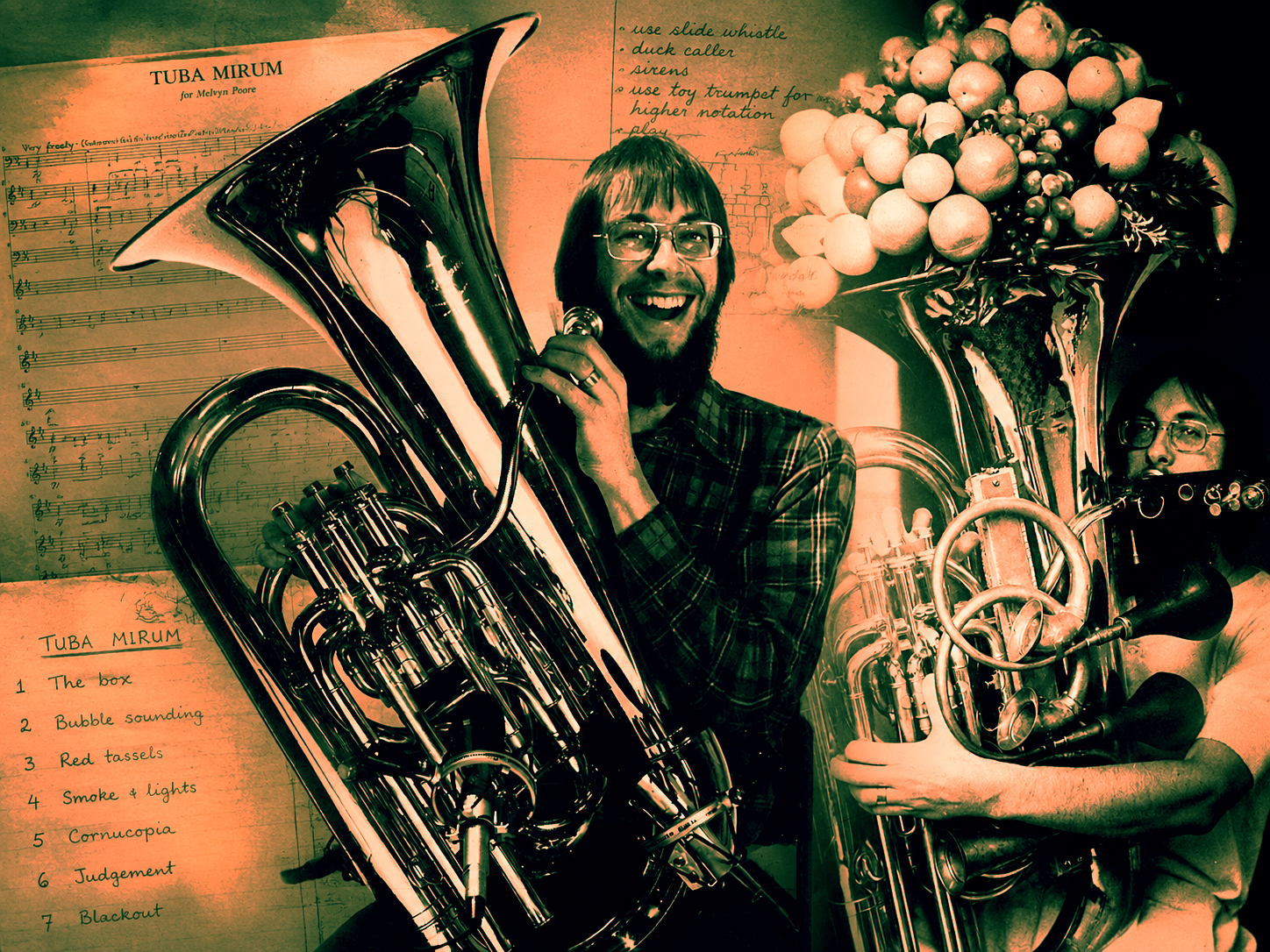
A tuba becomes a laboratory for circular breathing, reeds, strange mutes and music theatre as Melvyn Poore pushes beyond the orchestral role assigned to it.
(BB 46, 1984)
History
Brass in the Operas of Berlioz
By Benjamin Perl
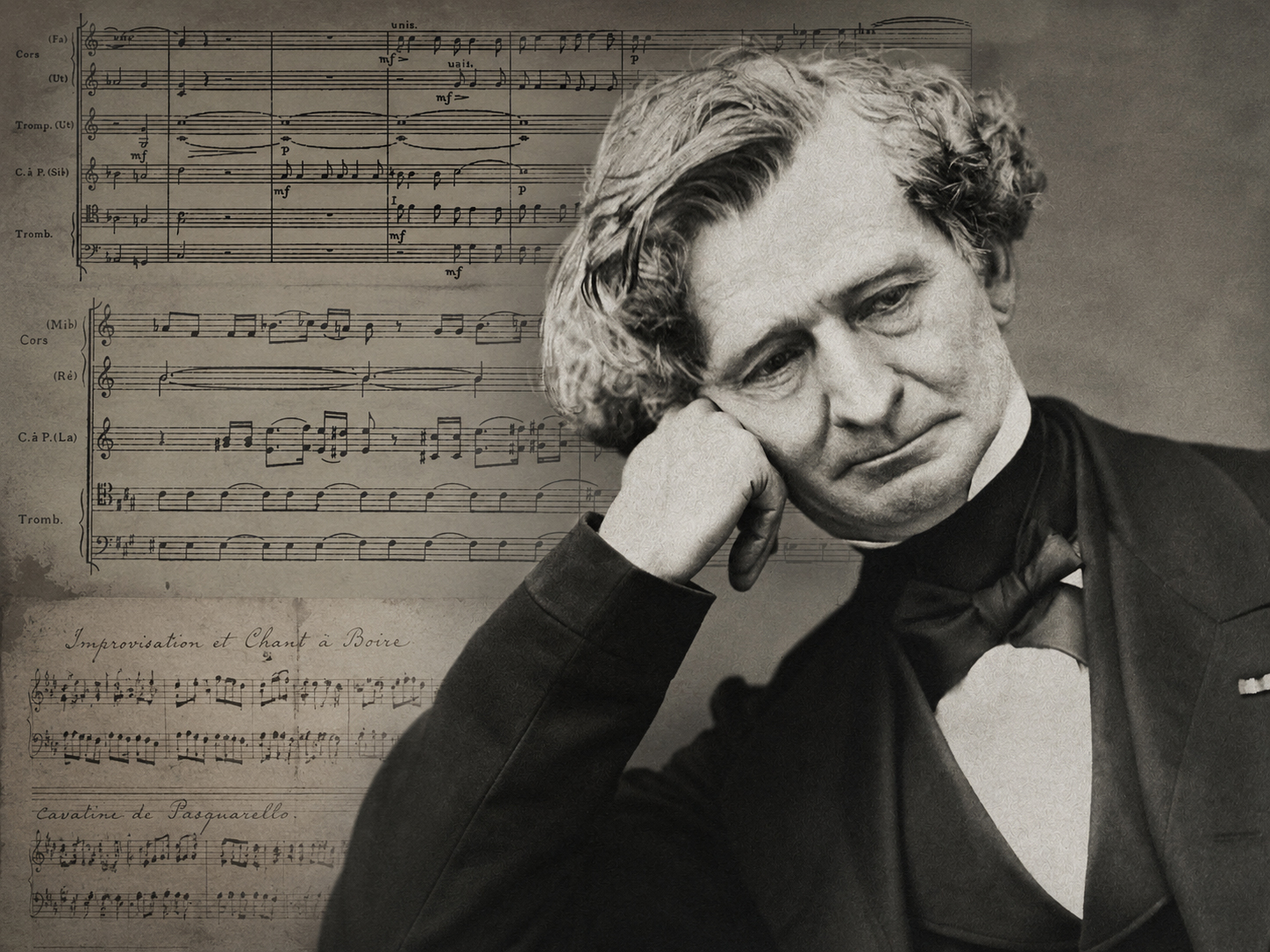
Berlioz turned a changing brass section into a dramatic force, using horns, trombones, cornets and saxhorns to shape colour, distance, ceremony and fear.
(BB 45, 1984)
Support Brass Bulletin.
Your membership helps us continue digitising the collection and keep Brass Bulletin alive today.
Thank you to everyone who makes this possible.