Rendete Brass Bulletin disponibile nella vostra università, nel vostro conservatorio o nella vostra biblioteca Scoprite l’accesso istituzionale

3 min di lettura

ITG Conference 1986, London

a personal view

ITG Conference 1986, London

Any international gathering of three hundred trumpeters cannot but be successful. It should also be an opportunity to advance the art.

The 1986 ITG Conference was held in the architecturally uninspiring Guildhall School of Music and Drama in London. The ITG, despite its name, is essentially an American organisation and the chance given by holding a conference in Europe of widening the membership base to become truly international was not unfortunately taken.

The most important aspect of any such conference must be music, and we should not lose sight of the fact that the trumpet is no more than a tool to achieve music. Conference events in which music and musicianship were the theme were, unfortunately too few.

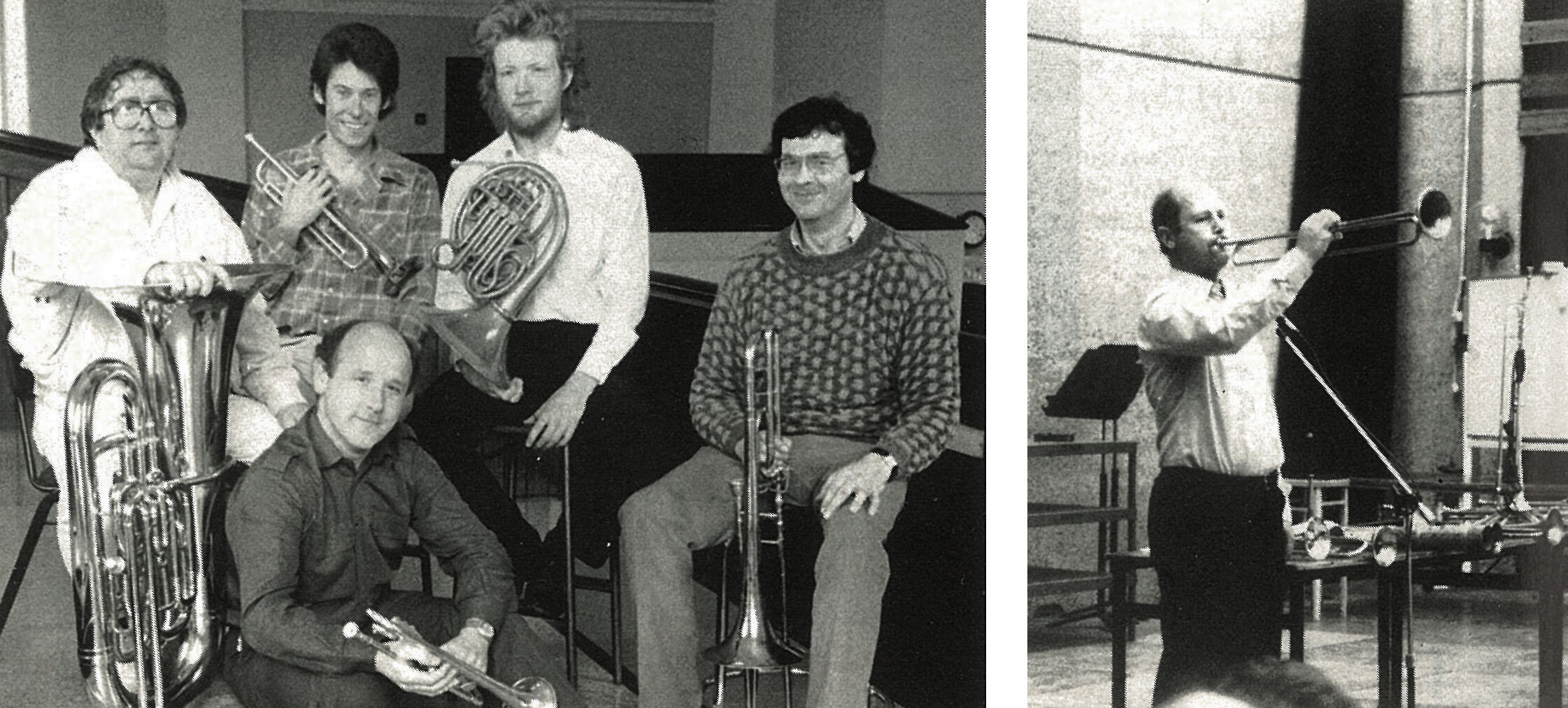
Equale Brass – Crispian Steele-Perkins

Equale Brass – Crispian Steele-Perkins

Gaeton Berton, Professor of Trumpet at Tours Conservatoire, demonstrated the deep musical tradition of the French school in a recital which included Enesco’s “Legende” and works by Bozza, Ibert and Hubeau. Musicianship and interpretation were profound, and he suppressed any technical difficulties in a recital which was stylish and assured and showed the fruits of thought and experience.

Hakan Hardenberger delivered a dazzling performance of twentieth century music and managed what so few can do with this music, which is to make it interesting to listen to. His recent successes at Toulon, Geneva, Paris and Munich are richly deserved.

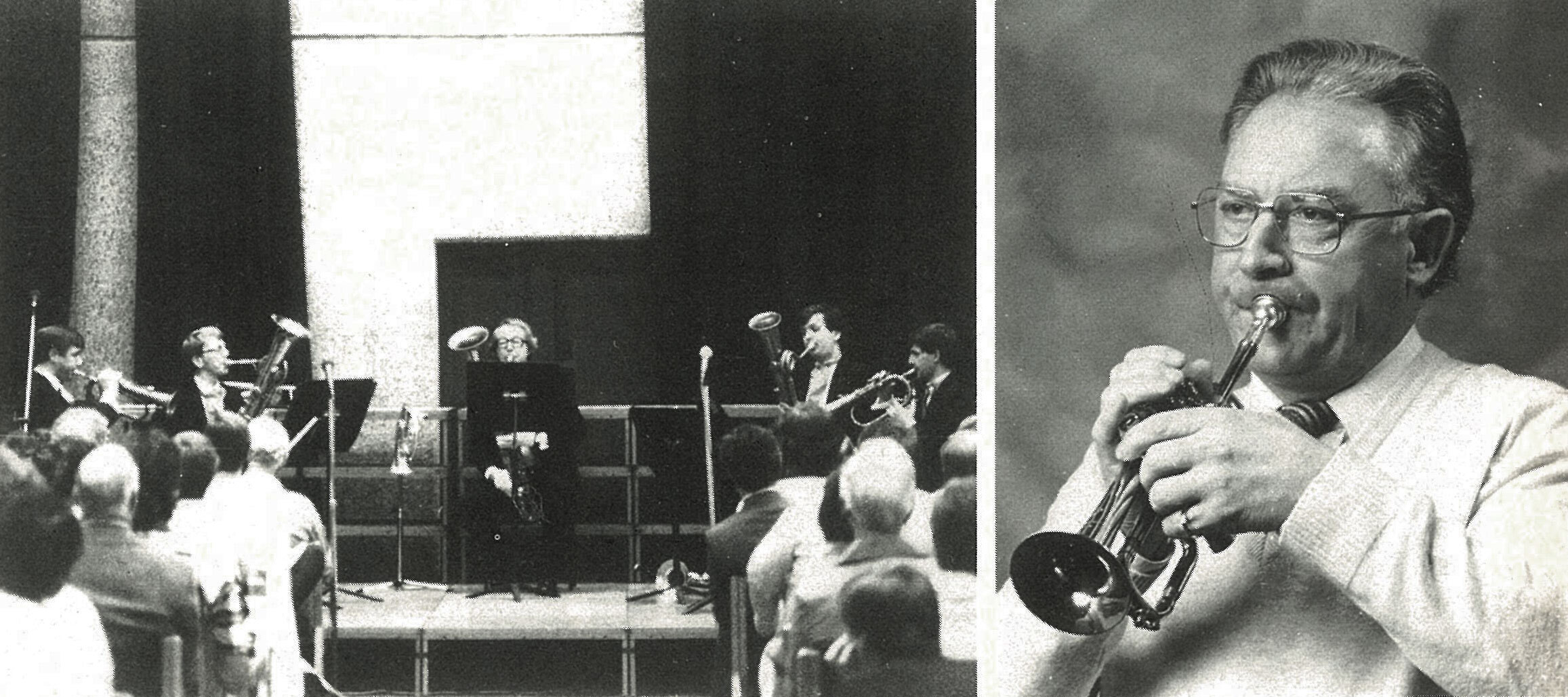
London Ophicleide Ensemble – Gaetan Berton

London Ophicleide Ensemble – Gaetan Berton

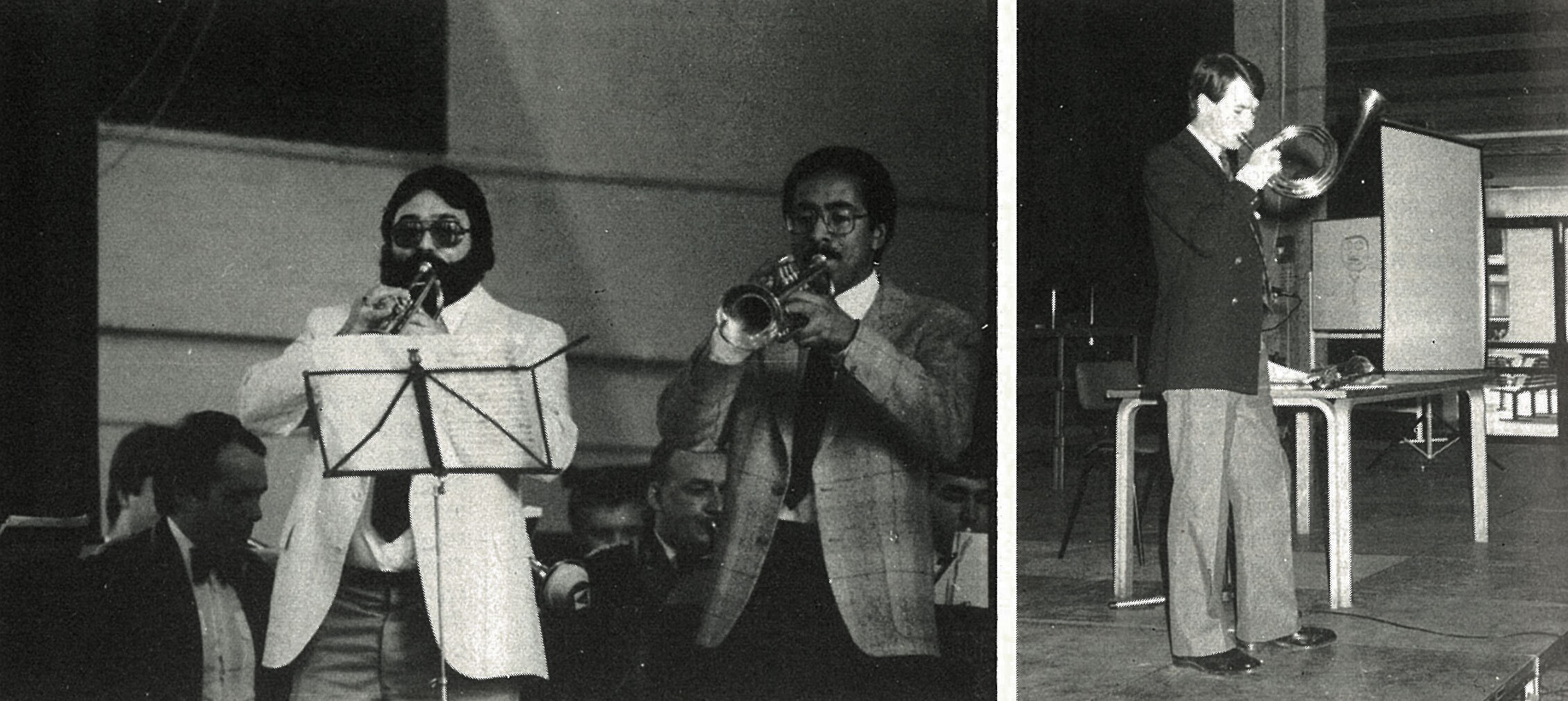
Vincent DiMartino and Manny Laureano at Black Dyke Mills Band Concert – Graham Nicholson
Vincent DiMartino and Manny Laureano at Black Dyke Mills Band Concert – Graham Nicholson

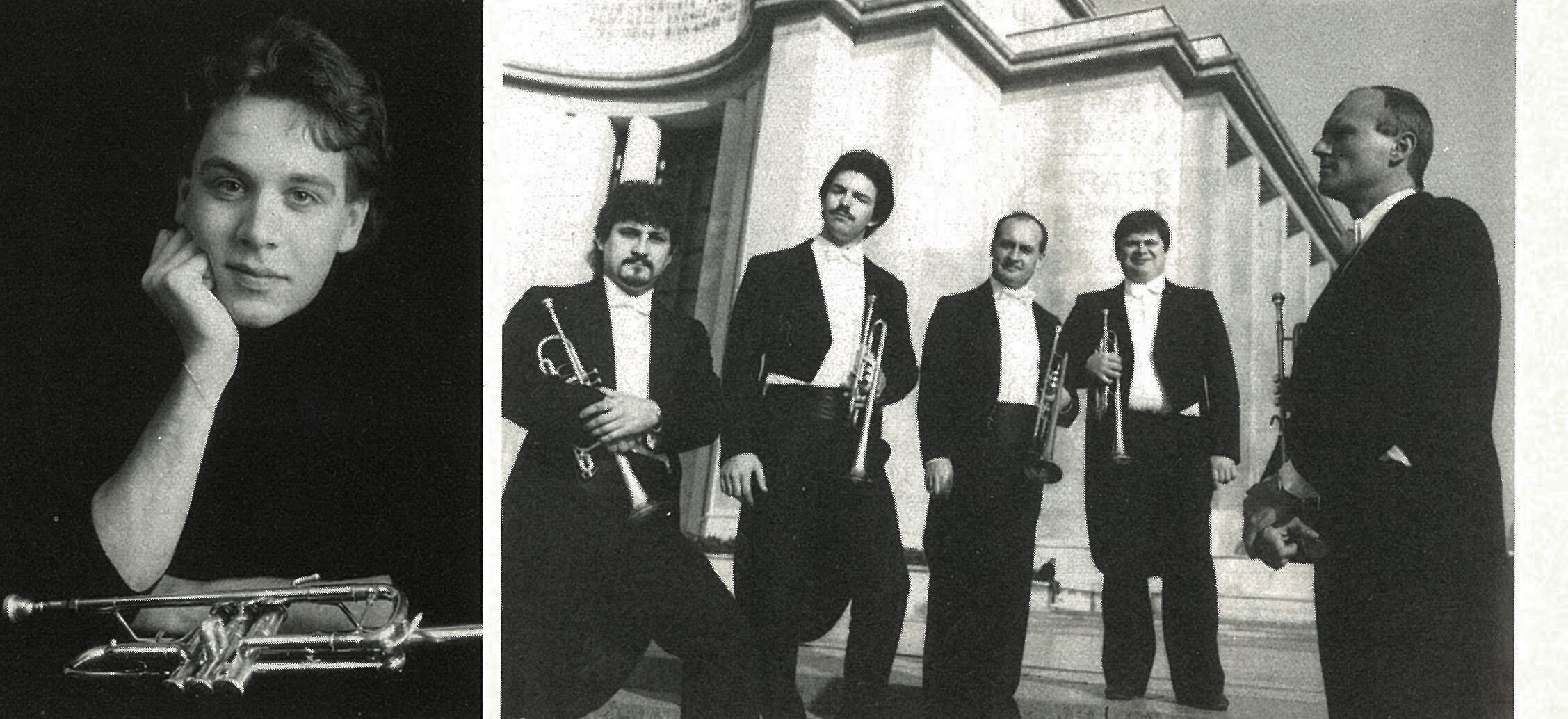
Hakan Hardenberger – Paris Trumpet Quintet

Hakan Hardenberger – Paris Trumpet Quintet

John Wallace, principal trumpet of London’s premier orchestra, the Philharmonia, was to most delegates the star of the conference. He appeared in many guises — as third trumpet in the mock orchestral trial competition, as leader of the magnificent Wallace Collection of trumpeters, as leader of the Equale Brass and in a solo recital of electronic music. His presence gave distinction and humour to each and it was his flexibility and sheer virtuosity which endeared him to all.

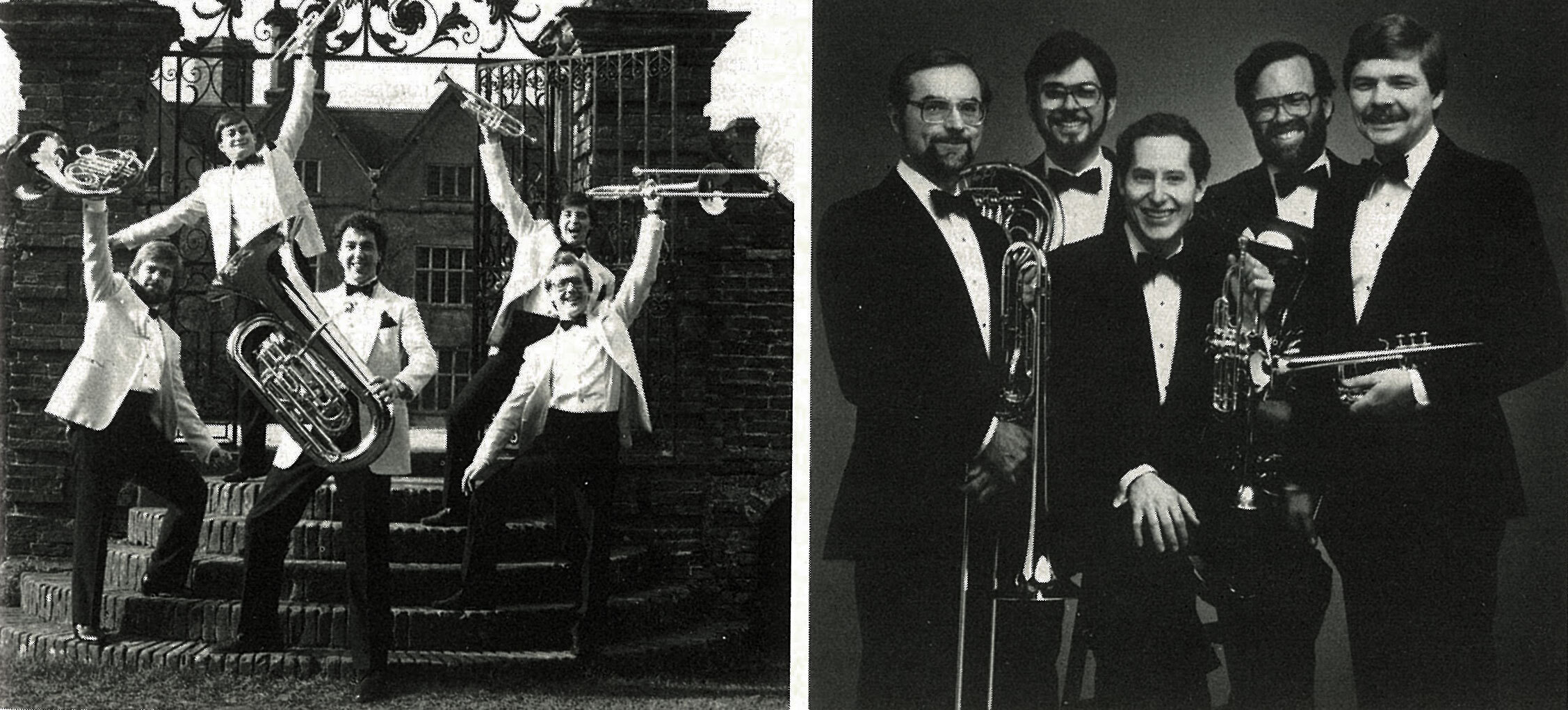
There were a number of ensembles at the conference and the best conclusion to be drawn is that ensembles, more so than players, cannot be compared. As a brass quintet, the Equale Brass demonstrated the greatest sense of ensemble while the Paris Trumpet Quintet were able to present with great conviction a scintillating and demanding programme. More popular ensemble performances came from the Chicago Brass Quintet and the Fine Arts Brass Ensemble, both of which seem to have learned from Canadian Brass that entertainment can be as appreciated as performance.
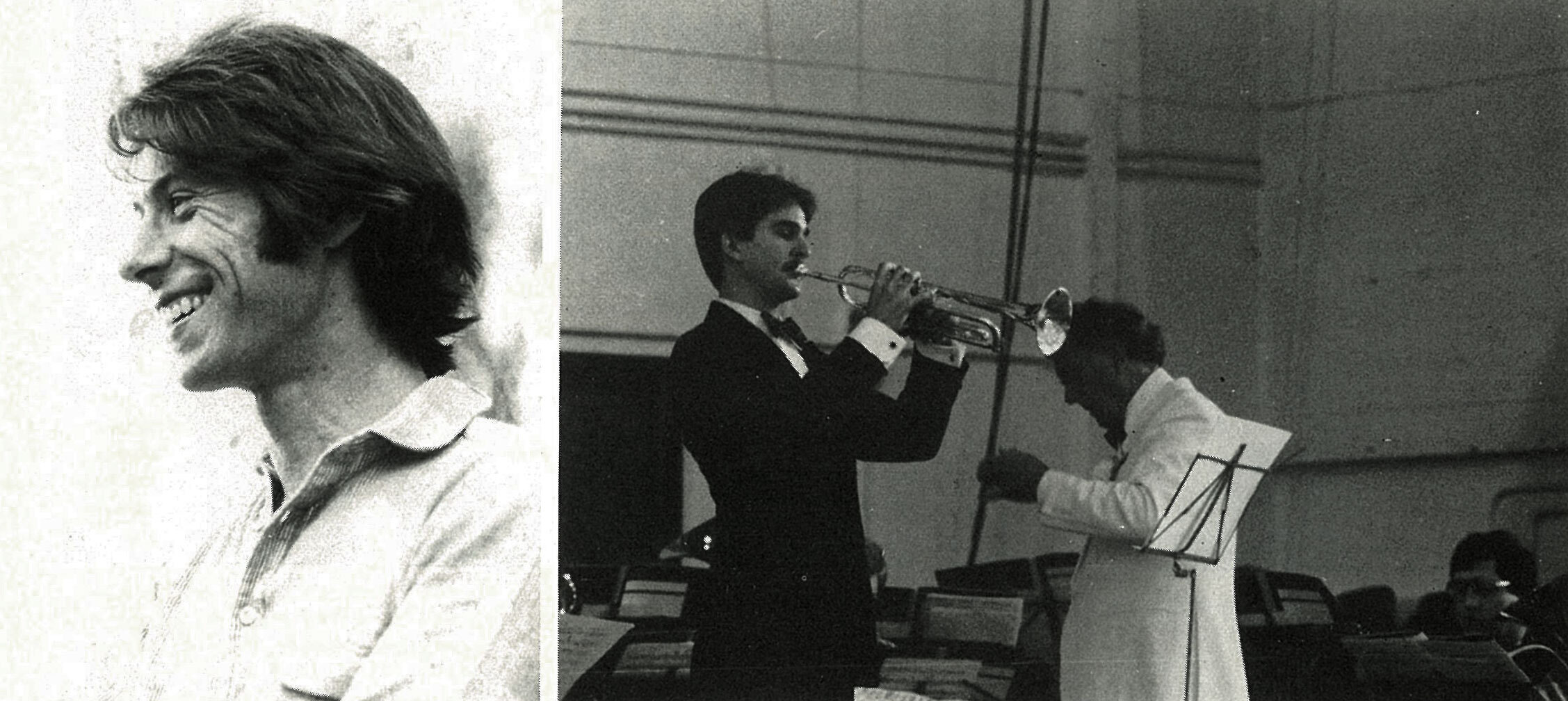
John Wallace – Gavin S. Wells, U.S.A. winner of 1986 ITG Solo Competition
John Wallace – Gavin S. Wells, U.S.A. winner of 1986 ITG Solo Competition

Fine Arts Brass Quintet – Chicago Brass Quintet

Fine Arts Brass Quintet – Chicago Brass Quintet

The student competitions were slightly disappointing, revealing a standard which was adequate but uninspiring. Three competitions were held — a mock orchestral trial, jazz improvisation, and a solo competition.

Most of the trumpet makers were present, but there were no bargains! The assembly under one roof of so many manufacturers did however provide a unique opportunity for comparison, and especially to test new instruments. Some makers still adopt the naive and curious technique of selling a trumpet by claiming that it is similar to one used by a celebrity. It is fortunately no longer true that the best trumpets are the most expensive, and it is clear that competition is forcing the standard to be raised. Of particular interest as new instruments were the A & R trumpets, the Richard Smith trumpets, and the Pro-Brass baroque trumpet, designed by Crispian Steele-Perkins.

The absence of famous names was at first an irritation, but on reflection probably contributed to a more balanced and interesting week. One criticism which must be recorded is that there seems to be more interest in quantity than in quality. What can the value be of a fifty-trumpet arrangement of the “Dies Irae” from Verdi’s “Requiem”, and is it not far more elevating to listen to Gaeton Berton’s Enesco, or Hardenberger’s Henze? The habit of many trumpeters to avoid thoughtful musical discussion is one which of course occurs everywhere, and in this sense the conference was an accurate reflection of the state of the art of trumpeters, and their interests.
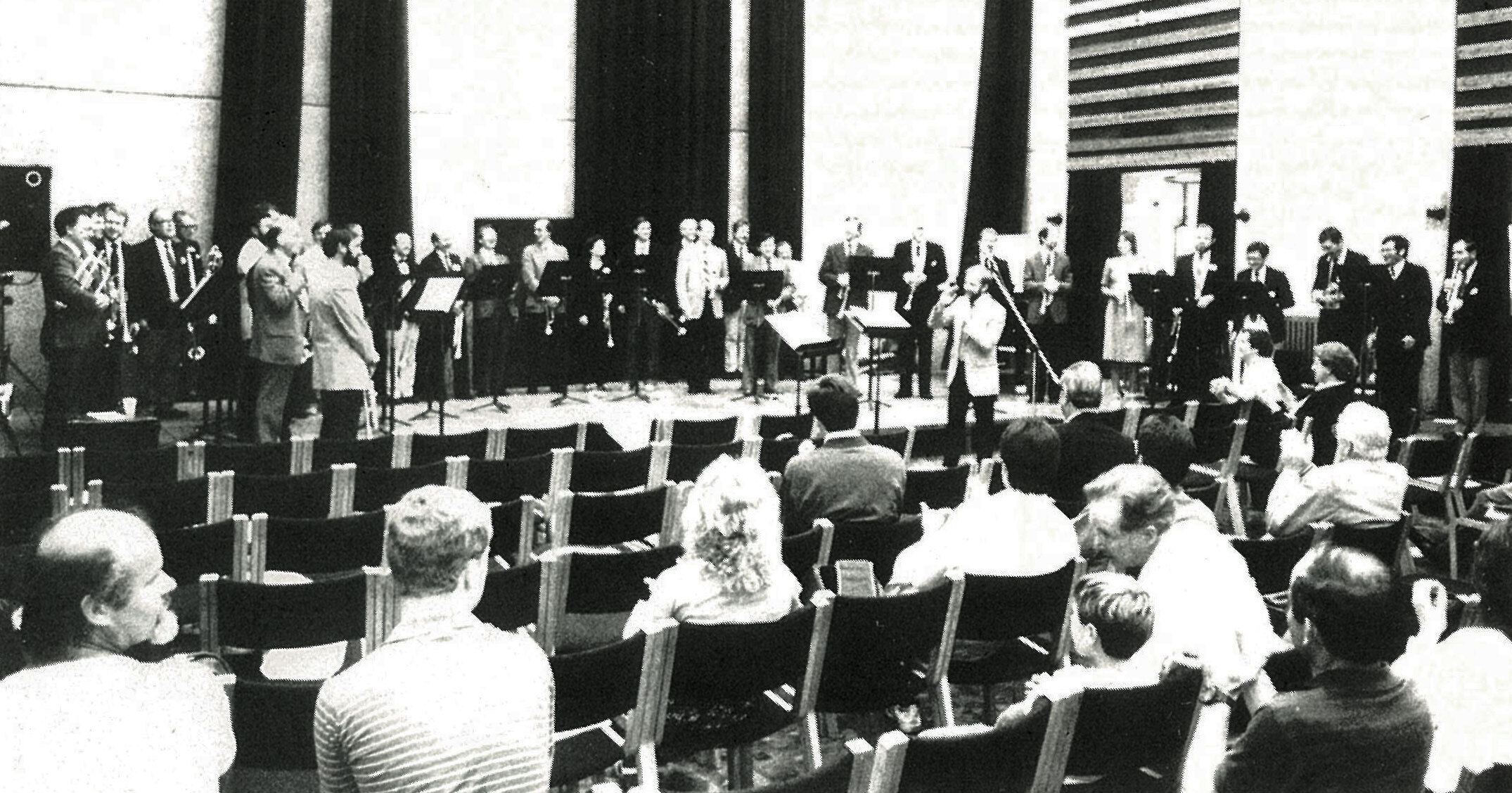
Festival of Trumpets

Festival of Trumpets

Brass Bulletin 56, IV / 1986 pagine 34–38

Tutti i contenuti sono protetti dal diritto d’autore © Brass Bulletin 1986–2026

Condividi questo articolo

Facebook LinkedIn
Loading…

Domande e risposte

Come funziona l’edizione digitale

Che cosa comprende l’edizione digitale?

L’edizione digitale riunisce gli articoli già digitalizzati sotto forma di testi leggibili e ricercabili online — non semplicemente come scansioni o file PDF — insieme alle illustrazioni originali, alle note, agli autori, alle informazioni sul numero della rivista e alle traduzioni disponibili. I suggerimenti di articoli correlati comprendono attualmente solo questo materiale digitalizzato.

Gli articoli digitali sono identici agli originali?

Conserviamo il più fedelmente possibile il testo originale, la lingua, le illustrazioni, le didascalie, le note e il contesto editoriale. La presentazione viene adattata per una lettura confortevole online e gli evidenti errori di trascrizione o scansione possono essere corretti. Il contenuto e il carattere dell’articolo pubblicato rimangono invariati.

Quali lingue sono disponibili?

Brass Bulletin è stato pubblicato in inglese, francese e tedesco nel corso di tutta la sua storia. Le traduzioni italiane e spagnole sono state aggiunte a partire dal numero 60. Sui siti italiano e spagnolo, gli articoli dei numeri da 1 a 59 vengono quindi mostrati in inglese per impostazione predefinita.

Con quale frequenza vengono aggiunti nuovi articoli?

Nuovi articoli vengono aggiunti quasi ogni giorno, con circa un numero completo digitalizzato ogni settimana. Il ritmo può variare in base al lavoro di preparazione, elaborazione delle immagini e verifica editoriale necessario.

Perché non tutti gli articoli sono disponibili in formato digitale?

La collezione completa di Brass Bulletin comprende 1.246 articoli pubblicati tra il 1971 e il 2003. L’indice completo è già disponibile online e consente di scoprire tutti gli articoli della collezione, compresi quelli il cui testo integrale non è ancora stato digitalizzato.

La digitalizzazione è iniziata nel febbraio 2026. Ogni articolo viene accuratamente preparato per la lettura online, verificato e collegato al relativo numero, agli autori, agli argomenti e alle illustrazioni. Al ritmo attuale di digitalizzazione, la collezione completa dovrebbe essere disponibile online entro febbraio 2028.

Perché alcuni riferimenti citano articoli che non sono ancora disponibili?

I riferimenti presenti negli articoli originali vengono conservati anche quando il materiale a cui rimandano non è ancora stato digitalizzato. In questo modo si preserva l’integrità storica ed editoriale della rivista. Man mano che nuovi numeri vengono aggiunti all’edizione digitale, un numero crescente di questi riferimenti condurrà ad articoli leggibili online.

Posso suggerire un articolo o segnalare un errore di trascrizione?

Sì. Se desiderate che un determinato articolo venga digitalizzato, oppure se notate un possibile errore di trascrizione o un’informazione mancante, contattateci. I riscontri dei lettori ci aiutano a migliorare l’edizione digitale e a stabilire priorità utili all’interno dell’archivio.

Come posso sostenere Brass Bulletin?

Il vostro sostegno contribuisce a finanziare la preparazione, la verifica e la pubblicazione online dell’intera collezione.

Abbonati all’Edizione digitale

Preferite sostenerci senza abbonarvi?

Fate una donazione

Come procede la digitalizzazione?

Stiamo rendendo Brass Bulletin disponibile online gradualmente, articolo per articolo. Potete leggere gli articoli appena digitalizzati non appena sono pronti, anche prima che un intero numero sia completato.

Consultate il nostro calendario di digitalizzazione per scoprire le ultime aggiunte e le date di disponibilità stimate dei prossimi numeri. Le stime si basano sul nostro ritmo recente e possono cambiare.

Cerca in Brass Bulletin.