Rendete Brass Bulletin disponibile nella vostra università, nel vostro conservatorio o nella vostra biblioteca Scoprite l’accesso istituzionale

2 min di lettura

The Newcomer

The Newcomer

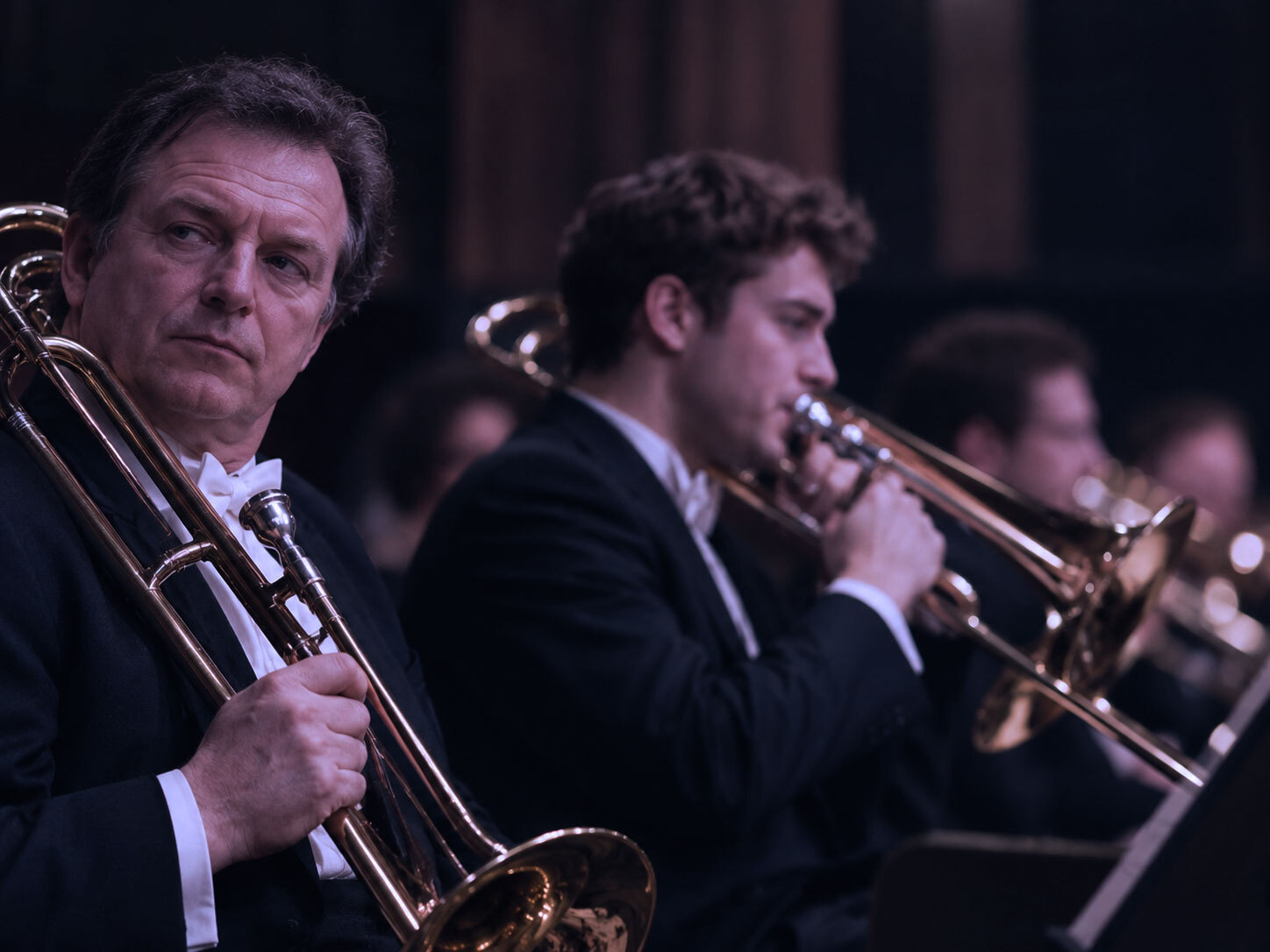
Over a period of 25 years Herbert had made his position in the orchestra and in the music college secure. Where the trombone was concerned he was the unchallenged expert in the large German-speaking city whose symphony orchestra was one of the country's cultural treasures.

But things had not been easy for Herbert. The war had interrupted his studies and it was not until 1949 that he was able to perfect his technique at music college. The post-war period was hard. People had to learn to get by. Having lost his best years, he had to work hard to acquire a solid technique. He did paid work wherever he could get it. Germany was trying to recover her cultural appetite and orchestras were being formed without any social or financial foundations. The German musicians were few, the foreigners not yet drawn to what was to become the German economic and cultural miracle. It was easy for Herbert to get a job in the renowned symphony orchestra which was then being reconstituted. His section-mates were mostly old musicians who had returned to the work or others less shrewd and less gifted than he. He was the unchallenged solo trombone in his section, respected by the other members of the orchestra, by the permanent conductor (who was a pain in the neck to many of the other principals) and by guest conductors. He had been offered the job in the music college — that went without saying — and in 25 years he had probably trained a hundred or more students.

Apart from the Ravel "Boléro" and two or three other repertoire pieces with perilous passages he approached his work with serenity and calmness and with a pride which many of his colleagues envied him.

In 1983 Walter, his faithful second trombone, retired. This departure troubled Herbert deeply. His other three colleagues were nice but crazy, settled in their beery and musico-bourgeois ways. They did not play very well but that did not worry them. Walter made up for all that; he was faithful, devoted and reliable.

As for Herbert, he calculated that he had six years to go before retirement and he wondered anxiously who would be sitting beside him during these last years.

The auditions were held in June. There were 58 applicants from 17 countries (in 1951, when he had auditioned, there had been four!). He was struck by these young players' skill, virtuosity and amazing standard.

To decide between the two short-listed candidates (both impeccable!) the organisers asked Herbert to give them some orchestral excerpts to sight-read. He walked uneasily on to the platform and put the first part on the music stand. It was read voraciously, straight through, without difficulty.

Not bad for a second's job, he thought. What are these two doing here? They're too good. They would only have to apply for a first job, somewhere else.

Well, in the "Boléro" the Englishman missed two notes and the American none — he was selected.

Herbert went home more tired than if he had been playing. He observed his daily route and his town's familiar buildings with an undefinable uneasiness in the back of his mind.

At 9.30 on 15th September he went to the first rehearsal with his new second. He felt old, and plagued by an unaccustomed attack of nervousness. When he arrived, his colleagues watched him in a way that looked defiant.

"He's in his place already", Karl tipped him off.

Herbert arrived at his seat and, gripping his instrument tightly in one hand, offered the other to Ronald.

"Guten Tag, Kollege. Na wie geht's?"

"Hi, Herb!"

They shook hands but Herbert's eyes were riveted on the new second's stand: his first part was on it. Herbert took it and put it on his own stand. He thought of Walter, his friend.

Notes

¹ I have written a series of "Little stories from brass life" with the aim of conveying, through an anecdote, those intense moments which every brass player experiences at one time or another. I have drawn liberally on the views and confidences of many friends and colleagues as well as on my own experiences. Clearly, however, the accounts are fictitious.

Brass Bulletin 55, III / 1986 pagine 23–24

Tutti i contenuti sono protetti dal diritto d’autore © Brass Bulletin 1986–2026

Condividi questo articolo

Facebook LinkedIn
Loading…

Domande e risposte

Come funziona l’edizione digitale

Che cosa comprende l’edizione digitale?

L’edizione digitale riunisce gli articoli già digitalizzati sotto forma di testi leggibili e ricercabili online — non semplicemente come scansioni o file PDF — insieme alle illustrazioni originali, alle note, agli autori, alle informazioni sul numero della rivista e alle traduzioni disponibili. I suggerimenti di articoli correlati comprendono attualmente solo questo materiale digitalizzato.

Gli articoli digitali sono identici agli originali?

Conserviamo il più fedelmente possibile il testo originale, la lingua, le illustrazioni, le didascalie, le note e il contesto editoriale. La presentazione viene adattata per una lettura confortevole online e gli evidenti errori di trascrizione o scansione possono essere corretti. Il contenuto e il carattere dell’articolo pubblicato rimangono invariati.

Quali lingue sono disponibili?

Brass Bulletin è stato pubblicato in inglese, francese e tedesco nel corso di tutta la sua storia. Le traduzioni italiane e spagnole sono state aggiunte a partire dal numero 60. Sui siti italiano e spagnolo, gli articoli dei numeri da 1 a 59 vengono quindi mostrati in inglese per impostazione predefinita.

Con quale frequenza vengono aggiunti nuovi articoli?

Nuovi articoli vengono aggiunti quasi ogni giorno, con circa un numero completo digitalizzato ogni settimana. Il ritmo può variare in base al lavoro di preparazione, elaborazione delle immagini e verifica editoriale necessario.

Perché non tutti gli articoli sono disponibili in formato digitale?

La collezione completa di Brass Bulletin comprende 1.246 articoli pubblicati tra il 1971 e il 2003. L’indice completo è già disponibile online e consente di scoprire tutti gli articoli della collezione, compresi quelli il cui testo integrale non è ancora stato digitalizzato.

La digitalizzazione è iniziata nel febbraio 2026. Ogni articolo viene accuratamente preparato per la lettura online, verificato e collegato al relativo numero, agli autori, agli argomenti e alle illustrazioni. Al ritmo attuale di digitalizzazione, la collezione completa dovrebbe essere disponibile online entro febbraio 2028.

Perché alcuni riferimenti citano articoli che non sono ancora disponibili?

I riferimenti presenti negli articoli originali vengono conservati anche quando il materiale a cui rimandano non è ancora stato digitalizzato. In questo modo si preserva l’integrità storica ed editoriale della rivista. Man mano che nuovi numeri vengono aggiunti all’edizione digitale, un numero crescente di questi riferimenti condurrà ad articoli leggibili online.

Posso suggerire un articolo o segnalare un errore di trascrizione?

Sì. Se desiderate che un determinato articolo venga digitalizzato, oppure se notate un possibile errore di trascrizione o un’informazione mancante, contattateci. I riscontri dei lettori ci aiutano a migliorare l’edizione digitale e a stabilire priorità utili all’interno dell’archivio.

Come posso sostenere Brass Bulletin?

Il vostro sostegno contribuisce a finanziare la preparazione, la verifica e la pubblicazione online dell’intera collezione.

Abbonati all’Edizione digitale

Preferite sostenerci senza abbonarvi?

Fate una donazione

Come procede la digitalizzazione?

Stiamo rendendo Brass Bulletin disponibile online gradualmente, articolo per articolo. Potete leggere gli articoli appena digitalizzati non appena sono pronti, anche prima che un intero numero sia completato.

Consultate il nostro calendario di digitalizzazione per scoprire le ultime aggiunte e le date di disponibilità stimate dei prossimi numeri. Le stime si basano sul nostro ritmo recente e possono cambiare.

Cerca in Brass Bulletin.