Ofrezca Brass Bulletin en su universidad, conservatorio o biblioteca Descubra el acceso institucional

2 min de lectura

The Pitch Finder

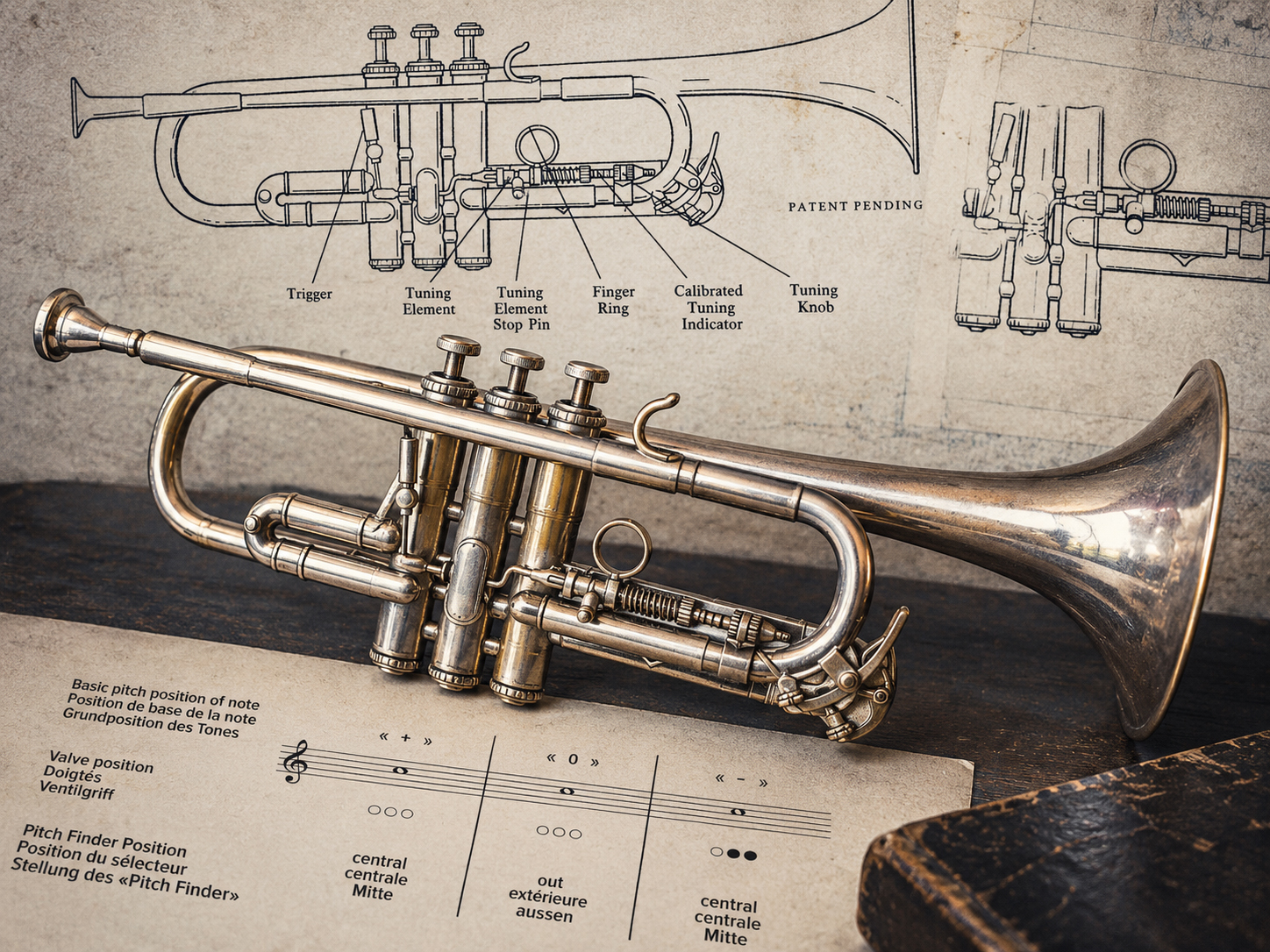
A 1980 attempt to make trumpet intonation mechanical shifts familiar pitch corrections from the embouchure to the fingers, with striking consequences for playing.
The Pitch Finder

These three exact central points of the three basic pitch positions (shown in figure 14)¹ are the exact points located by the Pitch Finder with its three selected positions: (1) central, (2) in, and (3) out. Figure 15 shows the Pitch Finder in the central position, selected by the player when tuning, for example, to A-440. This position can be very finely tuned with the tuning knob and is easily identified on the calibrated tuning indicator.
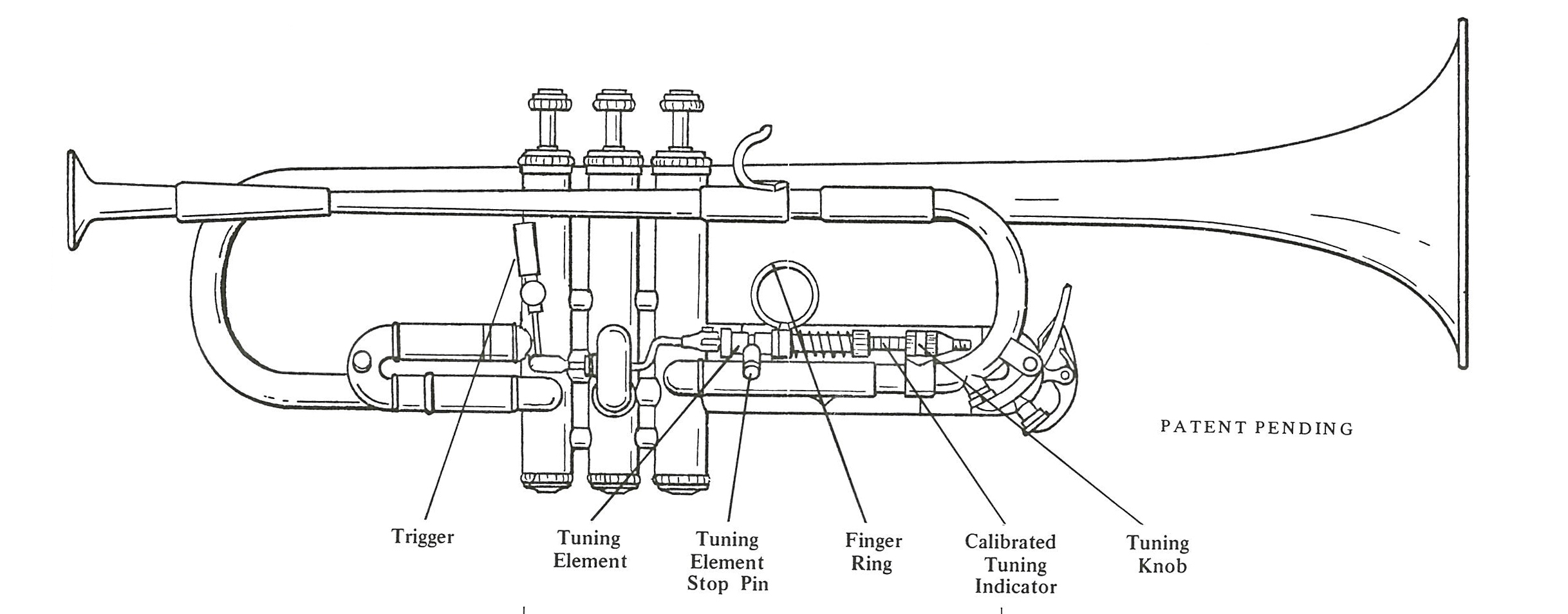
Figure 15The pitch Finder in "Central" position

Figure 15

The pitch Finder in "Central" position

Figure 16 shows the Pitch Finder in its “in” position, obtained when fully depressing the trigger. The distance of tuning slide travel to the “in” position is determined by the dimensions of the tuning element and limited by the stop pin. At this stop point the entire instrument is pitched +15.641 cents above the central pitch established at tuning and results in a frequency change from A-440 to A-444.
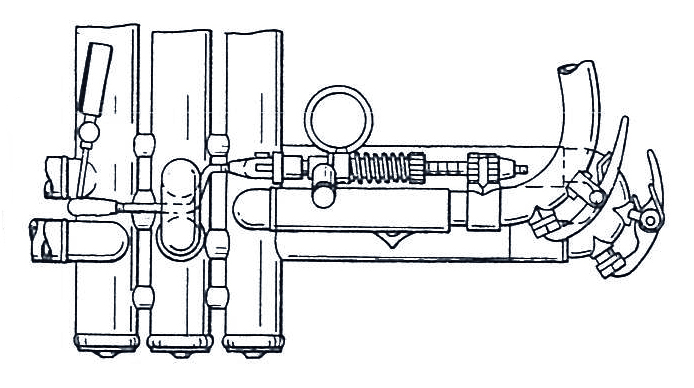
Figure 16The Pitch Finder in its “in” position.

Figure 16

The Pitch Finder in its “in” position.

Figure 17 shows the Pitch Finder in its “out” position, obtained by extending the finger ring. The coupling action of the spring moves the tuning slide and 3rd valve slide simultaneously. The distance of tuning slide travel to the “out” position is determined by the dimensions of the tuning element and limited by the stop pin... a slight resistance from the spring is felt at this point. While the finger ring may further extend the 3rd valve slide from this point, its movement will have no effect upon the stopped position of the tuning slide. At this stop point the instrument is pitched -13.686 cents below the central pitch established in tuning and results in a frequency change from A-440 to A-436.5.
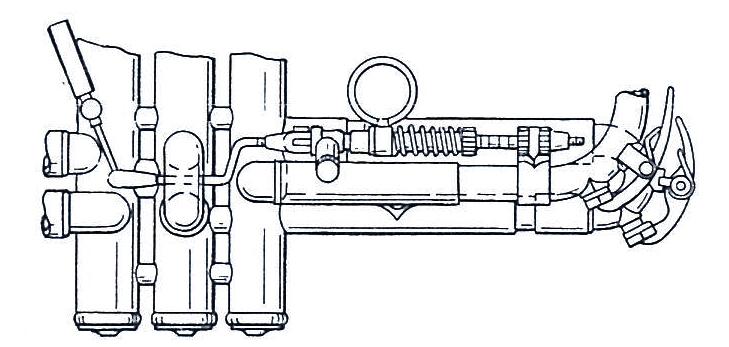
Figure 17The Pitch Finder in its “out” position.

Figure 17

The Pitch Finder in its “out” position.

Figure 18 shows the Pitch Finder in its “out” position with the 3rd valve slide extended beyond the point where the movement of the tuning slide is stopped by the stop pin. As the pitches of notes incorporating the 3rd valve will vary, some of these notes will require positioning by feel... just as the player has always done. However, the coupled action of the 3rd valve slide and the tuning slide reduces the distance of the 3rd valve slide travel on an average of 50%. As the 3rd valve slide is positioned by feel for certain notes, so may the tuning slide be positioned between central and the stopped points of “in” and “out”. (The stop points may even be exceeded by withdrawing the stop pin if desired.) But it is rare that the player with a basically good instrument to start with will ever find this necessary, as he is totally accustomed to automatically “lipping” adjustments of ±4 cents and beyond with perfect ease and virtually no loss in resonant tone quality. However, because the trumpet is basically a fixed resonator, pitches beyond approximately ± 8 cents from the center of a note are obtained only with increasing loss of resonant tone quality and excessive demands upon the player to depart from his ideal playing embouchure.

Continue reading

Accede a la edición digital completa.

Brass Bulletin 46, II / 1984 páginas 58–61

Todo el contenido está protegido por derechos de autor © Brass Bulletin 1984–2026

Compartir este artículo

Facebook LinkedIn
Cargando…

Preguntas y respuestas

Cómo funciona la edición digital

¿Qué incluye la edición digital?

La edición digital reúne los artículos ya digitalizados como textos legibles y consultables en línea —no simplemente como escaneos o archivos PDF— junto con sus ilustraciones originales, notas, autoría, información del número y traducciones disponibles. Las sugerencias de artículos relacionados incluyen actualmente solo este material digitalizado.

¿Los artículos digitales son idénticos a los originales?

Conservamos con la mayor fidelidad posible el texto original, el idioma, las ilustraciones, los pies de imagen, las notas y el contexto editorial. La presentación se adapta para facilitar la lectura en línea y pueden corregirse errores evidentes de transcripción o escaneado. El contenido y el carácter del artículo publicado permanecen inalterados.

¿Qué idiomas están disponibles?

Brass Bulletin se publicó en inglés, francés y alemán a lo largo de toda su historia. Las traducciones al italiano y al español se añadieron a partir del número 60. Por este motivo, en los sitios italiano y español los artículos de los números 1 a 59 se muestran en inglés de forma predeterminada.

¿Con qué frecuencia se añaden nuevos artículos?

Se añaden nuevos artículos casi a diario, con aproximadamente un número completo digitalizado cada semana. El ritmo puede variar según el trabajo de preparación, tratamiento de imágenes y revisión editorial necesario.

¿Por qué no están disponibles todos los artículos en formato digital?

La colección completa de Brass Bulletin contiene 1.246 artículos publicados entre 1971 y 2003. El índice completo ya está disponible en línea y permite descubrir todos los artículos de la colección, incluidos aquellos cuyo texto íntegro todavía no ha sido digitalizado.

La digitalización comenzó en febrero de 2026. Cada artículo se prepara cuidadosamente para la lectura en línea, se revisa y se vincula con su número, sus autores, sus temas y sus ilustraciones. Al ritmo actual de digitalización, se prevé que la colección completa esté disponible en línea en febrero de 2028.

¿Por qué algunas referencias mencionan artículos que todavía no están disponibles?

Las referencias de los artículos originales se conservan aunque el material al que remiten aún no haya sido digitalizado. De este modo se mantiene intacto el contexto histórico y editorial. A medida que se incorporen más números a la edición digital, un número creciente de estas referencias conducirá a artículos que podrán leerse en línea.

¿Puedo sugerir un artículo o informar de un error de transcripción?

Sí. Si hay algún artículo que le gustaría especialmente ver digitalizado, o si detecta un posible error de transcripción o algún dato que falta, póngase en contacto con nosotros. Los comentarios de los lectores nos ayudan a mejorar la edición digital y a establecer prioridades útiles dentro del archivo.

¿Cómo puedo apoyar a Brass Bulletin?

Su apoyo ayuda a financiar la preparación, verificación y publicación en línea de la colección completa.

Suscríbase a la Edición Digital

¿Prefiere apoyarnos sin suscribirse?

Haga una donación

¿Cómo avanza la digitalización?

Estamos poniendo Brass Bulletin a disposición de los lectores en línea, artículo por artículo. Pueden leer los artículos recién digitalizados en cuanto estén listos, incluso antes de que se complete un número entero.

Consulten nuestro calendario de digitalización para descubrir las últimas novedades y las fechas estimadas de disponibilidad de los próximos números. Estas estimaciones se basan en nuestro ritmo reciente y pueden cambiar.

Busca en Brass Bulletin.