Ofrezca Brass Bulletin en su universidad, conservatorio o biblioteca Descubra el acceso institucional

12 min de lectura

On the early history of valves and valve instruments in Germany (1814-1833)

Parte 2

Por Herbert Heyde

From invention to rivalry: the early history of rotary and piston valves reveals a battle of ideas, patents, and craftsmanship that transformed brass instruments forever.
On the early history of valves and valve instruments in Germany (1814-1833)

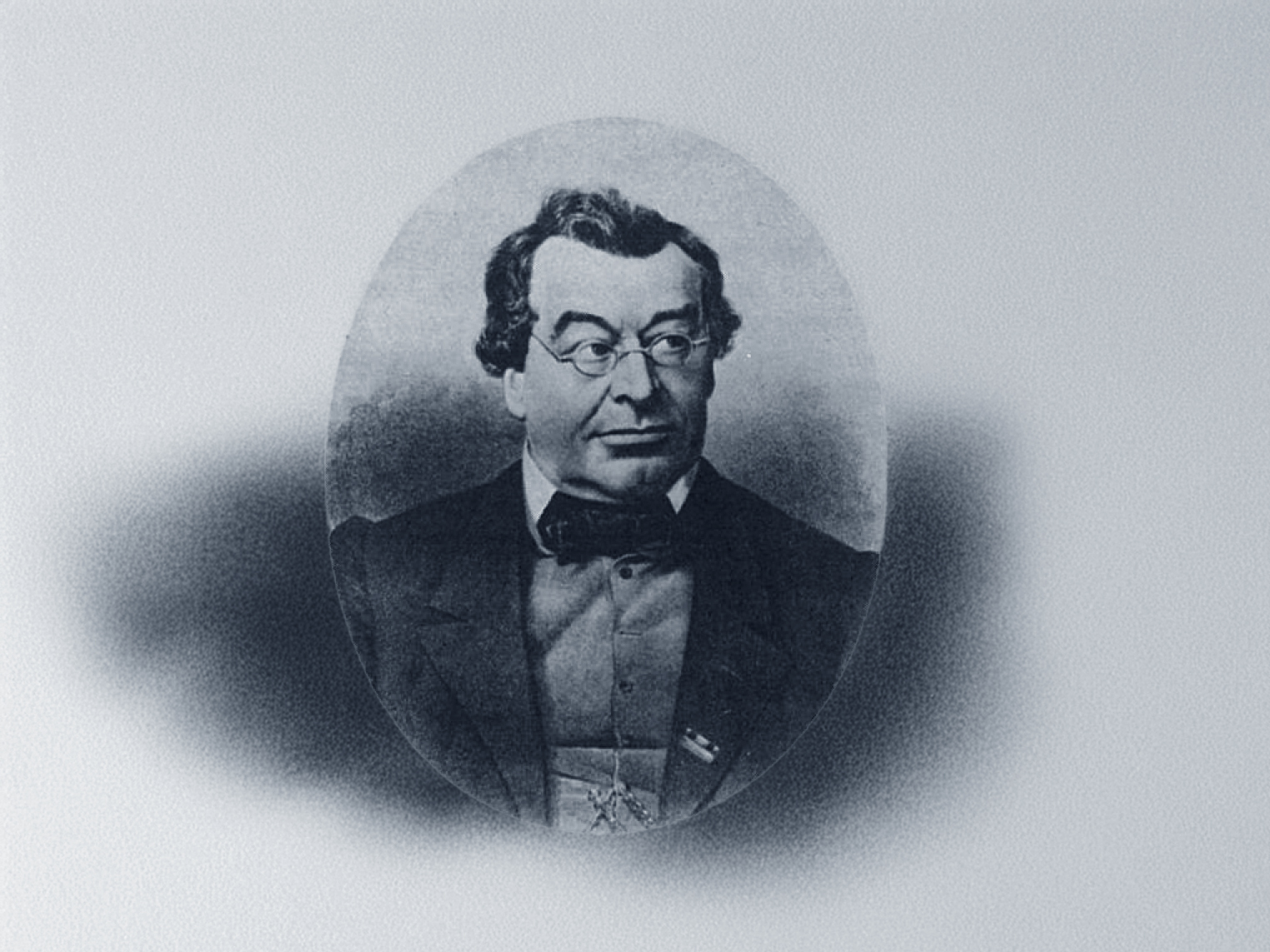
Wilhelm Wieprecht (1802-1872)

The rotary valve

In a letter of the 12th April 1818 dealing with the acceptance of the invention as a patent, the ministry of trade calls upon Blühmel and Stoelzel to have the original type of valve, the rotary valve included in the patent, which had hitherto been only hinted at:

Because the mechanism for shutting the valve loop is different from the earlier one, which you Herr Blühmel have explained by means of a diagram, and you Herr Stölzel by the prototype horn, both of you however having the intention of returning to the first method, according to reports, only retaining the box and the sliding valves for the horn, I hereby request you to submit a drawing and description of this mechanism which the instruments sent to Waldenburg demonstrate, so that the patent may also cover this type of shutting device.

But neither Blühmel nor Stoelzel complied with this request. Both of them only applied for a new patent for the rotary valves in 1828, after Stoelzel's application for extension had been turned down. Behind this ten year wait lies the economical thought: if the rotary valve had been included in the patent of 1818, they would have forgone any resulting economical use of the invention right from the start. But in this way they had the hope of receiving a new patent. During the oral negotiations with the Technical Delegation Blühmel or Stoelzel — or both of them — remarked, that they would use the rotary valve for the trumpet and trombone and the sliding valve on the other hand for the horn.

In 1828 Stoelzel — similar to 1818 — is sooner on the way through the administration than Blühmel and addresses the following letter on the 27th March 1828 to the State minister von Schuckmann:

The drawings included herewith are according to some mechanisms which were already made by me in 1814 by means of which I intended the perfection of metal wind instruments and which already at that time had reached a stage of development which allowed all the missing notes on these instruments to be played with ease and security, only I had no further use for these same valves, because the sliding valves which I submitted in 1818 and 1827 to a royal ministry require a much shorter depression and are therefore much quicker and easier to move which in turn enables every passage to be played.

I am however now in a position to submit this subsequently, whereby I would like to mention that all of these devices can only be considered as one invention only as all of them are reckoned in conjunction with the attached tubes and all have one aim. If however my intention should prove incorrect so I would beg of a high ministry to grant me a patent on it.

Strangely Stoelzel almost provokes the minister's refusal.

In the continuation, the development of the rotary valve is examined through the patent applications of 1828, shedding light on the technical differences between Blühmel and Stölzel and the emergence of early valve systems.

Continue reading

Accede a la edición digital completa.

Brass Bulletin 25, I / 1979 páginas 41–50

Todo el contenido está protegido por derechos de autor © Brass Bulletin 1979–2026

Compartir este artículo

Facebook LinkedIn
Cargando…

Preguntas y respuestas

Cómo funciona la edición digital

¿Qué incluye la edición digital?

La edición digital reúne los artículos ya digitalizados como textos legibles y consultables en línea —no simplemente como escaneos o archivos PDF— junto con sus ilustraciones originales, notas, autoría, información del número y traducciones disponibles. Las sugerencias de artículos relacionados incluyen actualmente solo este material digitalizado.

¿Los artículos digitales son idénticos a los originales?

Conservamos con la mayor fidelidad posible el texto original, el idioma, las ilustraciones, los pies de imagen, las notas y el contexto editorial. La presentación se adapta para facilitar la lectura en línea y pueden corregirse errores evidentes de transcripción o escaneado. El contenido y el carácter del artículo publicado permanecen inalterados.

¿Qué idiomas están disponibles?

Brass Bulletin se publicó en inglés, francés y alemán a lo largo de toda su historia. Las traducciones al italiano y al español se añadieron a partir del número 60. Por este motivo, en los sitios italiano y español los artículos de los números 1 a 59 se muestran en inglés de forma predeterminada.

¿Con qué frecuencia se añaden nuevos artículos?

Se añaden nuevos artículos casi a diario, con aproximadamente un número completo digitalizado cada semana. El ritmo puede variar según el trabajo de preparación, tratamiento de imágenes y revisión editorial necesario.

¿Por qué no están disponibles todos los artículos en formato digital?

La colección completa de Brass Bulletin contiene 1.246 artículos publicados entre 1971 y 2003. El índice completo ya está disponible en línea y permite descubrir todos los artículos de la colección, incluidos aquellos cuyo texto íntegro todavía no ha sido digitalizado.

La digitalización comenzó en febrero de 2026. Cada artículo se prepara cuidadosamente para la lectura en línea, se revisa y se vincula con su número, sus autores, sus temas y sus ilustraciones. Al ritmo actual de digitalización, se prevé que la colección completa esté disponible en línea en febrero de 2028.

¿Por qué algunas referencias mencionan artículos que todavía no están disponibles?

Las referencias de los artículos originales se conservan aunque el material al que remiten aún no haya sido digitalizado. De este modo se mantiene intacto el contexto histórico y editorial. A medida que se incorporen más números a la edición digital, un número creciente de estas referencias conducirá a artículos que podrán leerse en línea.

¿Puedo sugerir un artículo o informar de un error de transcripción?

Sí. Si hay algún artículo que le gustaría especialmente ver digitalizado, o si detecta un posible error de transcripción o algún dato que falta, póngase en contacto con nosotros. Los comentarios de los lectores nos ayudan a mejorar la edición digital y a establecer prioridades útiles dentro del archivo.

¿Cómo puedo apoyar a Brass Bulletin?

Su apoyo ayuda a financiar la preparación, verificación y publicación en línea de la colección completa.

Suscríbase a la Edición Digital

¿Prefiere apoyarnos sin suscribirse?

Haga una donación

¿Cómo avanza la digitalización?

Estamos poniendo Brass Bulletin a disposición de los lectores en línea, artículo por artículo. Pueden leer los artículos recién digitalizados en cuanto estén listos, incluso antes de que se complete un número entero.

Consulten nuestro calendario de digitalización para descubrir las últimas novedades y las fechas estimadas de disponibilidad de los próximos números. Estas estimaciones se basan en nuestro ritmo reciente y pueden cambiar.

Busca en Brass Bulletin.