4 min di lettura
Valsalva Maneuver - Why?
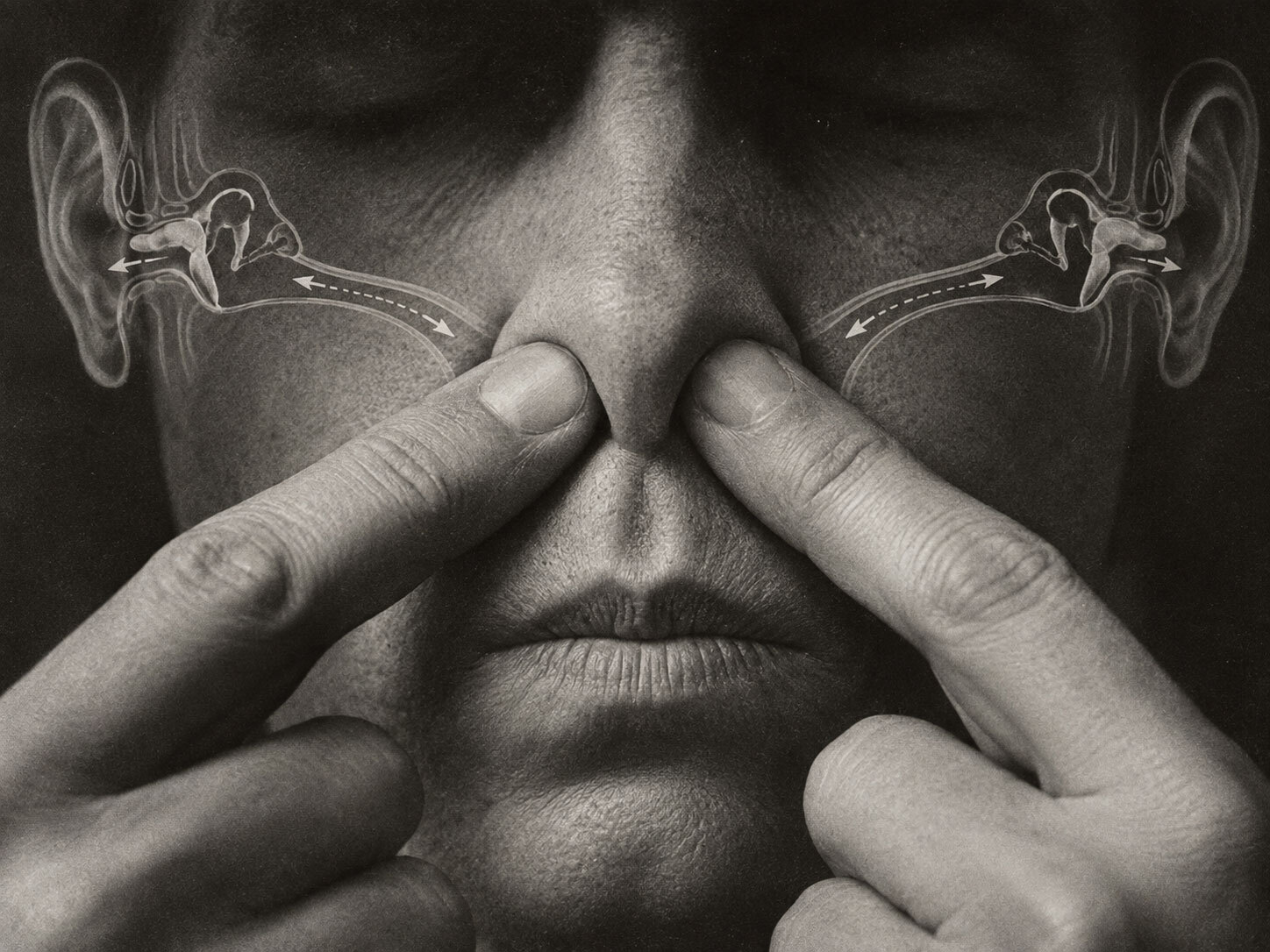
Occasional references in wind instrument literature to the Valsalva Maneuver as a technique for controlling the rate of expiration in wind instrument performance have given an impression which may be misleading, misunderstood or ambiguous. The following remarks are offered in an attempt to clarify the problem and perhaps to elicit — or even provoke — discussion!
Valsalva is not the name of any part of the human body. It is the name of a man. Antonio Valsalva was an Italian anatomist who lived from 1666 to 1723. His experiment included a maneuver which was essentially “the act of forcing air into the middle ear [through the Eustachian tubes] by blowing while the nostrils and mouth are closed, to relieve partial deafness.” (Webster’s Deluxe Unabridged Dictionary, Second Edition, 1983).
The maneuver as described is well-known to scuba divers and aviators, each group having the problem of equalizing pressure on opposite sides of the ear drum in order to relieve the pain accompanying unequal pressure. It is quite difficult to imagine any use to which the modern-day wind instrumentalist might put this technique; therefore the Valsalva Maneuver would seem to be a dead issue for the musician.
In medical practice, however, there is a modern adaptation of the Maneuver which is used in the diagnosis of certain cardiovascular disorders or heart murmurs. In this adaptation, the Valsalva Maneuver is essentially the forced expiratory effort against a closed glottis. Great pressure is built up within the abdominal cavity with no thought of expelling the air. The action is analogous to the straining effort used in executing a difficult bowel movement. The physiological result, however, of the prolongation of this Maneuver is an elevation in arterial blood pressure which may give rise to cranial pains. At the same time there may be an impairment in the return of venous blood, particularly from the legs; this leaves the heart with less blood to pump and the result is a blackout.
In wind instrument performance, advocates of the Valsalva Maneuver are asking for the careful and controlled use of the epiglottis to release the air in whatever quantity is necessary and with whatever pressure is needed for performing the musical passage. This action seems analogous to a variable Venturi tube with its accompanying resistance. To the casual observer this would appear to be a case of self-induced choking or strangulation and for the performer there is the ever-present threat of pain and blackout.
Brass Bulletin 52, IV / 1985 pagine 36–38
Tutti i contenuti sono protetti dal diritto d’autore © Brass Bulletin 1985–2026