Rendete Brass Bulletin disponibile nella vostra università, nel vostro conservatorio o nella vostra biblioteca Scoprite l’accesso istituzionale

5 min di lettura

Special Hungary

Brass Chamber Music in Hungary

Ancient horns, military signals and postwar ensembles meet in a Hungarian brass tradition shaped as much by education and composers as by performers.
Brass Chamber Music in Hungary

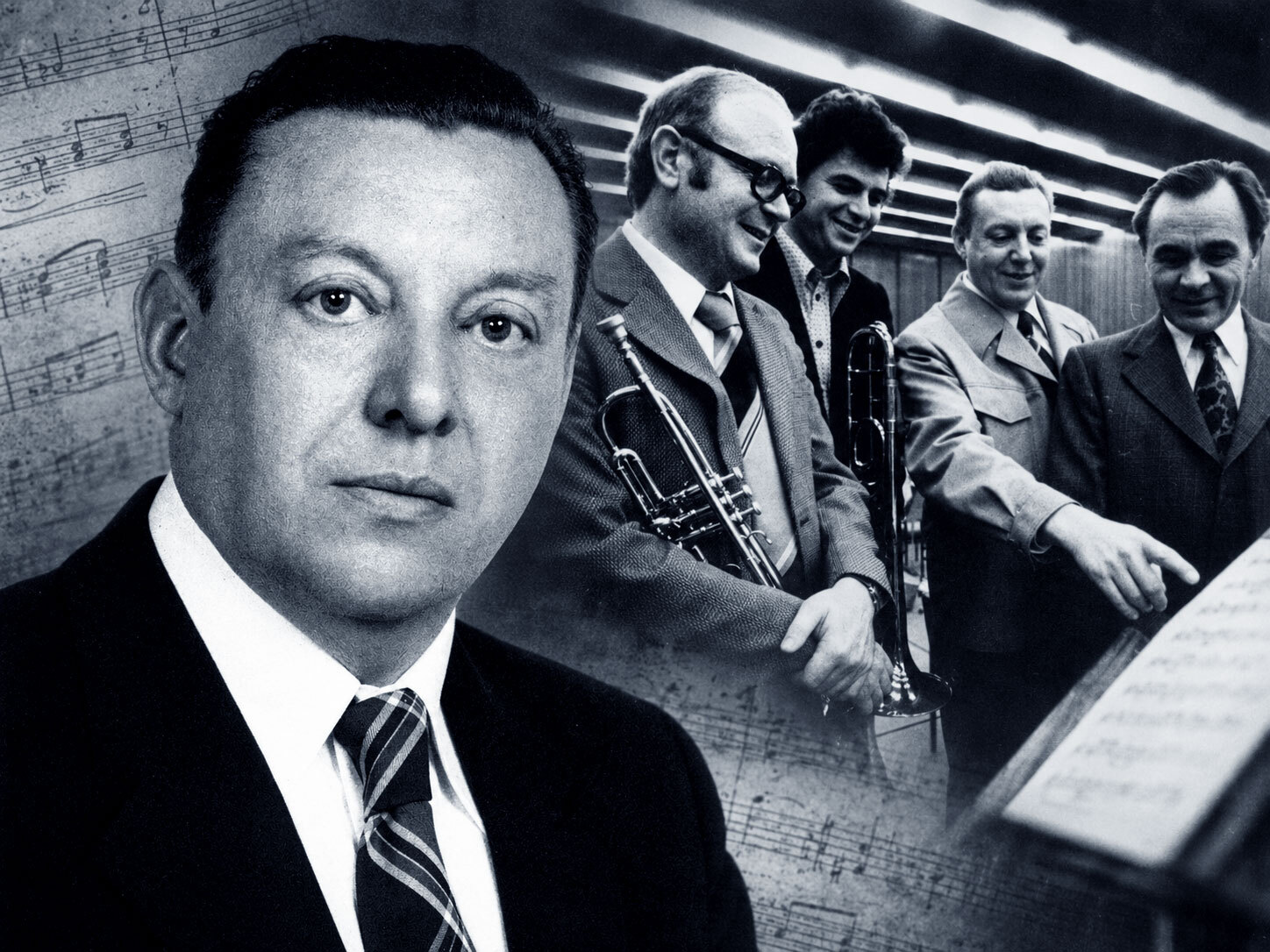
The Hungarian performer and teacher was born in 1930. He was a student of Imre Lubik at the Ferenc Liszt Academy of Music and has taught there since 1963.
He has been playing with top Hungarian orchestras for more than 30 years. He is a founding member of the Hungarian Brass Quartet. He also teaches brass chamber music at the Academy and at the Barcs Brass Chamber Music Camp. He has published several works: beginners’ trumpet, beginners’ chamber music, chamber music pieces, etc.

The Hungarian people settled in their present day area in the basin of the Carpathians, in 986 in the age of the great migrations. However, we have relics of local musical instruments from long before this age. Beside lake Balaton, excavation revealed a house dating from the Bronze Age, approximately 2000 BC, containing numerous articles. One of them is a tritone snail-horn. Two other similar snail-horns have been found here. These are the most ancient relics of wind instruments found in Hungary that are similar to brass instruments.

The Roman Empire extended into Hungary and many cities and garrisons were founded here. The excavation of these sites has continued throughout the last half century and one of the discoveries is a Roman tuba in almost perfect condition which is kept now in the Budapest National Museum (see page 49). Apart from these relics, numerous documents prove that the Hungarians used brass-type instruments when they were still in their migration phase. After occupying their new land, they kept on venturing westward, reaching St. Gallen, south of lake Constance, in 926 AD. So the chronicler writes of the Hungarians: “…Their outpost and spies signalled with bugle-call and shouts that there was an enemy nearby…”, and also, “…After the monastery was on fire, the Hungarians put their horns to silence, stopped their war-cries and left…”. This proves that the Hungarians used brass instruments already in the age of the great migrations.

Much information from later centuries shows that the Hungarians used brass instruments for purposes of religion and war just like western European people did at that time. An inventory of the abbey of Pannonhalma taken in the 11th century lists two horns, both of them silver, one gilded. There is a miniature in the prayer book of Saint Elizabeth of Hungary, dating from the 12th-13th century, which shows a contemporary orchestra. One of the five instruments in the picture is a horn. From the 14th century on, there was a gradual diversification in the function of trumpeters: some of them became court musicians, others took part in martial music. Their social status and their work were similar to those of trumpeters in western countries and so do not require a detailed description here. I would like, however, to recall a small episode illustrative of the age. Accounts of the wedding of king Mathias to Beatrix of Aragonia contain many remarks on the role of trumpeters. But even more interesting is that queen Beatrix brought along her favourite trombonist from Naples who suddenly died on Christmas eve. He was burried in Buda with great pomp, his trombone and favourite wind instruments being played on his catafalque.

Wind orchestras developed from trumpet ensembles within the army. We can speak of brass chamber music in our country only since 1948. It was then that my teacher who unfortunately died young, trumpeter Imre Lubik started his experiments. Only now, thirty years later, can we appreciate his brilliancy in that, though segregated from the rest of the world, he was able to recognize the importance of chamber music and tried to apply it to our instruments. His ensemble was the first brass chamber ensemble in our country. He transplanted his enthusiasm into his pupils so that we continued the work he had started.

Continue reading

Accedi all’edizione digitale completa.

Brass Bulletin 48, IV / 1984 pagine 42–47

Tutti i contenuti sono protetti dal diritto d’autore © Brass Bulletin 1984–2026

Condividi questo articolo

Facebook LinkedIn
Loading…

Domande e risposte

Come funziona l’edizione digitale

Che cosa comprende l’edizione digitale?

L’edizione digitale riunisce gli articoli già digitalizzati sotto forma di testi leggibili e ricercabili online — non semplicemente come scansioni o file PDF — insieme alle illustrazioni originali, alle note, agli autori, alle informazioni sul numero della rivista e alle traduzioni disponibili. I suggerimenti di articoli correlati comprendono attualmente solo questo materiale digitalizzato.

Gli articoli digitali sono identici agli originali?

Conserviamo il più fedelmente possibile il testo originale, la lingua, le illustrazioni, le didascalie, le note e il contesto editoriale. La presentazione viene adattata per una lettura confortevole online e gli evidenti errori di trascrizione o scansione possono essere corretti. Il contenuto e il carattere dell’articolo pubblicato rimangono invariati.

Quali lingue sono disponibili?

Brass Bulletin è stato pubblicato in inglese, francese e tedesco nel corso di tutta la sua storia. Le traduzioni italiane e spagnole sono state aggiunte a partire dal numero 60. Sui siti italiano e spagnolo, gli articoli dei numeri da 1 a 59 vengono quindi mostrati in inglese per impostazione predefinita.

Con quale frequenza vengono aggiunti nuovi articoli?

Nuovi articoli vengono aggiunti quasi ogni giorno, con circa un numero completo digitalizzato ogni settimana. Il ritmo può variare in base al lavoro di preparazione, elaborazione delle immagini e verifica editoriale necessario.

Perché non tutti gli articoli sono disponibili in formato digitale?

La collezione completa di Brass Bulletin comprende 1.246 articoli pubblicati tra il 1971 e il 2003. L’indice completo è già disponibile online e consente di scoprire tutti gli articoli della collezione, compresi quelli il cui testo integrale non è ancora stato digitalizzato.

La digitalizzazione è iniziata nel febbraio 2026. Ogni articolo viene accuratamente preparato per la lettura online, verificato e collegato al relativo numero, agli autori, agli argomenti e alle illustrazioni. Al ritmo attuale di digitalizzazione, la collezione completa dovrebbe essere disponibile online entro febbraio 2028.

Perché alcuni riferimenti citano articoli che non sono ancora disponibili?

I riferimenti presenti negli articoli originali vengono conservati anche quando il materiale a cui rimandano non è ancora stato digitalizzato. In questo modo si preserva l’integrità storica ed editoriale della rivista. Man mano che nuovi numeri vengono aggiunti all’edizione digitale, un numero crescente di questi riferimenti condurrà ad articoli leggibili online.

Posso suggerire un articolo o segnalare un errore di trascrizione?

Sì. Se desiderate che un determinato articolo venga digitalizzato, oppure se notate un possibile errore di trascrizione o un’informazione mancante, contattateci. I riscontri dei lettori ci aiutano a migliorare l’edizione digitale e a stabilire priorità utili all’interno dell’archivio.

Come posso sostenere Brass Bulletin?

Il vostro sostegno contribuisce a finanziare la preparazione, la verifica e la pubblicazione online dell’intera collezione.

Abbonati all’Edizione digitale

Preferite sostenerci senza abbonarvi?

Fate una donazione

Come procede la digitalizzazione?

Stiamo rendendo Brass Bulletin disponibile online gradualmente, articolo per articolo. Potete leggere gli articoli appena digitalizzati non appena sono pronti, anche prima che un intero numero sia completato.

Consultate il nostro calendario di digitalizzazione per scoprire le ultime aggiunte e le date di disponibilità stimate dei prossimi numeri. Le stime si basano sul nostro ritmo recente e possono cambiare.

Cerca in Brass Bulletin.